The Nation of Islam
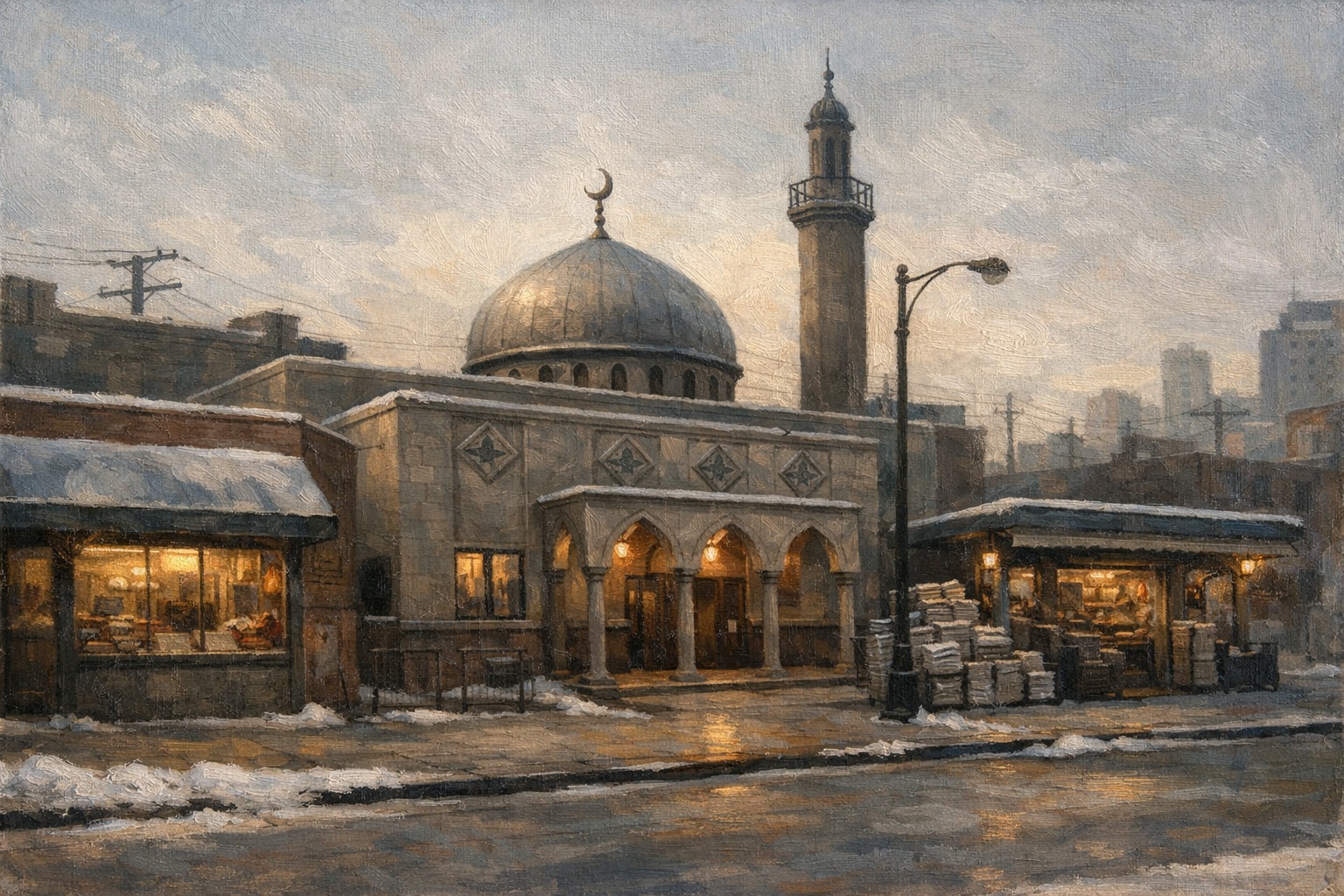
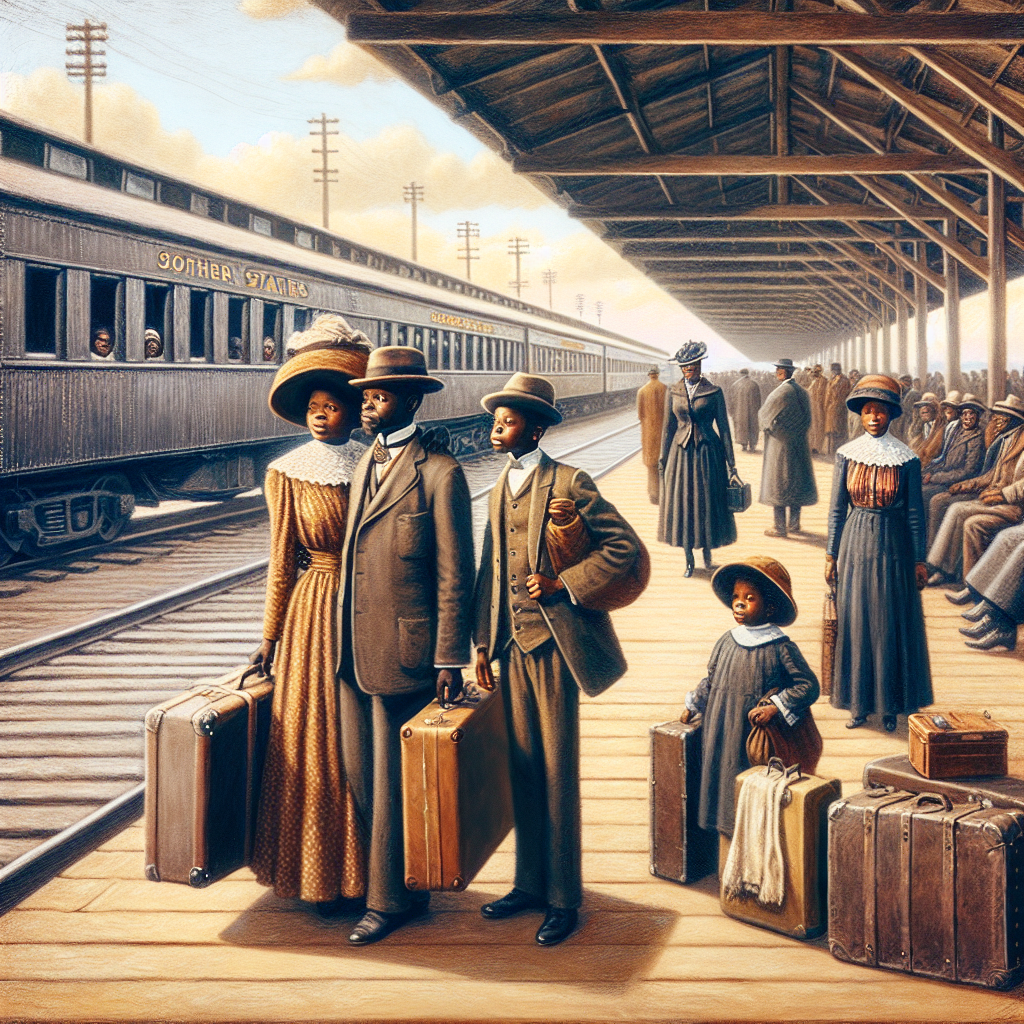
In 1930 a silk peddler calling himself Wallace Fard Muhammad began preaching in the Black neighborhoods of Detroit, many of them filled with migrants from the South. He taught that Black people were the original people of the earth, that whites were a race of devils, and that Islam was the true religion of Black Americans, stolen from them by slavery. He vanished in 1934. His most devoted follower, Elijah Muhammad, took control, declared that Fard had been God in person, and moved the headquarters to Chicago.
Under Elijah Muhammad the Nation of Islam preached racial separation, economic self-reliance, and strict personal discipline — no alcohol, no pork, no tobacco, modest dress. It built temples, schools, restaurants, farms, and a newspaper, Muhammad Speaks. Its theology differed sharply from mainstream Islam, but its message of dignity and its work with prisoners and the poor drew thousands of converts in cities that offered them little else.
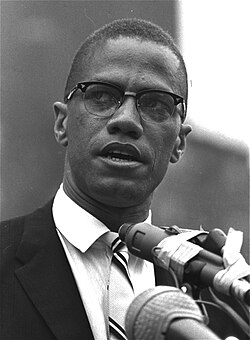
Its most famous convert was Malcolm Little, who joined in prison and as Malcolm X became the movement's national spokesman, building temples across the country and drawing national attention. Muhammad Ali announced his membership in 1964. That year Malcolm broke with Elijah Muhammad, made the pilgrimage to Mecca, and embraced orthodox Sunni Islam. In February 1965 he was assassinated in Harlem by members of the Nation. Two of the three men convicted of the killing were exonerated in 2021.
After Elijah Muhammad died in 1975, his son Warith Deen Mohammed led most members into mainstream Sunni Islam. Louis Farrakhan rebuilt the Nation of Islam on its original teachings in the late 1970s and in 1995 led the Million Man March in Washington. Farrakhan's repeated antisemitic statements have been widely condemned, including by other Black leaders, while the movement's defenders point to its record of community work and its appeal to men in prison.
| Founded | Detroit, 1930, by Wallace Fard Muhammad |
| Leader | Elijah Muhammad, 1934–1975 |
| Headquarters | Chicago |
| Famous members | Malcolm X, Muhammad Ali |
| Split | Most members followed Warith Deen Mohammed into Sunni Islam after 1975 |
| Revived by | Louis Farrakhan, late 1970s |
| Date | 1930 to today |
| Location | Chicago, Illinois |