The Social Gospel
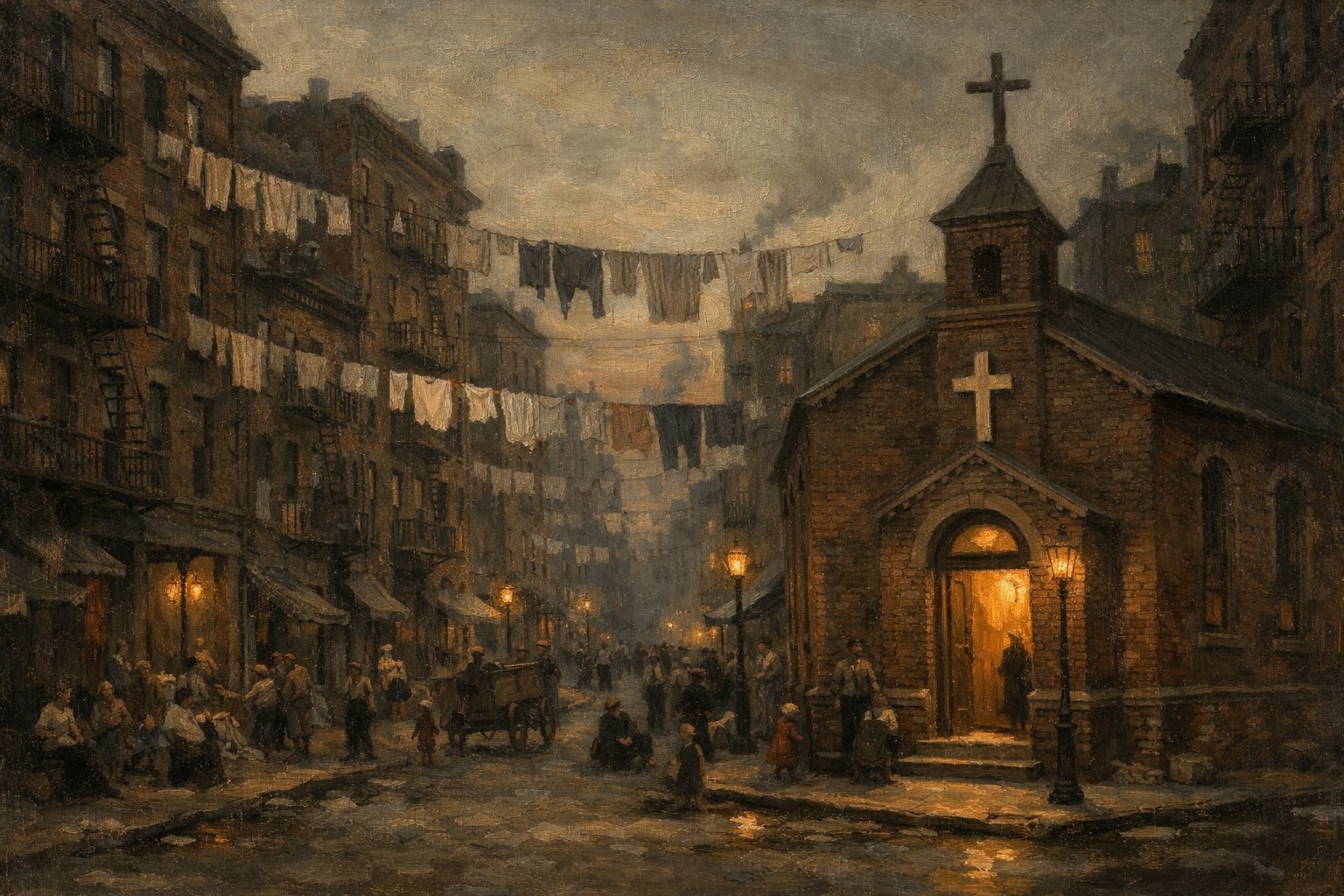
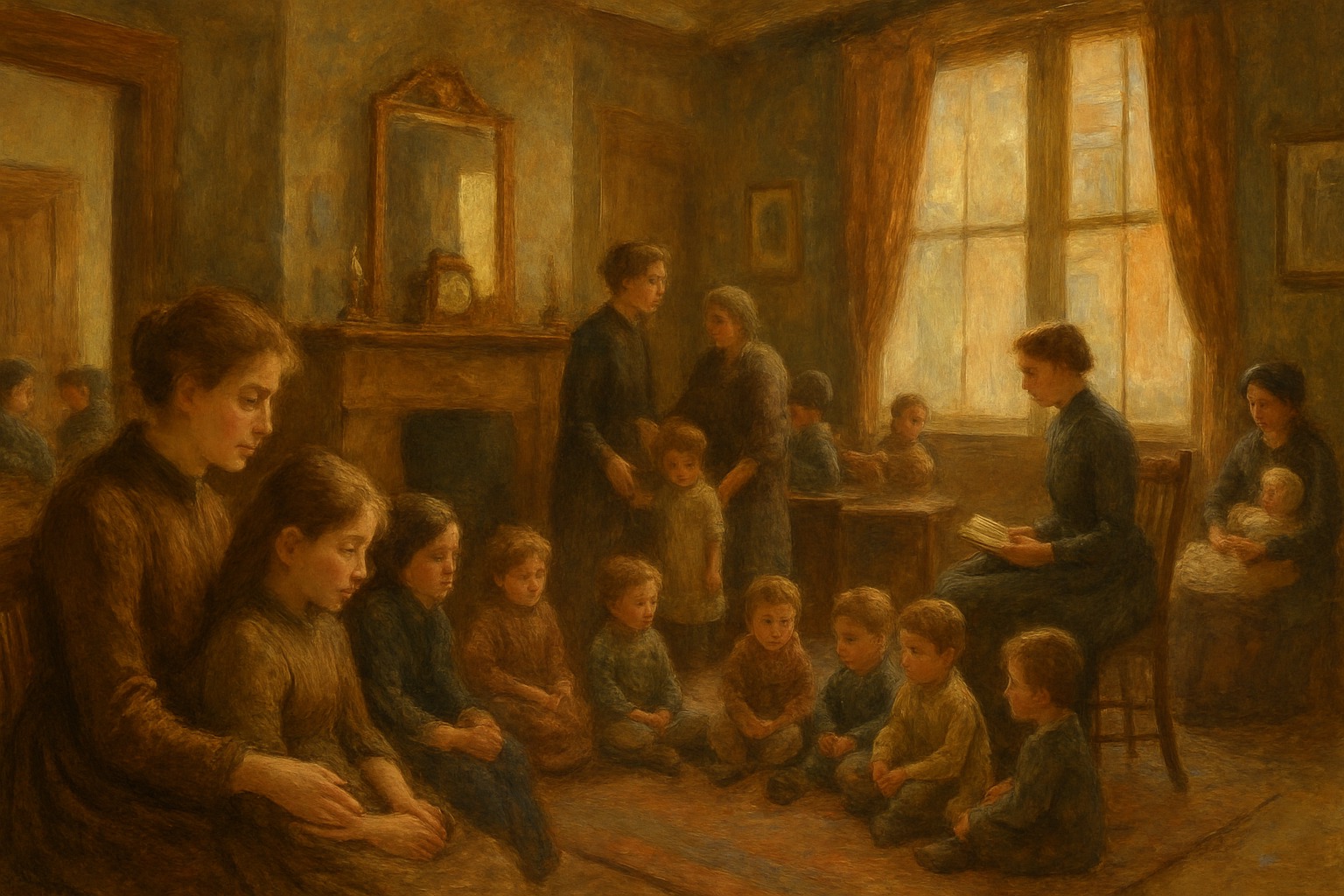
In 1886 Walter Rauschenbusch, the son of a German Baptist minister, took his first pulpit at a small church on the edge of Hell's Kitchen in New York. He watched his parishioners die of disease and overwork in tenements, and he concluded that preaching individual salvation was not enough. Sin, he came to believe, was built into social structures — into unsafe factories, child labor, and wages too low to live on — and the Kingdom of God was meant to be built on earth.
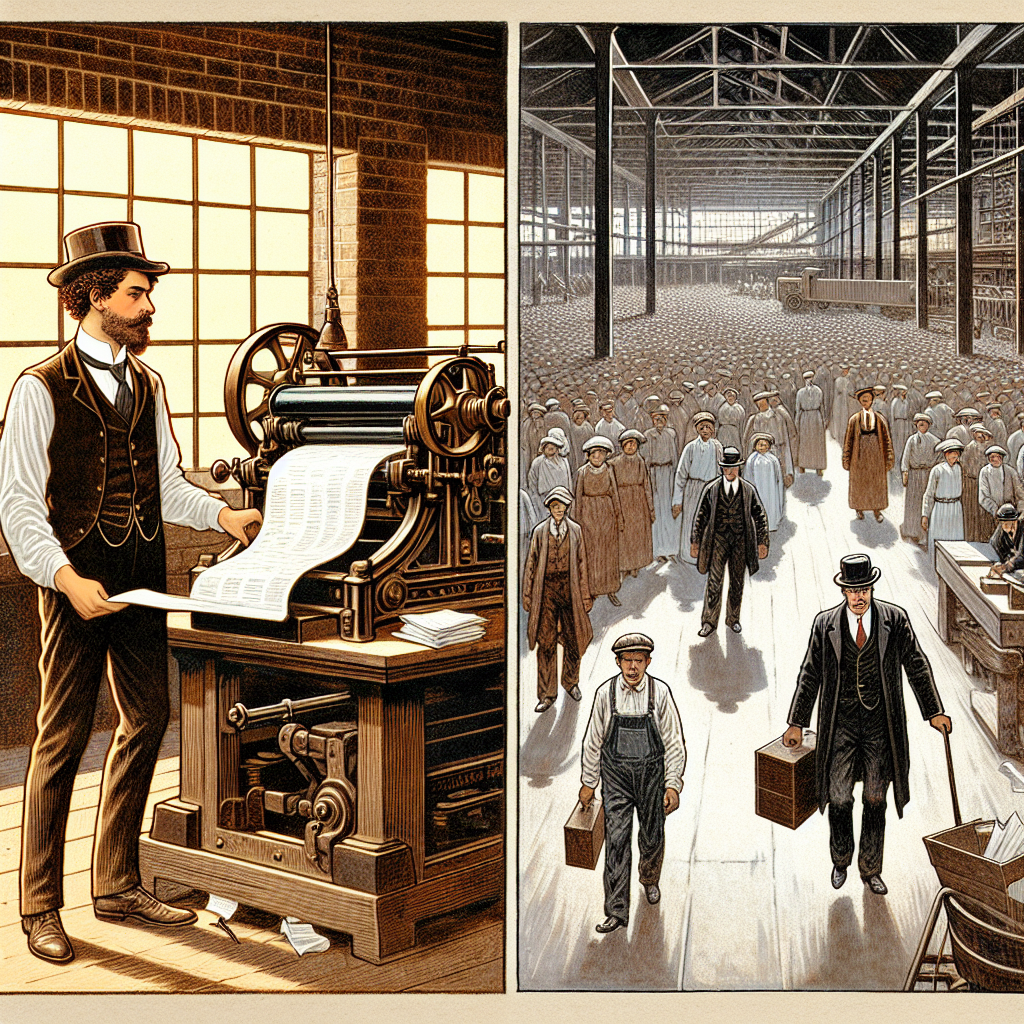
He was not alone. Washington Gladden, a Congregational minister in Columbus, Ohio, defended the right of workers to organize as early as the 1870s. Charles Sheldon's novel In His Steps, published in 1896, asked what would happen if Christians made every decision by asking what Jesus would do, and it sold millions of copies. Rauschenbusch's Christianity and the Social Crisis, in 1907, gave the movement its fullest statement.
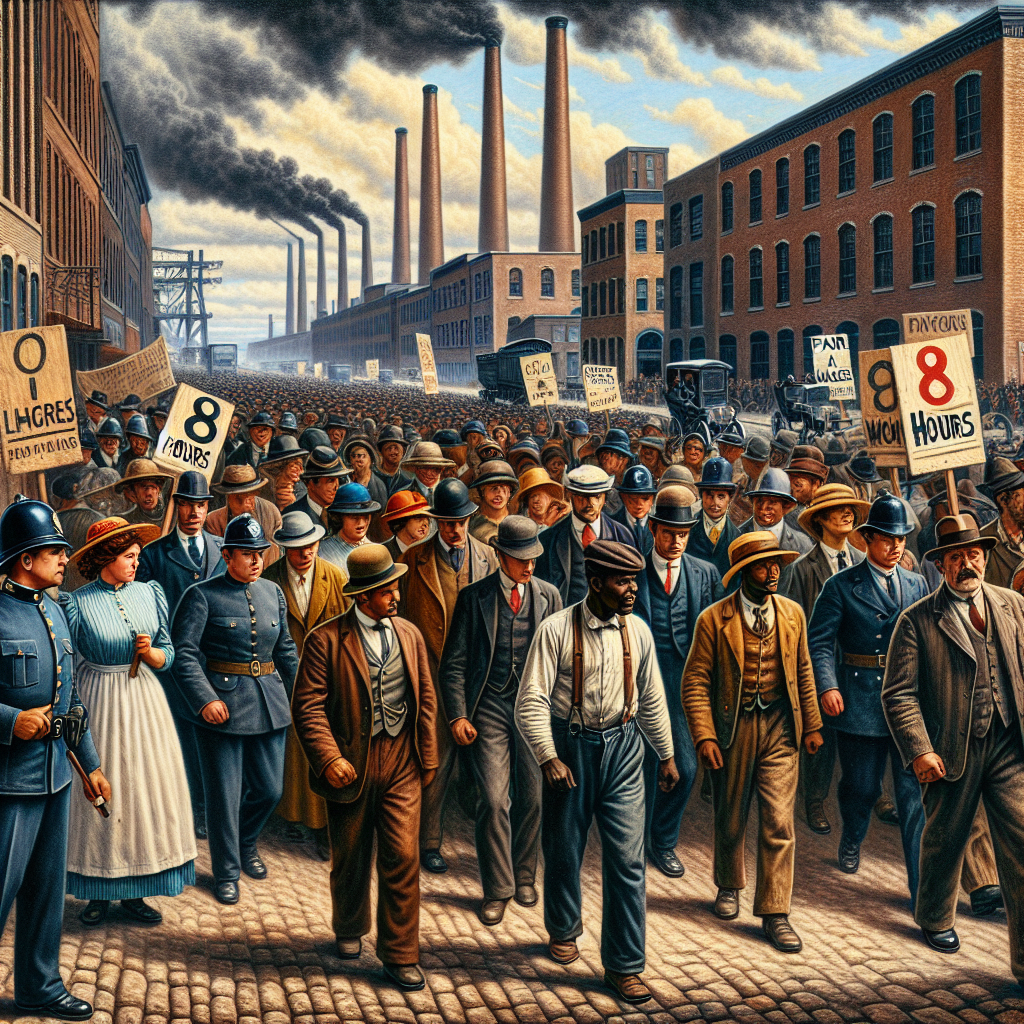
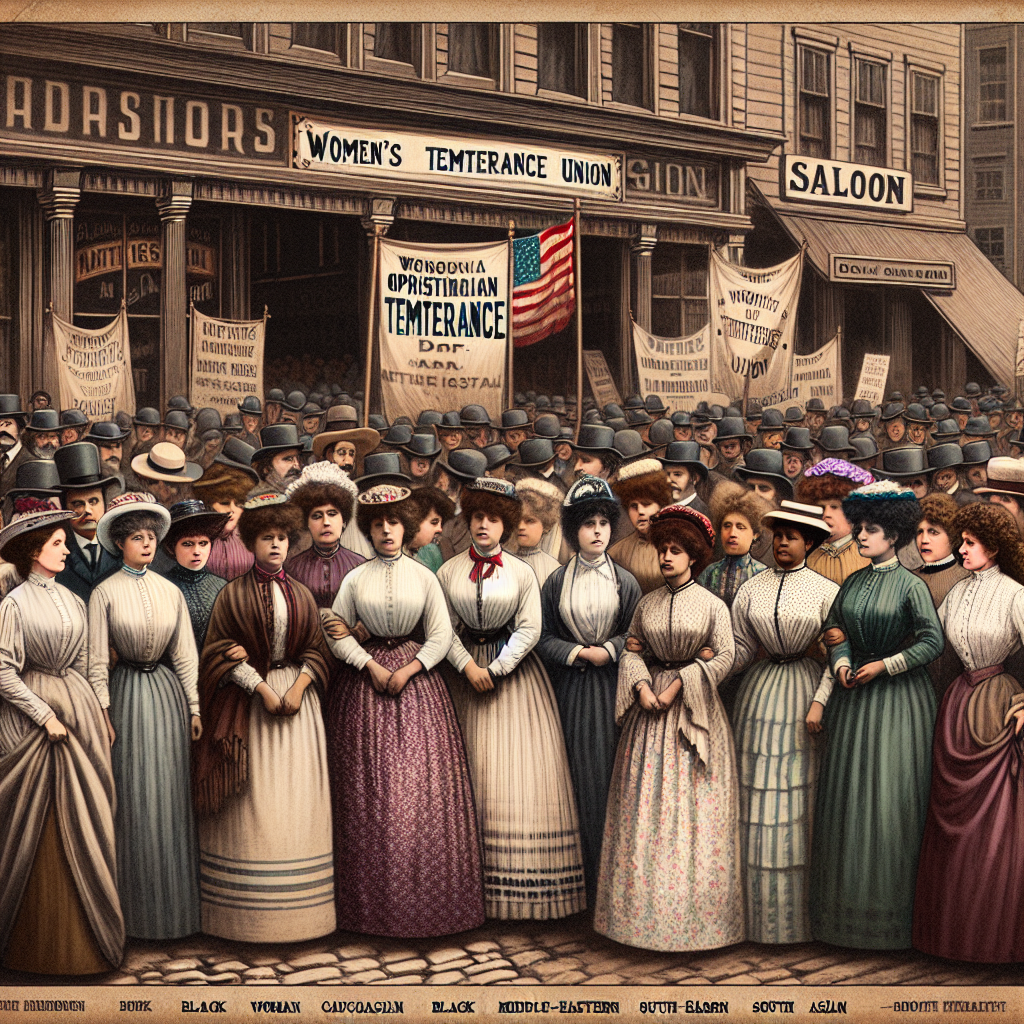
In 1908 the new Federal Council of Churches adopted a Social Creed calling for the abolition of child labor, a living wage, shorter hours, safer workplaces, and old-age protection. Social Gospel ideas shaped settlement houses, the YMCA, temperance and Prohibition, and the Progressive Era's legislative agenda. Catholic thinkers followed a parallel path after Pope Leo XIII's encyclical on labor in 1891, and Father John Ryan's work on a living wage influenced the New Deal.
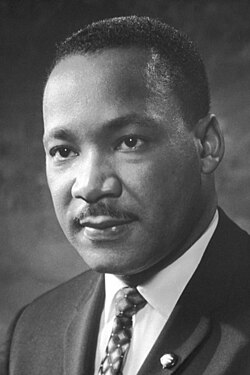
The movement lost momentum after the First World War, which shook its optimism about human progress, and theologians such as Reinhold Niebuhr criticized its faith in moral persuasion. Fundamentalists rejected it as a substitute of politics for salvation, a divide that still runs through American Protestantism. But it left a lasting mark. Martin Luther King Jr. read Rauschenbusch as a seminary student and later said the book left an indelible imprint on his thinking.
| Era | About 1880 to 1920 |
| Leading voices | Walter Rauschenbusch, Washington Gladden, Charles Sheldon |
| Key book | Christianity and the Social Crisis, 1907 |
| Popular novel | In His Steps, 1896, origin of What would Jesus do? |
| Program | Federal Council of Churches Social Creed, 1908 |
| Influence | Progressive reform and Martin Luther King Jr. |
| Date | About 1880 to 1920 |