First Great Awakening
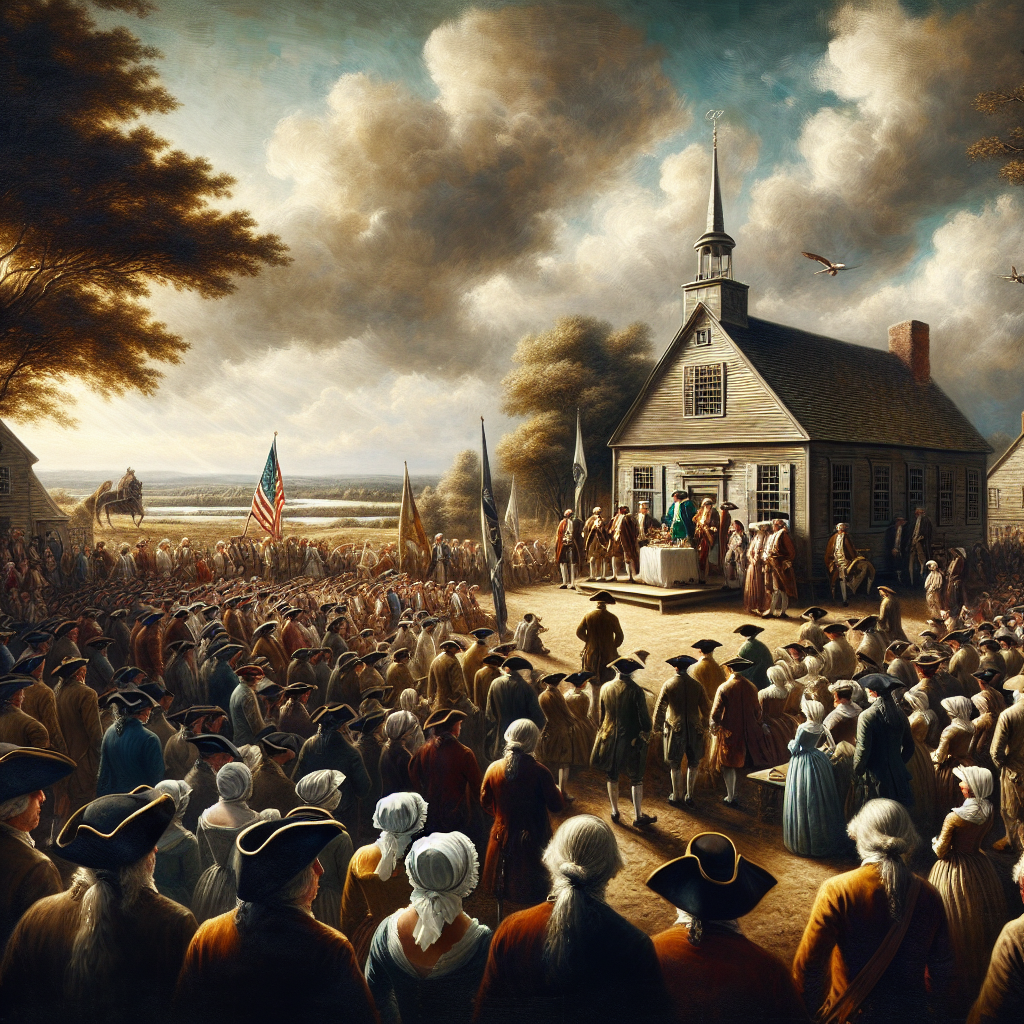
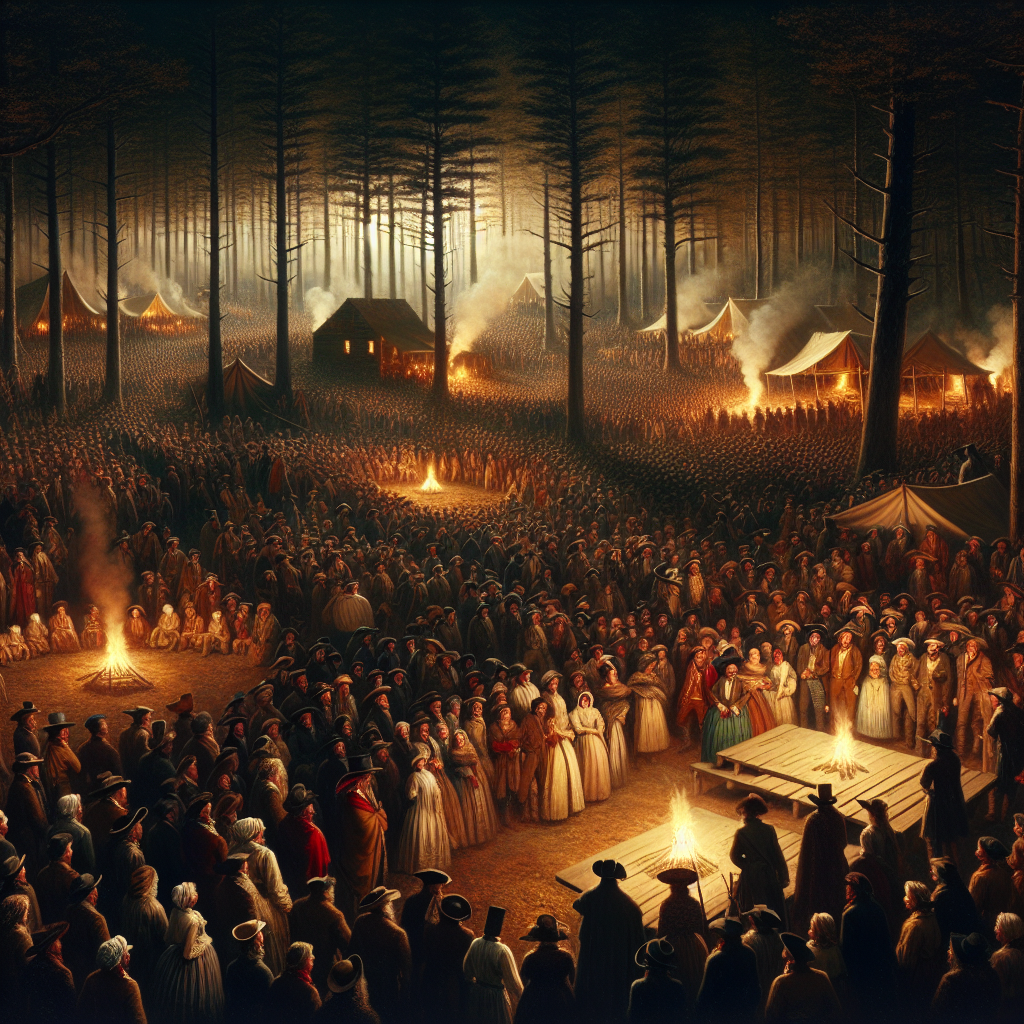
In the 1730s and 1740s, a wave of evangelical Protestant revivalism swept through the American colonies from Georgia to Massachusetts — the first mass religious movement to cross colonial boundaries and reach people of every social class and region. Itinerant preachers like George Whitefield, who crossed the Atlantic thirteen times to preach across the colonies, drew crowds in the tens of thousands to open-air meetings. Jonathan Edwards, the Puritan theologian of Northampton, Massachusetts, preached sermons of such terrifying spiritual intensity that congregants gripped their pews. The movement called itself an awakening: a sudden, overwhelming, personal encounter with divine grace that no church or clergyman could bestow or withhold.
The First Great Awakening challenged the established religious order in ways that had political consequences its participants did not fully anticipate. The revivalists emphasized the individual's direct relationship with God — unmediated by clergy, unconfirmed by church membership, available to any person who felt the spirit. This democratization of religious experience cut against the authority of established churches and their educated ministers, producing schisms in virtually every Protestant denomination. "New Light" congregations split from "Old Light" ones. New colleges — Dartmouth, Princeton, Rutgers, Brown — were founded to train the new evangelical clergy, spreading higher education beyond Harvard and Yale's Congregationalist orbit.
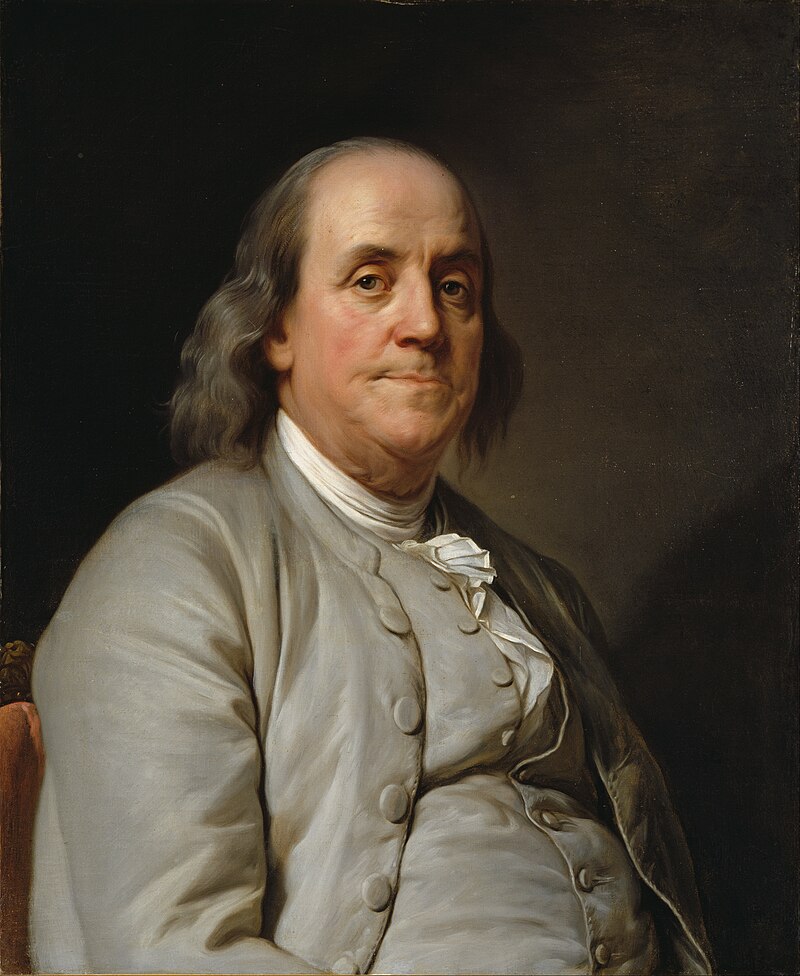
Historians have long noted the Awakening's relationship to the Revolution that came 30 years later. A population schooled in the right to challenge religious authority, in the primacy of individual conscience, and in the idea that corrupt institutions could be rejected and new ones built — was a population with intellectual resources the revolutionary argument could draw upon. Benjamin Franklin was not a revivalist, but he printed Whitefield's sermons because they sold. The First Great Awakening did not cause the Revolution. But it taught several generations of colonists to think in the vocabulary that the Revolution would require.


| Period | c. 1730s–1750s |
| Key Preachers | George Whitefield, Jonathan Edwards, Gilbert Tennent |
| Edwards's Sermon | "Sinners in the Hands of an Angry God" (1741) |
| Whitefield's Reach | Preached across all 13 colonies; crossed the Atlantic 13 times |
| Colleges Founded | Princeton, Dartmouth, Brown, Rutgers |
| Core Emphasis | Personal conversion, individual conscience, direct relationship with God |
| Successor | Second Great Awakening (c. 1790s–1840s) |
| Years | 1730–1755 |
| Location | New England and the American Colonies |