Immigration to America: Gateways, Quotas, and the Making of a Nation
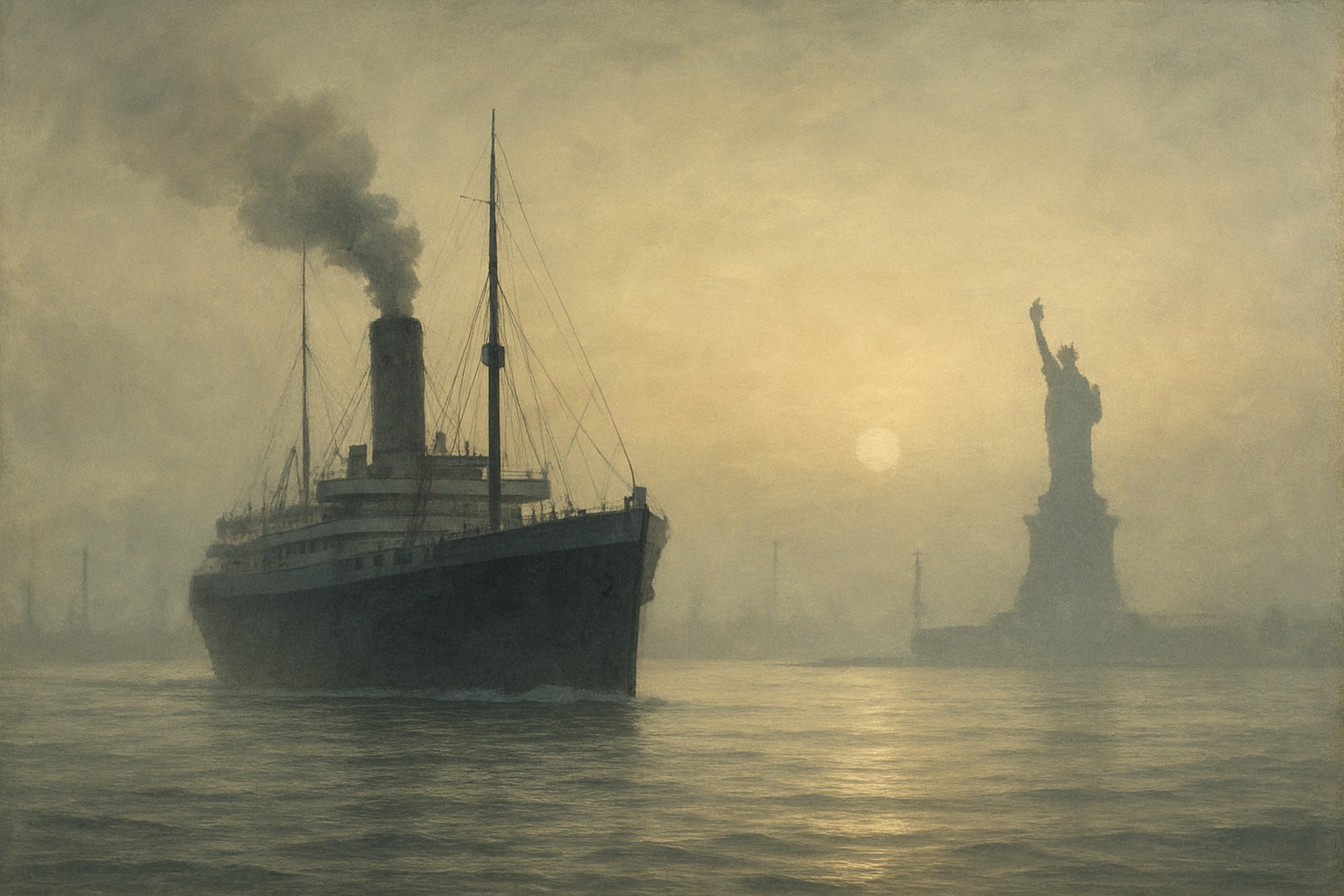
The United States is, more than almost any other nation, a country built by people who came from somewhere else — and a country that has argued bitterly, in every generation, about whom to let in. The history of American immigration is not a single welcome but a long swing between open arms and closed gates: the Great Wave that filled the cities, the nativist backlash that shut the door, and the 1965 law that opened it again and remade the nation.
This guide follows that arc: the gateways and the Great Wave, the era of nativism and restriction, and the modern reopening. Each entry links to a full account, and together they trace how a nation of immigrants kept redefining who counted as one.
Start here for the whole story of American immigration - the waves, the gates, and the laws that opened and closed them. The sections that follow trace it in order.
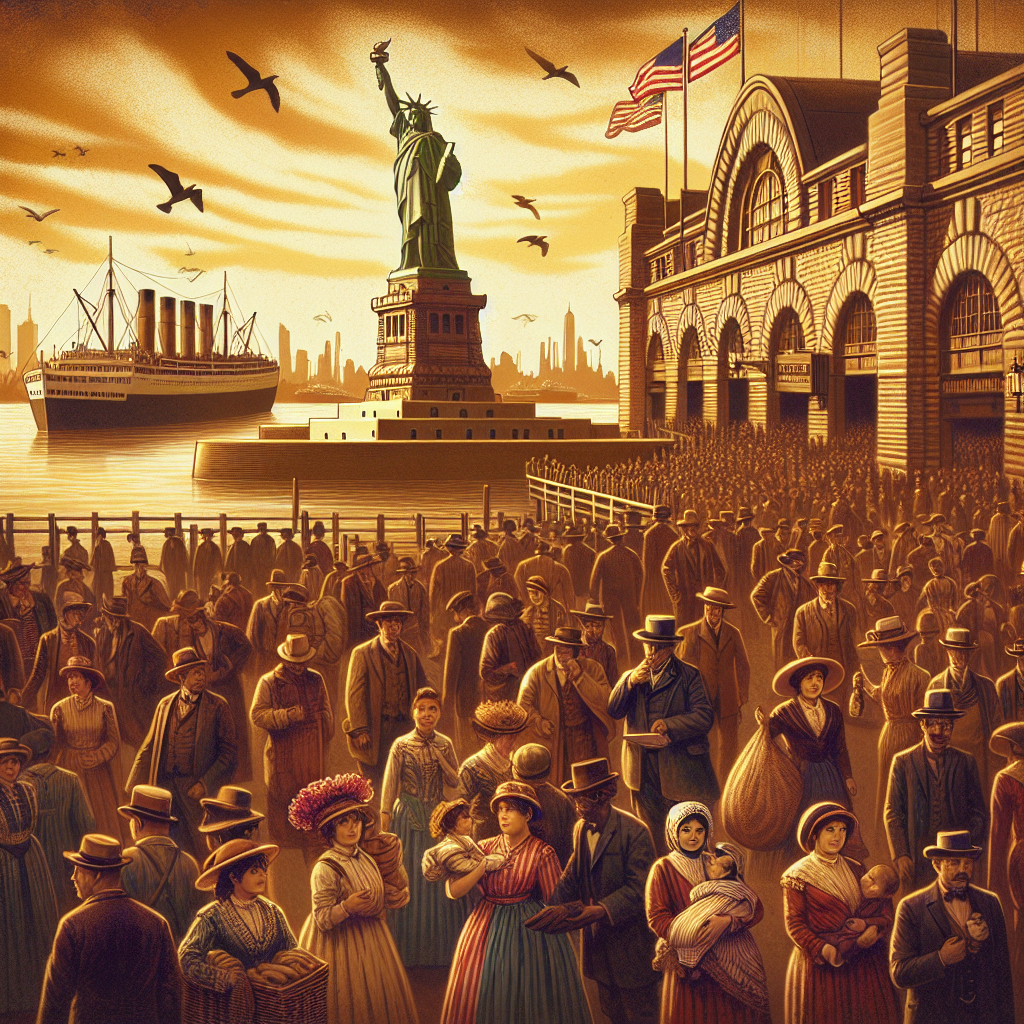
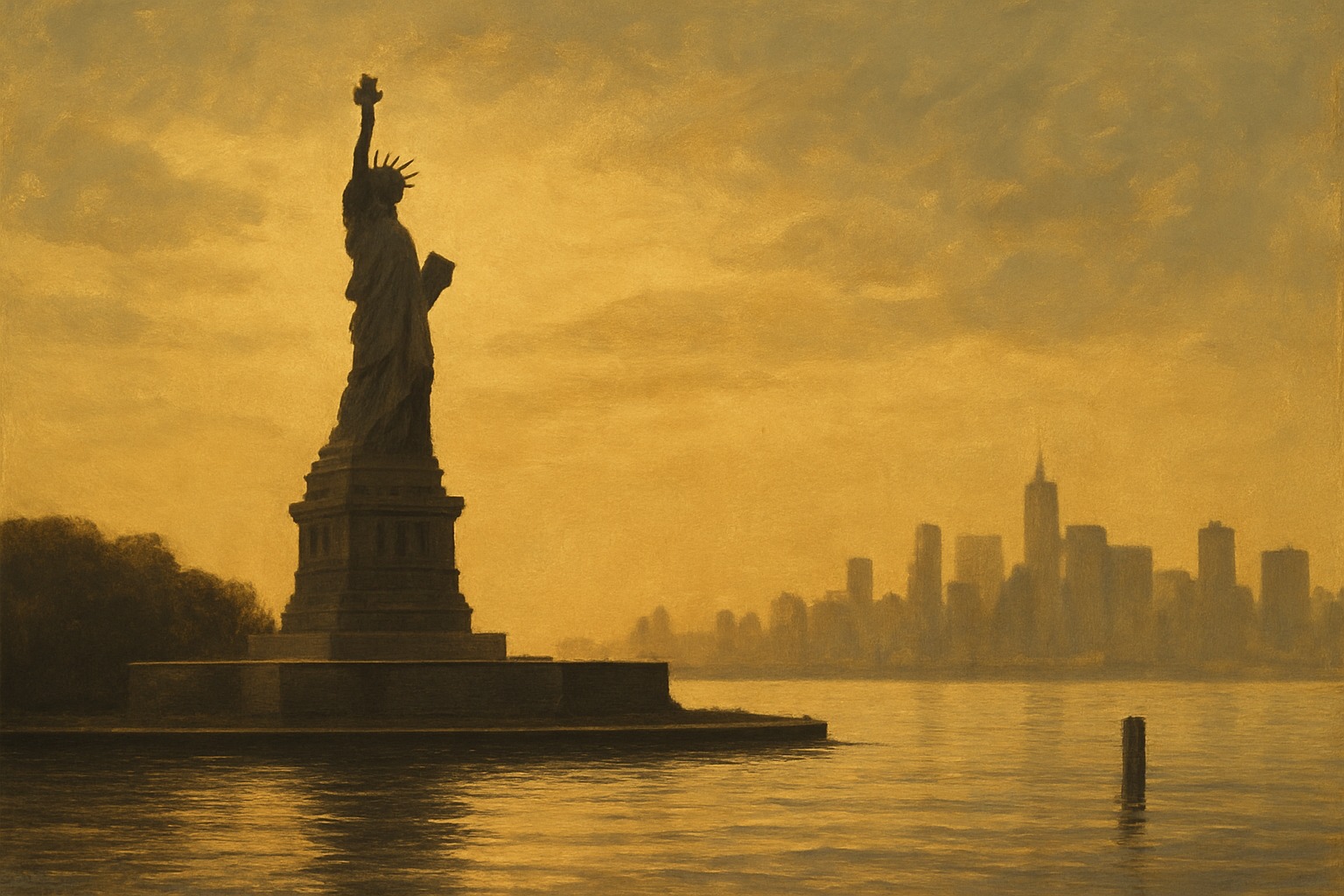
For a century the country's doors stood largely open, and millions came through them. These entries cover the great wave of immigration and the famous gateways - the islands and harbors - where new Americans first set foot.


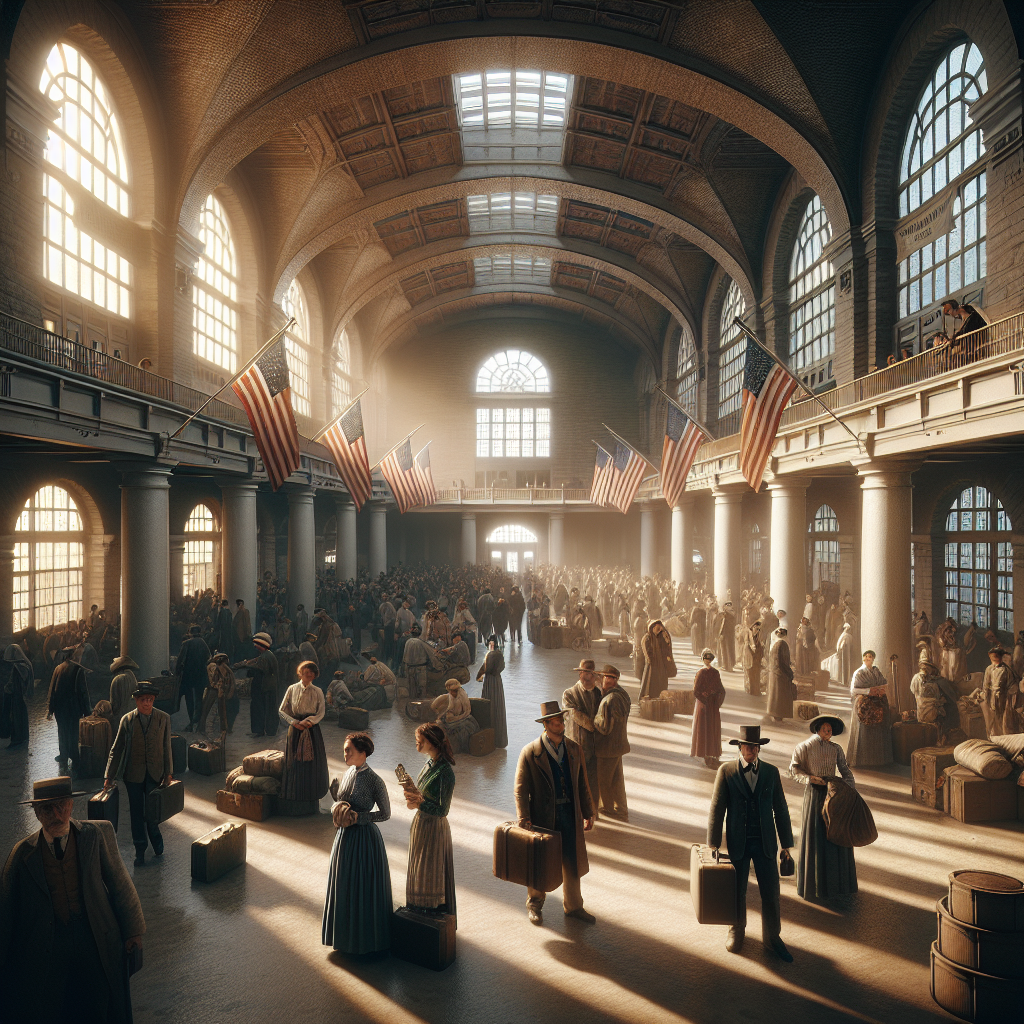
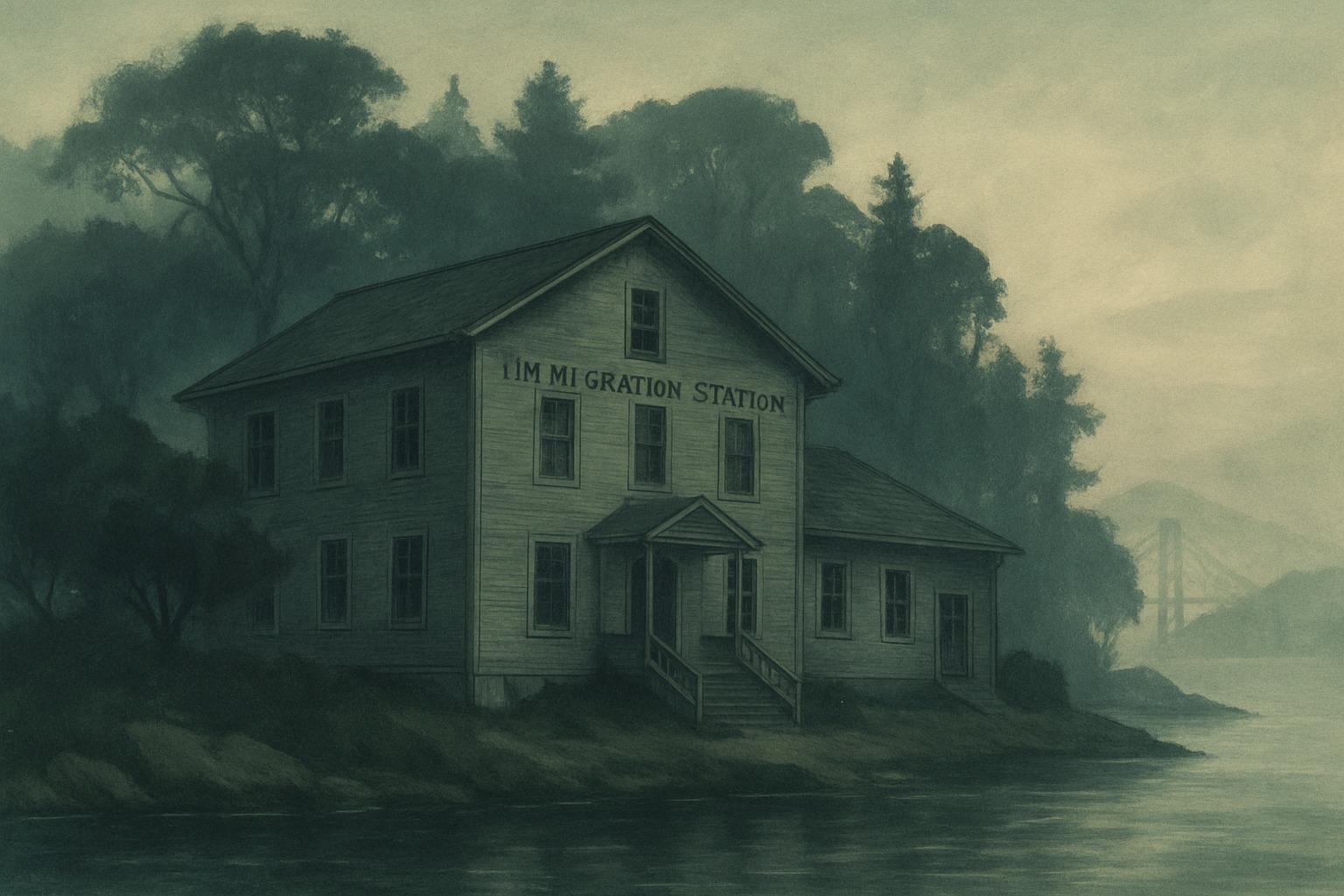
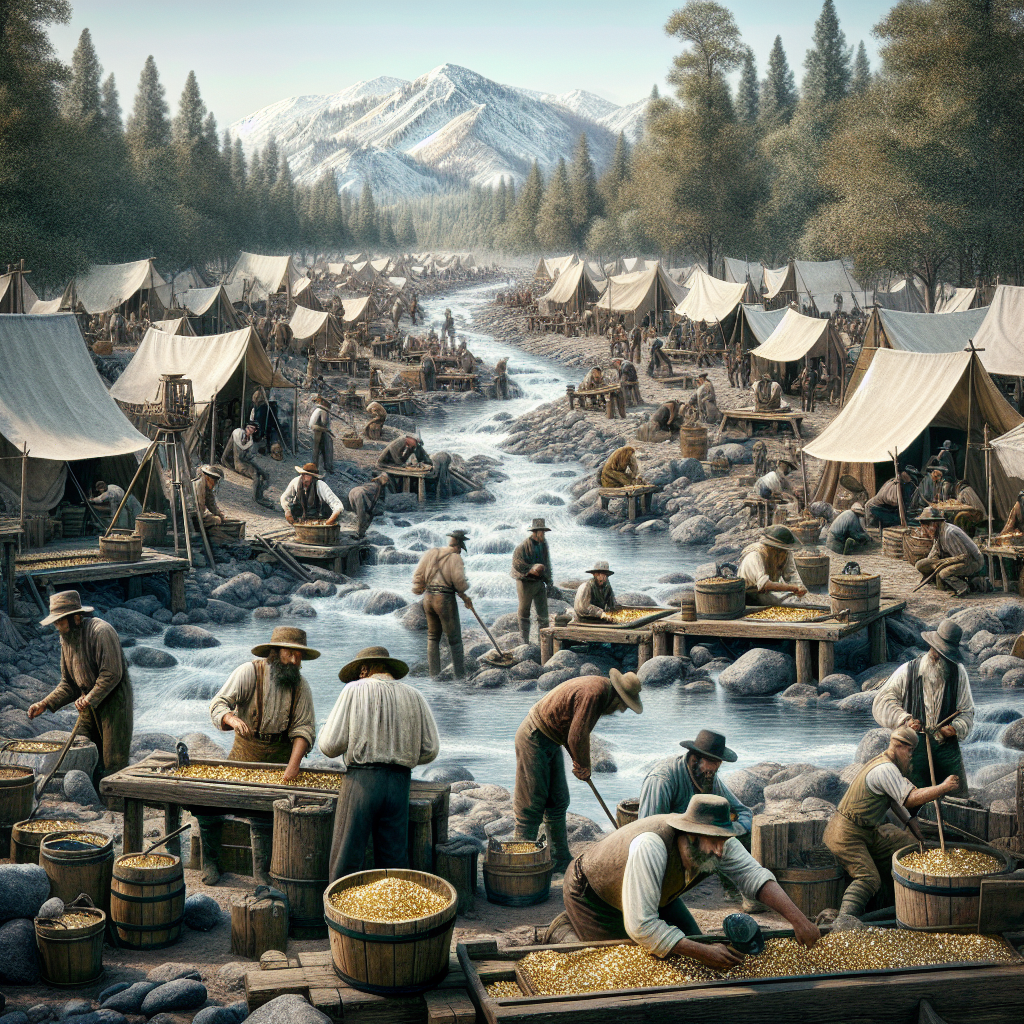



The open era ended in reaction. A rising nativism produced the exclusion acts and quotas that sharply restricted who could enter - a closing of the door that lasted for decades.
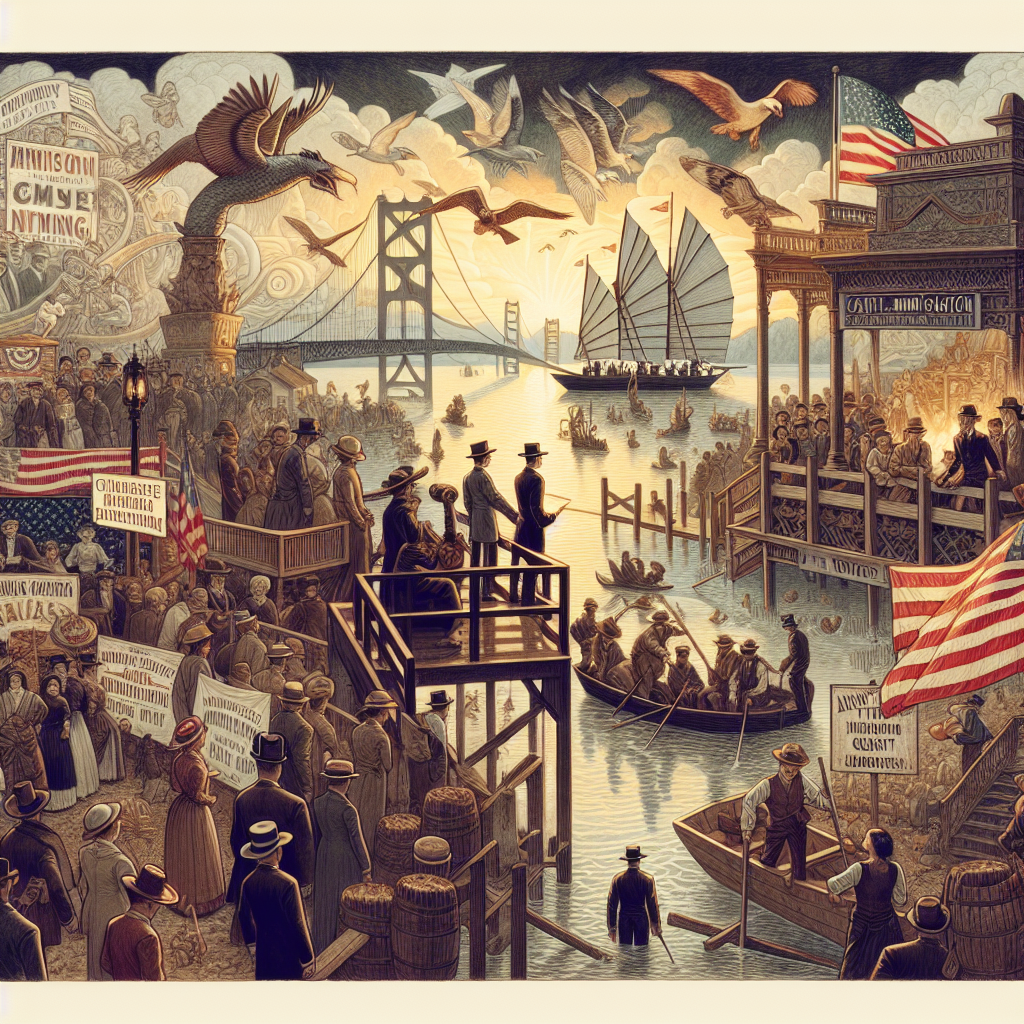
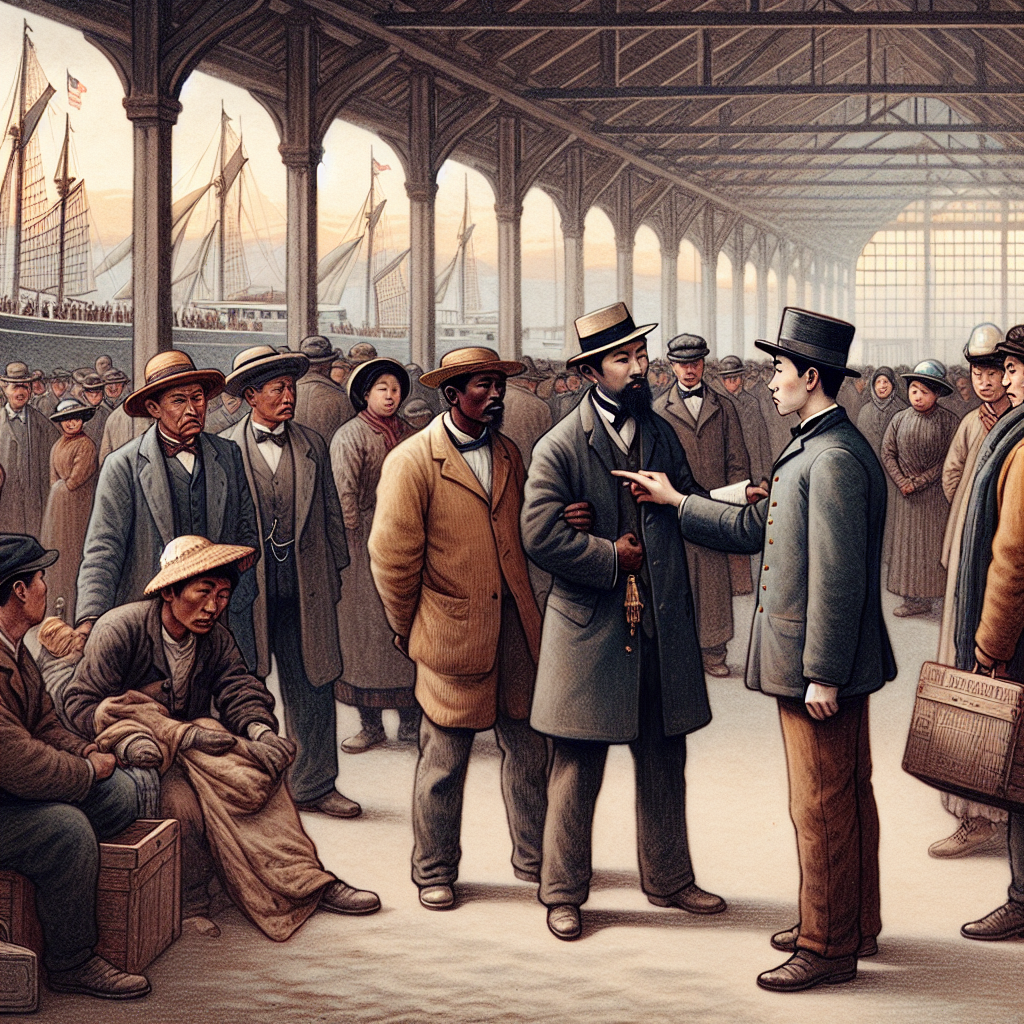
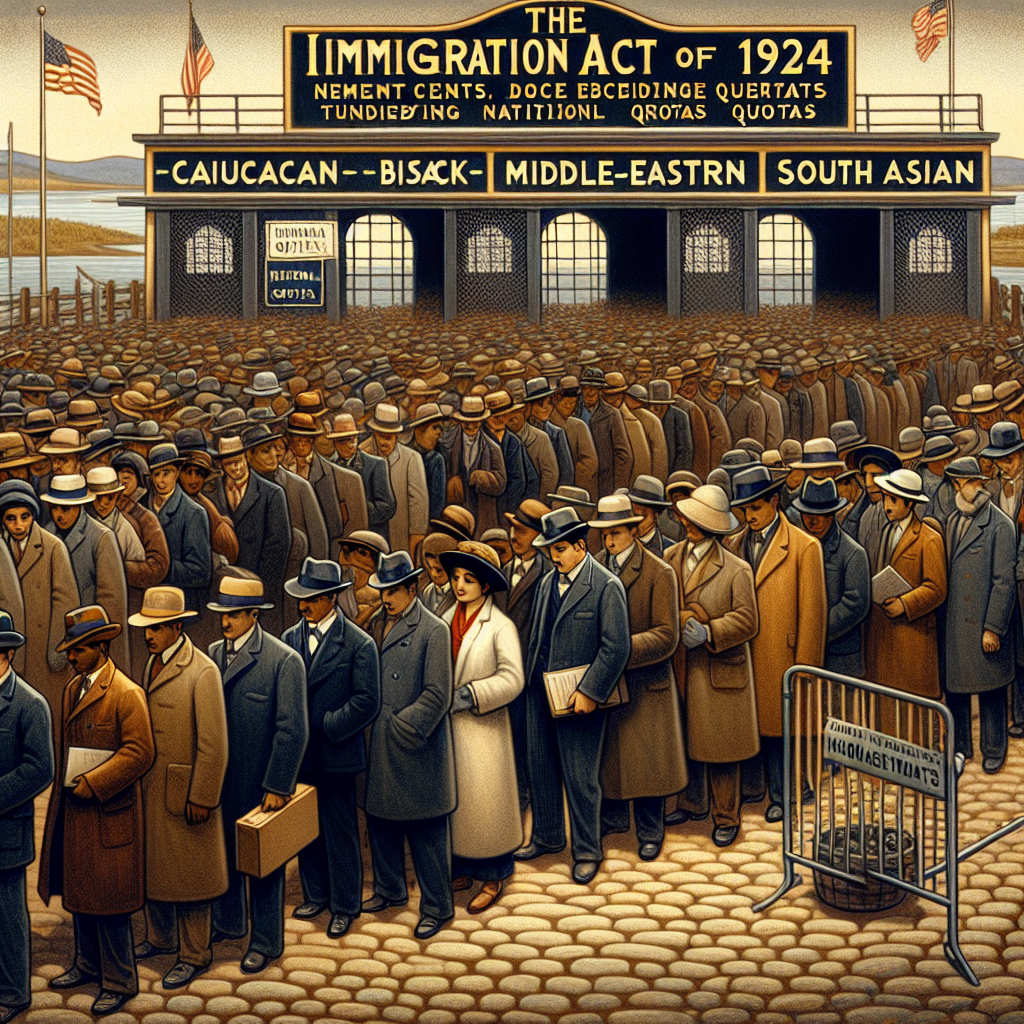
The mid-century reforms reopened the country to the world. These entries cover the laws that abolished the old quotas and remade the sources and scale of American immigration.
Immigration runs through the rest of American history — the cities it built (the full timeline), the diplomacy it shaped (America and China), and the rights movements it joined.