Martin Luther King Jr.
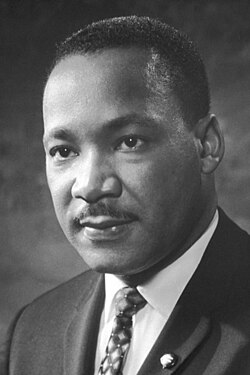
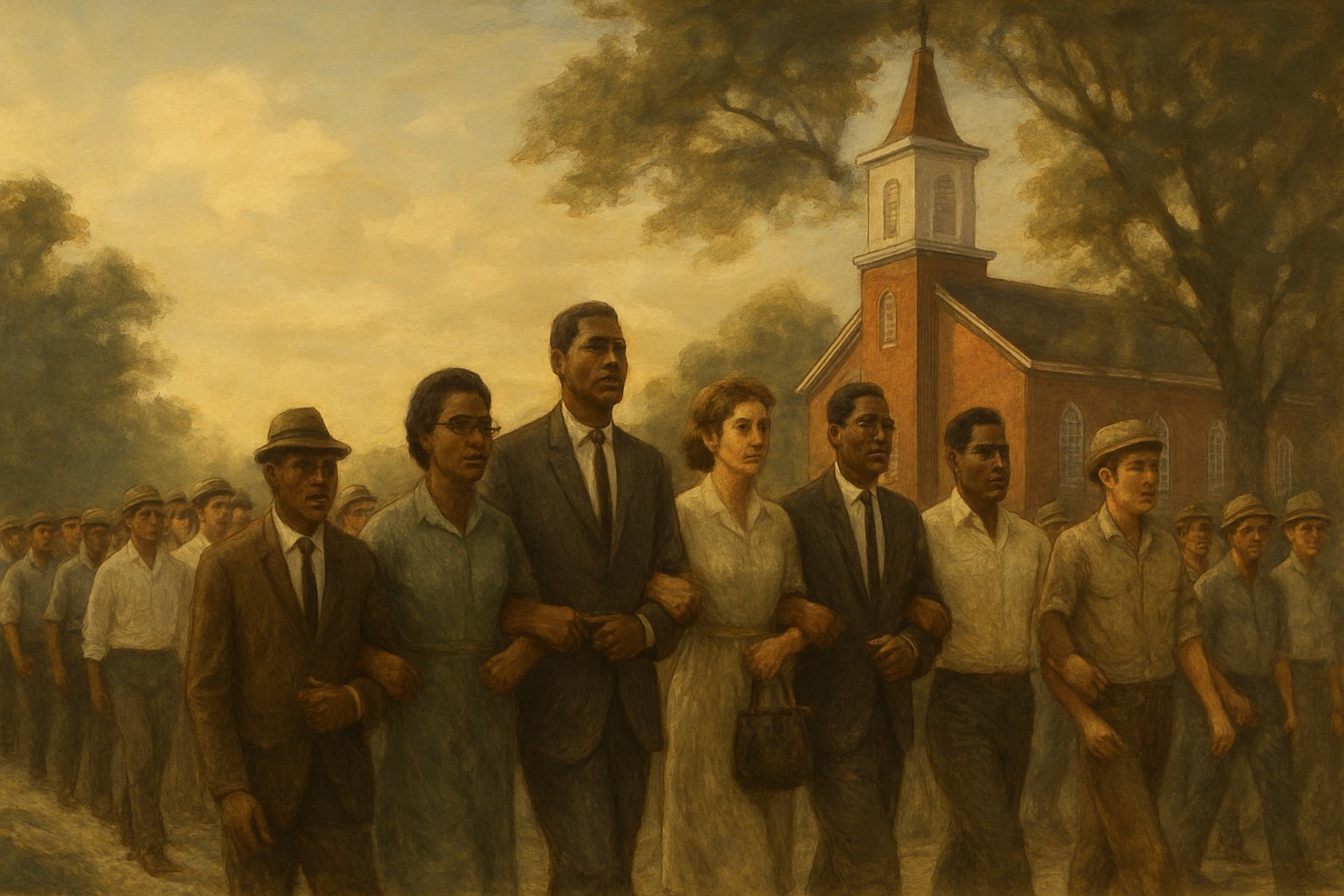
On December 1, 1955, Rosa Parks was arrested in Montgomery, Alabama, for refusing to give up her bus seat to a white passenger. Four days later, a 26-year-old Baptist minister named Martin Luther King Jr. stood before the first mass meeting of the Montgomery Bus Boycott and framed the protest not as rebellion but as the fulfillment of America's founding promise. He would spend the next 13 years making that argument — at marches, in jailhouses, before Congress — until an assassin's bullet ended his life in Memphis in April 1968.
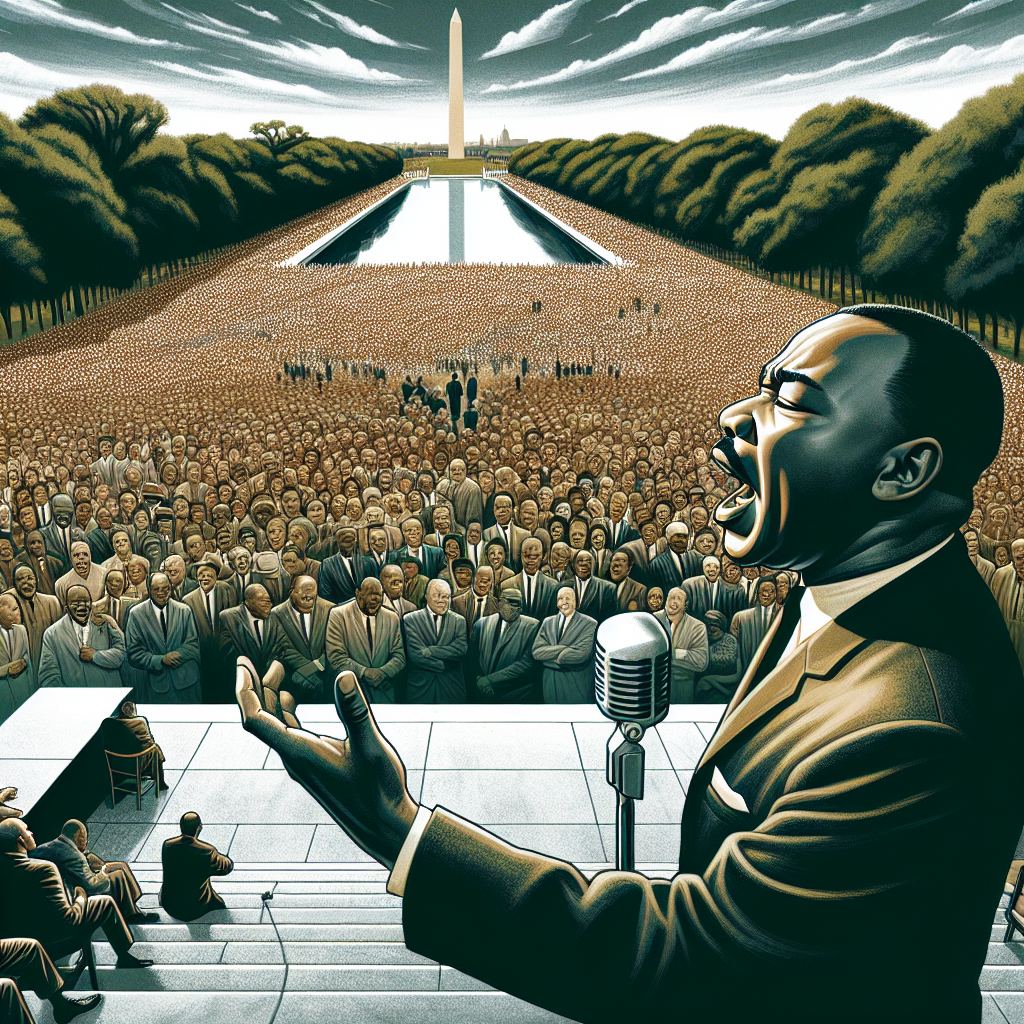
King's genius was strategic as much as oratorical. He and the Southern Christian Leadership Conference deliberately chose targets where local authorities could be counted on to overreact — Birmingham's Bull Connor turned fire hoses and police dogs on peaceful marchers in 1963, producing images that shocked the nation and built pressure for the Civil Rights Act. The March on Washington in August of that year drew 250,000 people and produced the "I Have a Dream" speech, but King always distinguished the visionary rhetoric from the unglamorous legislative work that gave it force.
The Nobel Peace Prize came in 1964, when King was 35. He spent his remaining years expanding his critique well beyond segregation — opposing the Vietnam War, organizing a Poor People's Campaign for economic justice, and insisting that civil rights without material equality was incomplete. These positions cost him white moderate support and made him the subject of near-constant FBI surveillance ordered by J. Edgar Hoover, who considered him the most dangerous man in America. He was 39 years old when he was killed.




| Born | January 15, 1929 — Atlanta, Georgia |
| Died | April 4, 1968 — Memphis, Tennessee |
| Education | Ph.D., Boston University, 1955 |
| Nobel Prize | 1964 — Nobel Peace Prize |
| Key Campaigns | Montgomery Bus Boycott; Birmingham; March on Washington; Selma to Montgomery |
| Assassinated by | James Earl Ray |
| Date | January 15, 1929 – April 4, 1968 |
| Location | Atlanta, Georgia |