William Penn
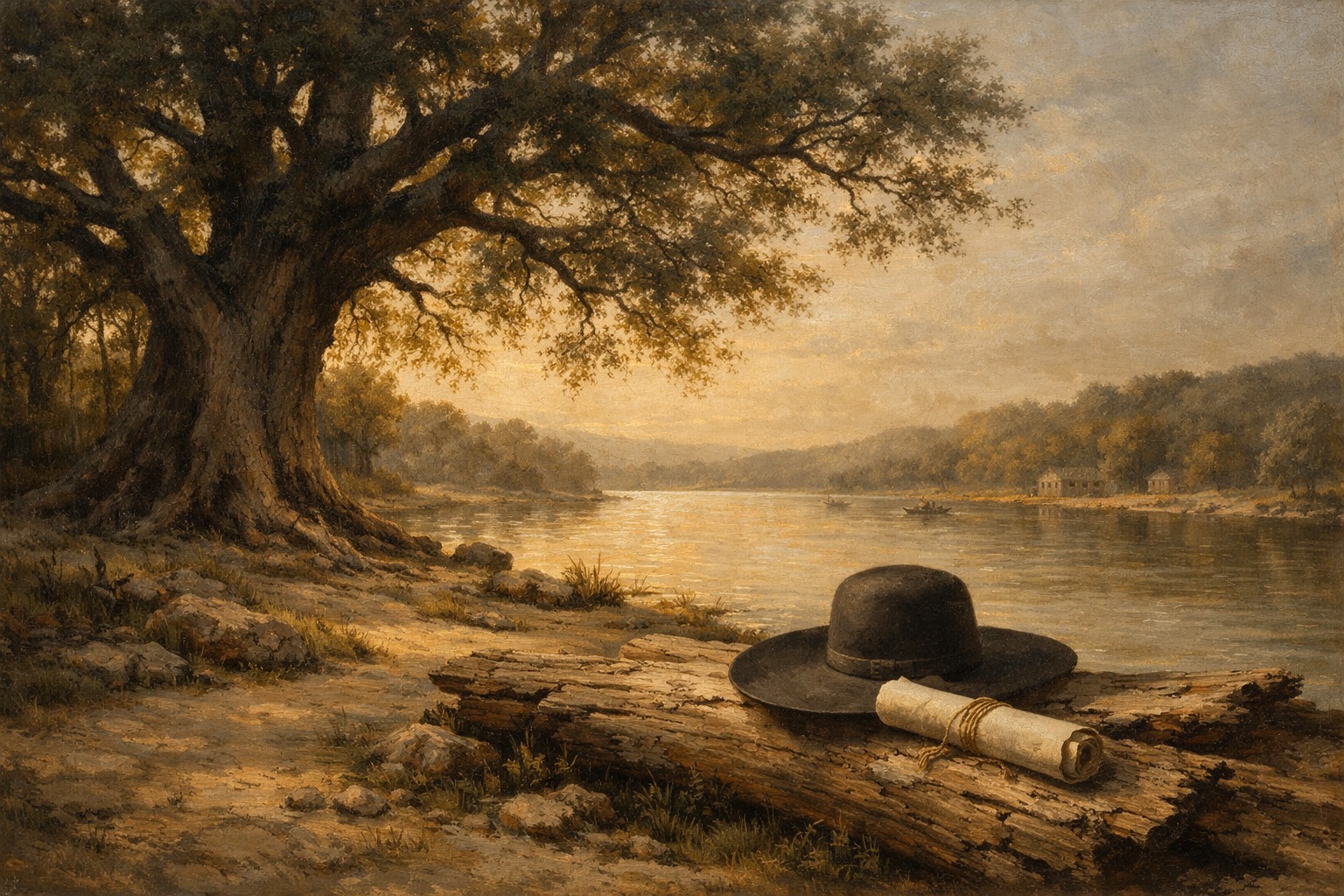
William Penn was the son of an English admiral and a member of the gentry, and he chose in his early twenties to join the Society of Friends, the Quakers, a radical sect that refused to swear oaths, doff hats to superiors, or pay tithes to the Church of England. He was expelled from Oxford, jailed several times, and in the Tower of London wrote a defense of his faith titled No Cross, No Crown. In 1670 he and another Quaker were tried for preaching in the street, and the jury refused to convict them even when the judge locked them up without food. The case helped establish the independence of English juries.
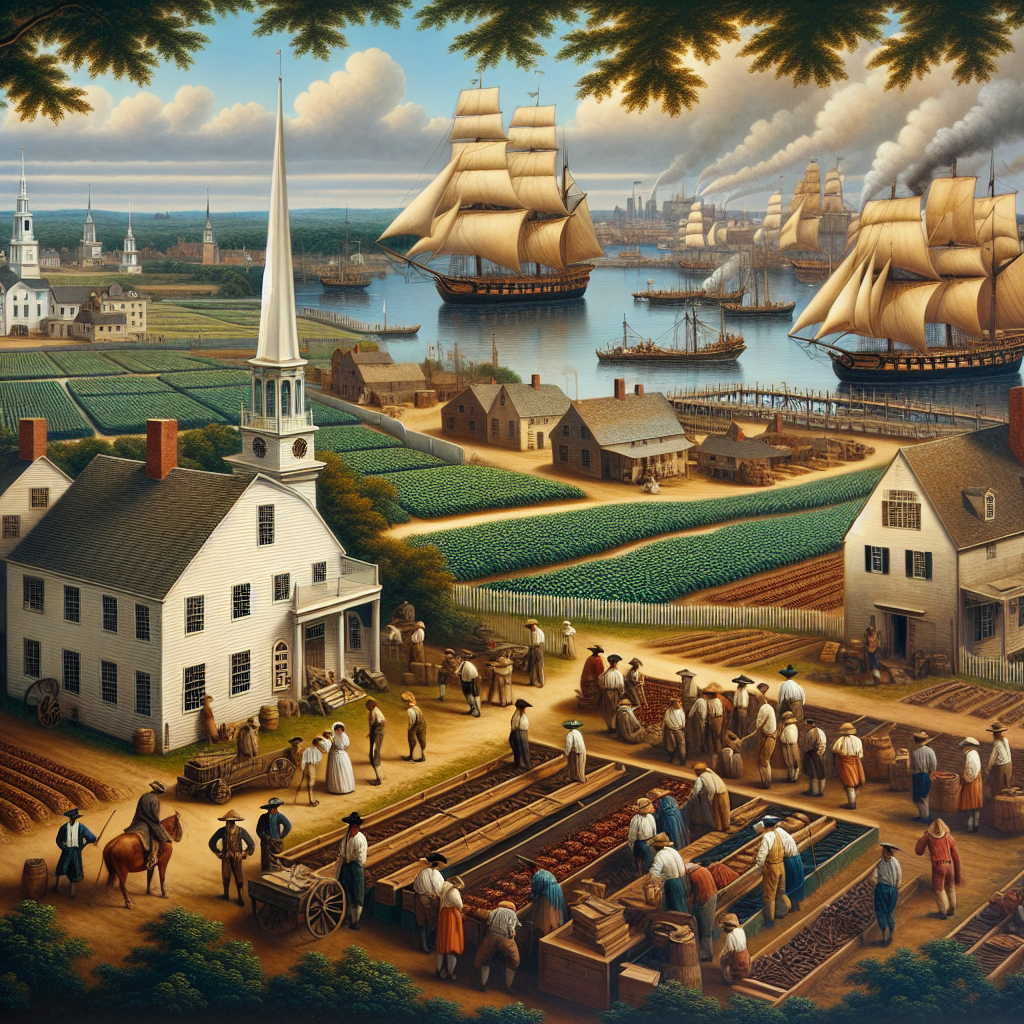
The Crown owed Penn's late father some sixteen thousand pounds. In 1681 Charles II settled the debt by granting Penn a vast tract west of the Delaware River and naming it Pennsylvania, Penn's woods, after the admiral. Penn called his colony a holy experiment. His Frame of Government guaranteed liberty of conscience to everyone who believed in God, and the colony became a refuge for Quakers, German Pietists, Mennonites, and others persecuted in Europe.
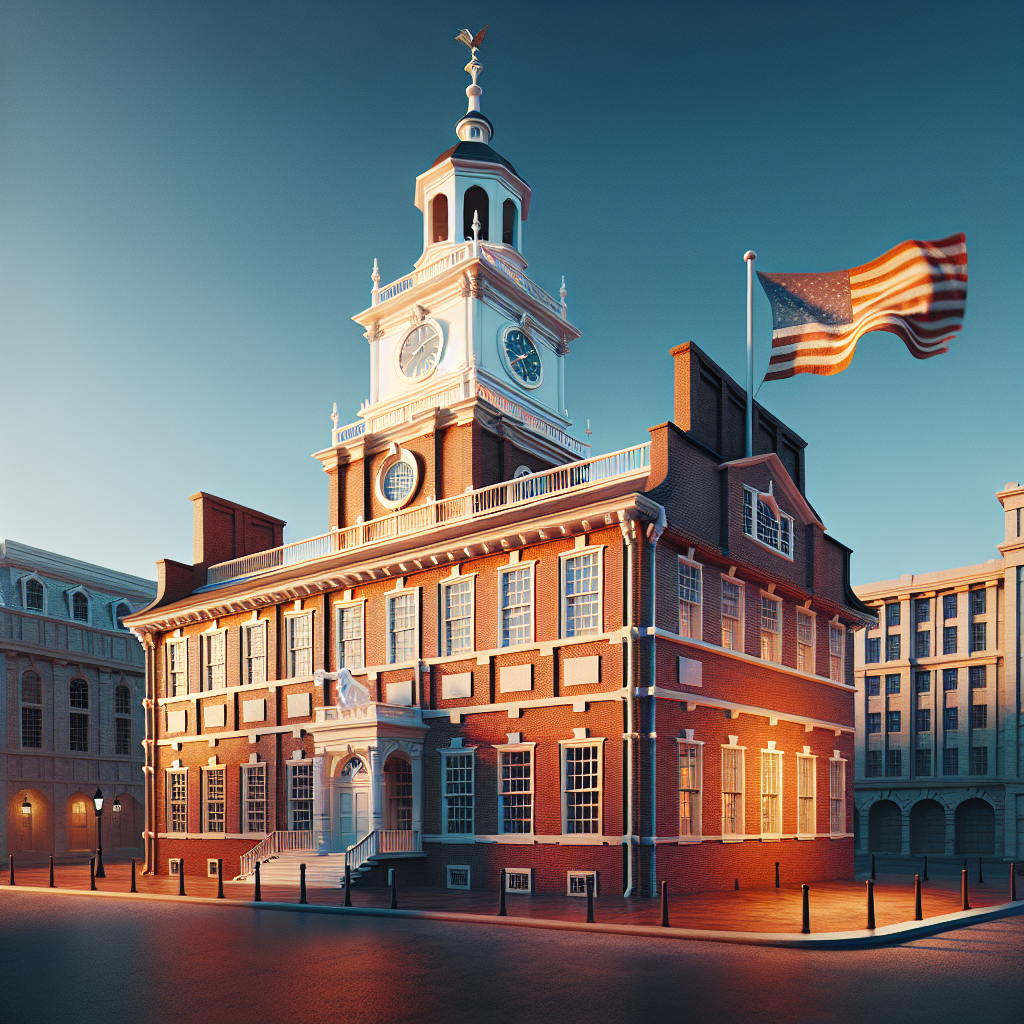
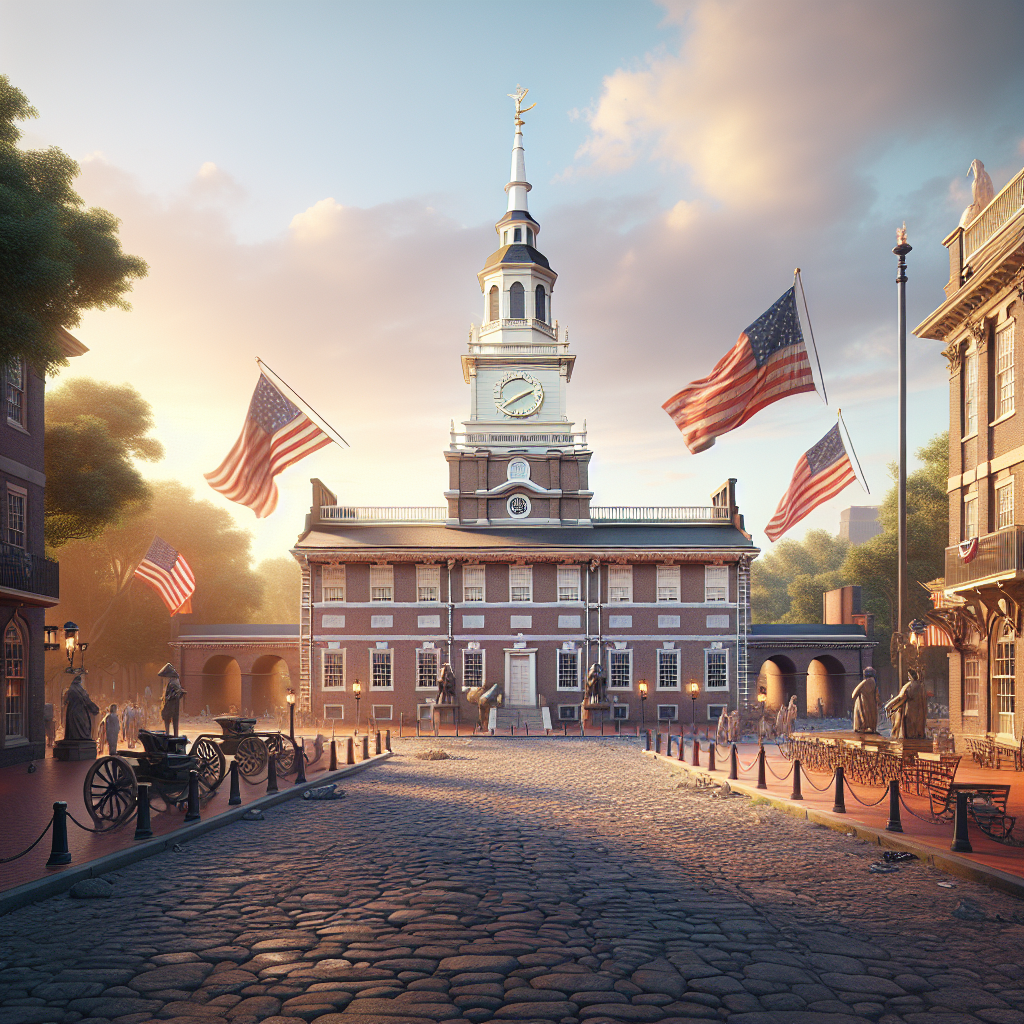
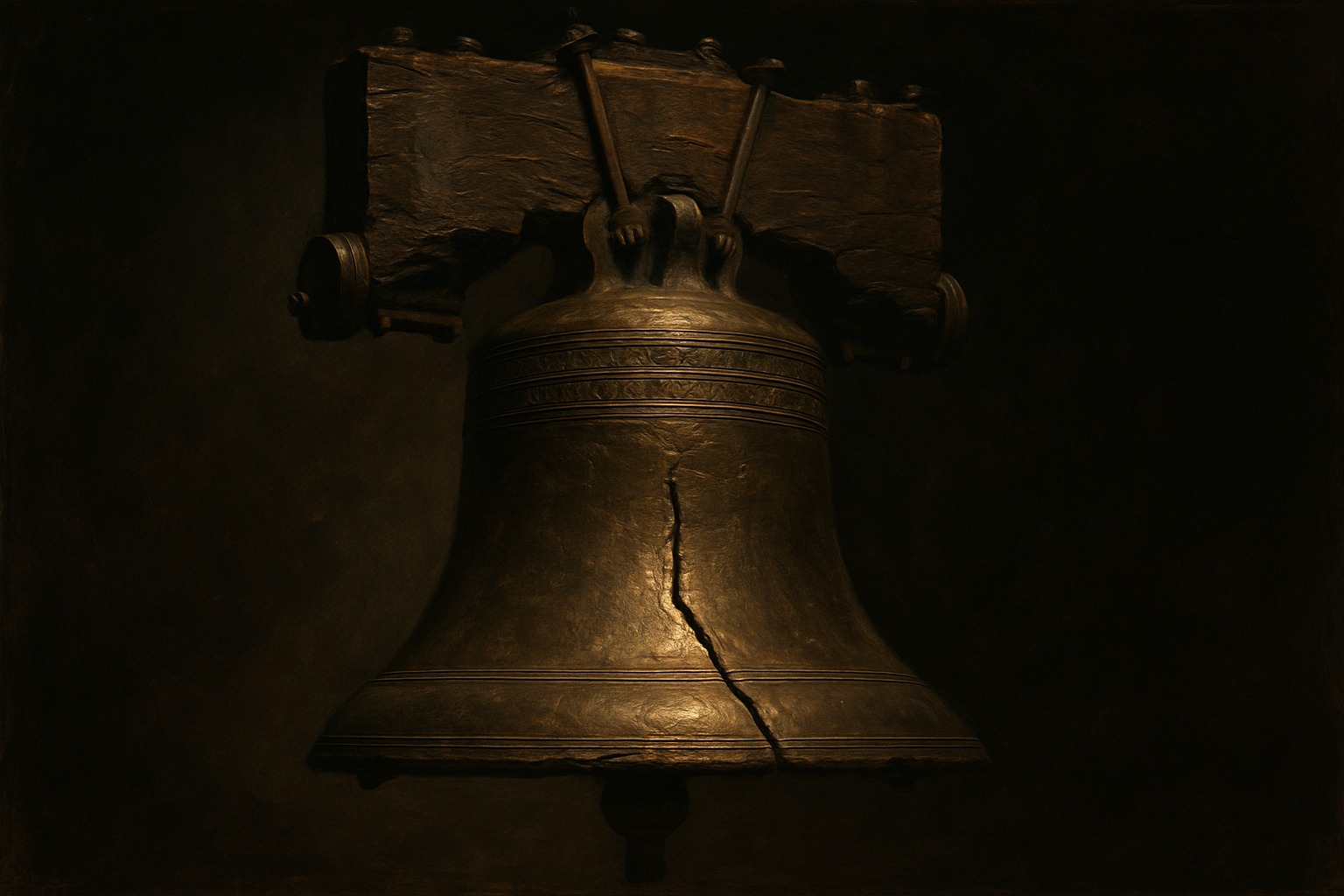
He laid out Philadelphia, the city of brotherly love, on a grid with public squares, and he made a point of buying land from the Lenape rather than simply seizing it. The famous treaty under the elm at Shackamaxon may be more legend than record, but Pennsylvania's early relations with its Native neighbors were notably more peaceful than those of most colonies. In 1701 he issued the Charter of Privileges, whose fiftieth anniversary the Pennsylvania Assembly marked by ordering a bell, later called the Liberty Bell.
Penn spent only about four years in his colony. He was also an enslaver, and Quakers in Germantown issued the first organized protest against slavery in the colonies in 1688, years before Friends as a body turned against the practice. His later life was a run of reversals — a dishonest steward left him in debtors' prison, colonists resisted his authority, and a stroke ended his work. He died in England in 1718. His guarantee of religious freedom became a model for the First Amendment.
| Faith | Society of Friends (Quakers) |
| Charter | Granted Pennsylvania by Charles II, 1681 |
| Called it | A holy experiment |
| City | Founded Philadelphia, 1682 |
| Charter of Privileges | 1701 |
| Died | England, 1718 |
| Date | 1644–1718 |
| Location | Philadelphia, Pennsylvania |