The Salvation Army
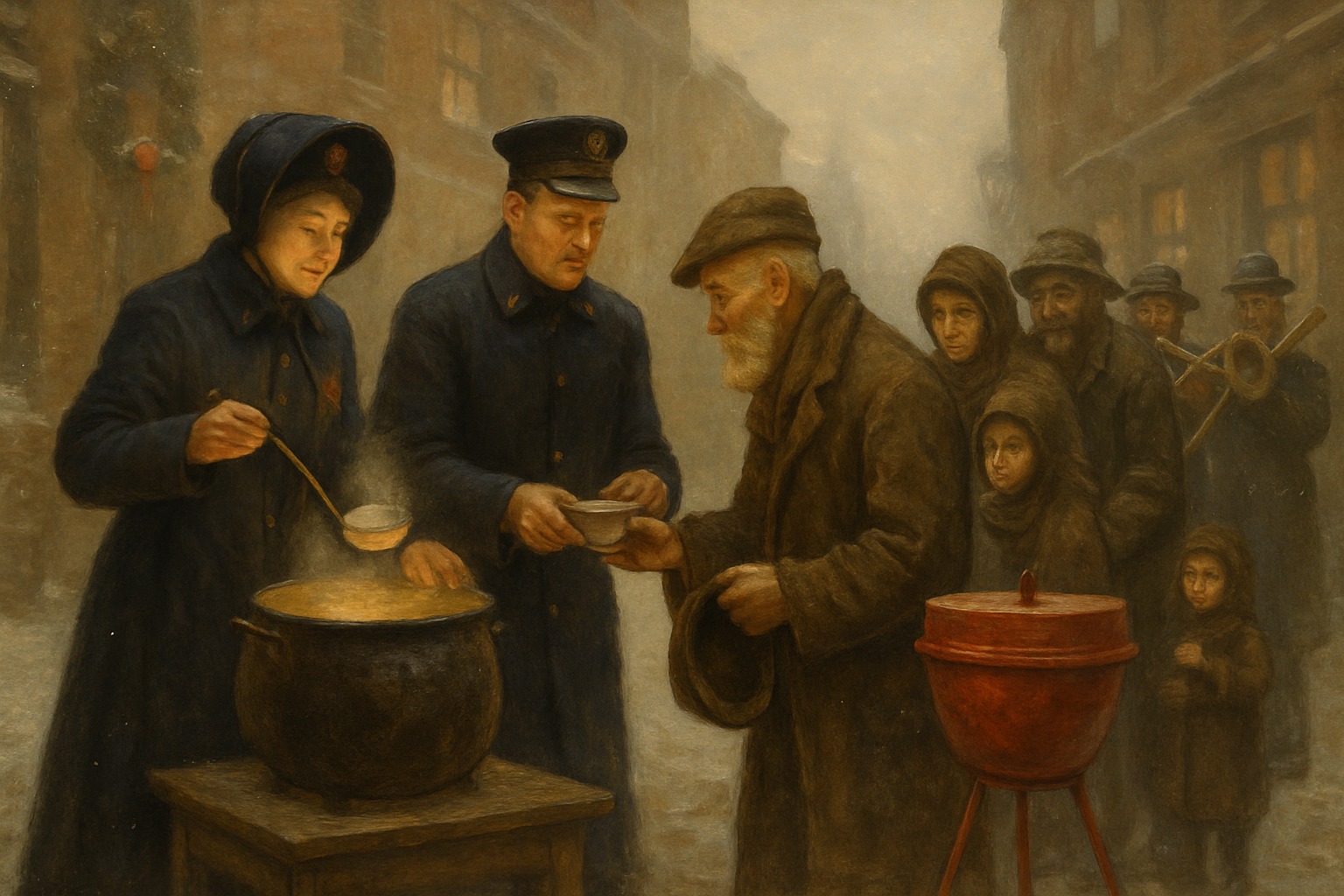
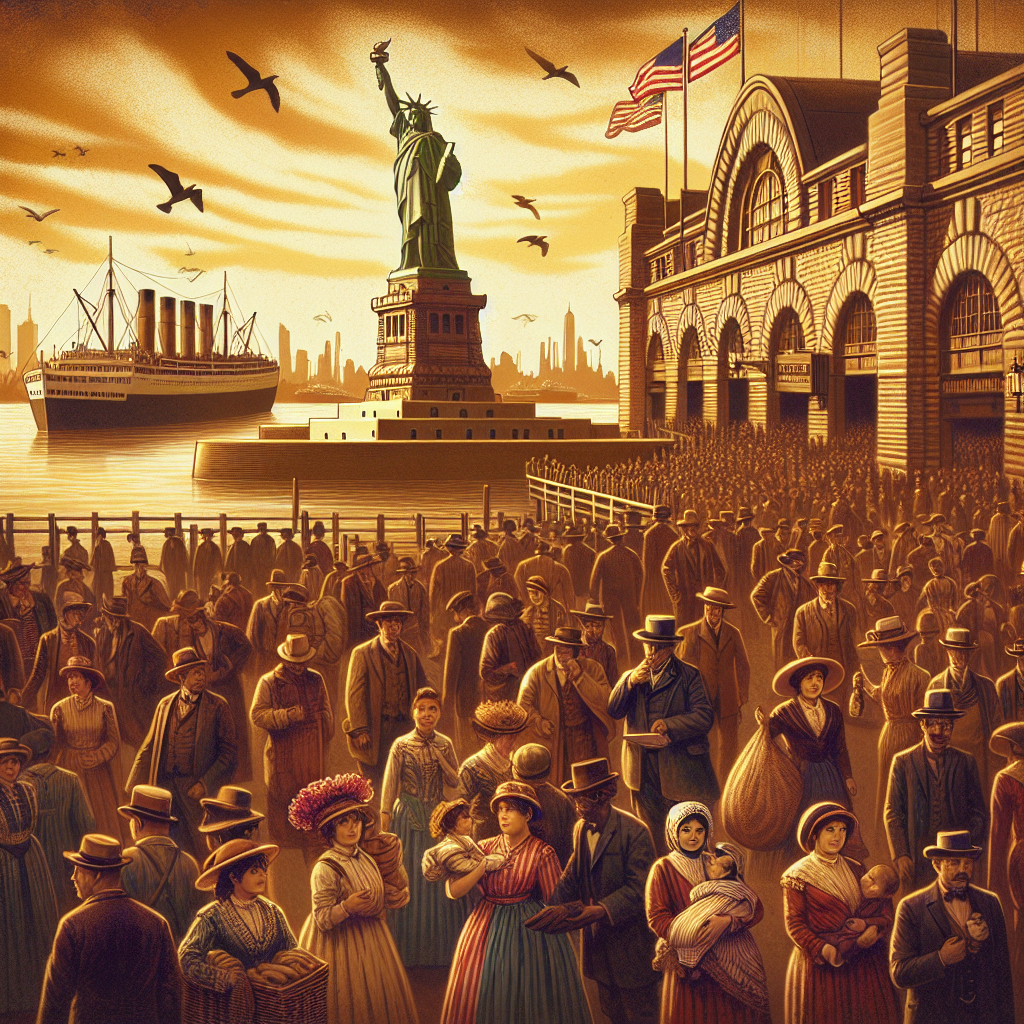
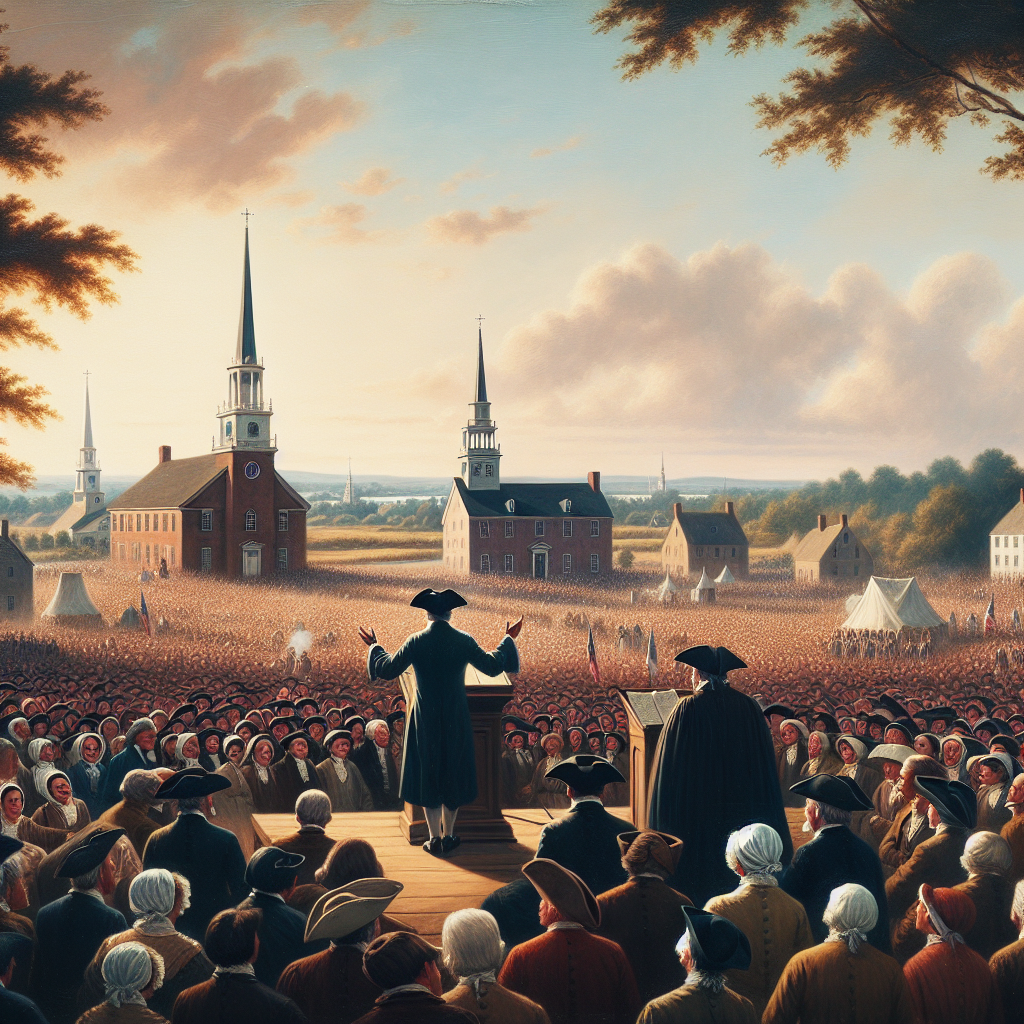
The Salvation Army arrived in the United States in 1880, an import from the slums of Victorian London, where the Methodist preacher William Booth had founded it in 1865 to carry the gospel and a hot meal to the poorest of the poor. Organized like an army, with uniforms, ranks, and brass bands to draw a crowd, it set out to wage war on poverty and sin at once, meeting the destitute on the street rather than waiting for them in church.
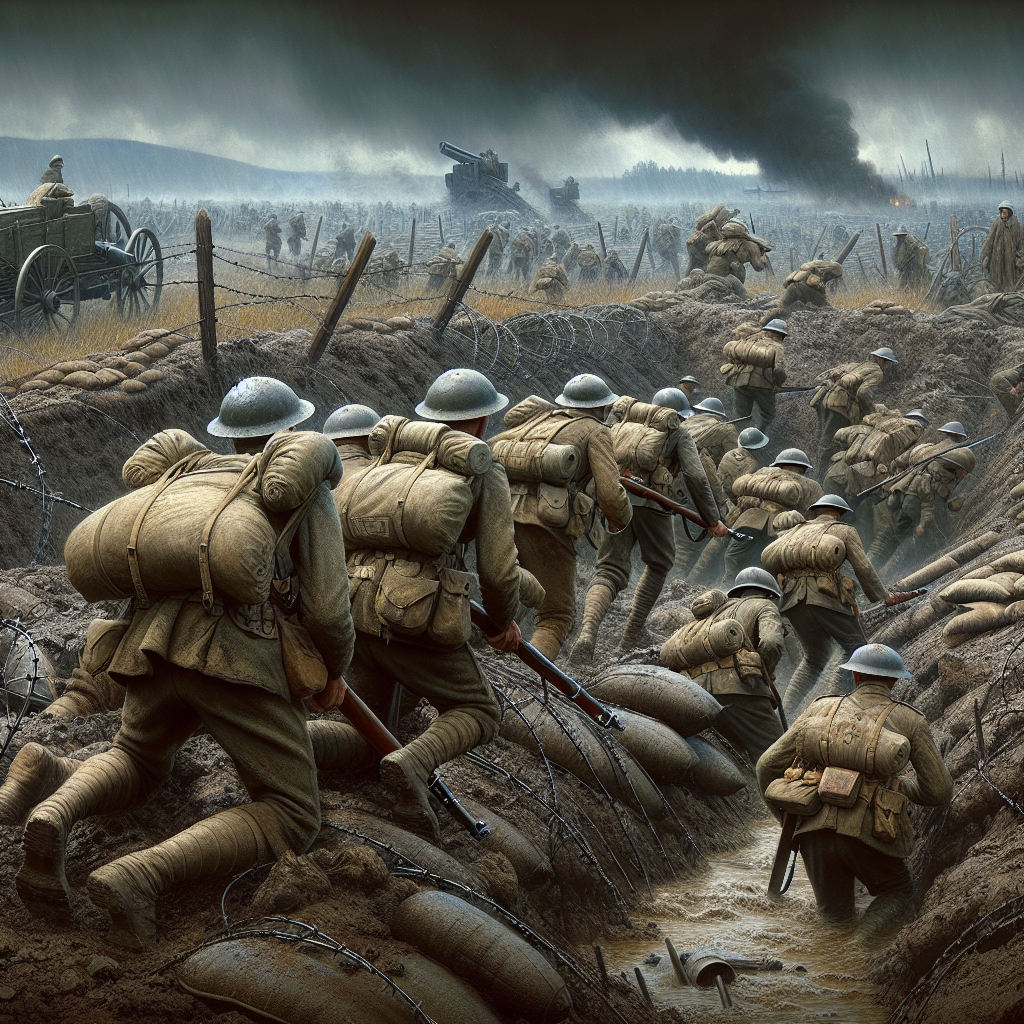
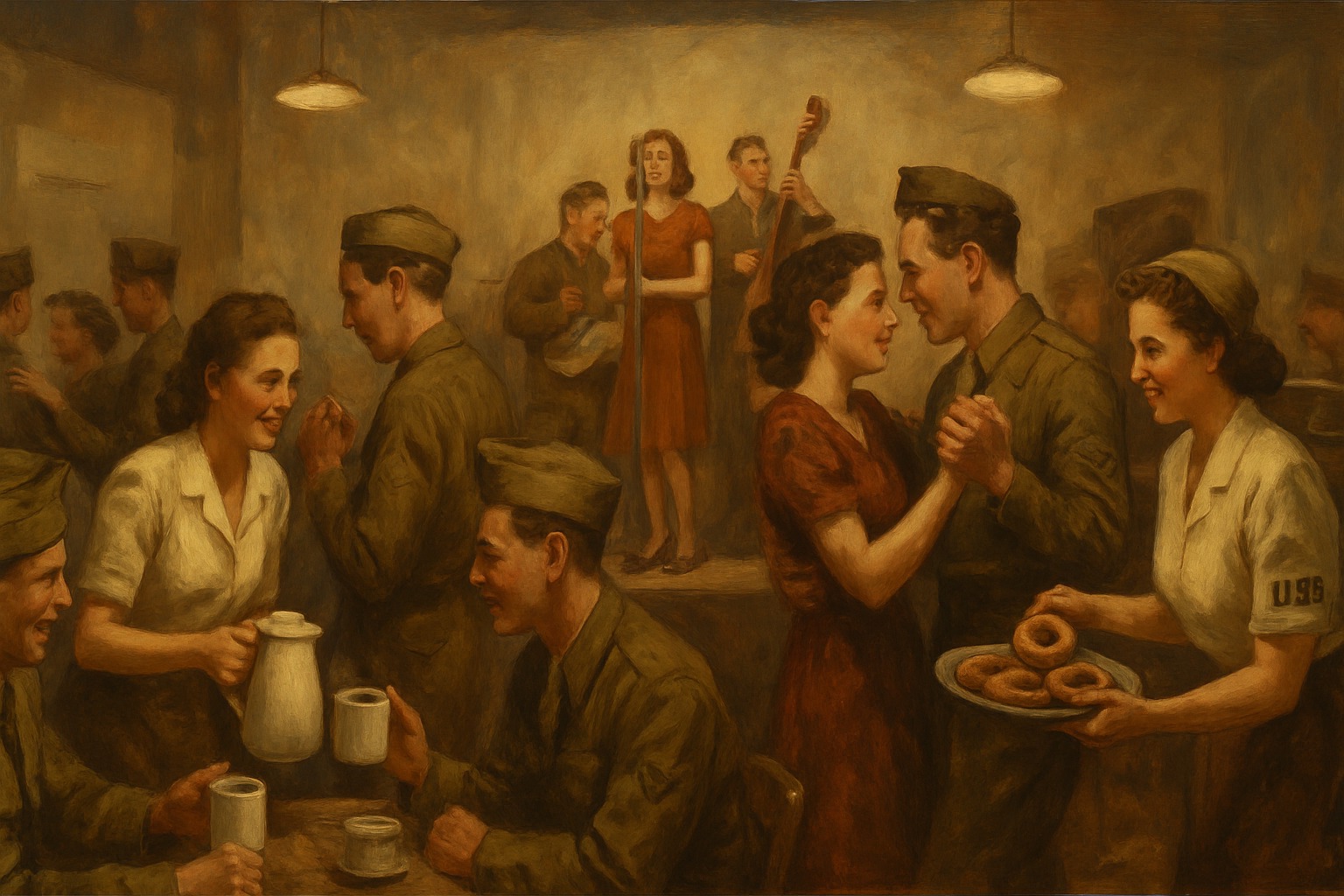
Its combination of preaching and practical charity proved enduring. The Salvation Army built soup kitchens, homeless shelters, and rescue homes, and it became one of the first organizations to rush aid to the scene of disasters. Its officers served alongside soldiers in wartime — the doughnuts that Salvation Army volunteers fried for troops in the trenches of the First World War became a small legend — and its bell-ringers and red kettles turned into a fixture of the American Christmas.
The organization grew into one of the largest charitable operations in the country, sheltering the homeless, feeding the hungry, and running thrift stores and rehabilitation programs. Its evangelical roots occasionally put it at odds with modern social currents, drawing criticism over some of its positions, but its scale and its willingness to serve the most desperate kept it a fixture of American charity for well over a century.
The Salvation Army embodies a distinctively American tradition of faith-based social service, blending religious mission with organized relief on a national scale. From the red kettle at the department-store door to the shelter cot and the disaster-relief truck, it turned Booth's Victorian crusade into one of the most recognizable charities in the United States.


| Founded | 1865 (Britain); U.S. since 1880 |
| Founder | William Booth |
| Structure | Quasi-military — ranks and uniforms |
| Work | Shelters, soup kitchens, disaster relief |
| Icon | The Christmas red kettle |
| Date | In America since 1880 |
| Location | New York City |