The American Empire: How the United States Acquired an Overseas Domain
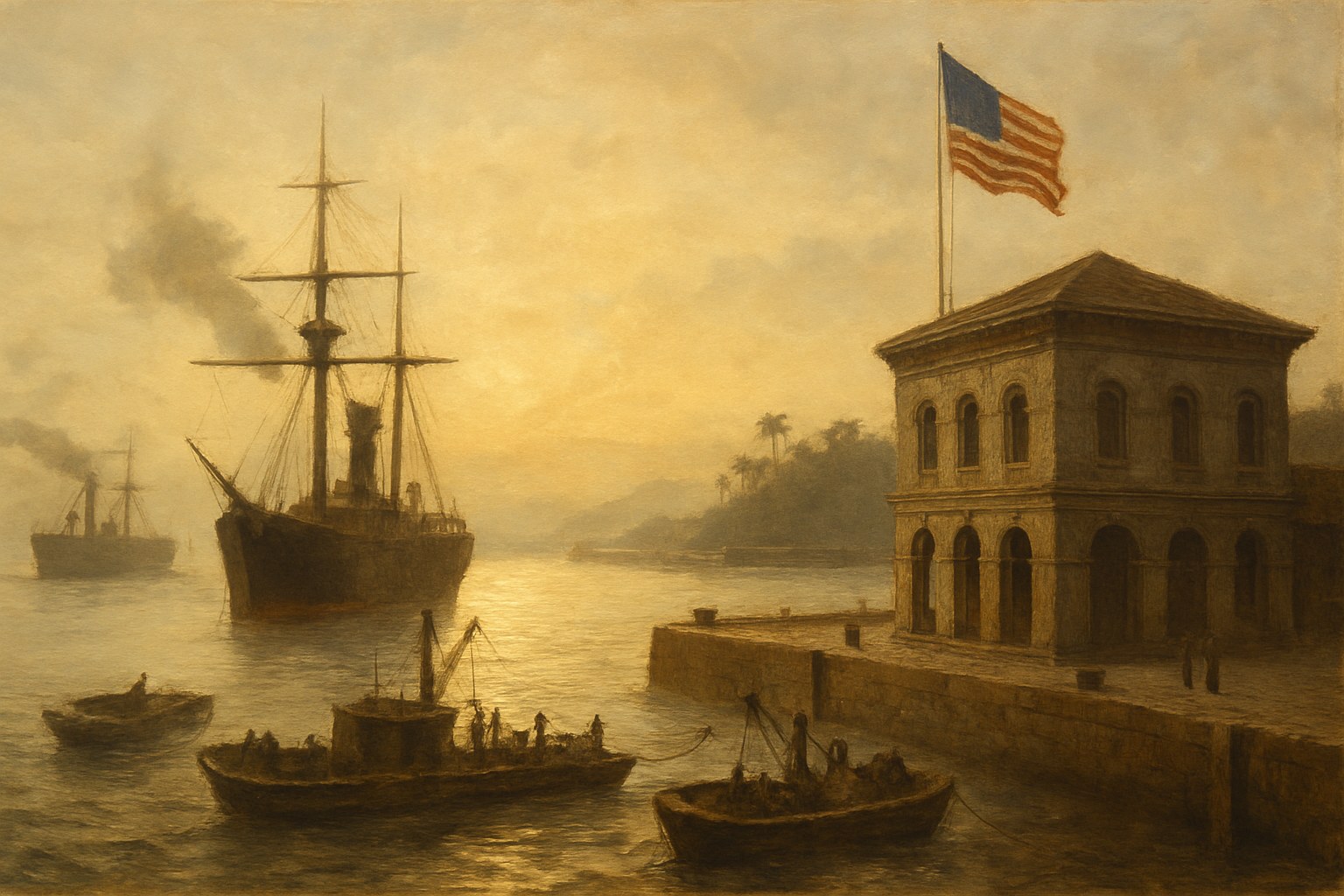
In the spring of 1898 the United States owned no populated territory outside North America. By the end of 1899 it held the Philippines, Puerto Rico, Guam, Hawaii, and the eastern Samoan islands, governed some ten million people who had no vote in Congress, and had begun a war in Luzon that cost more American lives than the war against Spain. The change took about eighteen months, and the country never entirely agreed that it had meant to make it.
This guide follows the acquisition in order: the arguments and appetites that made 1898 possible, the short war and the treaty that carried the islands into American hands, the long and violent business of holding the Philippines, the smaller territories that are still American today, the Supreme Court decisions that decided how much of the Constitution went with the flag, and the campaign of Americans who thought the whole enterprise was a mistake.
Overseas expansion was not a sudden idea. Americans had been buying and annexing land for a century, and by the 1890s the arguments for continuing had shifted from farmland to coaling stations, markets, and naval strategy. A closed frontier, a depression, a big new steel navy, and a mass press hungry for a war all pointed the same direction.
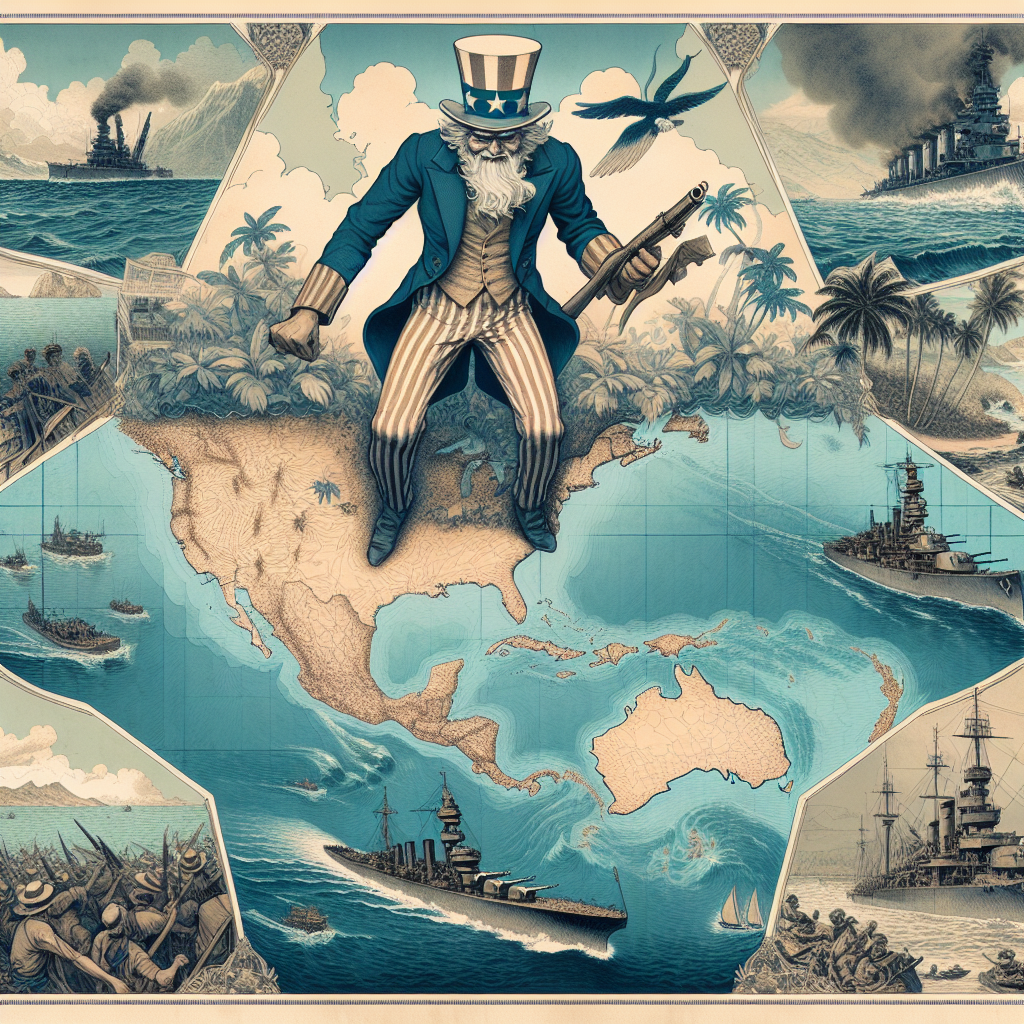

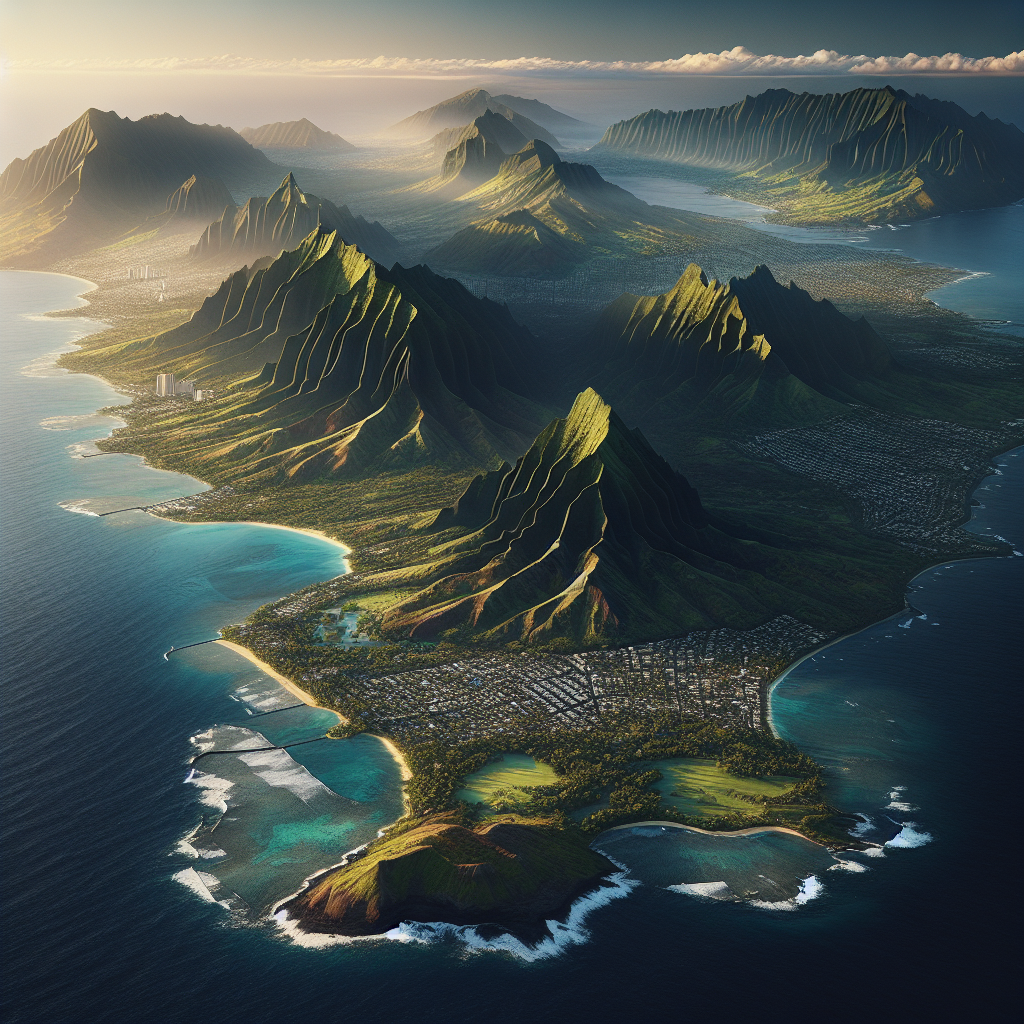
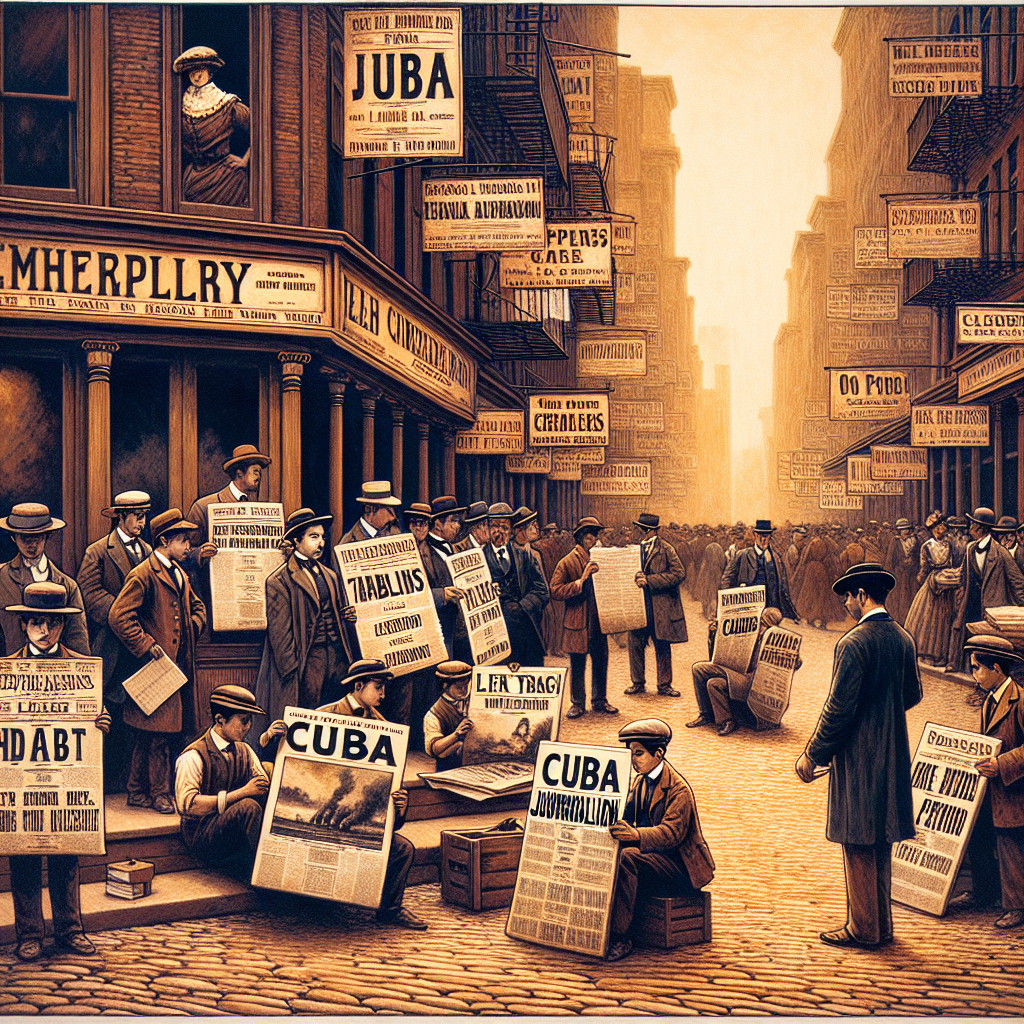
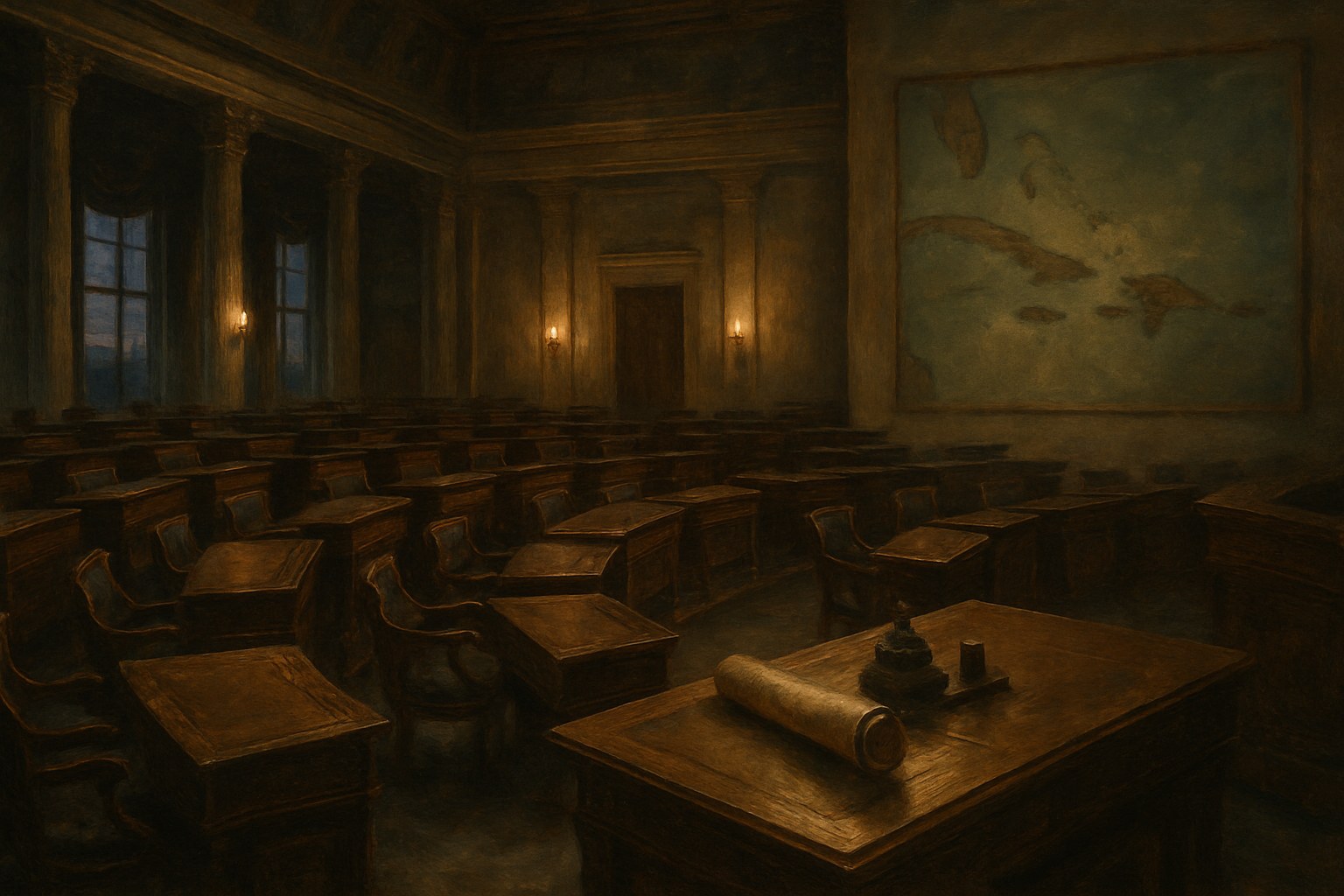
The war with Spain lasted ten weeks and killed more Americans by disease than by fire. What mattered was the settlement. Congress had promised not to annex Cuba and kept that promise in the letter, while the peace treaty carried Puerto Rico, Guam, and the Philippines into American hands and passed the Senate by a single vote.
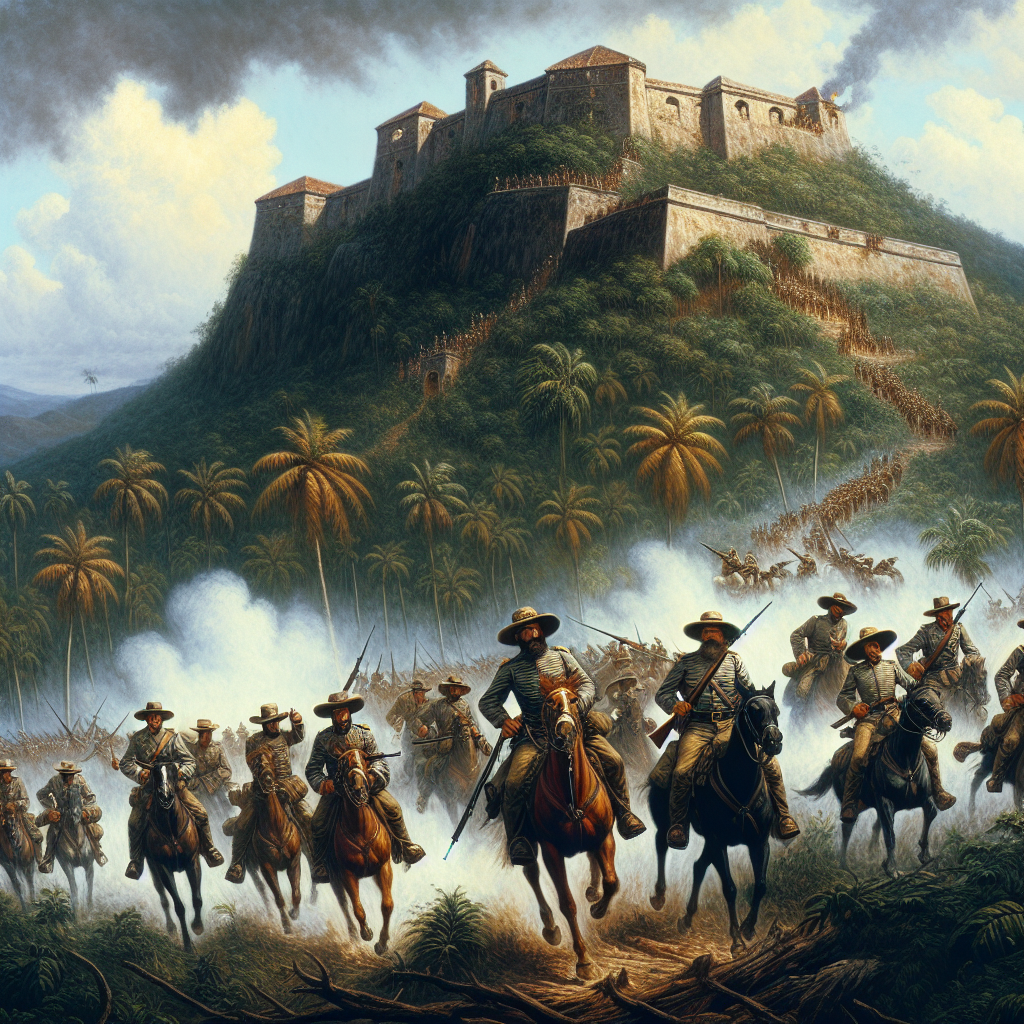
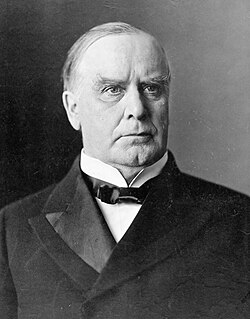
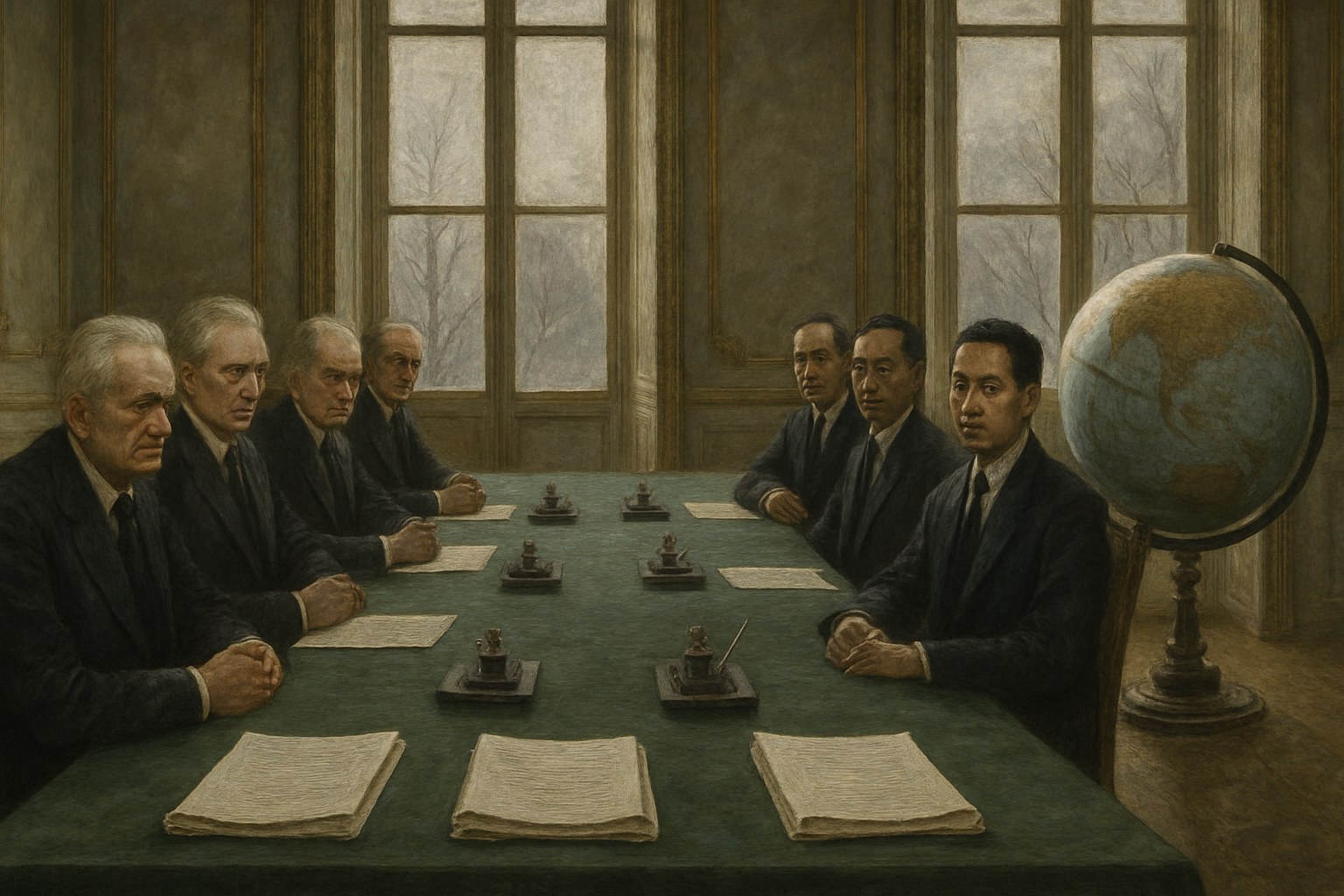
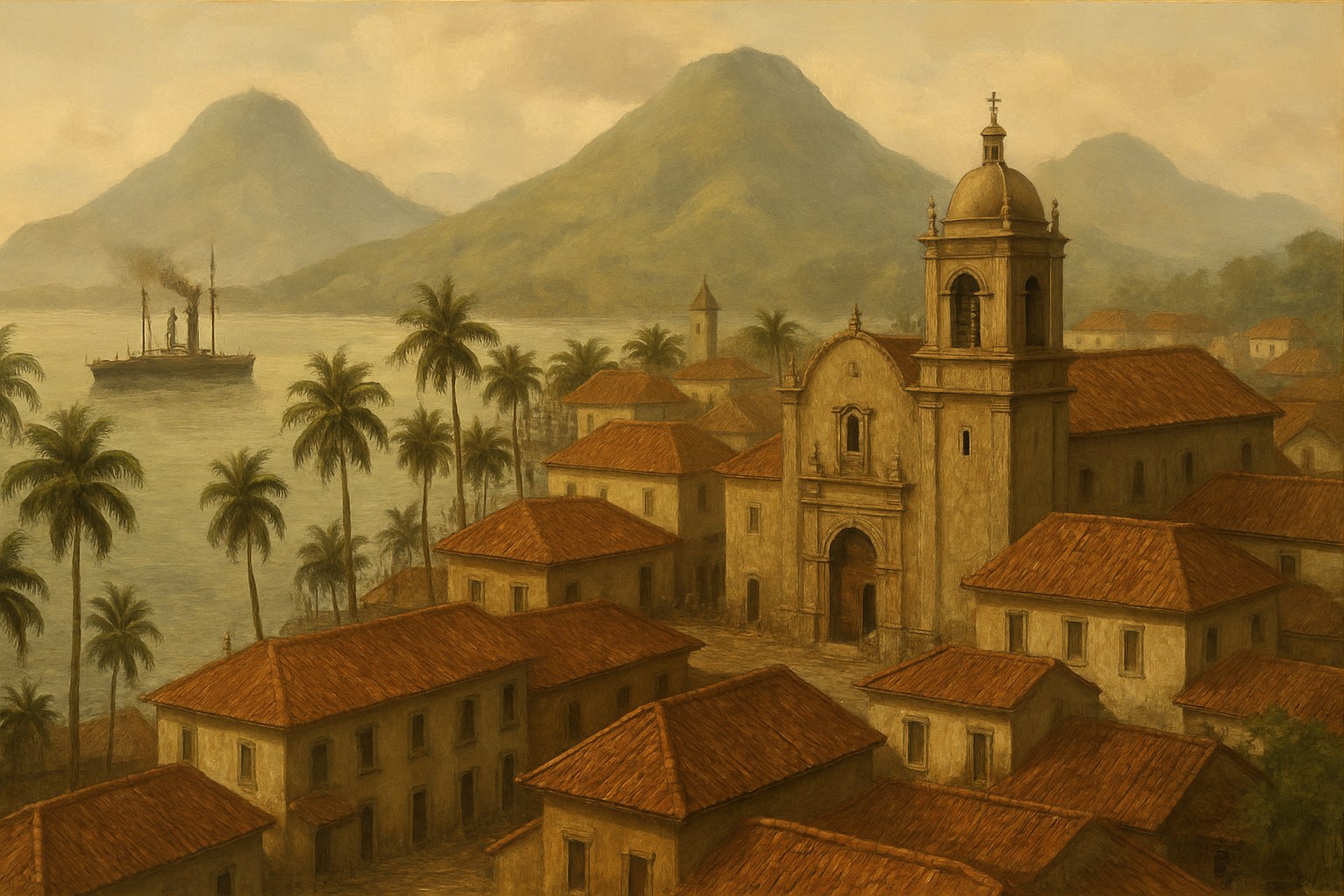
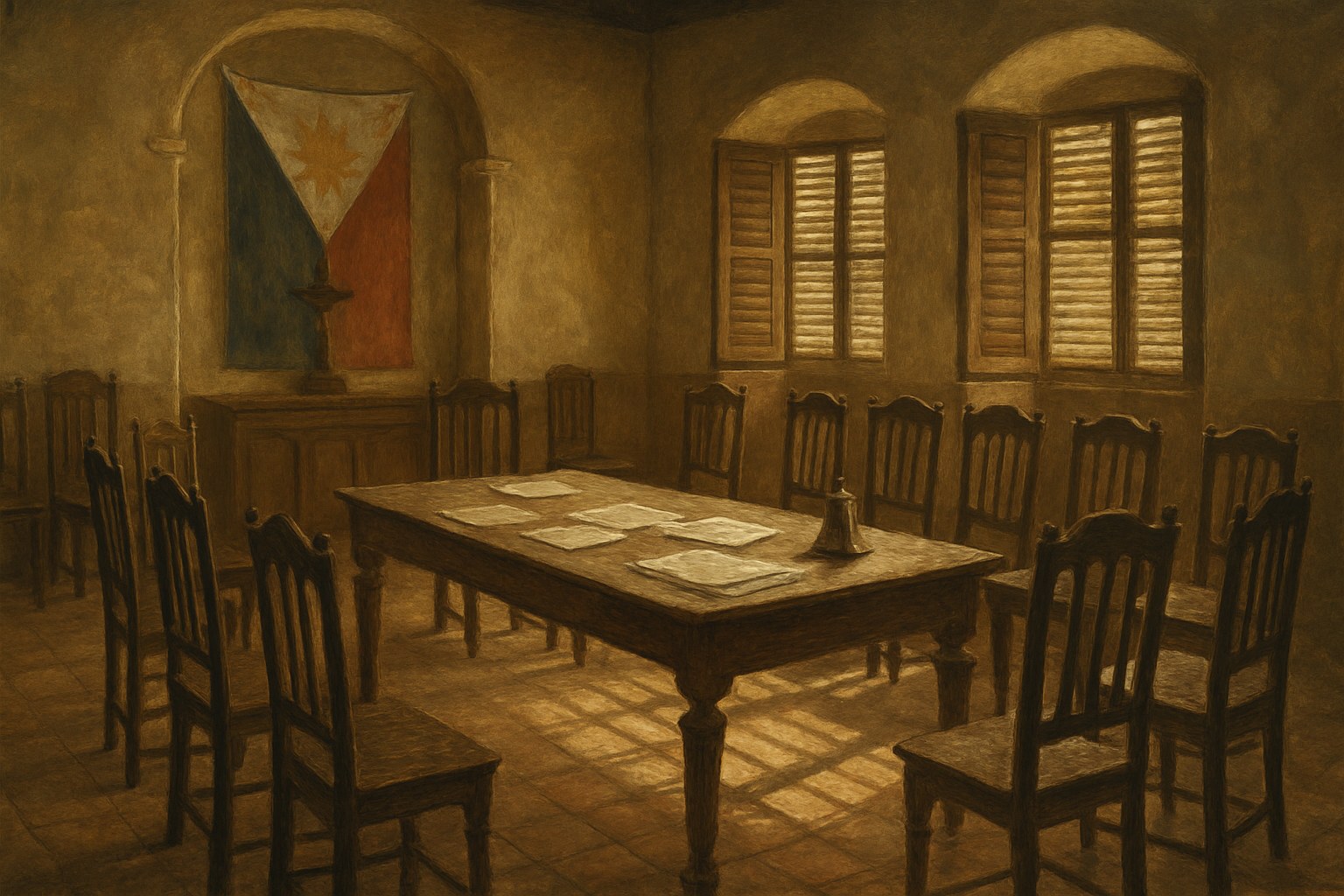
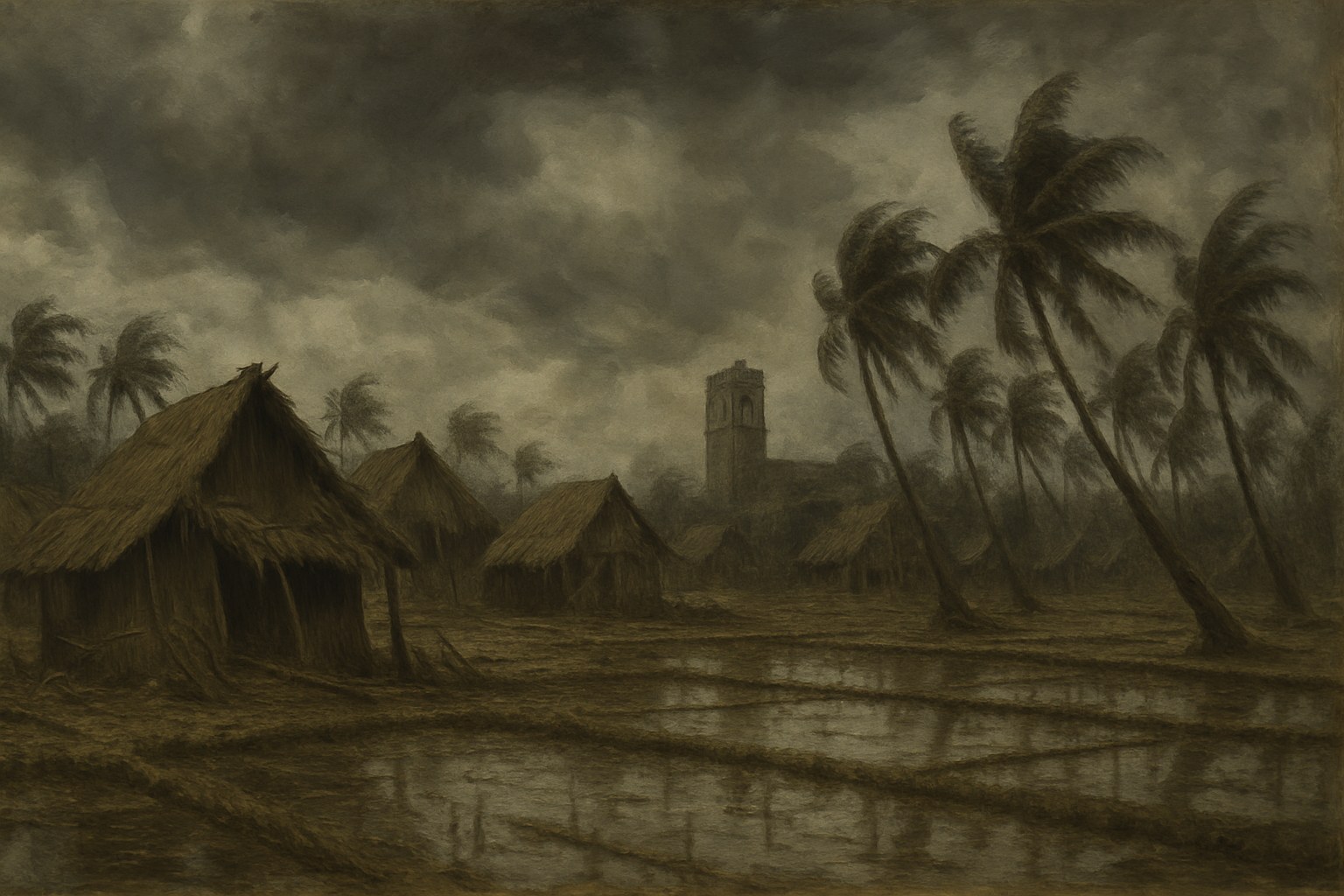
The Philippines was the largest thing the United States ever took and the only colony it ever governed as such and then relinquished. Filipinos had declared their own republic before the treaty was signed, and the war that followed was longer, deadlier, and far less remembered than the one against Spain.
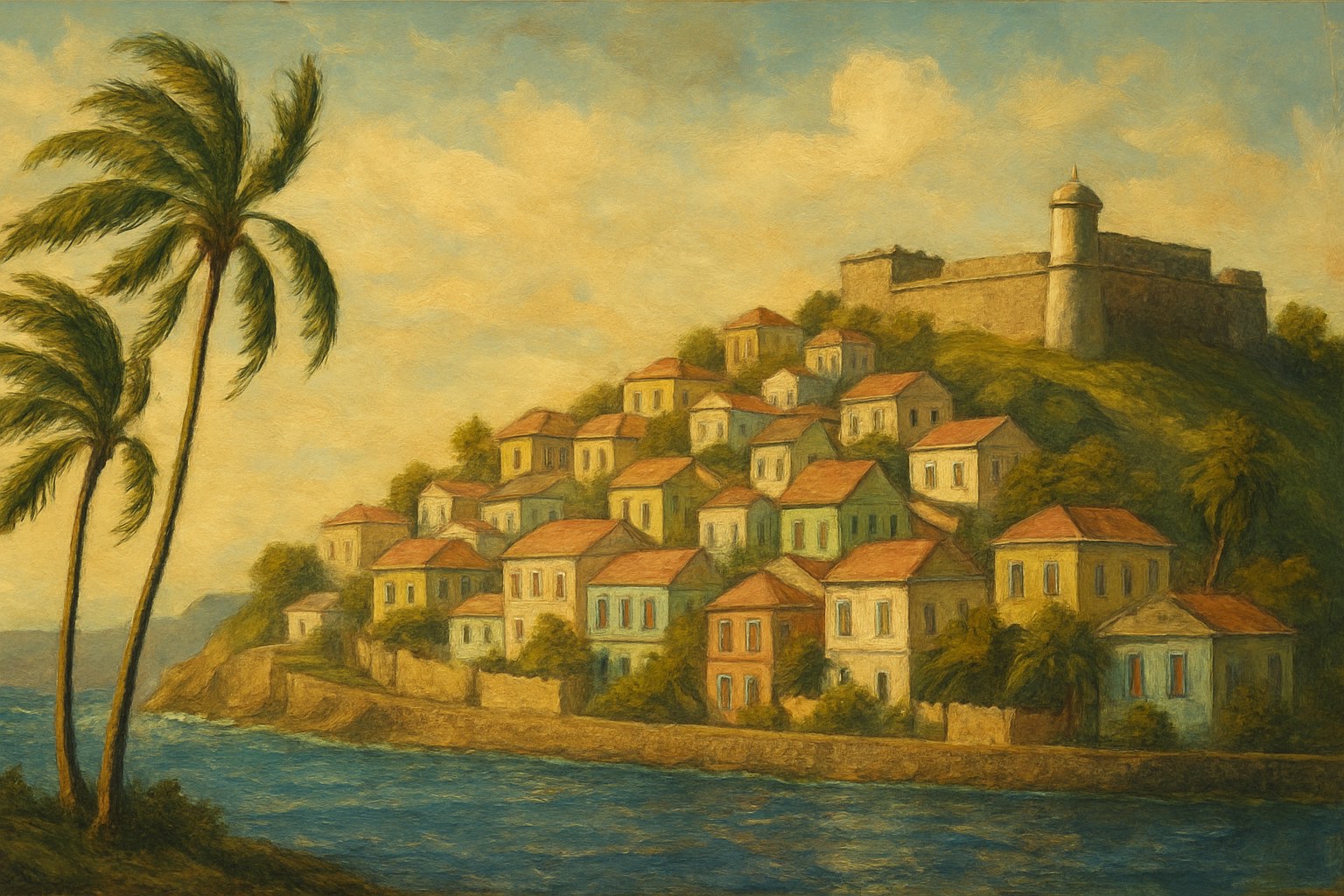
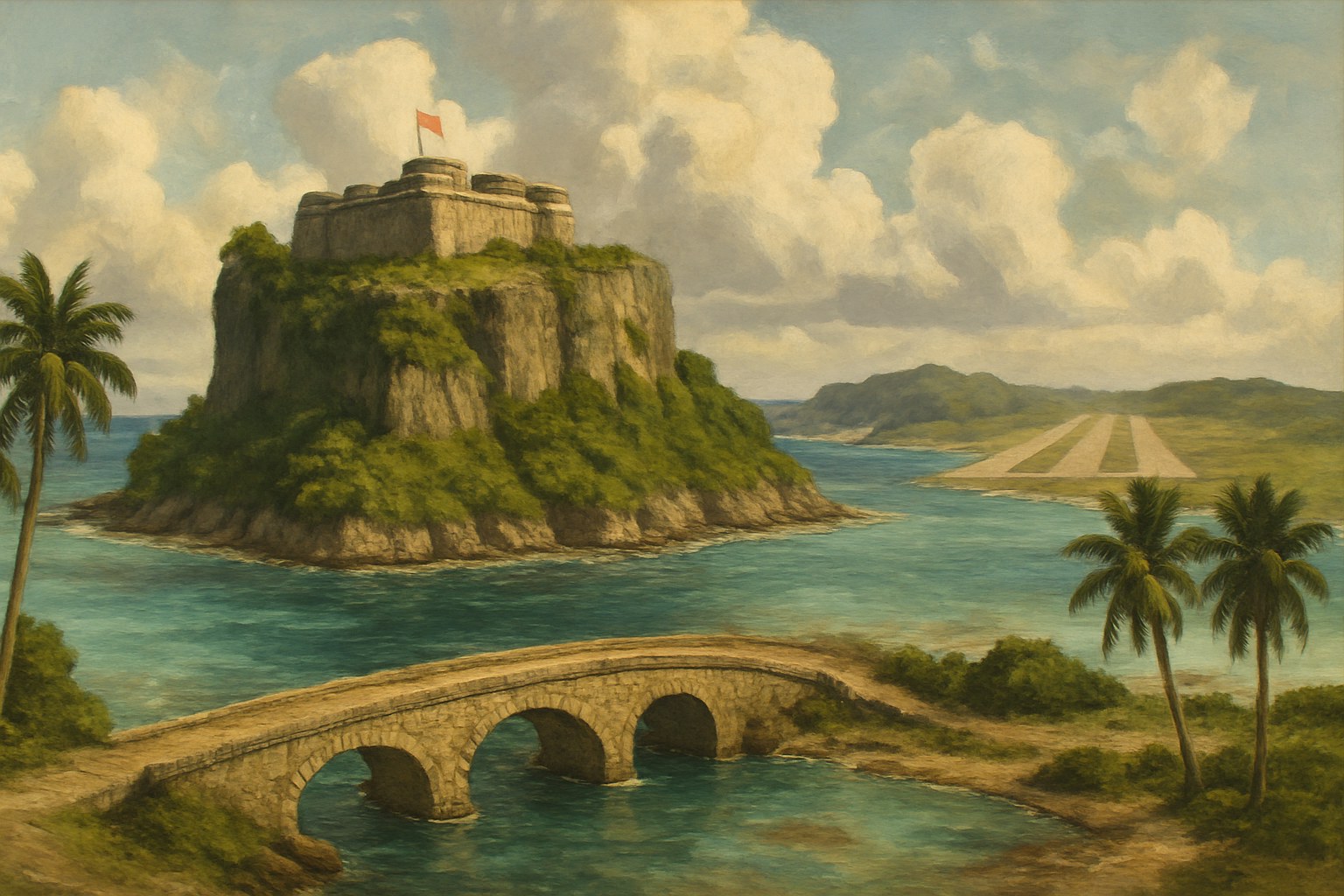
Four of the acquisitions are still American. Puerto Rico, Guam, American Samoa, and the Virgin Islands together hold more than three million people who are citizens or nationals, pay into federal programs, serve in the armed forces at high rates, and vote for no one in the Electoral College.
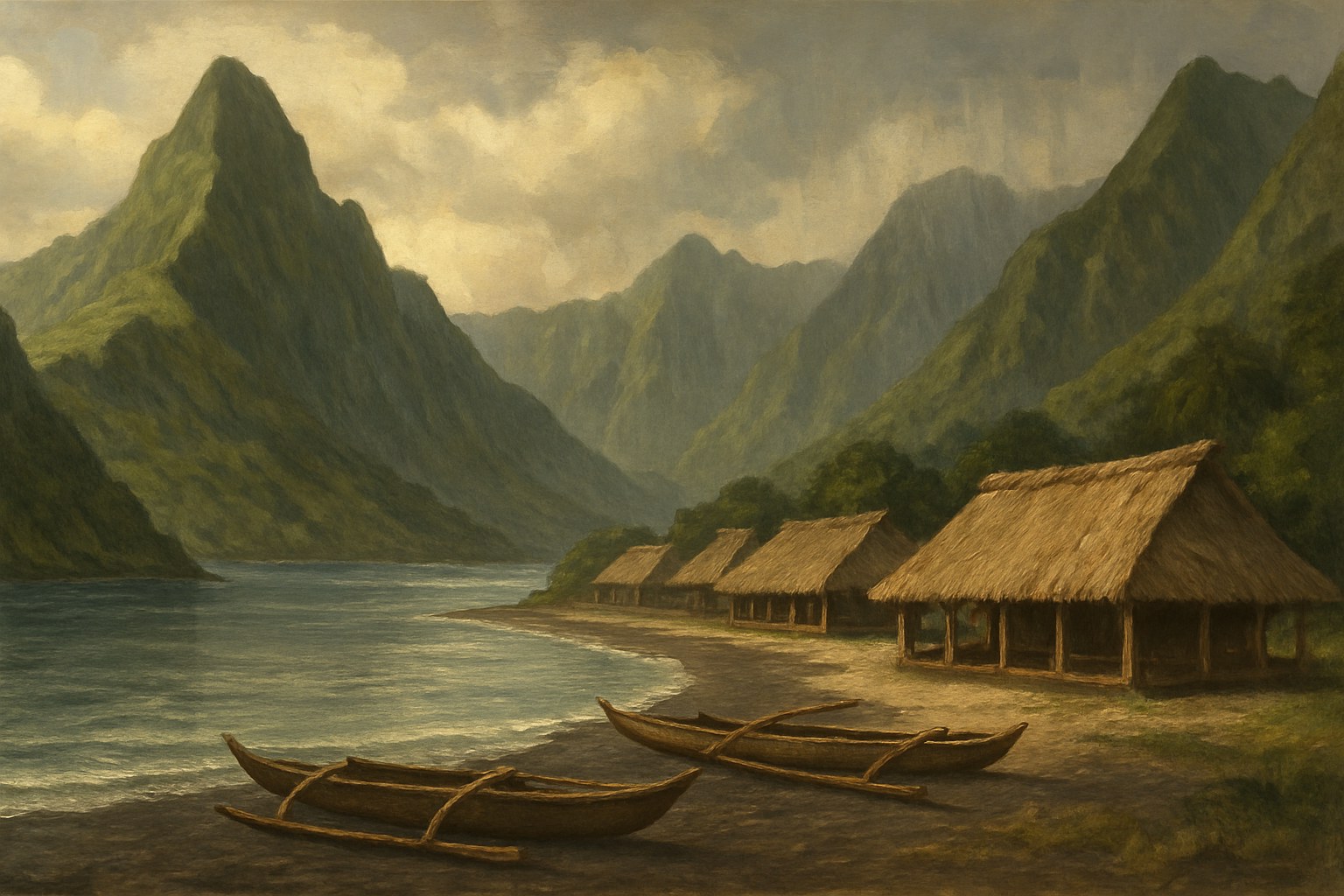
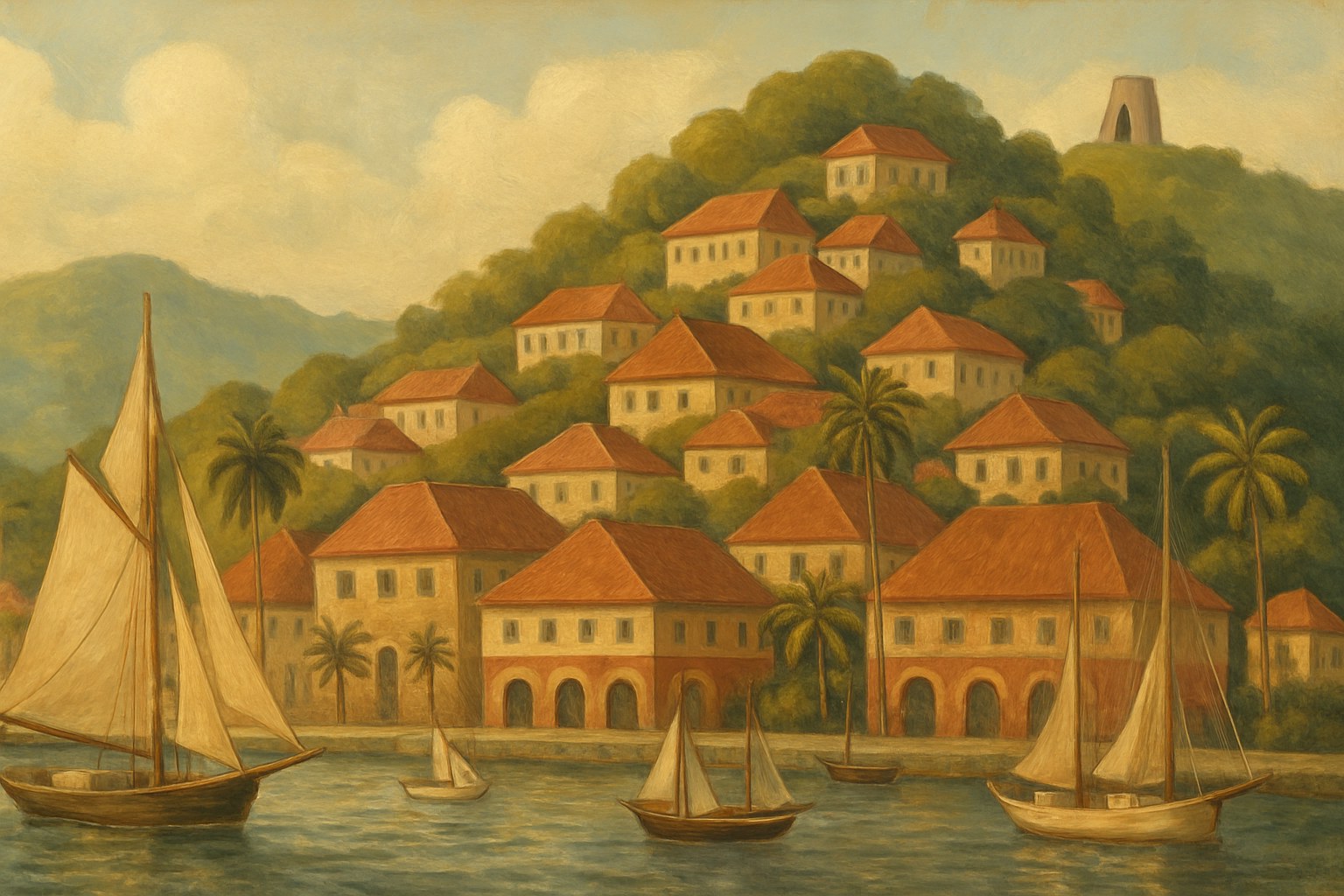
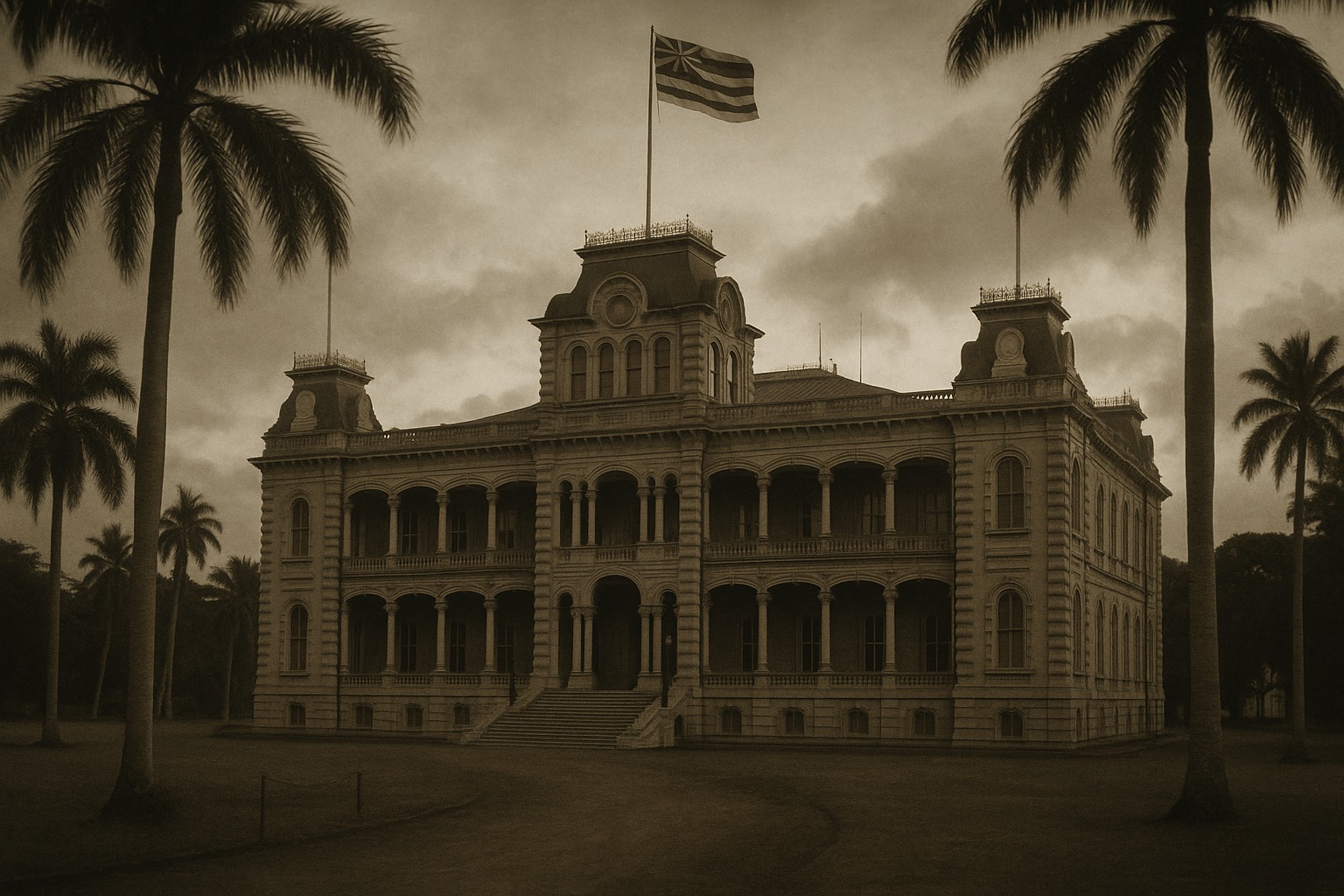
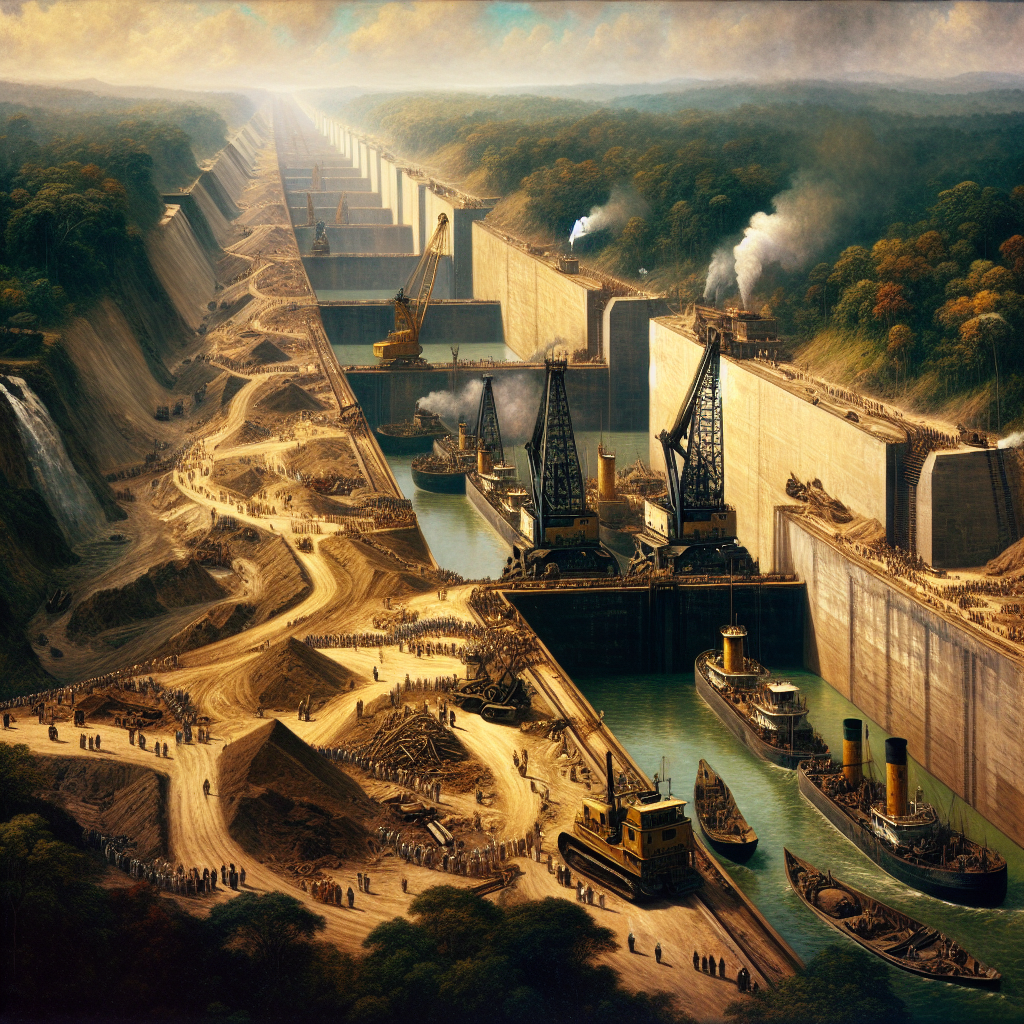
Owning populated territory forced a question the Constitution had never squarely faced. The Supreme Court answered it in 1901 by inventing a category the document does not mention, and presidents built on the answer with doctrines of intervention and investment that governed American conduct in the Caribbean and the Pacific for decades.
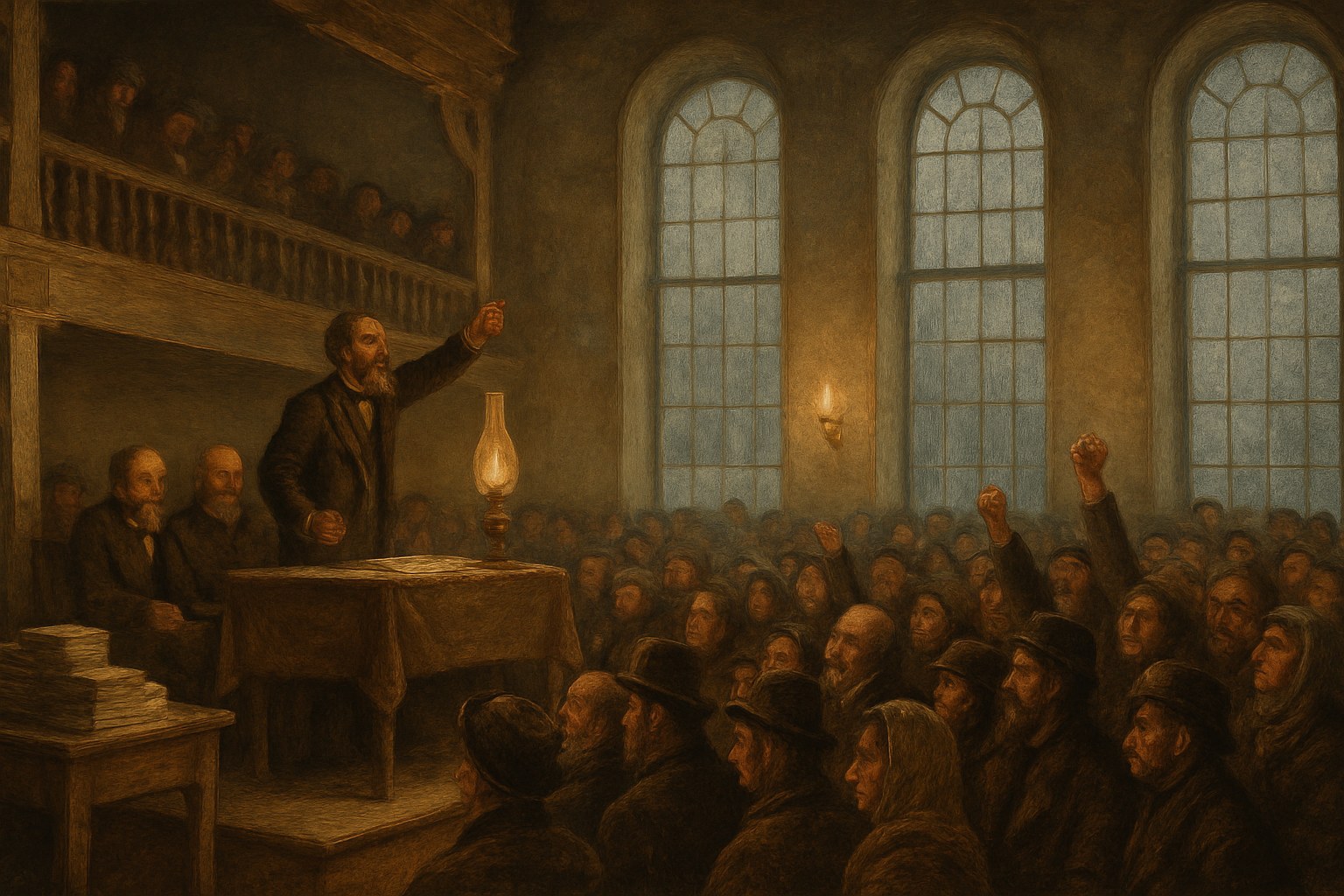
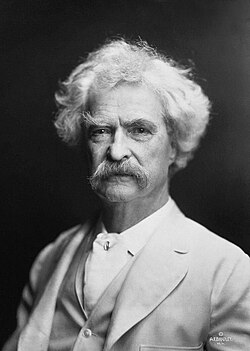
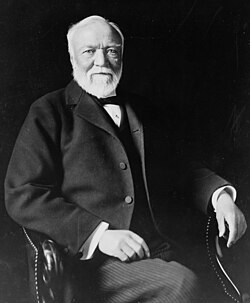
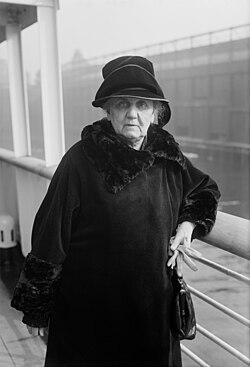
The opposition was loud, respectable, and unsuccessful. Writers, industrialists, reformers, and labor leaders argued from 1898 onward that a republic could not govern subject peoples without changing what it was at home, and lost every immediate fight while setting the terms of an argument Americans have repeated ever since.
Most of this empire has been given up. The Philippines became independent in 1946 and Hawaii became a state in 1959. What remains — Puerto Rico, Guam, American Samoa, the Virgin Islands, and the Northern Marianas — is home to more than three million American citizens and nationals who still cannot vote for the president, under a constitutional doctrine invented in 1901 and never overruled.