The Philippine-American War
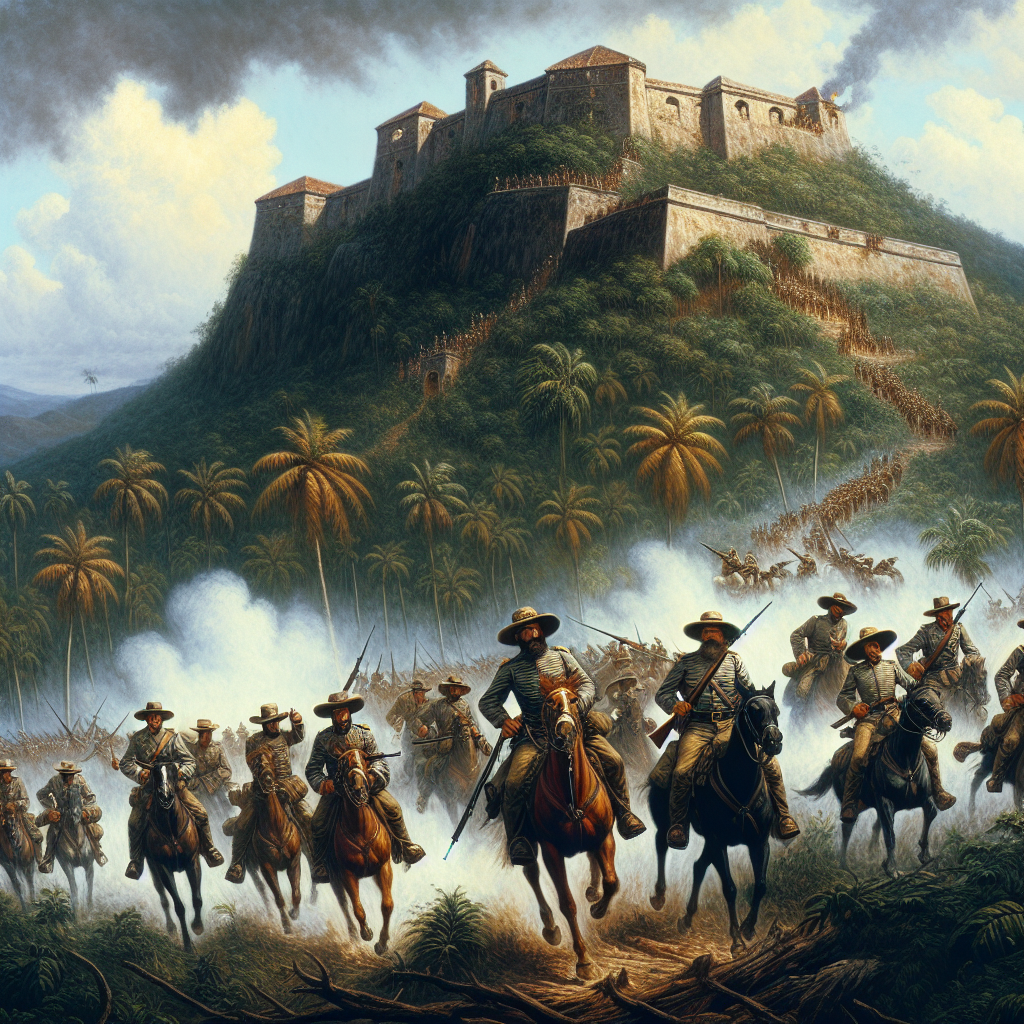
Filipino and American forces had fought Spain as co-belligerents in 1898, but they had never agreed on what victory would mean. Emilio Aguinaldo proclaimed Philippine independence in June and convened a congress that declared a republic at Malolos in January 1899. The United States, having just bought the islands from Spain for twenty million dollars, treated that republic as an insurrection. On the night of February 4, 1899, an American sentry on the edge of Manila fired on Filipino soldiers crossing his post, and the two armies that had shared a siege line went to war with each other.
The conventional phase went quickly. American troops pushed the Philippine army out of the central Luzon plain within a year, and in November 1899 Aguinaldo dissolved his regular forces and ordered a guerrilla war. He was captured in March 1901 and swore allegiance to the United States. Theodore Roosevelt declared the war over on July 4, 1902, though fighting continued in the Muslim south until 1913. About 4,200 American servicemen died — more than in the war against Spain — along with an estimated sixteen to twenty thousand Filipino combatants.
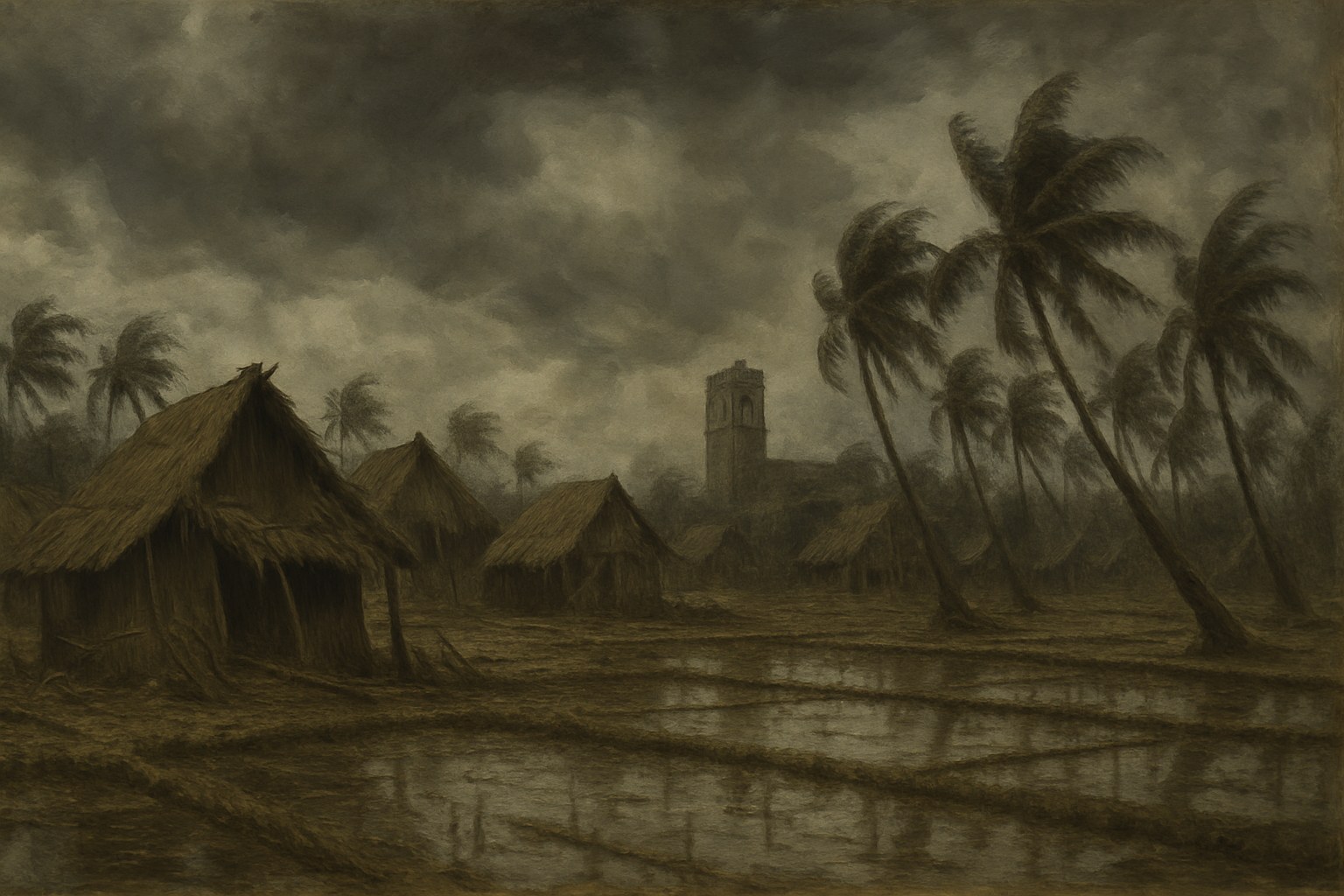
The guerrilla phase turned on the population. After Filipino townspeople and soldiers killed forty-eight Americans at Balangiga on Samar in September 1901, General Jacob Smith ordered his marines to turn the island's interior into a howling wilderness and to kill every male capable of bearing arms over the age of ten. He was court-martialed and forced to retire. In Batangas, General J. Franklin Bell herded civilians into fortified zones and destroyed the crops and livestock outside them. Estimates of civilian deaths from the war and the famine and cholera that followed it commonly run to about two hundred thousand, and historians still dispute how much of that toll to assign to combat and how much to disease.
Soldiers' letters home described the water cure — pinning a prisoner and forcing water into him until he talked or burst — and by 1902 the practice was being discussed in the newspapers. A Senate committee chaired by Henry Cabot Lodge took testimony that spring from officers and enlisted men who confirmed it. A handful of officers were court-martialed and given light sentences. The war secured American rule over the islands, and it largely vanished from American textbooks for most of the twentieth century. In the Philippines it is remembered as the first war of the nation's independence.
| Outbreak | February 4, 1899, outside Manila |
| Declared over | July 4, 1902 (southern fighting to 1913) |
| American dead | About 4,200 — more than in the Spanish-American War |
| Filipino dead | Roughly 16,000-20,000 combatants |
| Civilian toll | Commonly estimated near 200,000, disputed |
| Investigated | Senate Lodge Committee hearings, 1902 |
| Date | 1899-1902 |
| Location | Luzon, Philippines |