American Imperialism
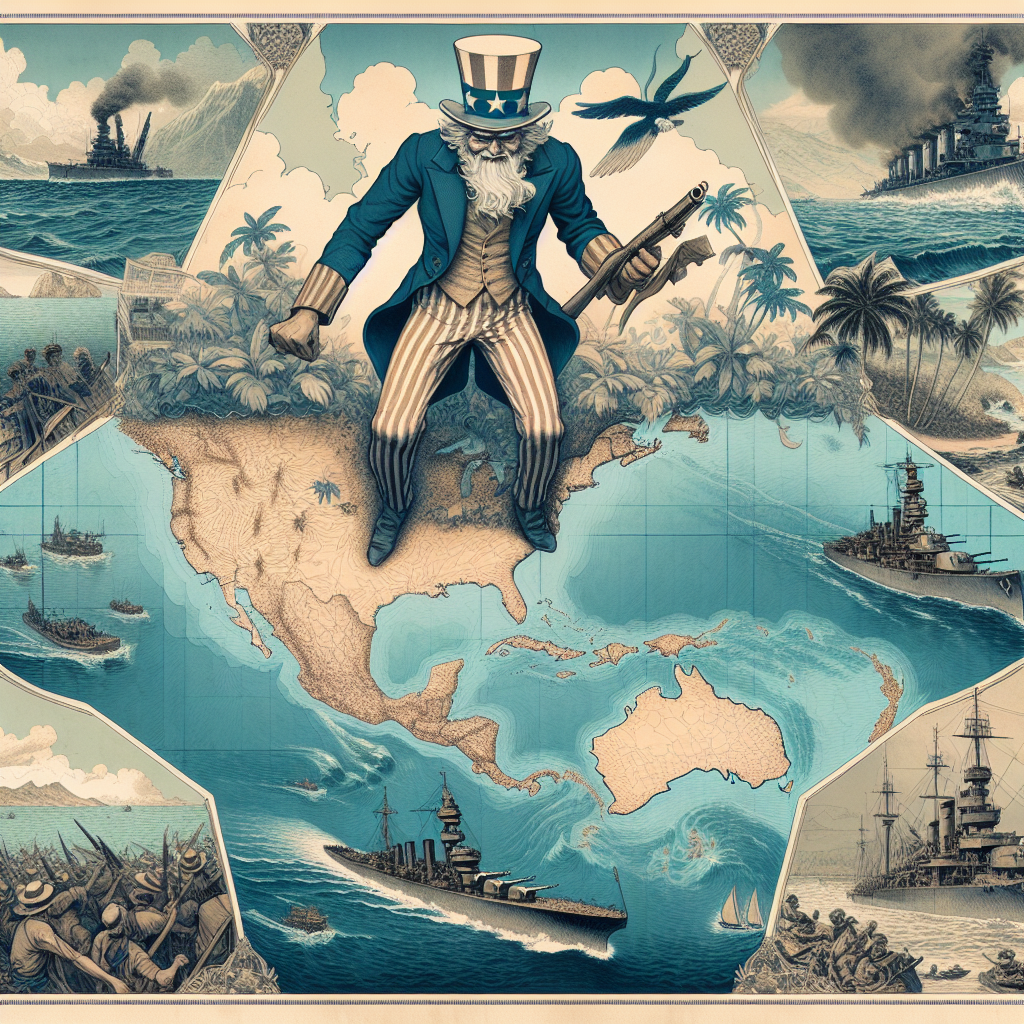
When the United States declared war on Spain in April 1898, it was a nation that had always insisted it was fundamentally unlike the European empires it spent a century denouncing. Within three months it controlled Cuba, Puerto Rico, Guam, and the Philippines. The Spanish-American War forced a reckoning with a question Americans had successfully avoided: could a republic born in colonial rebellion become a colonial power itself — and should it?
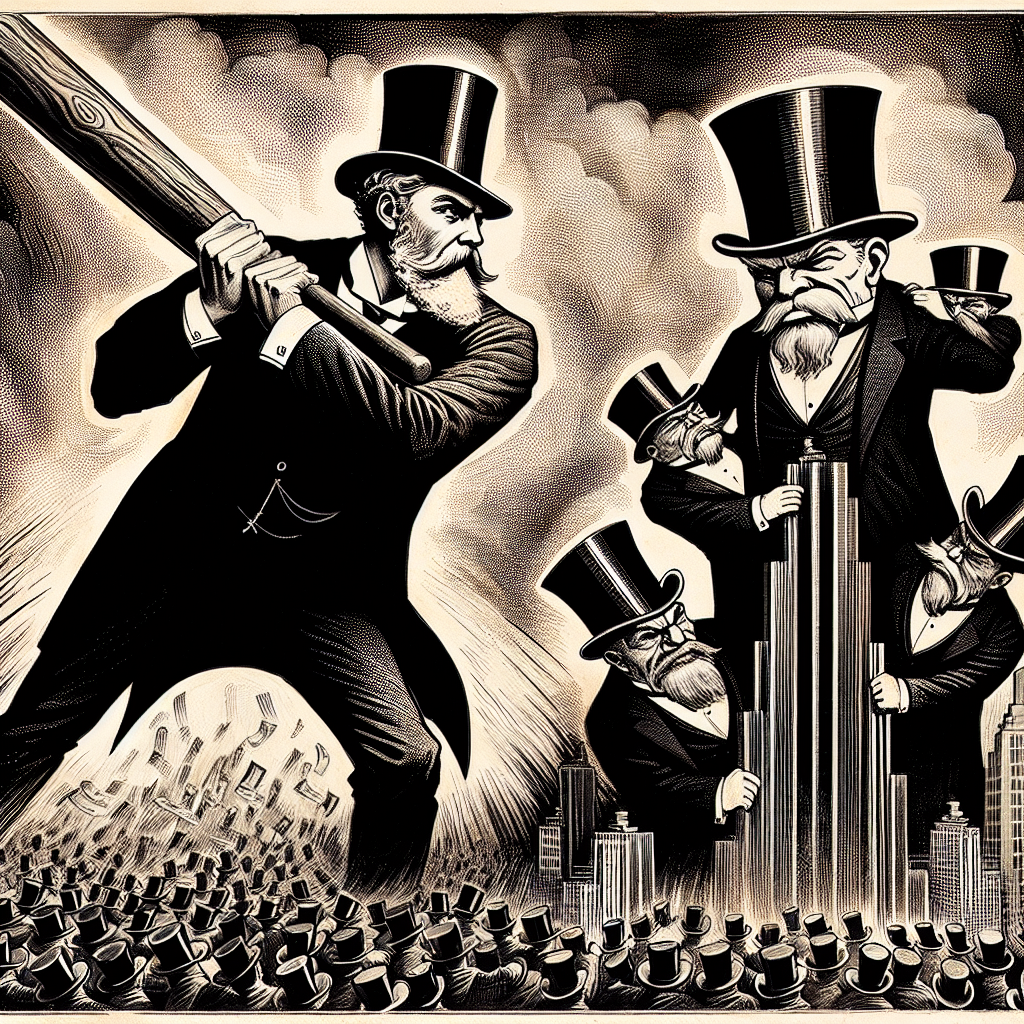
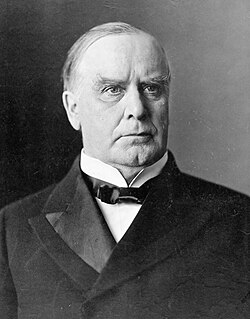
The debate was fierce and split along unexpected lines. President McKinley said he had prayed for divine guidance before concluding that Filipinos were not ready for self-government. Mark Twain, Andrew Carnegie, and former President Grover Cleveland led the Anti-Imperialist League in fierce opposition. Alfred Thayer Mahan's naval theory and Josiah Strong's Protestant expansionism supplied the intellectual architecture for those who believed American dominance was both inevitable and righteous.
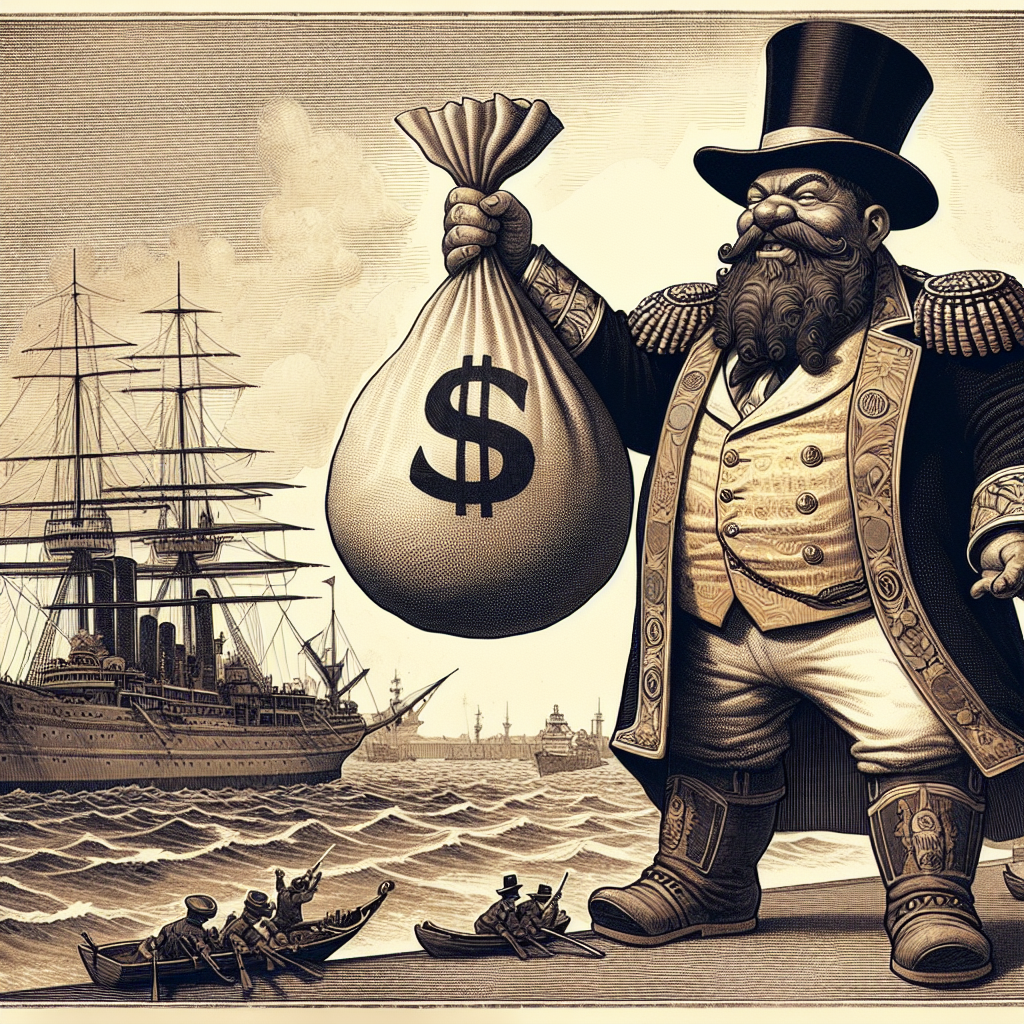
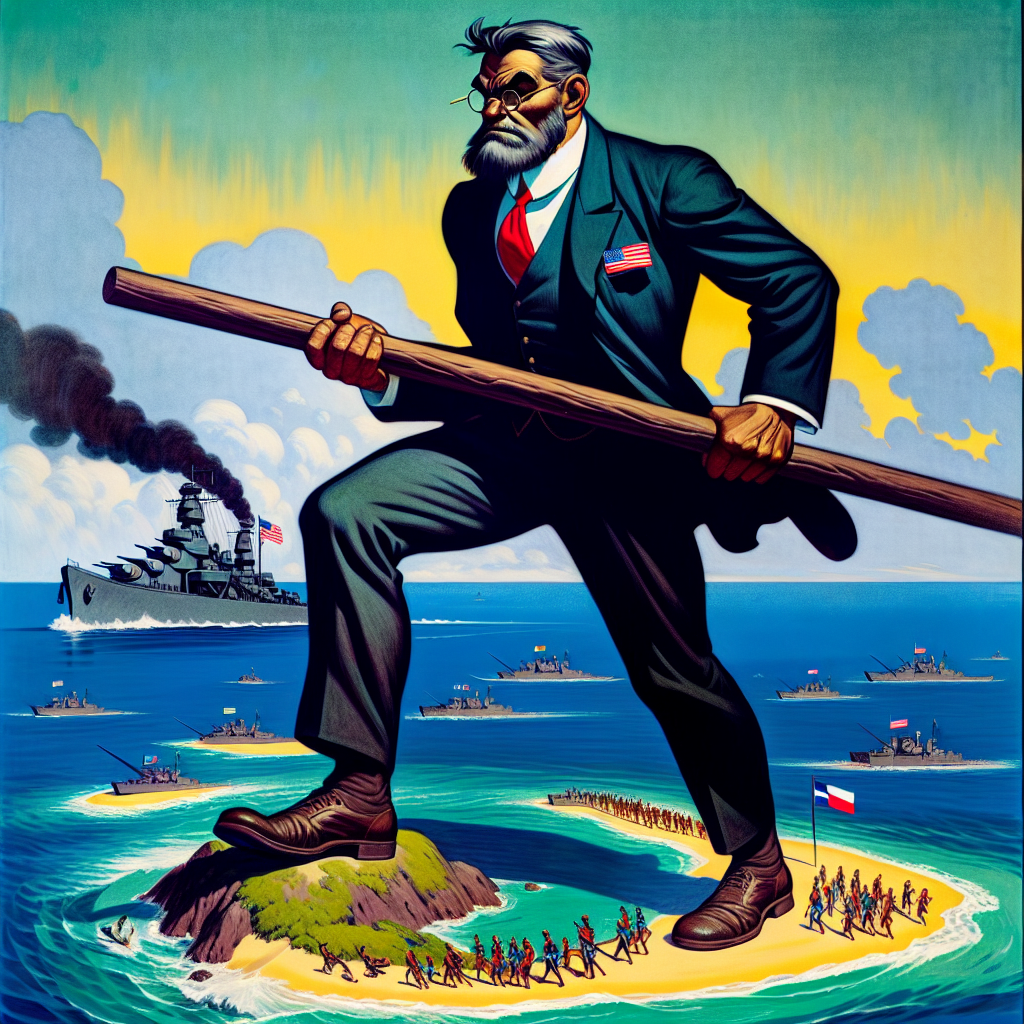
The Philippines cost far more to hold than anyone admitted. The Philippine-American War (1899–1902) killed more than 4,000 American soldiers and at least 200,000 Filipino civilians, many from disease and scorched-earth campaigns. The conflict barely registered in American public memory — then or since. American imperialism evolved rather than disappeared: formal territorial control gave way to economic and military dominance, gunboat diplomacy, and the Roosevelt Corollary's claim that the United States could intervene anywhere in the Western Hemisphere to enforce order.
| Key moment | Spanish-American War, 1898 |
| Territories acquired | Puerto Rico, Guam, Philippines, Hawaii (1898), American Samoa (1900) |
| Opposing movement | Anti-Imperialist League, 1898–1921 |
| Key theorists | Alfred Thayer Mahan, Josiah Strong |
| Philippine-American War | 1899–1902 |
| Related doctrine | Monroe Doctrine, Roosevelt Corollary (1904) |
| Years | 1898–1920 |
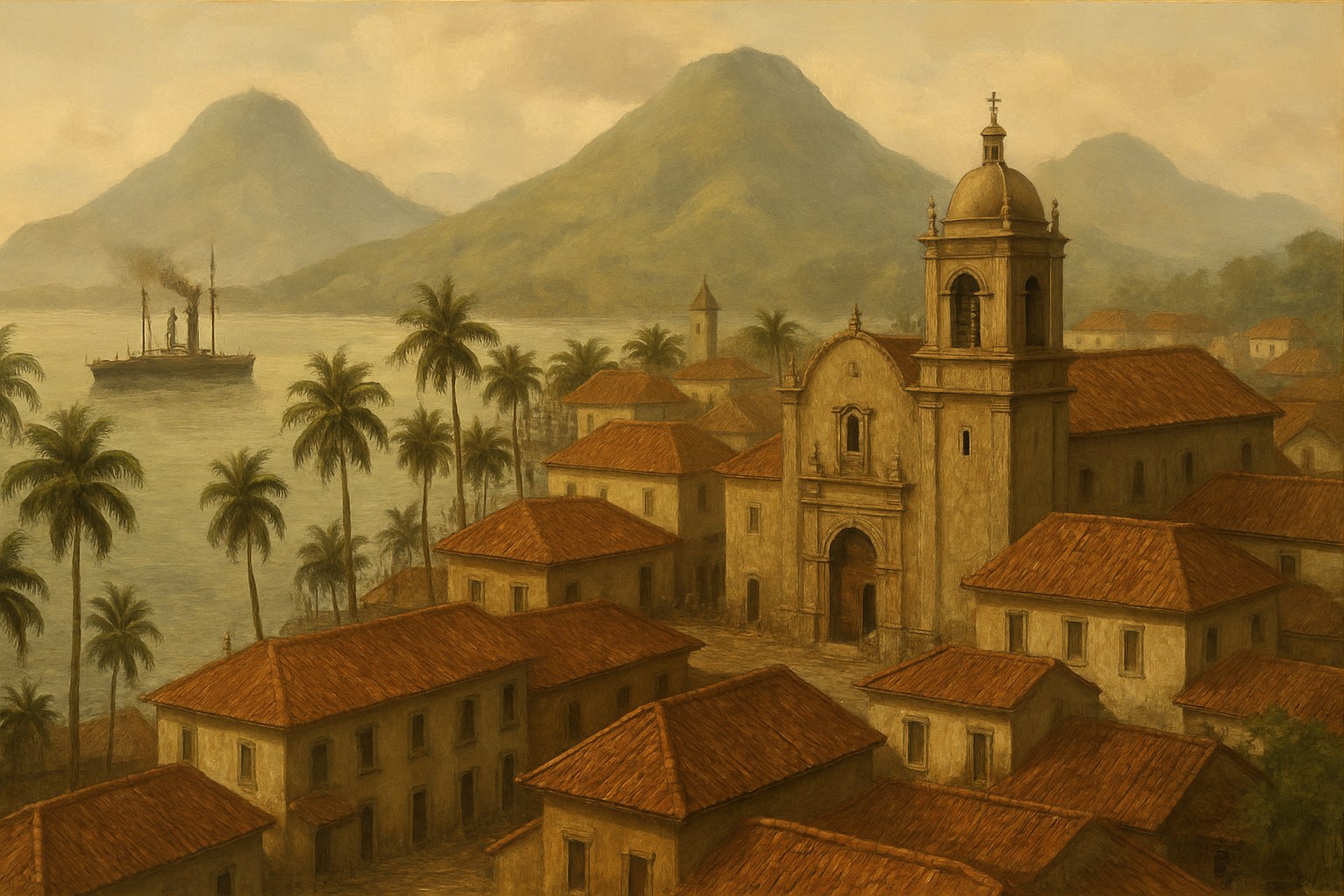
| Location | Manila, Philippines |