William McKinley
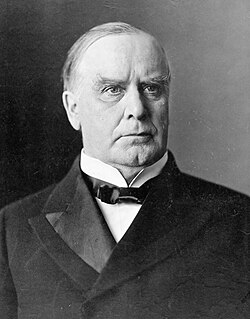
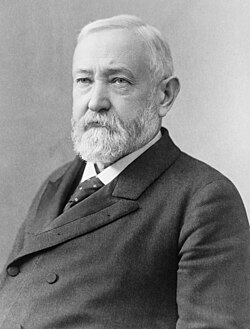
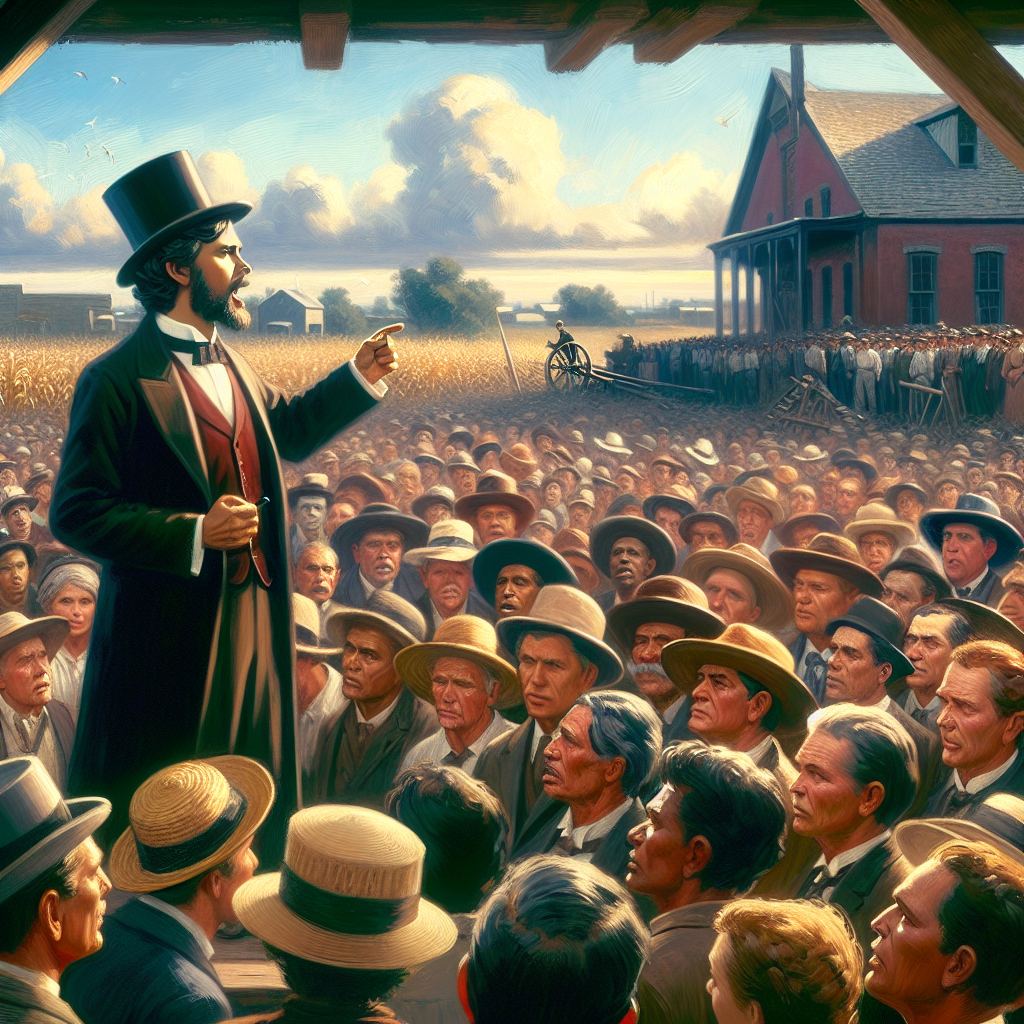
William McKinley won the presidency in 1896 in what historians often call the first modern presidential campaign — a carefully managed operation that spent $3.5 million against William Jennings Bryan's evangelical populism. McKinley's victory secured the gold standard, reassured business interests, and set the template for corporate-backed politics. Two years later he presided over the Spanish-American War, which lasted ten weeks and made the United States a Pacific empire. He was a cautious man who repeatedly got swept into events larger than his caution.
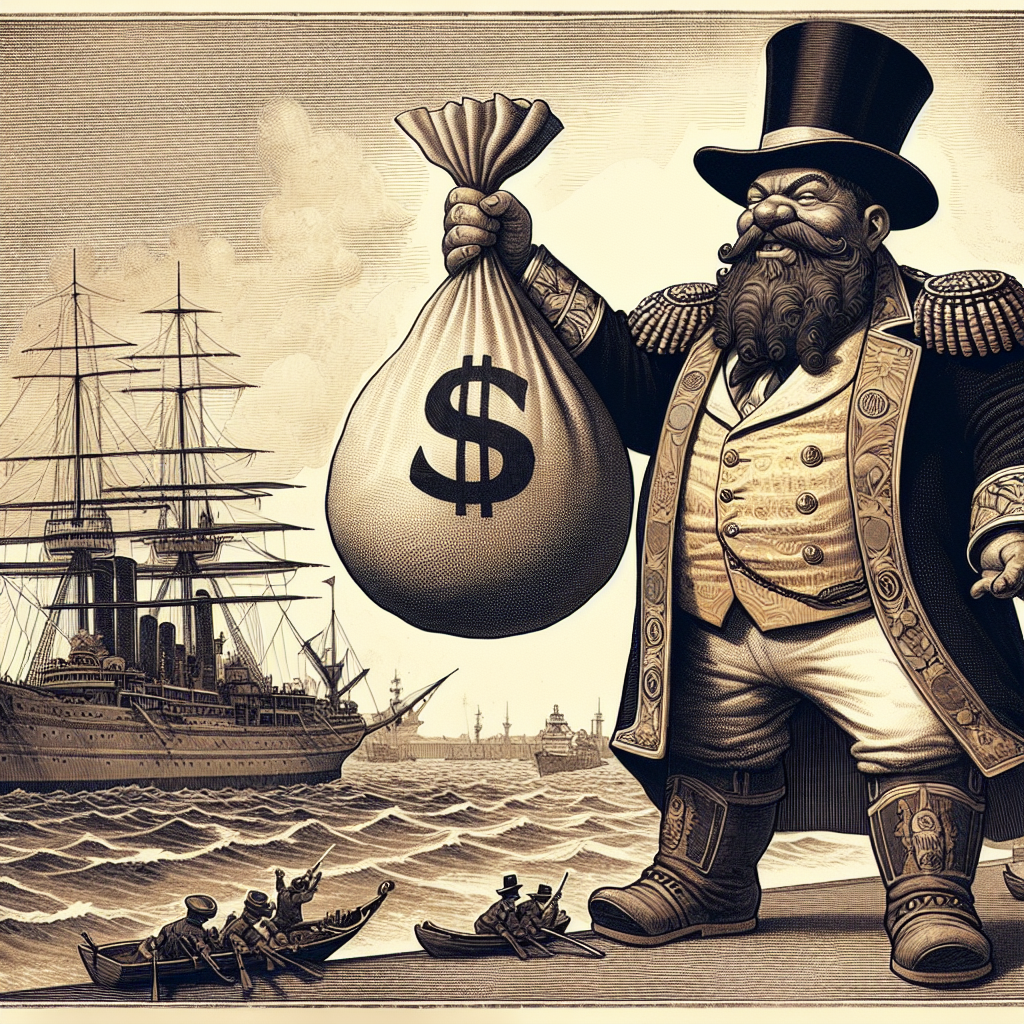
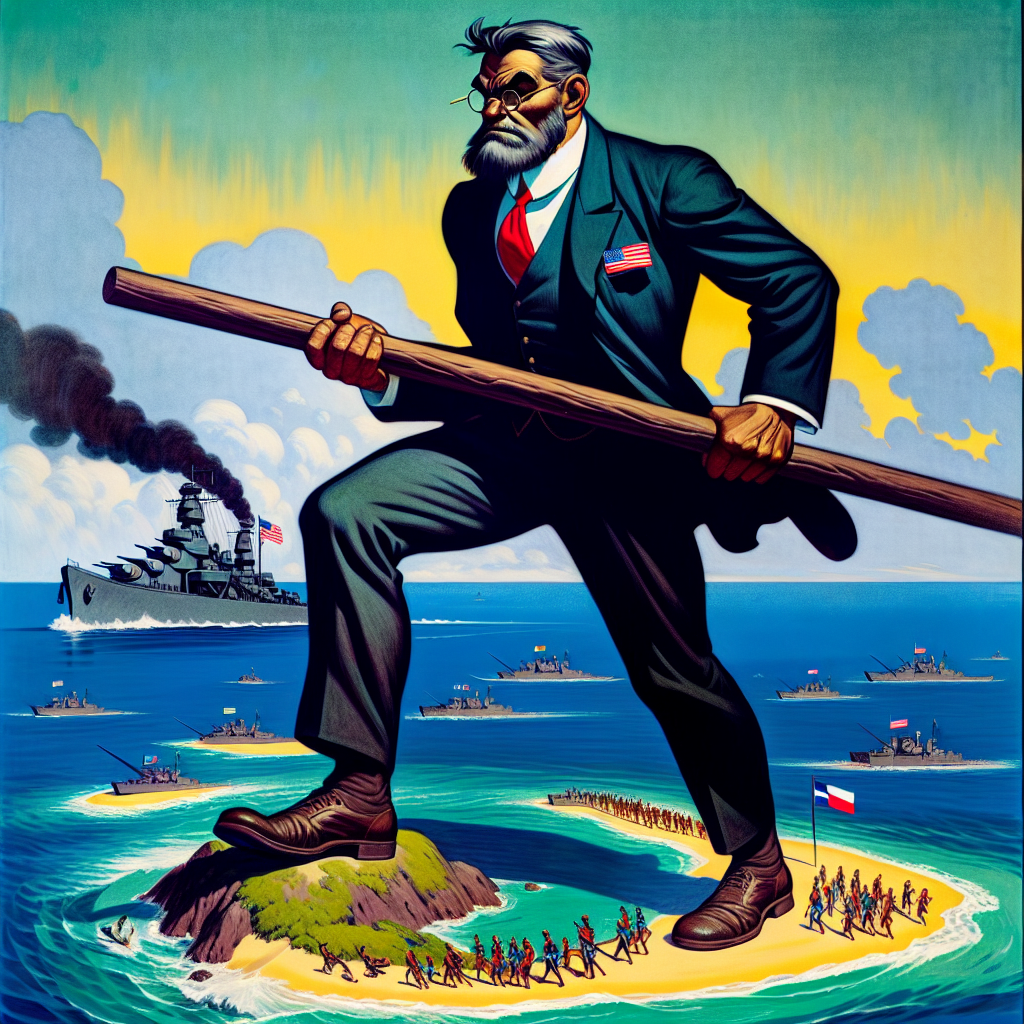
McKinley resisted war with Spain until the pressure of public opinion — inflamed by the yellow journalism of Hearst and Pulitzer and the unexplained explosion of the USS Maine in Havana harbor — became irresistible. Once committed, he proved an effective war president, and the peace he negotiated gave the United States Cuba, Puerto Rico, Guam, and the Philippines for $20 million. He then faced the question his generals had not answered: what to do with 7 million Filipinos who had been fighting for their own independence. His answer — annexation — triggered the Philippine-American War that outlasted his presidency and his life.
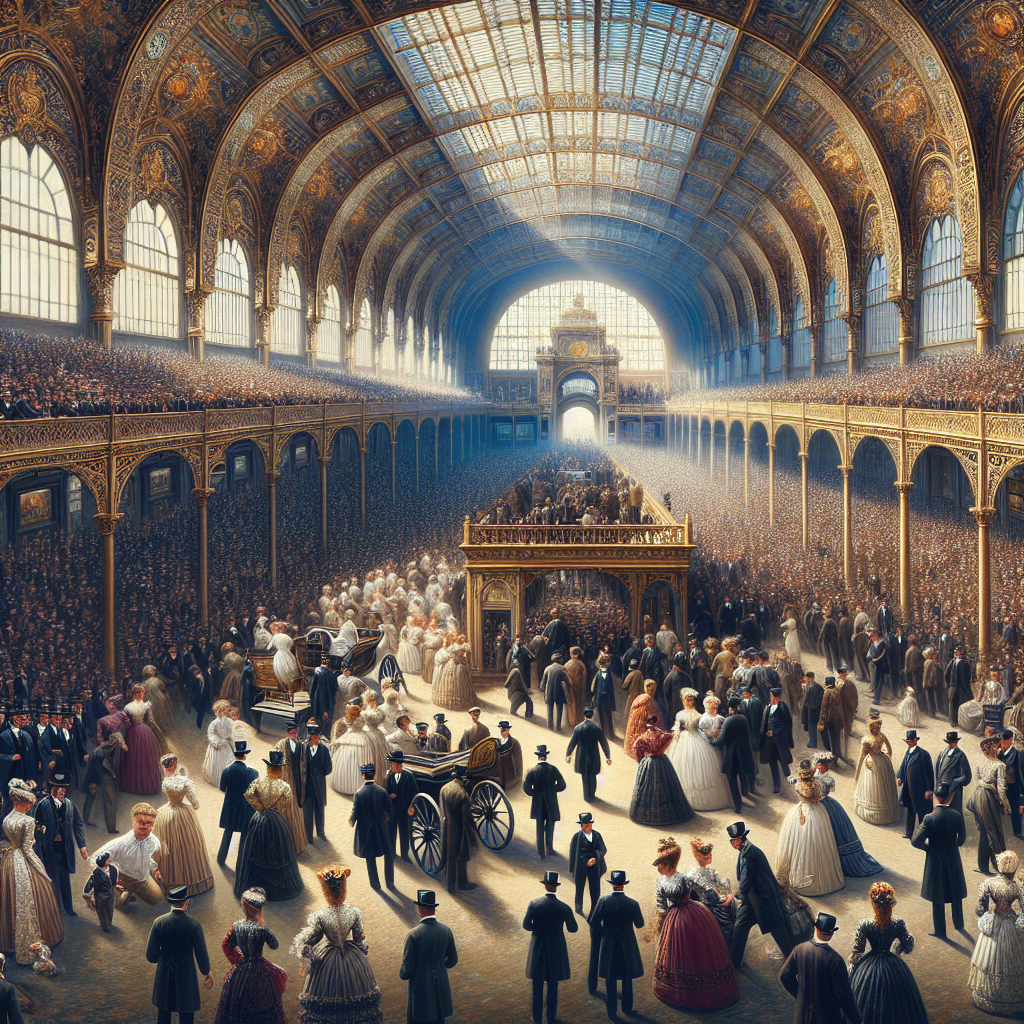
On September 6, 1901, McKinley was greeting visitors at the Pan-American Exposition in Buffalo when Leon Czolgosz — a 28-year-old anarchist from Cleveland — shot him twice in the abdomen. McKinley died eight days later. His vice president, Theodore Roosevelt, was sworn in at 42, the youngest president in American history to that point, and proceeded to govern in ways that would have alarmed his predecessor. The contrast between the two men's approaches to corporate power, conservation, and executive authority was as sharp as any in presidential history.
| Born | January 29, 1843 — Niles, Ohio |
| Died | September 14, 1901 — Buffalo, New York (assassinated) |
| Term | March 4, 1897 – September 14, 1901 (25th President) |
| Party | Republican |
| Vice President | Garret Hobart (1st term); Theodore Roosevelt (2nd term) |
| Key event | Spanish-American War, 1898 |
| Assassin | Leon Czolgosz, September 6, 1901 — Pan-American Exposition, Buffalo |
| Succeeded by | Theodore Roosevelt |
| Date | Assassinated September 14, 1901 |
| Location | Washington, D.C. |