Theodore Roosevelt
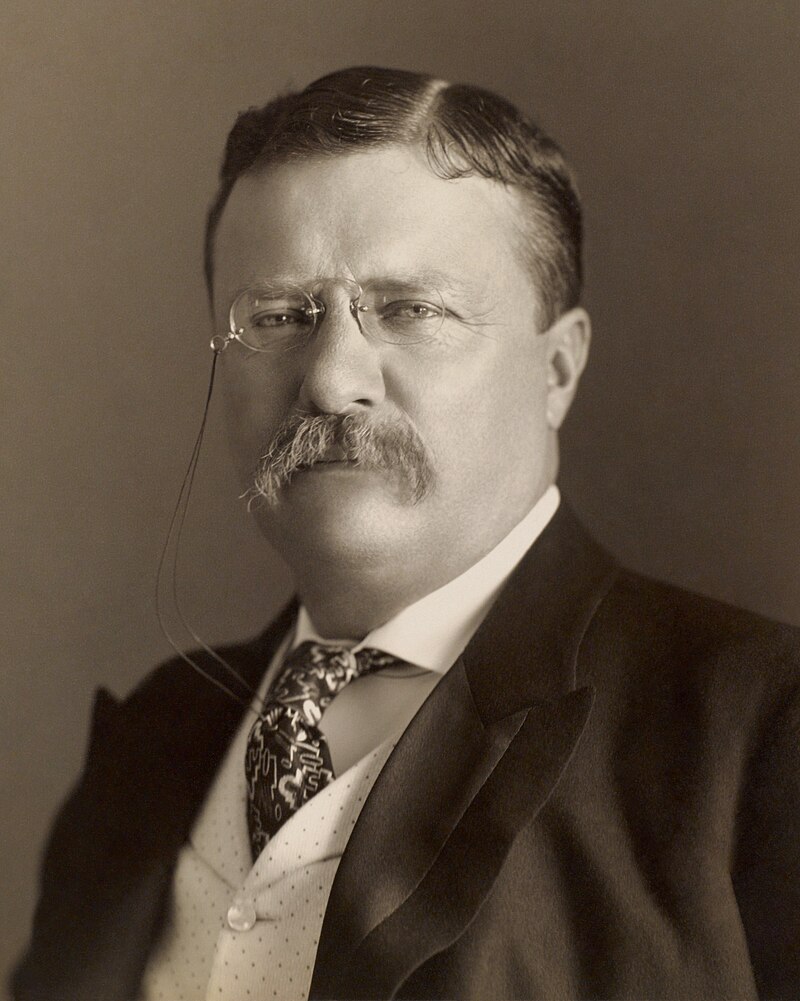
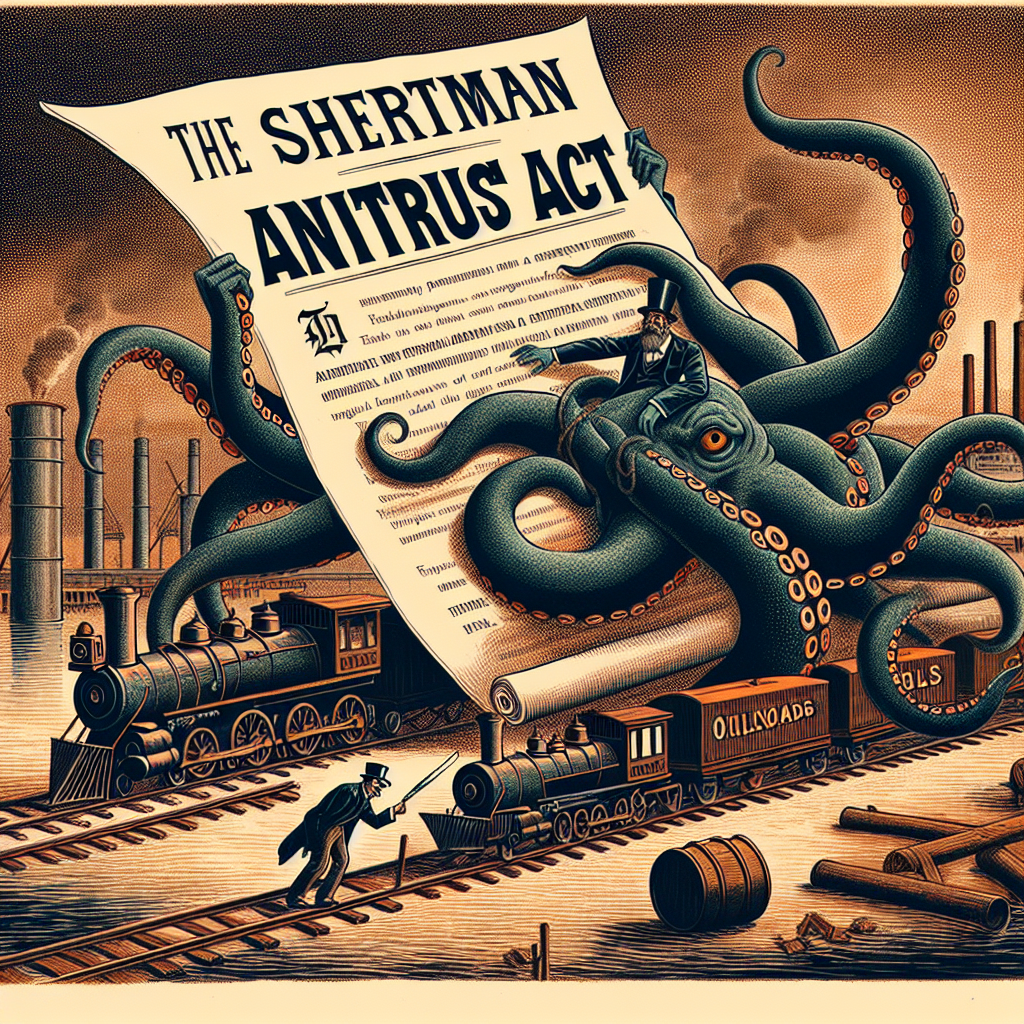
Theodore Roosevelt became president in September 1901 at 42 — the youngest man ever to hold the office, thrust into it when an anarchist's bullet found William McKinley in Buffalo, New York. Mark Hanna, the Republican power broker who had engineered Roosevelt's selection as vice president precisely to neutralize him, had reportedly warned colleagues they'd "put that damned cowboy one heartbeat from the presidency." Within months, Roosevelt had sued J.P. Morgan's railroad trust under the Sherman Antitrust Act, signaling that the laissez-faire era of the Gilded Age was over.
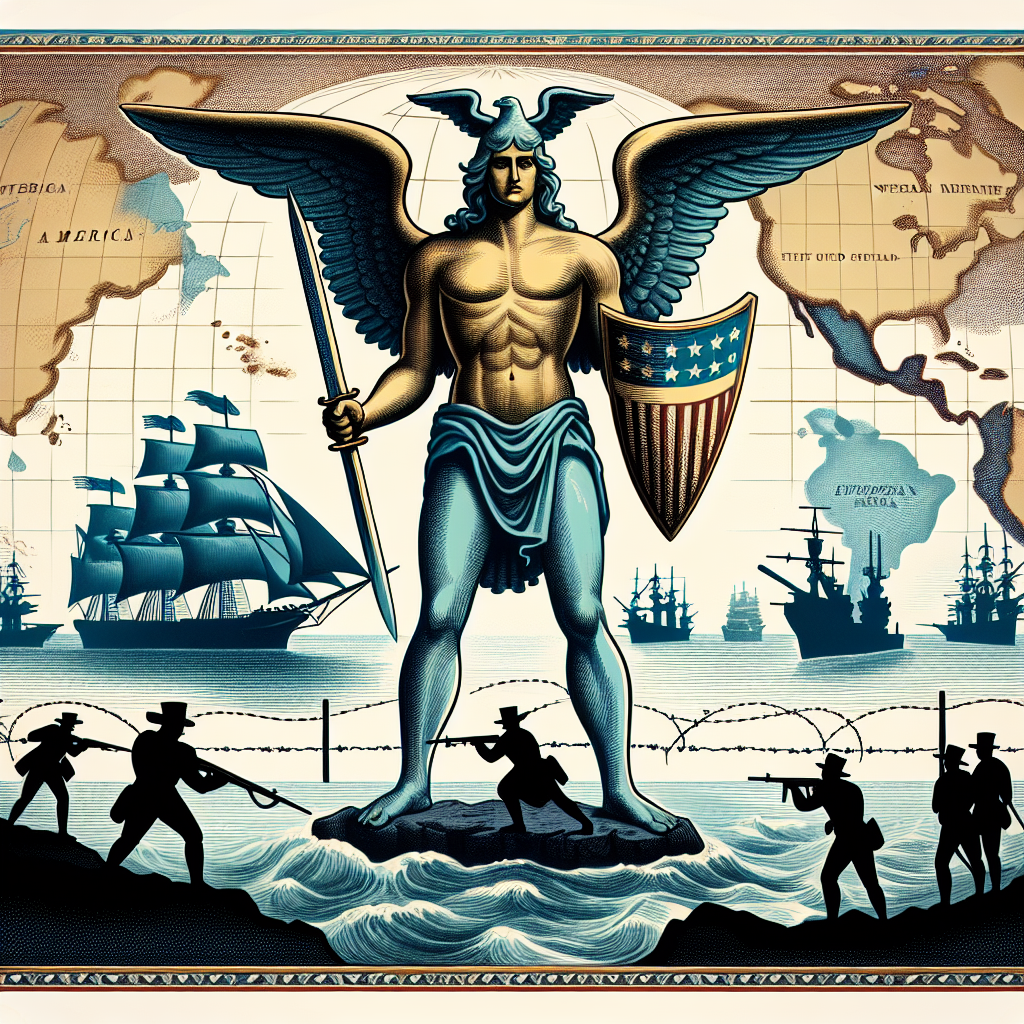
His presidency rebuilt the relationship between the federal government and the economy. He broke up 44 corporate trusts, created the FDA and the Forest Service, and set aside 230 million acres of public land — more than any president before or since. He won the Nobel Peace Prize in 1906 for mediating the Russo-Japanese War. He sent the Great White Fleet on a globe-circling voyage to announce American naval power, negotiated the Panama Canal treaty, and articulated the Roosevelt Corollary to the Monroe Doctrine, asserting the United States' right to intervene in Latin American nations that could not manage their own affairs.
Roosevelt left office in 1909 convinced he'd chosen the right successor in William Howard Taft, went to Africa to hunt big game, and returned to find Taft had dismantled much of what he'd built. He ran again in 1912 as the Progressive ("Bull Moose") Party candidate, splitting the Republican vote and handing the election to Woodrow Wilson — an outcome he considered a fair price for principle. During that campaign, a would-be assassin shot him in the chest before a rally in Milwaukee. He spoke for 90 minutes with the bullet still inside him before agreeing to go to the hospital.
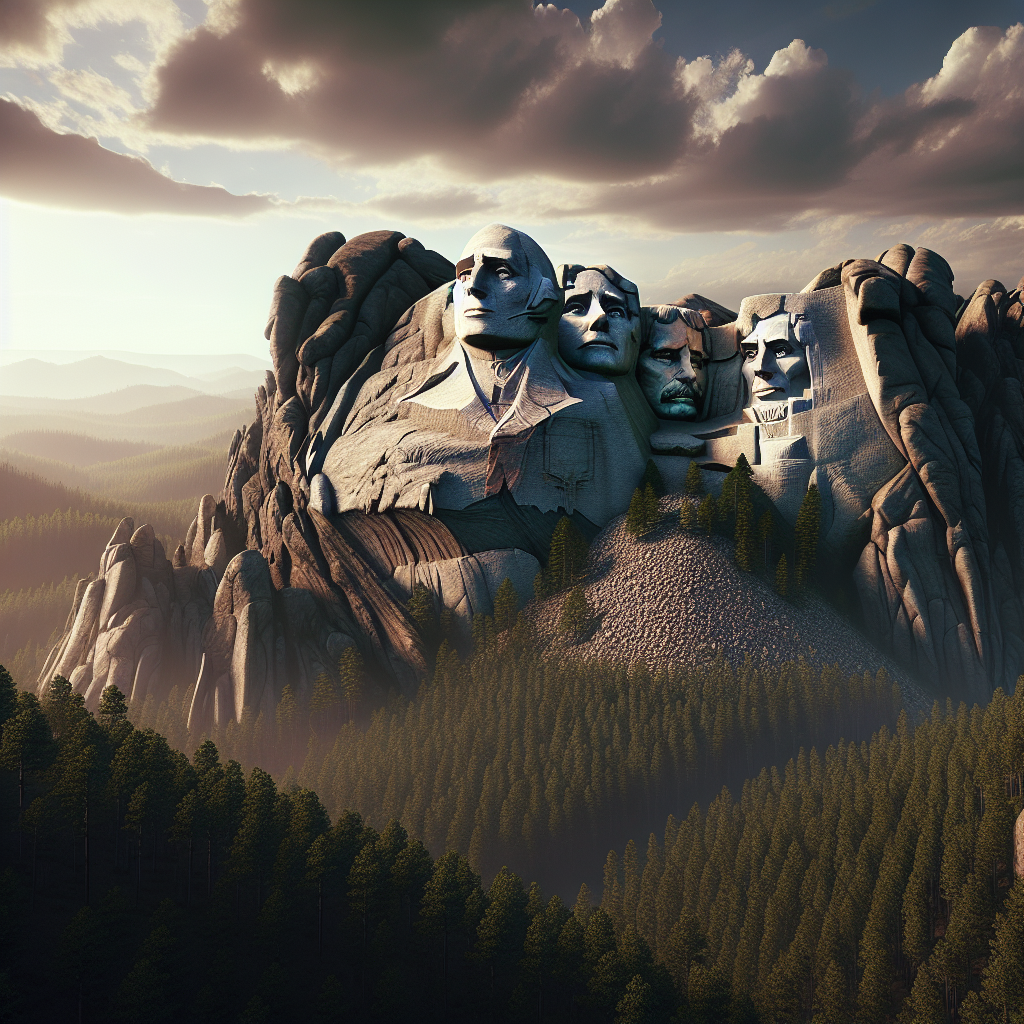
| Born | October 27, 1858 — New York City, New York |
| Died | January 6, 1919 — Oyster Bay, New York |
| Party | Republican (Progressive Party, 1912) |
| Term | September 14, 1901 – March 4, 1909 |
| Nobel Peace Prize | 1906 — Russo-Japanese War mediation |
| Land Preserved | 230 million acres (forests, parks, monuments) |
| Preceded by | William McKinley |
| Succeeded by | William Howard Taft |
| Date | October 27, 1858 – January 6, 1919 |
| Location | Washington, D.C. |