The Treaty of Paris (1898)
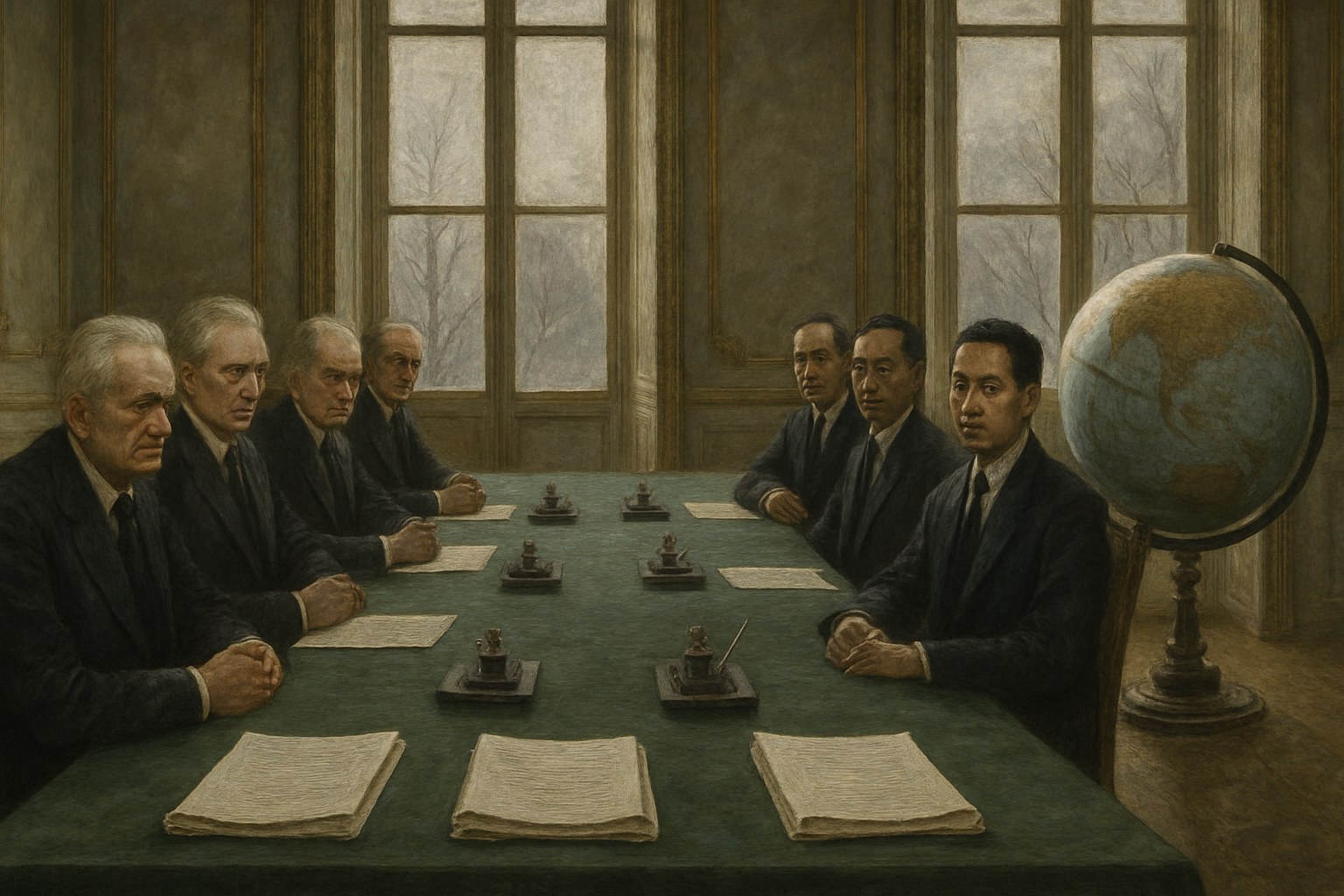
The shooting in Cuba stopped in August 1898 under a protocol signed in Washington, but that document settled only part of the question. Spain agreed to leave Cuba and to cede Puerto Rico and an island in the Marianas, and the two governments agreed that the United States would hold the city and bay of Manila until a peace treaty determined what became of the Philippines. Commissioners met in Paris on October 1. Spain had no fleet left and no leverage except the argument, and the Philippines were the only thing left to argue about.
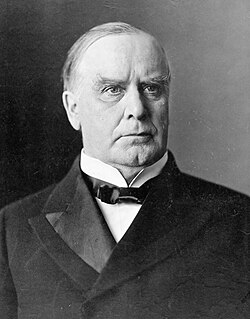
The American instructions hardened as the talks went on. McKinley had begun by contemplating a coaling station, moved to the island of Luzon, and by late October was demanding the whole archipelago, persuaded that a partial cession would be ungovernable and would invite Germany or Japan into the remainder. Spain protested that Manila had actually fallen the day after the armistice was signed and so could not be claimed by right of conquest. The Americans offered twenty million dollars, described as payment for Spanish public works and improvements rather than a purchase price. Spain took it. The treaty was signed on December 10, 1898.
Ratification was another matter. Anti-imperialists in the Senate — George Frisbie Hoar of Massachusetts, Eugene Hale of Maine, most Democrats and Populists — argued that acquiring populated islands whose people had no voice in the arrangement contradicted the Declaration of Independence and would require a standing army to hold. William Jennings Bryan, the defeated presidential candidate and the most prominent anti-imperialist in the country, came to Washington and urged Democrats to vote for the treaty so the war could formally end and the question of empire be decided in the election of 1900. Several of his allies never forgave him.
Two days before the vote, word arrived that fighting had broken out between American and Filipino troops outside Manila. On February 6, 1899, the Senate ratified the treaty fifty-seven to twenty-seven, one vote more than the two-thirds required. A companion resolution pledging eventual Philippine independence was defeated a week later when the vice president broke a tie. With those two votes the United States became, in law, a colonial power holding territory it did not intend to admit as states, and the closeness of the margin is a fair measure of how far from settled the country was about it.
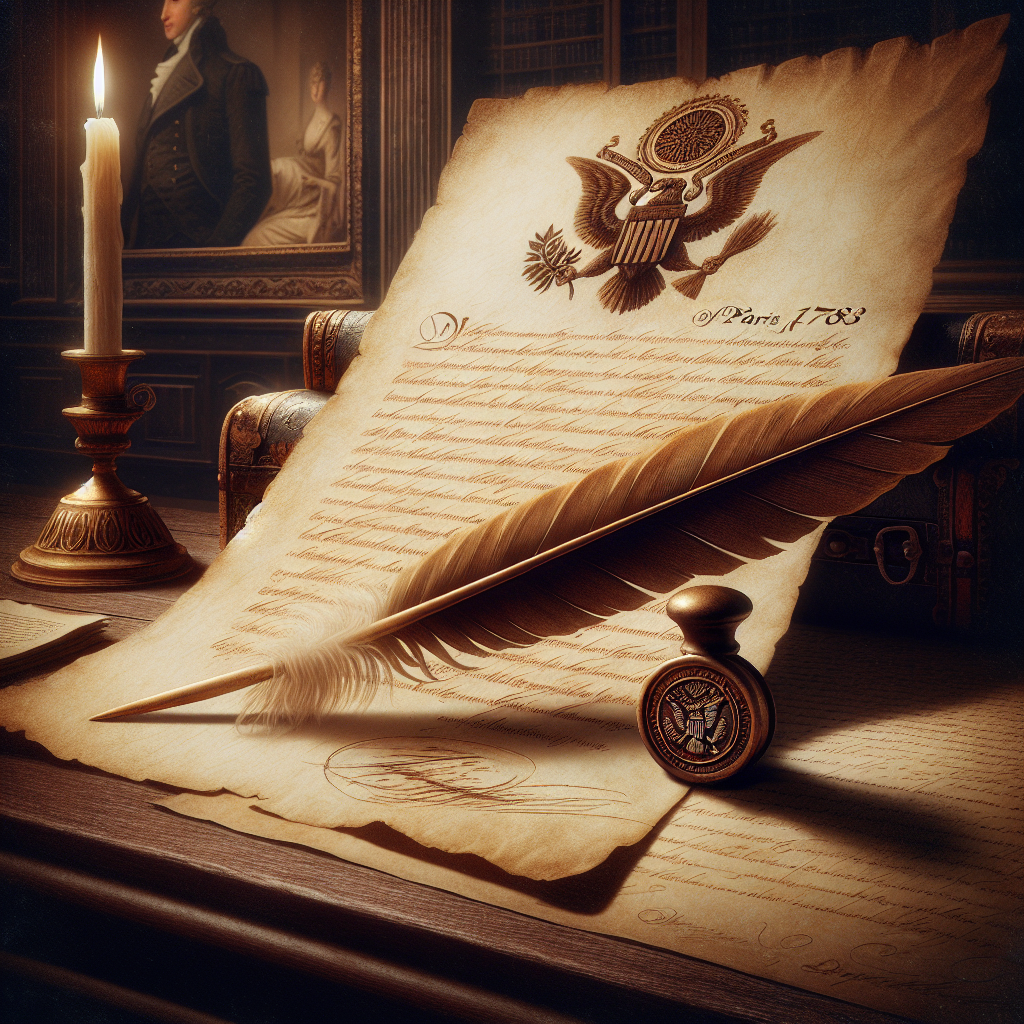
| Signed | December 10, 1898, in Paris |
| Spain gave up | Cuba, Puerto Rico, Guam, and the Philippines |
| Payment | $20 million for the Philippines |
| Ratified | February 6, 1899, by 57 to 27 |
| Margin | One vote more than the two-thirds needed |
| Backdrop | Fighting had begun outside Manila two days earlier |
| Date | December 10, 1898 |
| Location | Paris, France |