Big Stick Diplomacy
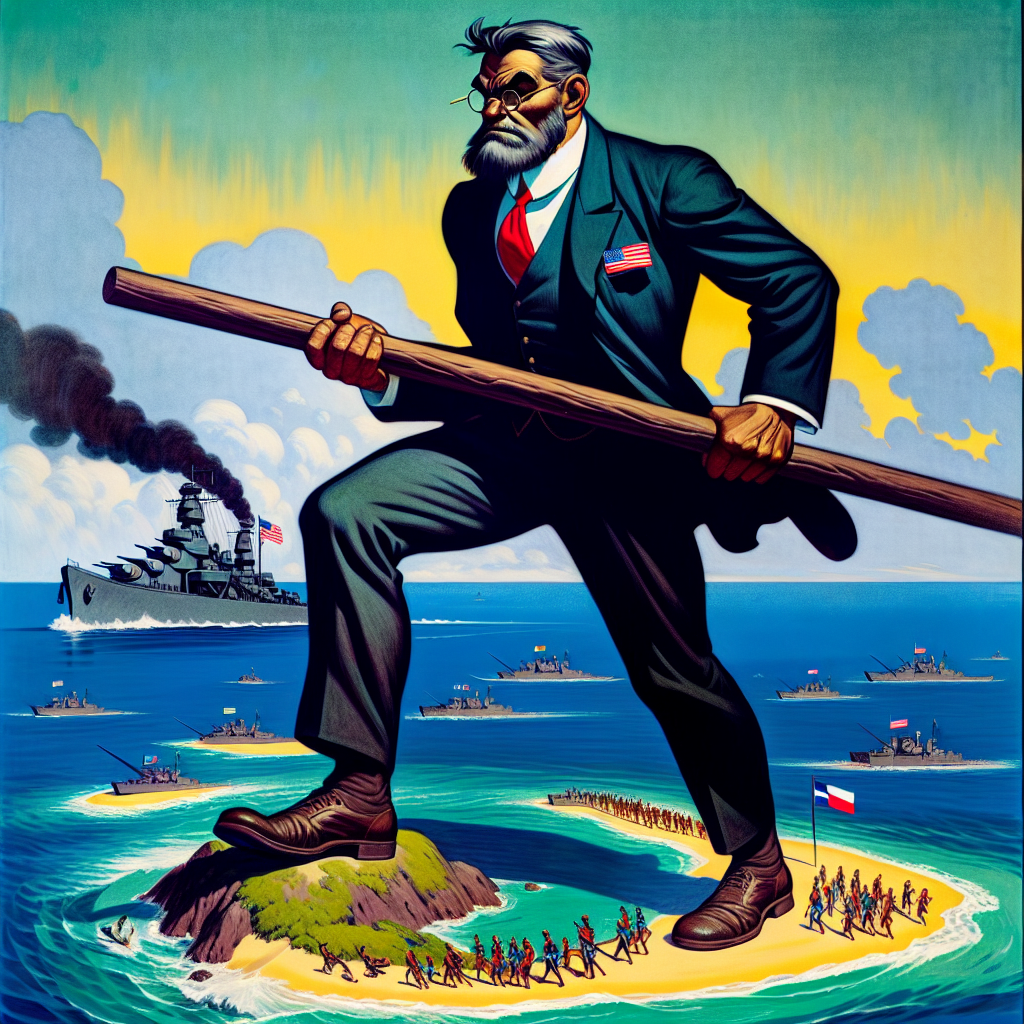
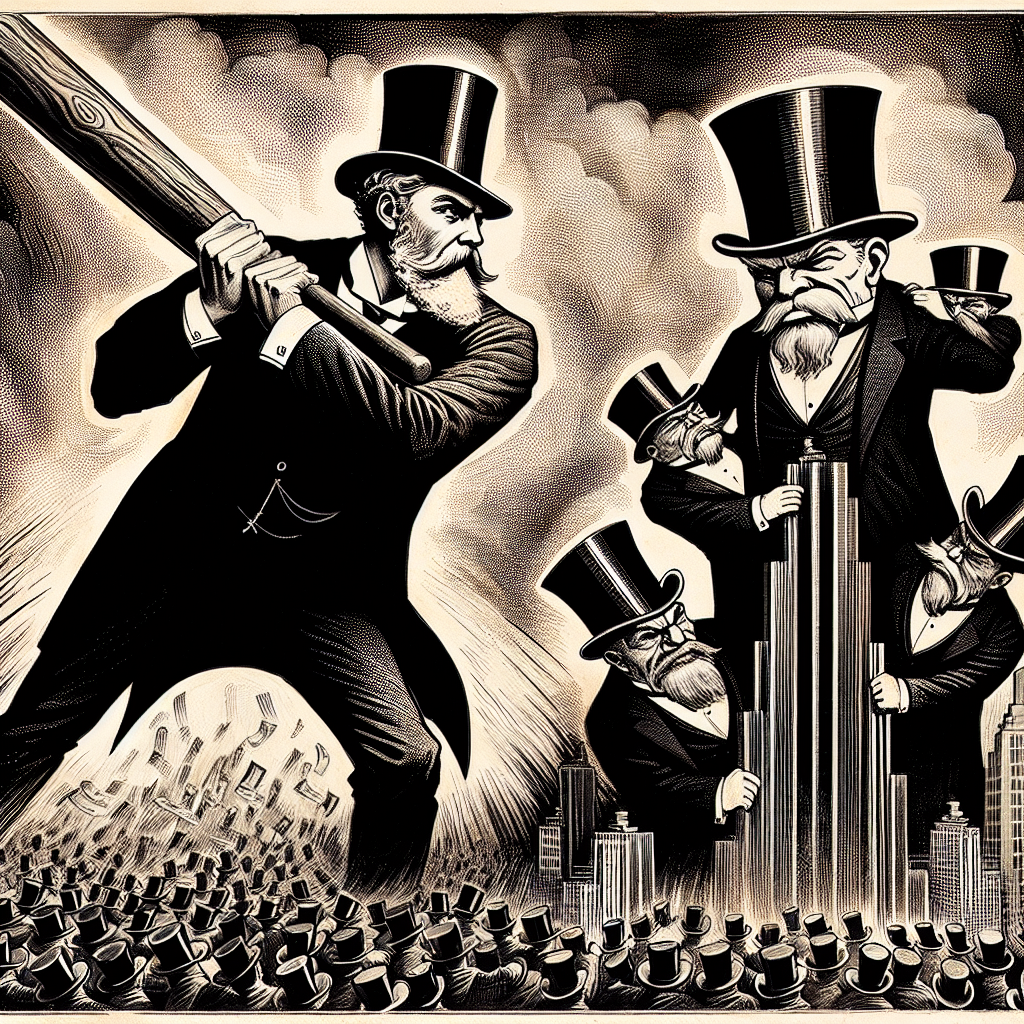
Theodore Roosevelt borrowed the phrase from a West African proverb he had encountered, and by 1901 he was using it in letters to describe his governing philosophy: "speak softly and carry a big stick; you will go far." As president, he applied it most consequentially to Latin America, where the Roosevelt Corollary to the Monroe Doctrine — announced in his 1904 annual message to Congress — asserted that the United States had the right and responsibility to intervene in any Western Hemisphere nation that failed to maintain order or meet its international obligations. The Corollary transformed the Monroe Doctrine from a defensive shield against European intervention into a license for American intervention.
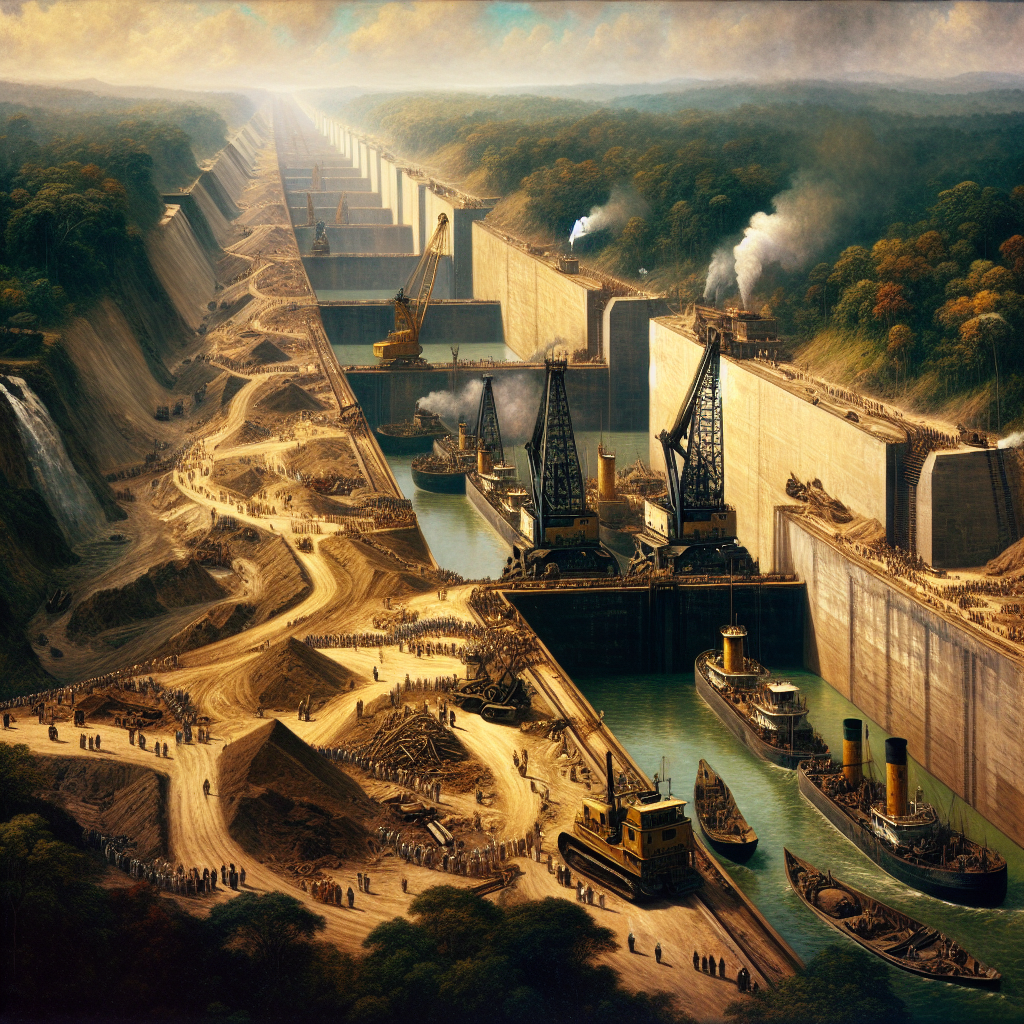
Big Stick Diplomacy produced results Roosevelt found satisfying. The Panama Canal — whose construction required detaching Panama from Colombia through a revolution Roosevelt encouraged and American warships protected — was its most dramatic expression. He sent the Great White Fleet — 16 battleships on a circumnavigation of the globe from 1907 to 1909 — as a demonstration that American naval power was a permanent presence in every ocean. He personally mediated the end of the Russo-Japanese War at Portsmouth, New Hampshire, winning the Nobel Peace Prize in 1906 — the first American to receive it — while simultaneously maintaining American military preparedness as the diplomacy's necessary foundation.
The Roosevelt Corollary was invoked to justify American interventions in the Dominican Republic, Cuba, Nicaragua, and Haiti over the following decades, long after Roosevelt had left office. It remained official policy until Franklin Roosevelt's Good Neighbor Policy formally renounced it in 1934. Theodore Roosevelt believed sincerely that American power, wielded by a morally serious nation, was a force for order in a disorderly world — a conviction containing both genuine idealism and a tolerance for coercion that critics then and since have found impossible to disentangle from each other.
| Phrase origin | West African proverb; TR cited it publicly from 1901 |
| Roosevelt Corollary | December 6, 1904 annual message to Congress |
| Key actions | Panama Canal (1903); Dominican Republic (1905); Great White Fleet (1907–1909) |
| Nobel Peace Prize | 1906 — Russo-Japanese War mediation at Portsmouth, NH |
| Renounced by | FDR's Good Neighbor Policy, 1934 |
| Sequence | Preceded Dollar Diplomacy (Taft); Wilson's Moral Diplomacy followed |