The Teller Amendment
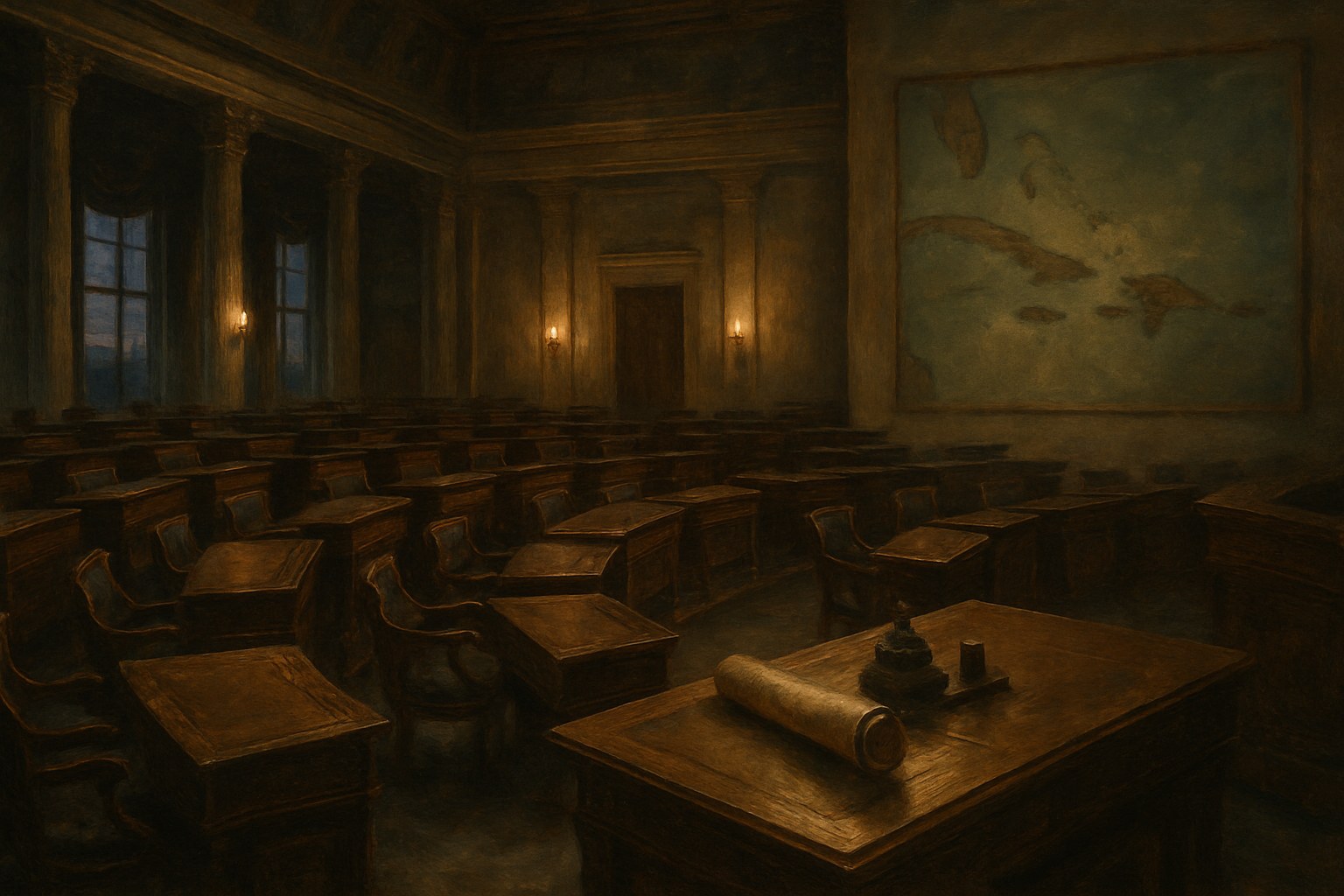
In the third week of April 1898 Congress was writing the resolution that would send the country to war with Spain over Cuba. The public pressure was for Cuba libre — a free Cuba, liberated from a colonial war that had killed tens of thousands of civilians in Spanish reconcentration camps. But a substantial bloc in the Senate suspected that a war of liberation could easily become a war of acquisition, and that American sugar and railroad interests were counting on exactly that. Henry M. Teller of Colorado moved to close the door before it opened.
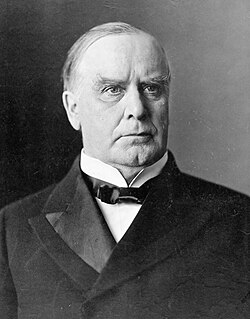
His amendment became the fourth clause of the war resolution. The United States, it read, hereby disclaims any disposition or intention to exercise sovereignty, jurisdiction, or control over said Island except for the pacification thereof, and asserts its determination, when that is accomplished, to leave the government and control of the Island to its people. The Senate adopted it without a recorded division, and President McKinley signed the resolution on April 20, 1898. It was, in form, a promise made by a nation to itself about what it would not do with a victory it had not yet won.
The motives behind it were mixed and have been argued over since. Teller was a silver Republican from a beet-sugar state, and Cuban cane entering an annexed territory would have come in duty-free and undercut Colorado growers. Others voted for it out of genuine anti-imperial conviction, and still others because they had no wish to admit a Caribbean population into the American polity on any terms. The clause also had a narrow reach. It spoke only of Cuba. Nothing in it applied to Puerto Rico, Guam, or the Philippines, all three of which were American possessions before the year was out.
The pledge was kept in the letter. The United States did not annex Cuba, and the military occupation that began in 1899 ended in May 1902 with a Cuban president in Havana. But the terms of that withdrawal were dictated by the Platt Amendment of 1901, which wrote an American right of intervention and a permanent naval lease into the Cuban constitution. The Teller Amendment stands as the sharpest statement of the anti-annexationist strand in the politics of 1898, and as a measure of how narrow its victory turned out to be.

| Adopted | April 19, 1898, signed April 20 |
| Sponsor | Senator Henry M. Teller of Colorado |
| Attached to | The joint resolution authorizing war with Spain |
| Effect | Disclaimed any intent to annex Cuba |
| Scope | Cuba only — silent on the other Spanish colonies |
| Undercut by | The Platt Amendment, 1901 |
| Date | April 1898 |
| Location | Washington, D.C. |