Jane Addams
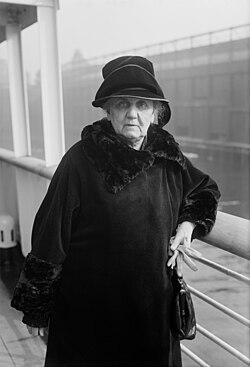
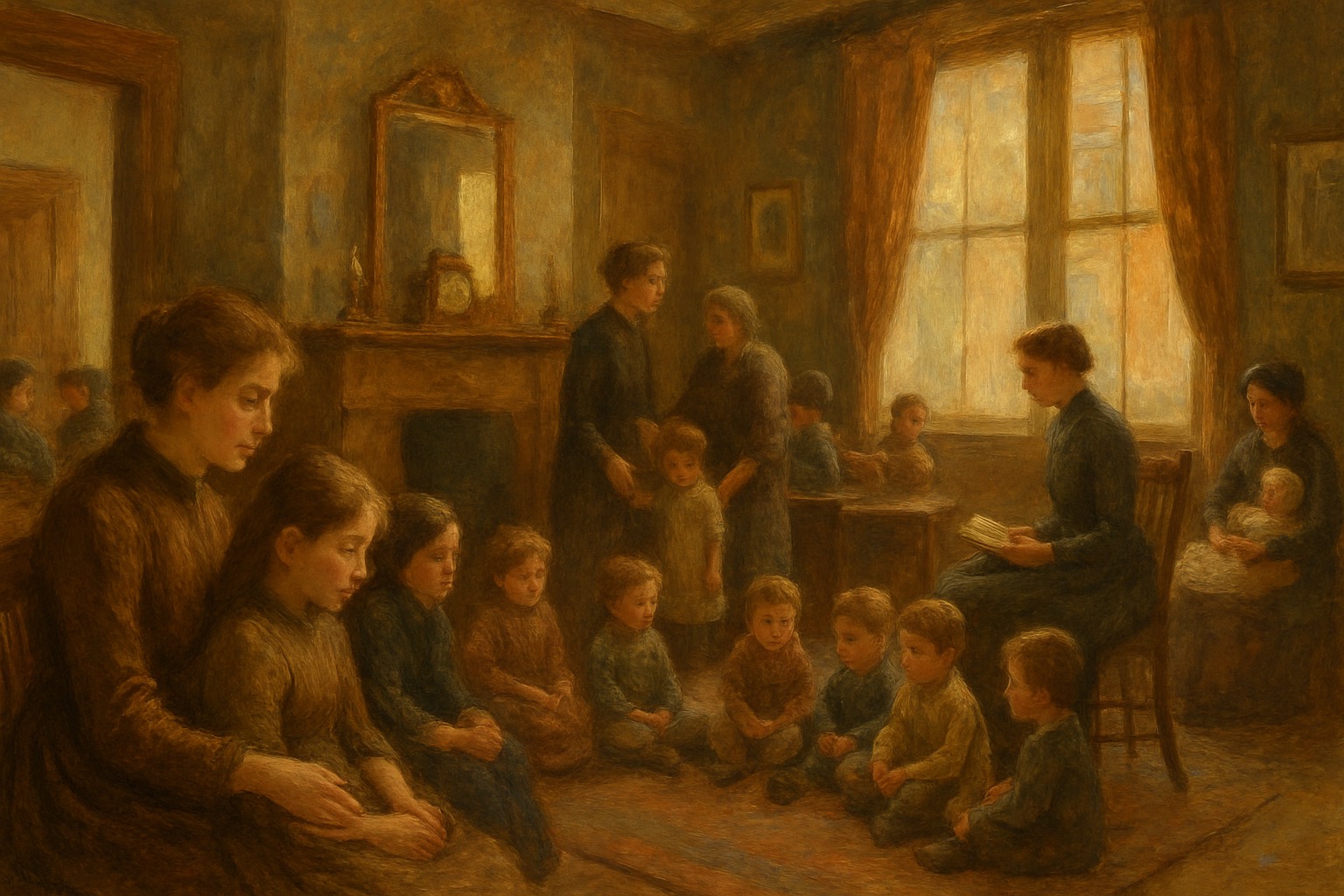
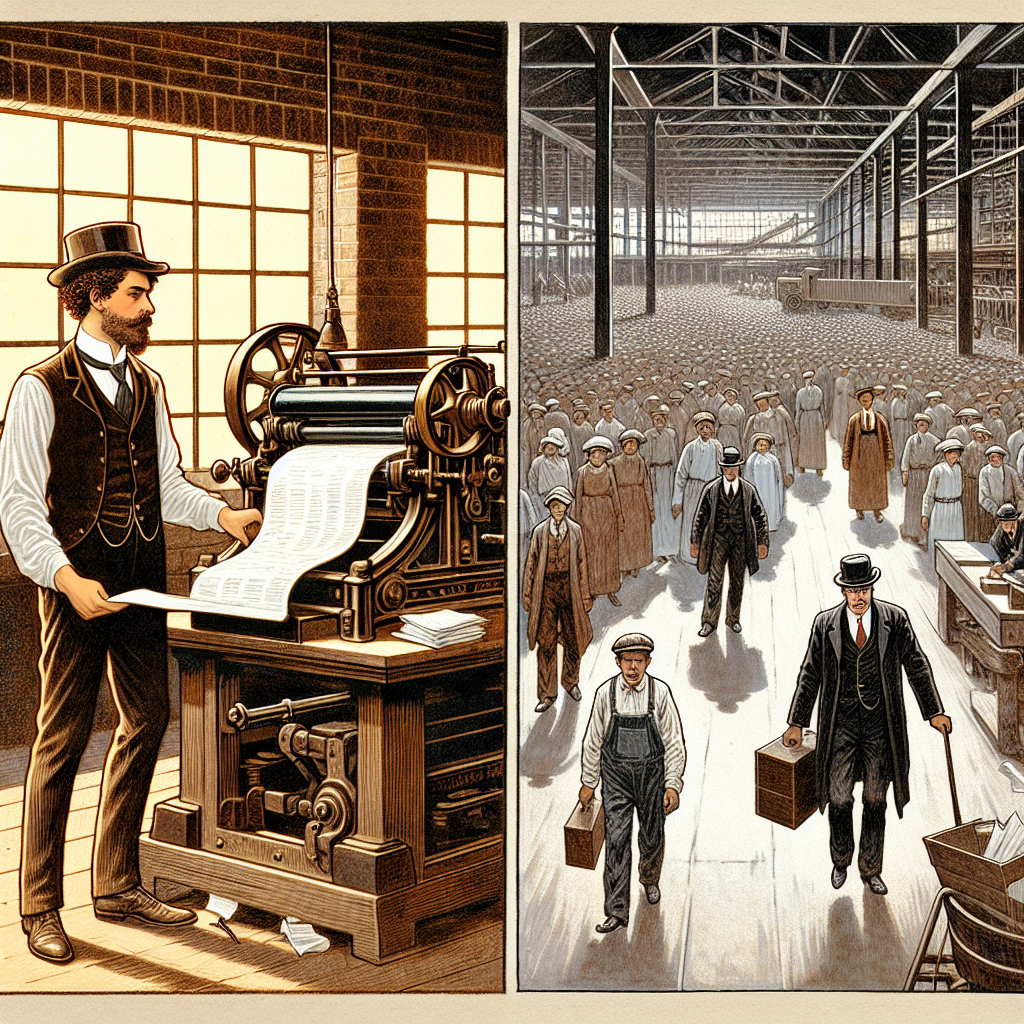
Jane Addams did not write the playbook for American social reform — she mostly improvised it, in real time, in a converted mansion on the west side of Chicago. Hull House, which she co-founded with Ellen Gates Starr in 1889, was a settlement house: a place where educated middle-class reformers lived alongside the immigrant poor, sharing resources, offering classes, and trying to understand urban poverty from the inside rather than studying it from a distance. It became the model for over 400 similar institutions across the country and the training ground for a generation of social workers, labor organizers, and policy reformers.
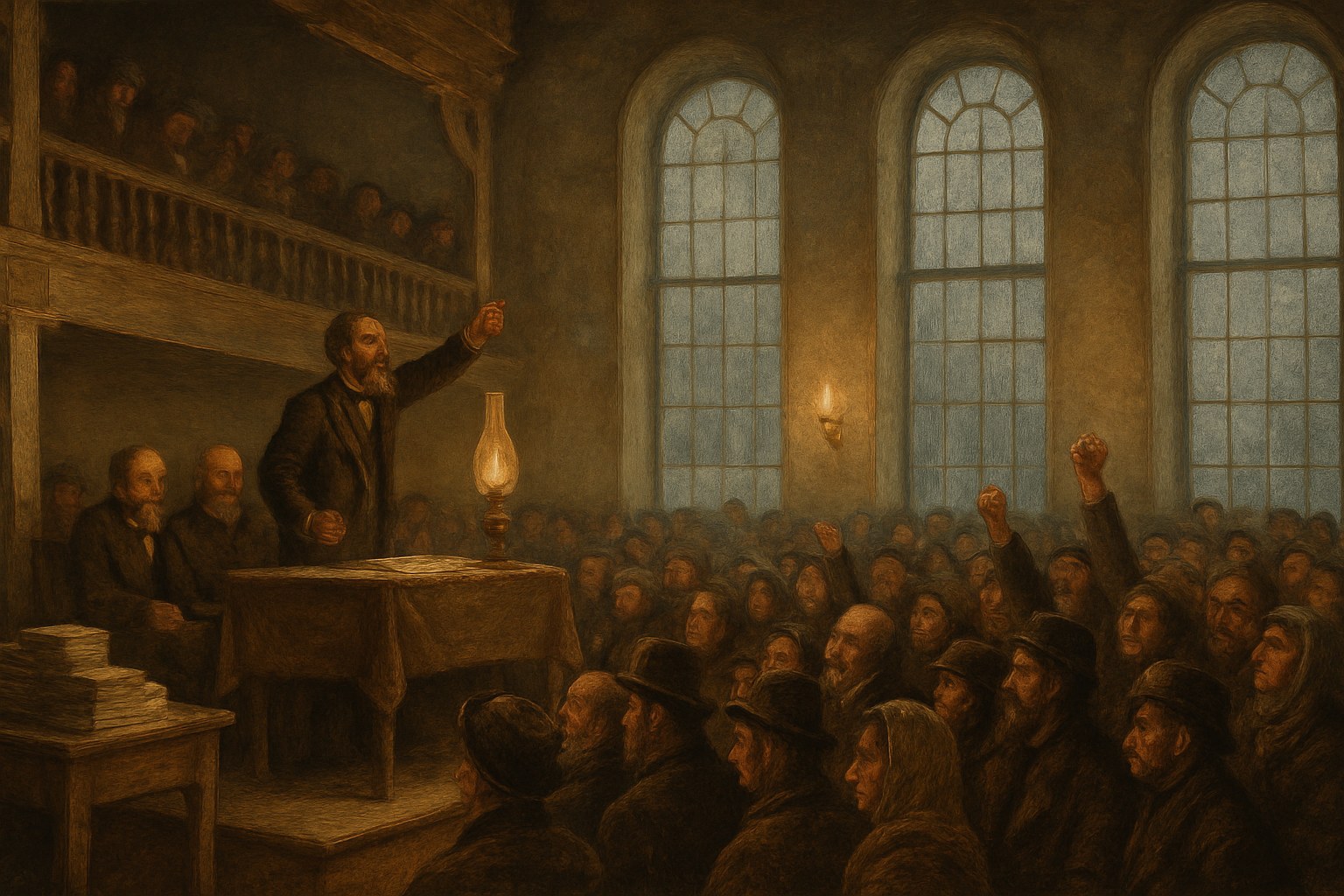
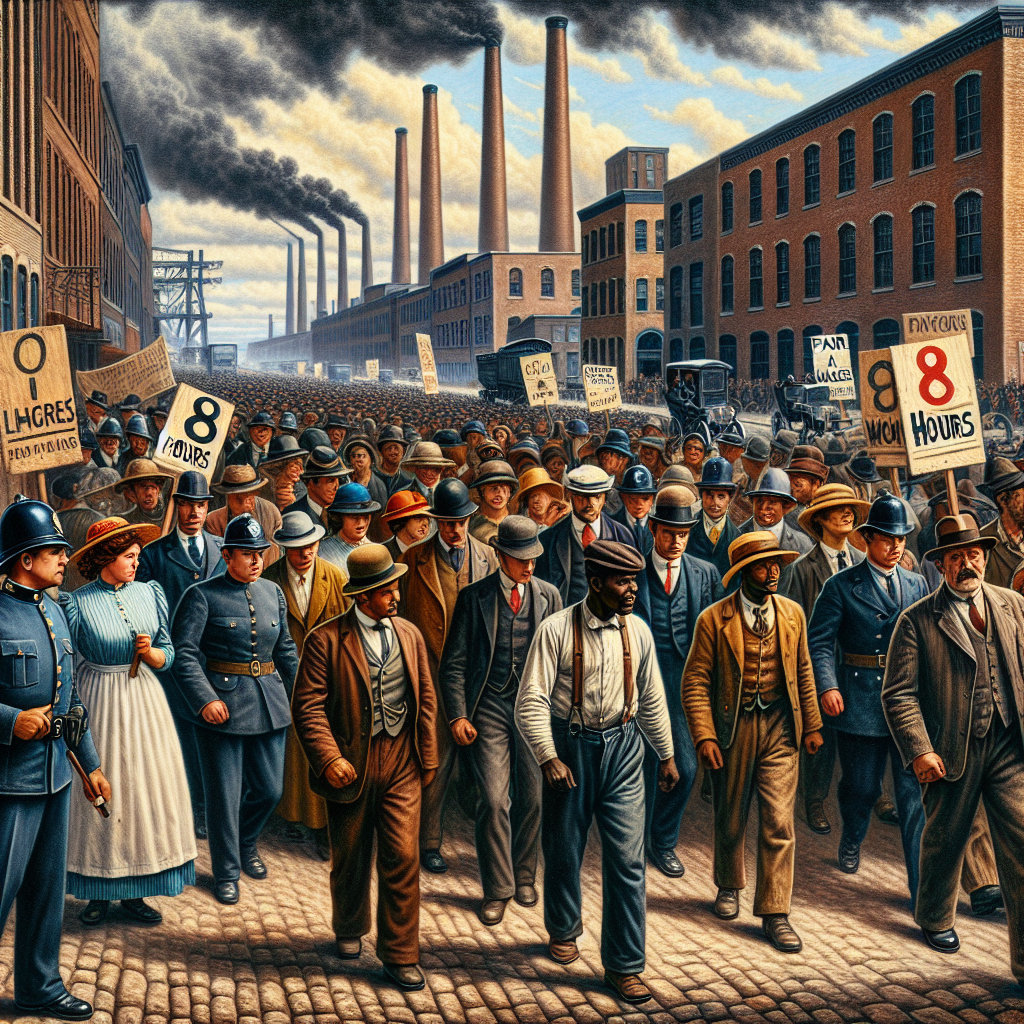
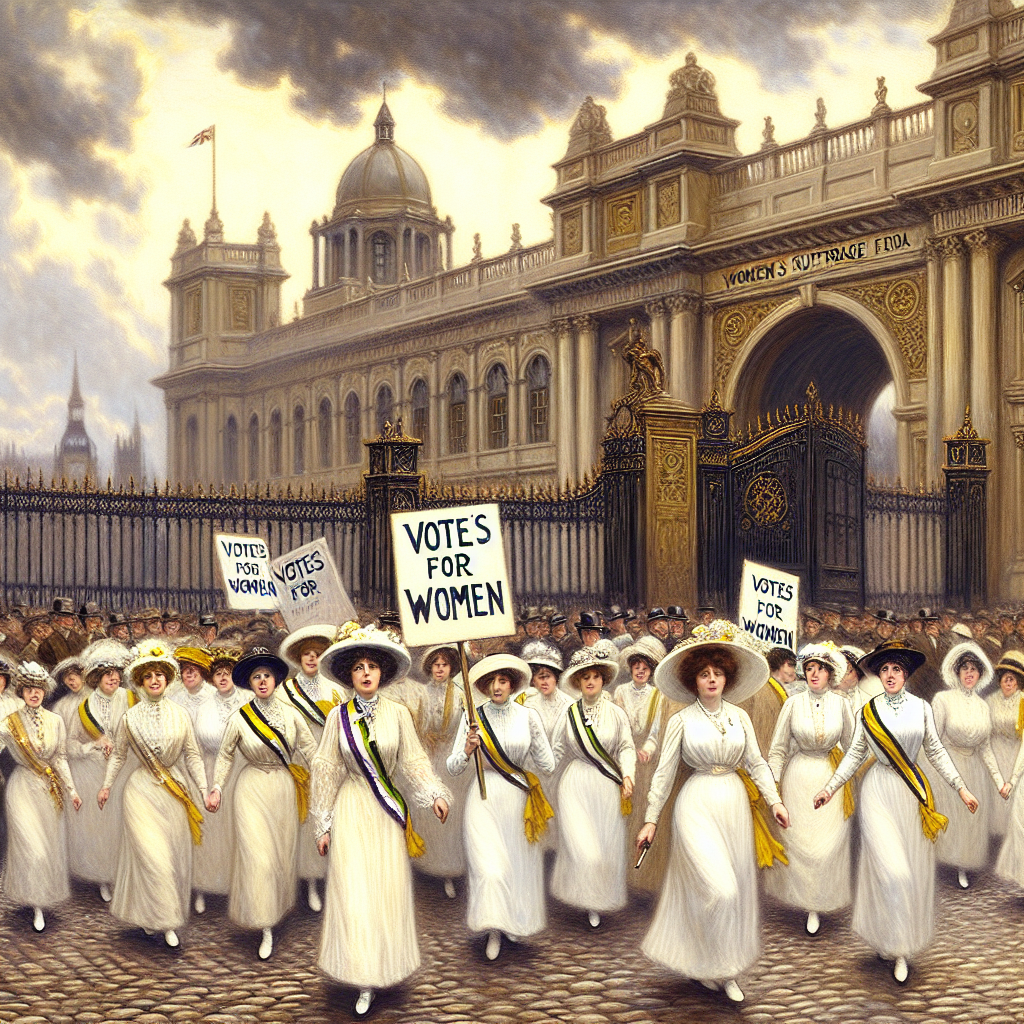
Addams was not content with charitable work. She lobbied for child labor laws, workplace safety regulations, women's suffrage, and public sanitation with the same energy she brought to Hull House's nursery and English classes. She was among the founders of the NAACP and the American Civil Liberties Union. During World War I, her opposition to American involvement cost her enormous public prestige — she was denounced as a traitor, expelled from the Daughters of the American Revolution, and subjected to FBI surveillance. She held her position anyway. In 1931, she became the first American woman awarded the Nobel Peace Prize.
Hull House itself became a policy laboratory whose outputs shaped 20th-century American governance. The research conducted there on child labor, workplace accidents, and immigrant living conditions provided the empirical foundation for Progressive Era legislation. Addams and her colleagues demonstrated that poverty was structural rather than moral — a product of industrial capitalism's conditions, not personal failing. That argument, radical in 1889, is now the baseline assumption of American social policy.


| Born | September 6, 1860 — Cedarville, Illinois |
| Died | May 21, 1935 — Chicago, Illinois |
| Founded | Hull House, Chicago, 1889 (with Ellen Gates Starr) |
| Key Causes | Child labor, women's suffrage, workers' rights, pacifism |
| Organizations | NAACP (co-founder); ACLU (co-founder) |
| Nobel Prize | Nobel Peace Prize, 1931 — first American woman to receive it |
| Years | 1860–1935 |
| Location | Chicago, Illinois |