Emilio Aguinaldo
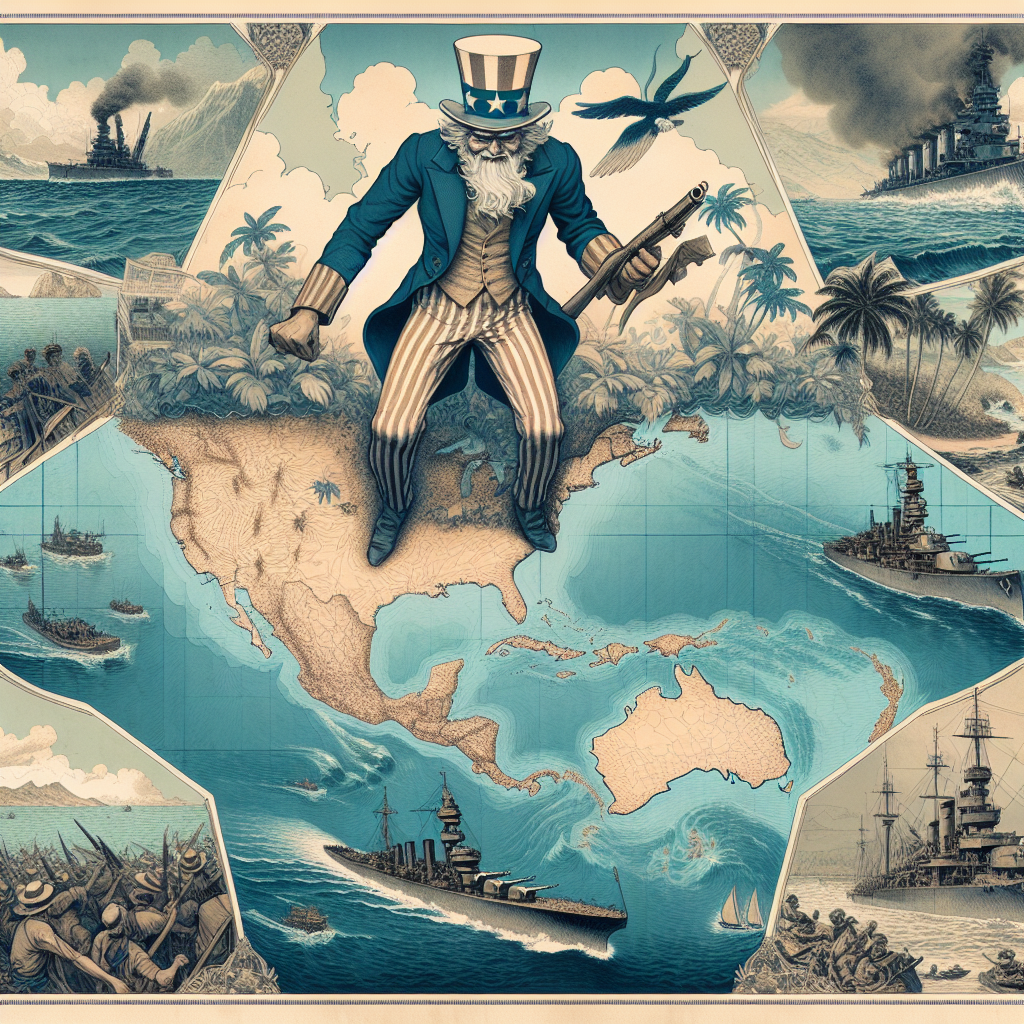
In May 1898 an American warship carried a twenty-nine-year-old Filipino general home from exile in Hong Kong, on the calculation that he could raise the countryside against Spain faster than any expeditionary force. Emilio Aguinaldo did exactly that. Within weeks his troops held most of Luzon outside Manila, and on June 12 he stood on the balcony of his house at Kawit and proclaimed the independence of the Philippines. Neither he nor the officers who had fetched him had put in writing what was to happen next, and the two sides had entirely different answers.
He had come to the revolution as a small-town mayor from a landed family in Cavite, sworn into the secret society called the Katipunan in 1895 and prominent in the fighting that began the next year. At the Tejeros convention of 1897 he was elected over the movement's founder, Andres Bonifacio, who refused the result and was tried and executed by Aguinaldo's men that May — an episode that has divided Filipino historians ever since. In December 1897 the pact of Biak-na-Bato bought a truce, an indemnity, and exile in Hong Kong, from which the Americans retrieved him.
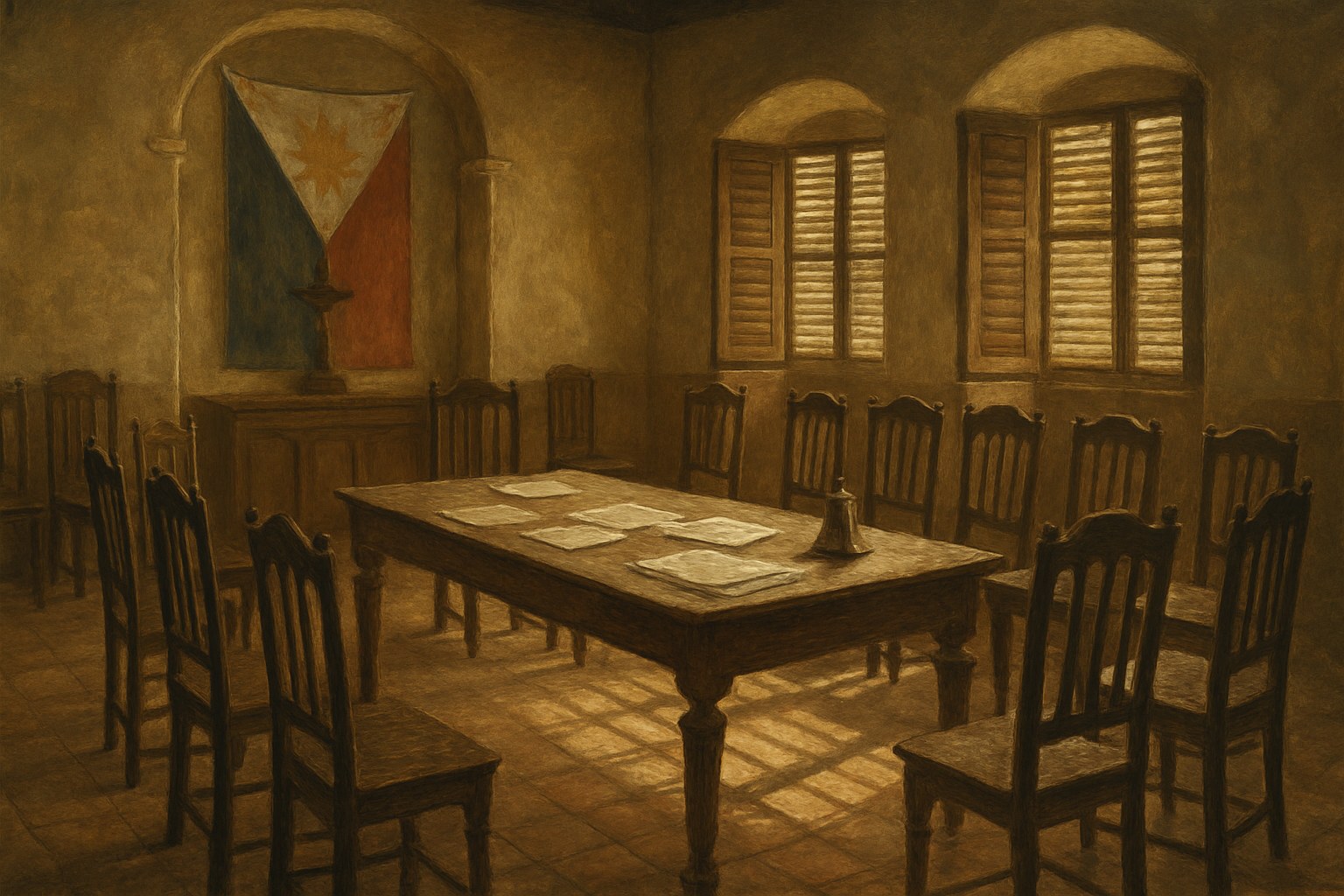
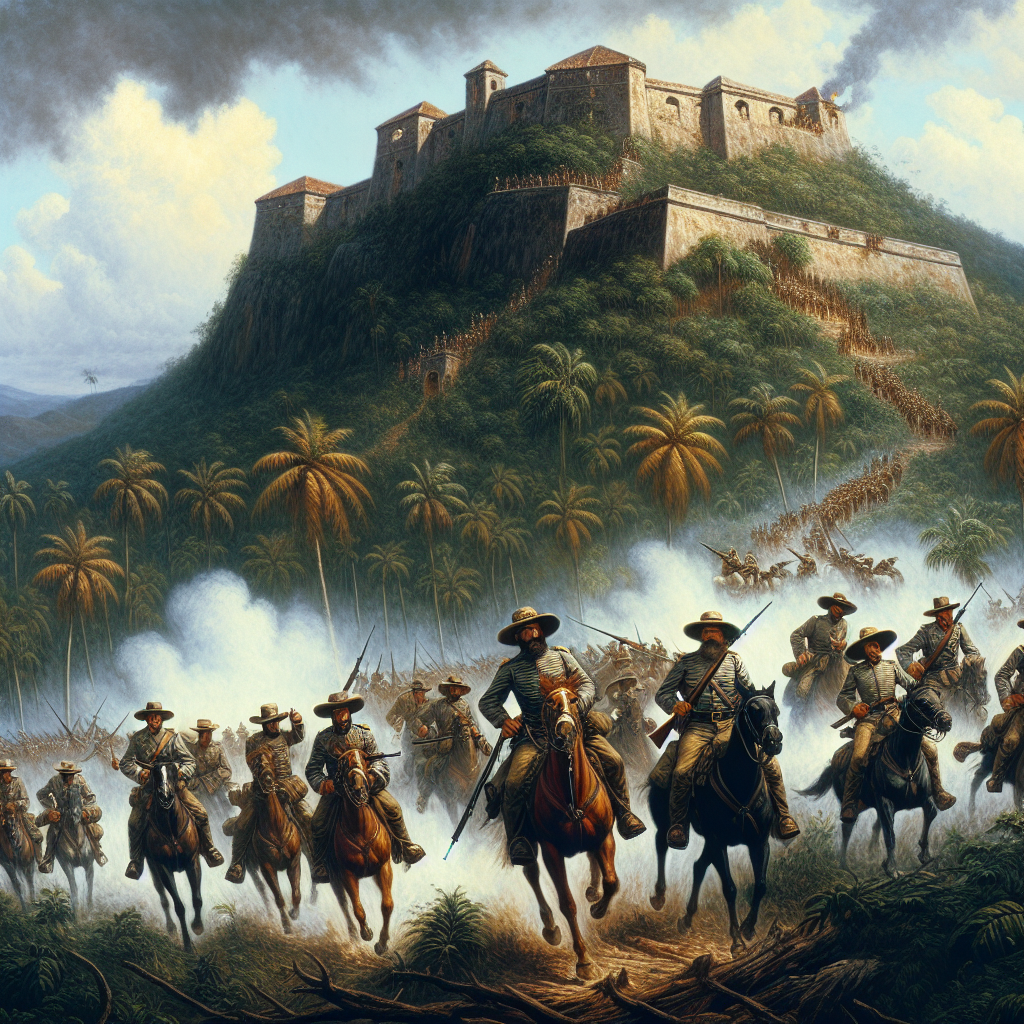
The Malolos Congress adopted a constitution and inaugurated him president of the First Philippine Republic on January 23, 1899. American commanders had already excluded his army from the surrender of Manila. When the war between them began in February his forces were beaten in the field within the year, and in November 1899 he disbanded the regular army for a guerrilla campaign directed from the mountains. His ablest general, Antonio Luna, had been killed by Aguinaldo's own guards in June, a death many historians lay at his door and others do not. On March 23, 1901, an American column reached his hideout at Palanan disguised as the prisoners of a friendly Filipino unit and took him alive.
He swore allegiance to the United States a week later and called on his countrymen to accept American sovereignty. He lived another sixty-three years — running for president of the Commonwealth in 1935 and losing heavily to Manuel Quezon, cooperating with the Japanese occupation government and being arrested for it in 1945, then released under a general amnesty, and finally serving on a council of state before his death in 1964 at the age of ninety-four. In 1962 the Philippines moved its Independence Day from July 4 to June 12, the date of his proclamation, which settled at least the question of whose independence the country chose to date itself from.
| Born | March 22, 1869, Kawit, Cavite |
| Proclaimed | Philippine independence, June 12, 1898 |
| President | First Philippine Republic, from January 23, 1899 |
| Captured | March 23, 1901, at Palanan, Isabela |
| Later | Lost the 1935 Commonwealth election to Quezon |
| Died | February 6, 1964, aged 94 |
| Date | 1869-1964 |
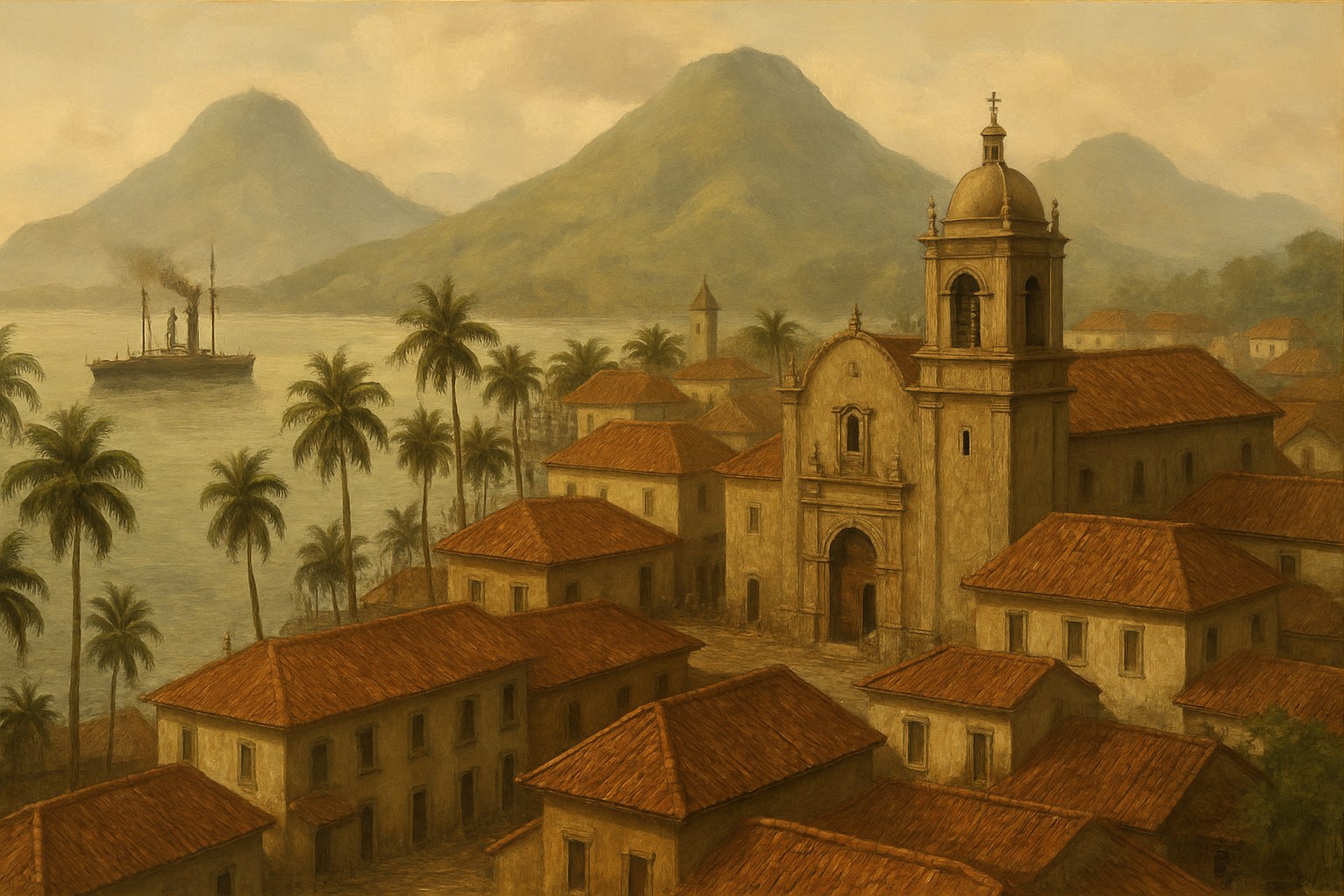
| Location | Kawit, Cavite, Philippines |