The Philippines
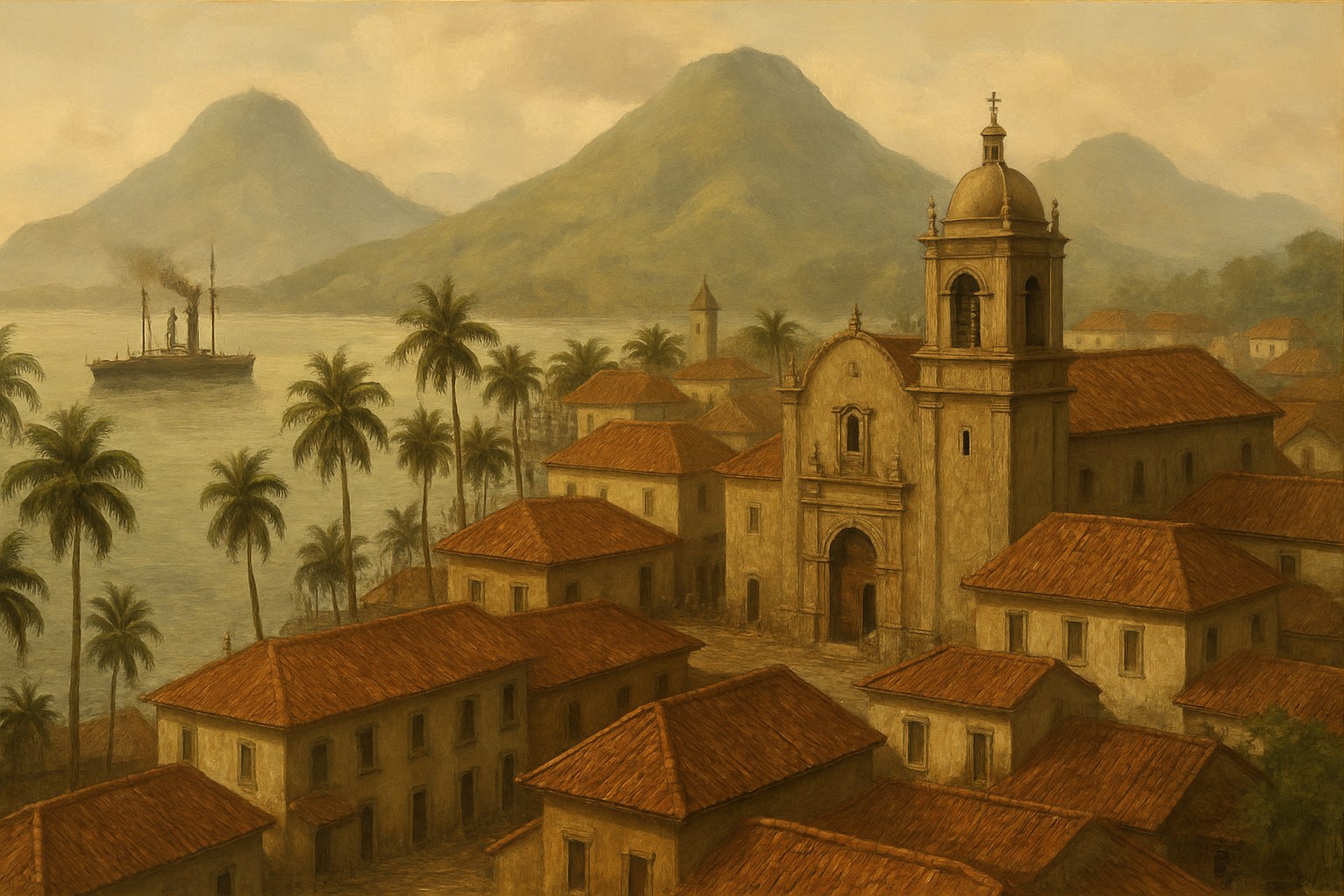
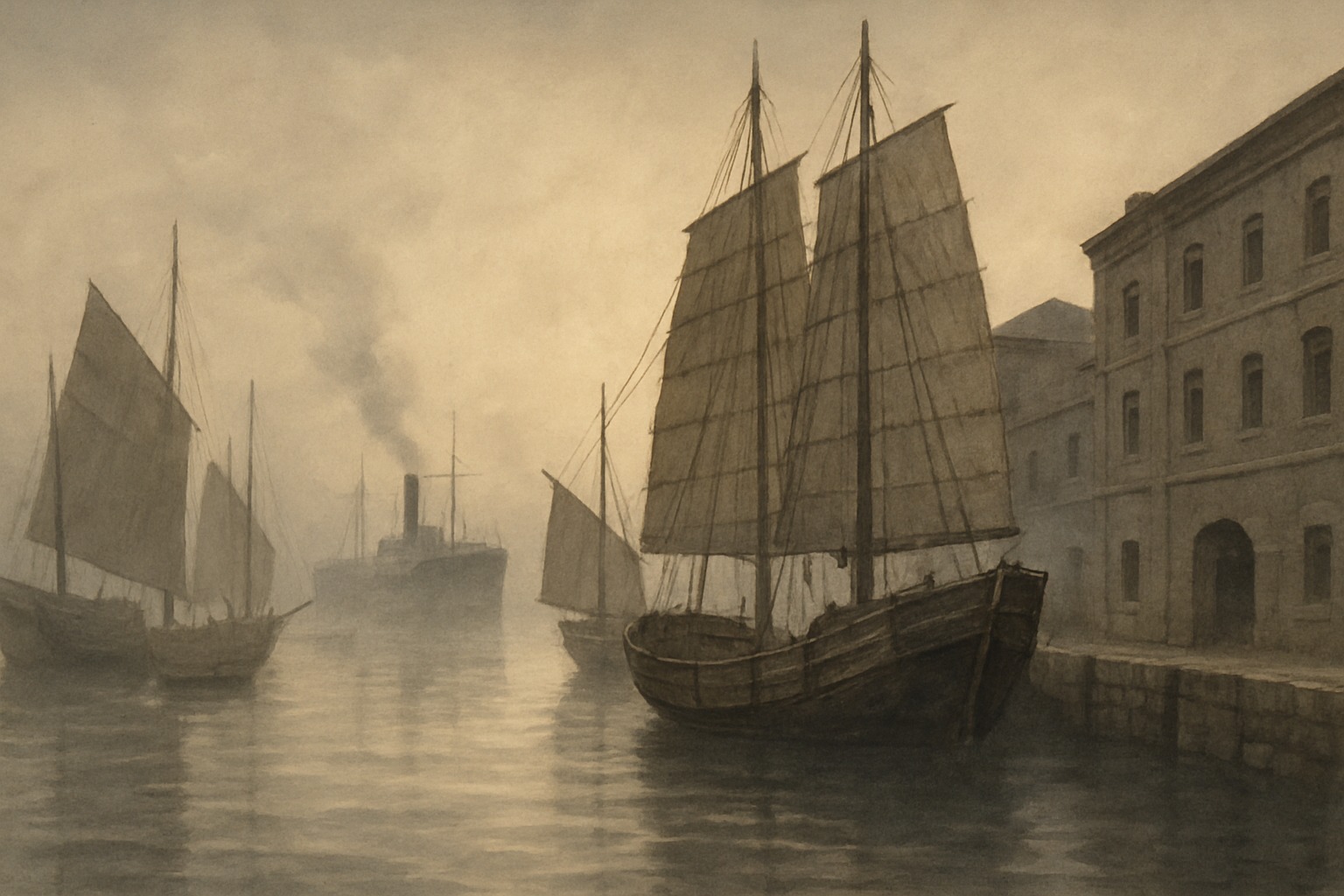
When Commodore George Dewey's squadron destroyed the Spanish fleet in Manila Bay on the morning of May 1, 1898, few Americans could have found the Philippines on a map. The archipelago of more than seven thousand islands had been governed from Madrid for three centuries and was already in revolt against that rule. A war launched over Cuba, on the far side of the world, ended with the United States holding an Asian colony of some seven million people — the largest overseas possession it ever acquired, and the only one it ever governed as an avowed colony and then let go.
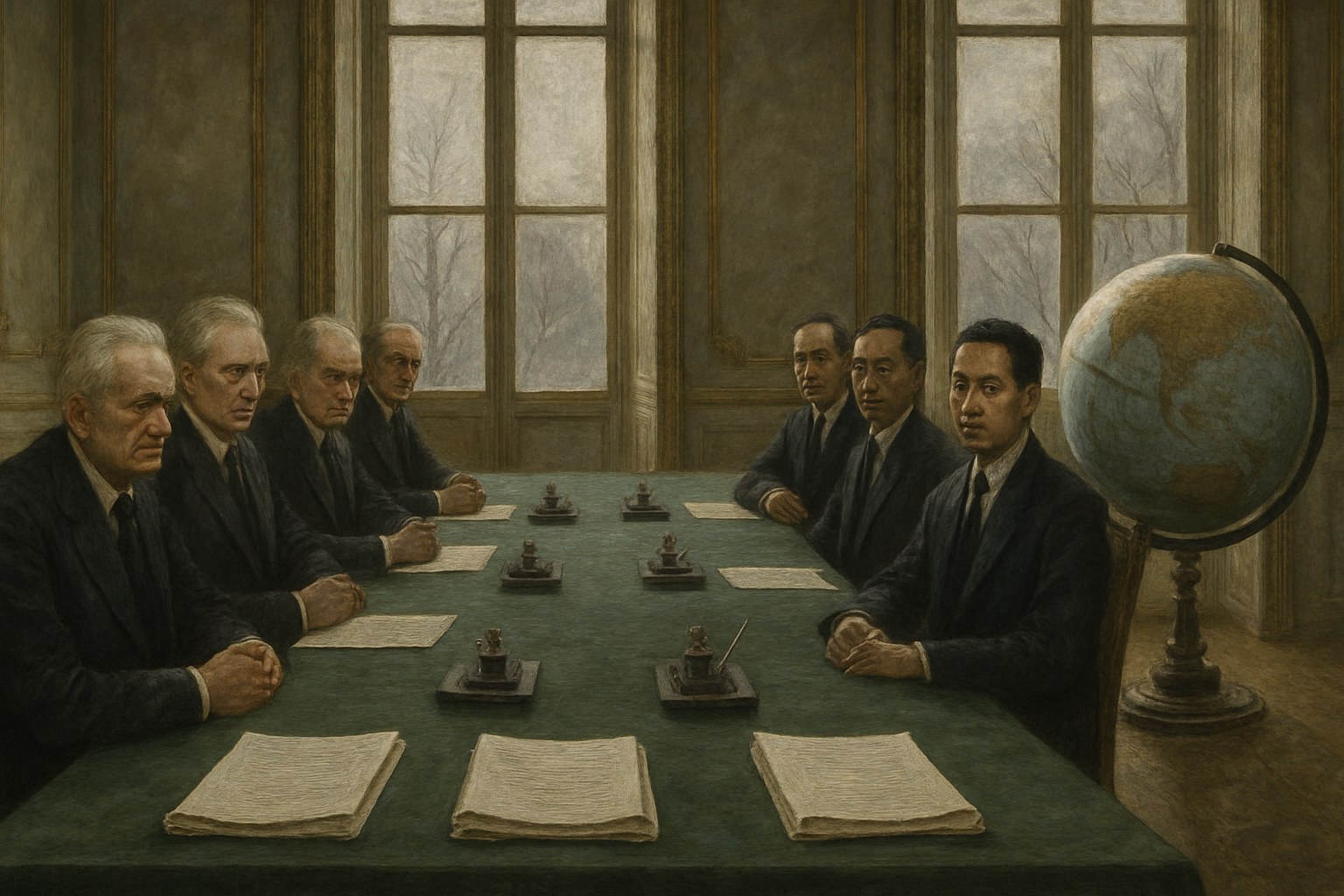
President William McKinley, by his own later account, walked the halls of the White House at night before concluding that the United States could neither hand the islands back to Spain nor leave them to themselves nor let a rival power take them. The Treaty of Paris in December 1898 transferred sovereignty for twenty million dollars. Filipino leaders who had proclaimed their own republic that June found the colonial power simply exchanged, and in February 1899 the two armies that had jointly besieged Manila turned on each other.
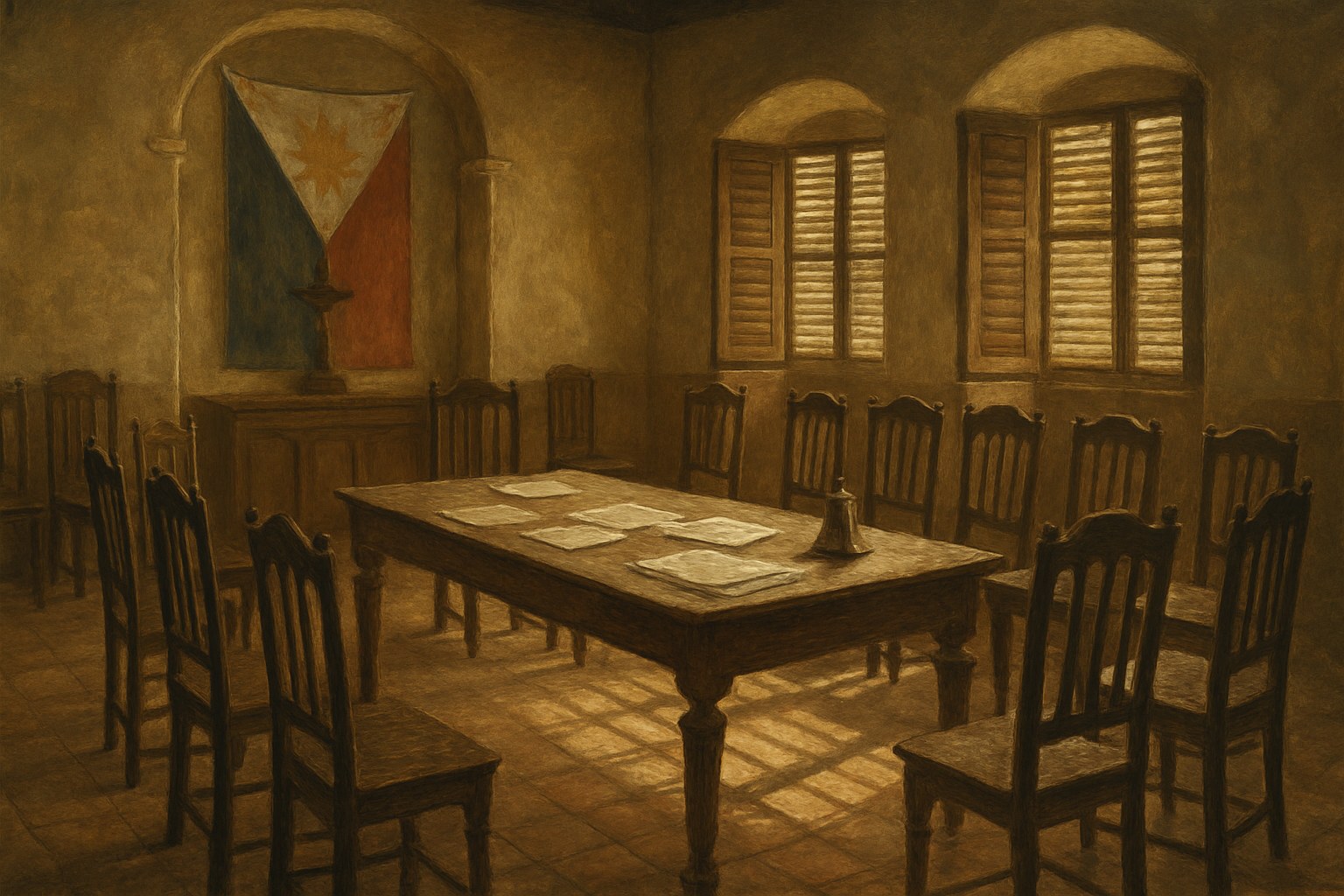
Civil government followed the fighting. William Howard Taft arrived in 1900 as head of a commission and became the first civil governor in 1901, promising rule for the benefit of the Filipinos. American teachers, the Thomasites, built a public school system in English. Filipinos won an elected lower house in 1907 and a legislature of their own under the Jones Act of 1916, which pledged eventual independence without naming a date. The Tydings-McDuffie Act of 1934 finally set one, and in 1935 the islands became a commonwealth under President Manuel Quezon with independence promised in ten years.
The Japanese invasion came within hours of Pearl Harbor, and the surrender on Bataan in April 1942 was the largest in American military history. Three years of occupation and a brutal battle for Manila in 1945 left the capital in ruins and perhaps a hundred thousand civilians dead. Independence came on schedule on July 4, 1946, a date the Philippines later moved to June 12 to honor its own 1898 proclamation instead. Forty-eight years of American rule left the country a school system, a legal code, a language, a defense treaty, and an argument about all of it that has never quite ended.

| Acquired | Treaty of Paris, December 1898 |
| Price | $20 million paid to Spain |
| U.S. rule | 48 years, 1898 to 1946 |
| Commonwealth | 1935, under President Manuel Quezon |
| Occupied | By Japan, 1942 to 1945 |
| Independence | July 4, 1946 (now observed June 12) |
| Date | 1898-1946 |
| Location | Manila, Philippines |