Guam
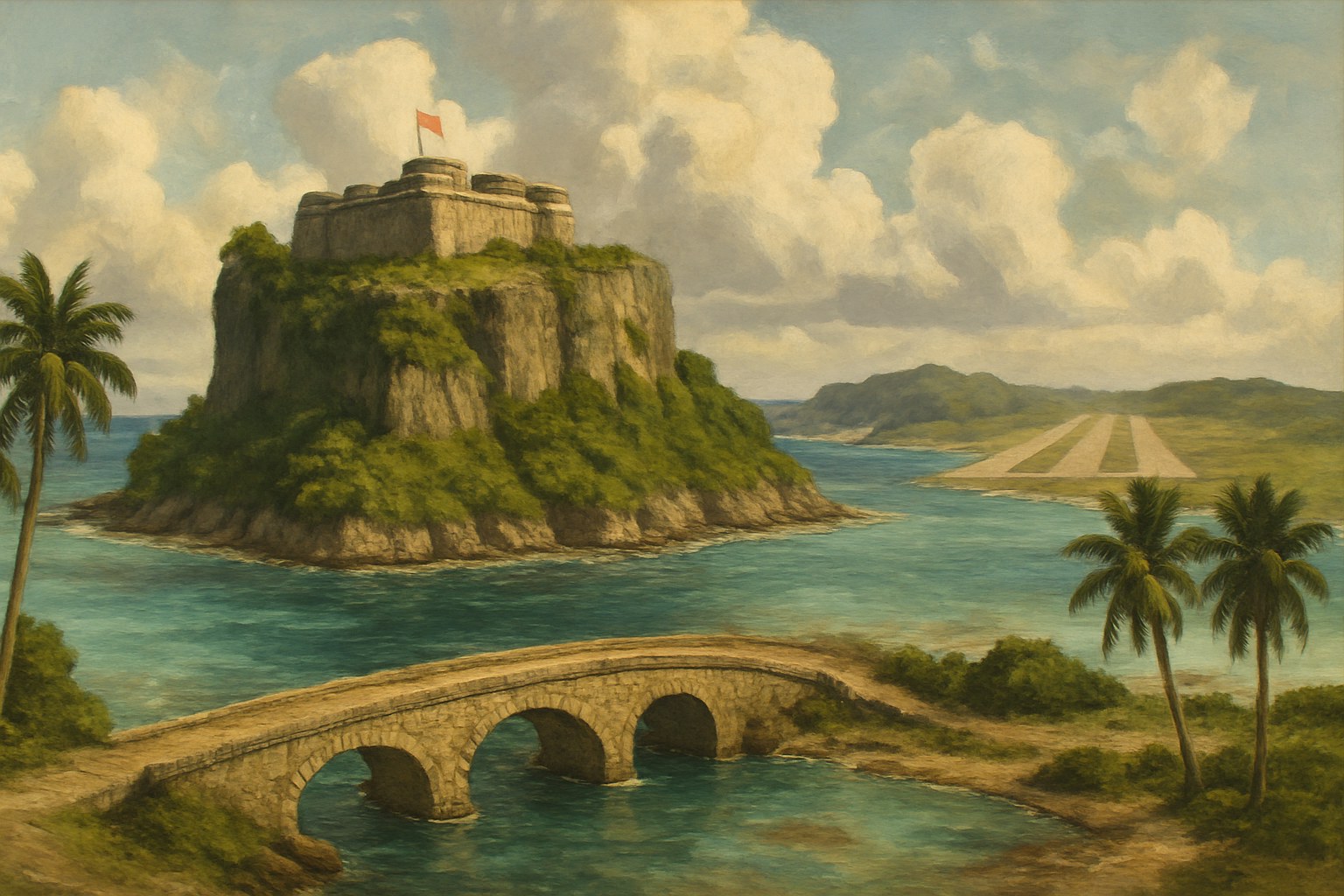
On June 20, 1898, the cruiser USS Charleston sailed into Apra Harbor and fired on the Spanish fort. The Spanish officials rowed out to apologize for having no powder with which to return what they took for a courtesy salute. Word that Spain and the United States were at war had not reached them. Guam changed hands the next day without a casualty on either side. The island's Chamorro people, under Spanish rule since 1668 and known to Europeans since Magellan touched there in 1521, acquired a third sovereign without being consulted about any of them.
Washington gave the island to the Navy. For four decades Guam was governed by a naval officer who held every executive, legislative, and judicial power, ruling by general order. The regime built roads, clinics, and schools, banned the Chamorro language in the classroom, and left residents without citizenship, without a bill of rights, and without a vote. Chamorro leaders petitioned Congress for civil government from 1901 onward and were refused each time. What mattered in Washington was the harbor and the cable station on the sea road from Hawaii to Manila.
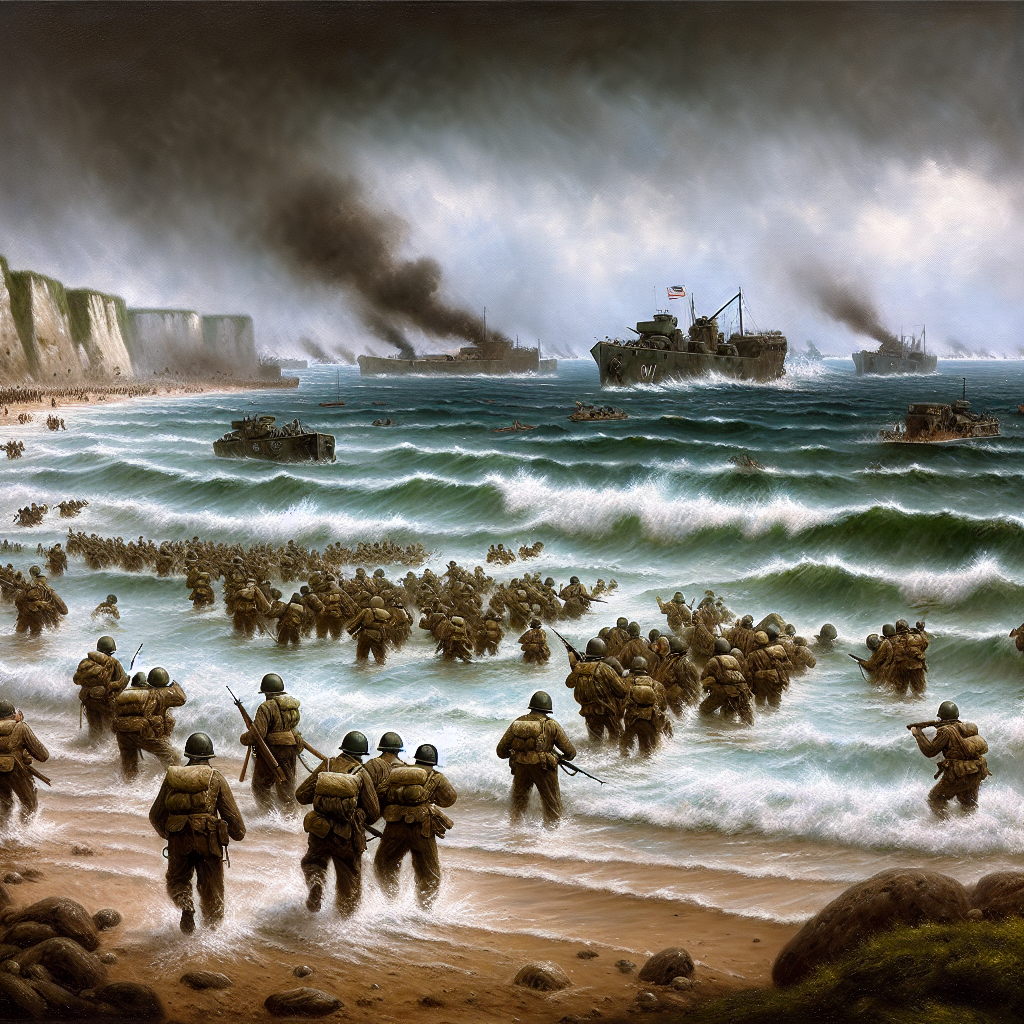
That road ran both ways. Japanese aircraft bombed Guam on December 8, 1941, and troops landed two days later against a garrison of a few hundred. The occupation lasted thirty-one months. Chamorros were conscripted for forced labor, beheadings and massacres were carried out at Faha and Tinta, and in the final weeks nearly the whole population was marched inland to concentration camps at Manenggon. American forces landed on July 21, 1944 — still observed as Liberation Day — and the fighting ran to August 10, costing about 1,800 American lives and killing most of the 18,000-man Japanese garrison.
The Organic Act of 1950 finally made Guam an organized unincorporated territory, conferred United States citizenship, established a civilian government, and moved the island from the Navy to the Interior Department. Guamanians elected their own governor from 1970 and sent a nonvoting delegate to Congress from 1972. They still cannot vote for president. Roughly a quarter to a third of the island remains under military control, and Andersen Air Force Base and the naval base make Guam the westernmost anchor of American power in the Pacific — close enough to matter, as one common phrase has it, and close enough to be a target.
| Captured | June 21, 1898, without a casualty |
| Governed by | The U.S. Navy, 1899 to 1941 |
| Occupied | By Japan, December 1941 to July 1944 |
| Liberation Day | July 21, 1944 |
| Organic Act | 1950 — citizenship and civil government |
| Today | Organized unincorporated territory, no presidential vote |
| Date | American since 1898 |
| Location | Hagatna, Guam |