The United States Virgin Islands
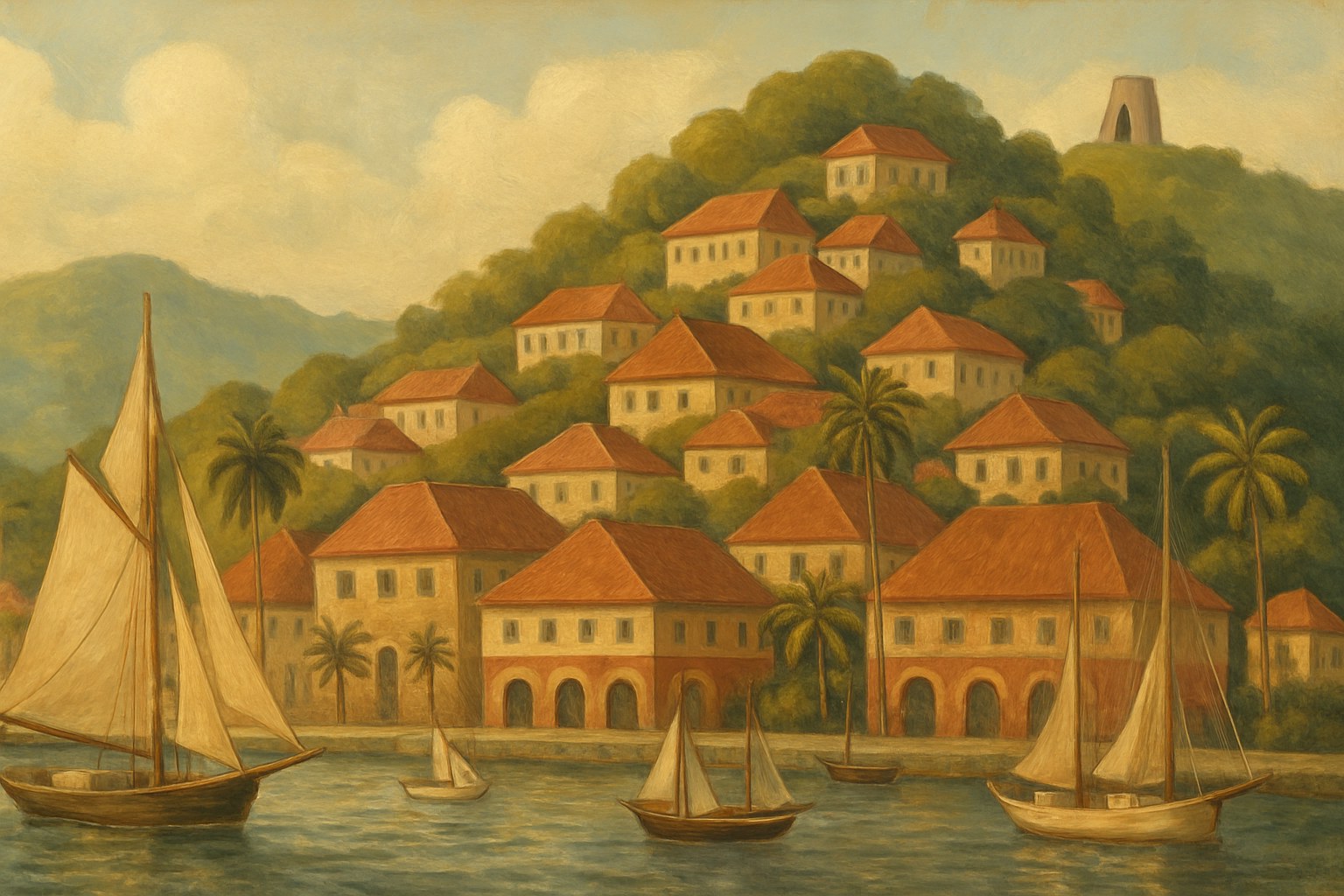
Denmark had held St. Thomas, St. John, and St. Croix since the seventeenth and eighteenth centuries, worked them with enslaved Africans, and watched their value collapse after emancipation in 1848 and the rise of European beet sugar. By the second half of the nineteenth century the Danish West Indies cost Copenhagen more than they returned. Washington had been interested since the Civil War, when a Confederate raider's use of Caribbean waters made a naval station look valuable, and Secretary of State William Seward negotiated a purchase treaty in 1867 that the Senate declined to ratify.
A second attempt in 1902 passed the American Senate and died in the Danish upper house. The First World War revived it with urgency. If Germany overran Denmark, the islands might become a submarine base squarely across the approaches to the newly opened Panama Canal. The treaty was signed on August 4, 1916, for twenty-five million dollars in gold — by area the most expensive land the United States ever bought. Danish voters approved it in a December referendum, and the transfer took place at Charlotte Amalie on March 31, 1917, six days before the United States declared war on Germany.
The Navy governed until 1931, when Herbert Hoover, who had just called the islands an effective poorhouse, handed them to the Interior Department. Congress granted citizenship in 1927 and civil government under Organic Acts in 1936 and 1954. Islanders elected their own governor beginning in 1970 and sent a nonvoting delegate to Congress from 1972. The economy shifted from failing sugar to tourism, which boomed after Cuba closed to American travelers in 1959, and to a vast oil refinery on St. Croix that dominated the territory's finances for four decades.
The strategic reason for the purchase evaporated within two years of the transfer, and what remained was an American Caribbean territory of about a hundred thousand people who are citizens, pay no federal income tax on local income, and cannot vote for the president. In September 2017 Hurricanes Irma and Maria struck the islands two weeks apart, wrecking the power grid and the hospitals. The Virgin Islands were the last territory the United States ever bought, closing a century of expansion that had begun with Louisiana and run through Florida, Alaska, and the Gadsden strip.


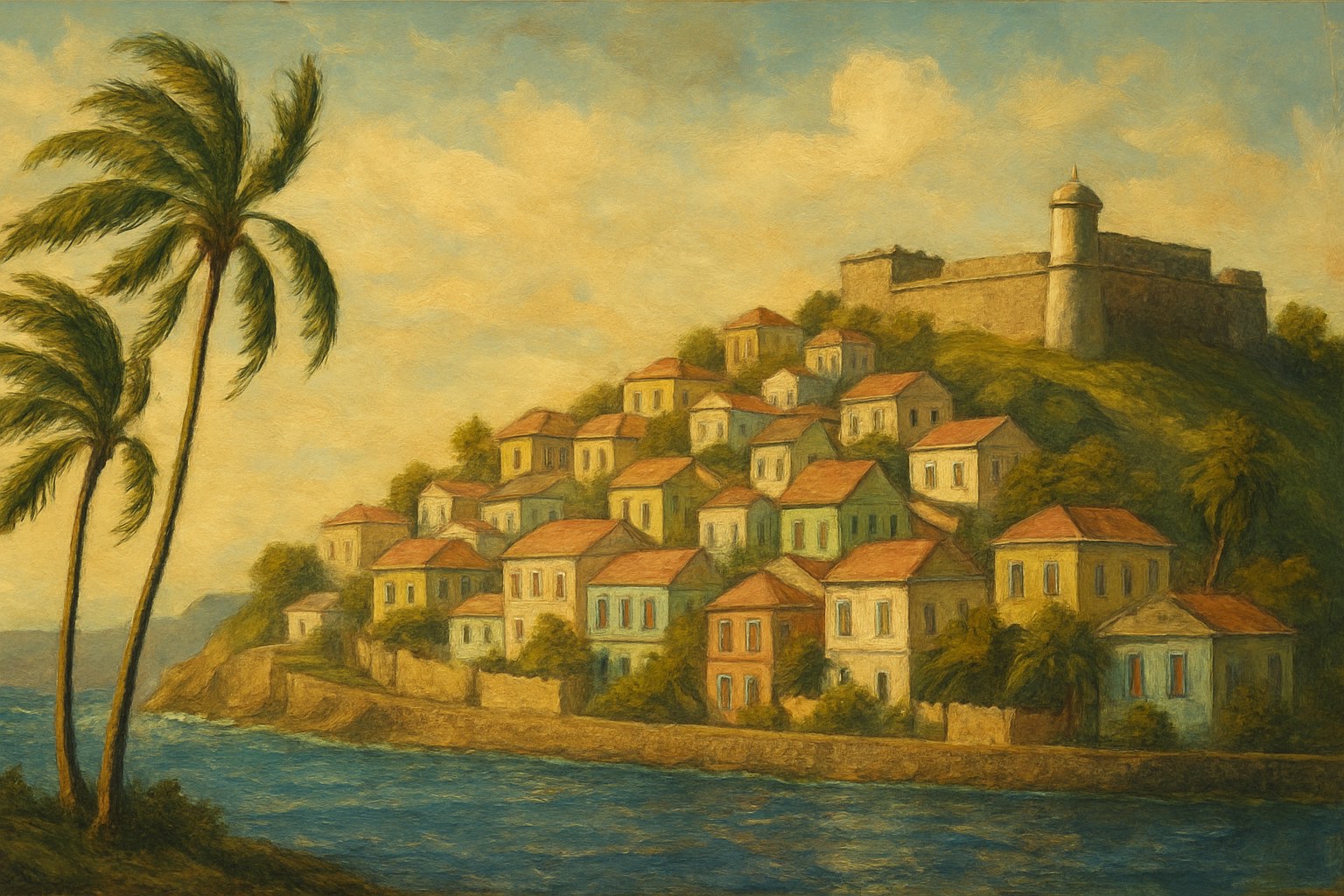
| Bought from | Denmark |
| Price | $25 million in gold |
| Treaty | Signed August 4, 1916 |
| Transfer | March 31, 1917 |
| Motive | Keeping the Caribbean out of German hands |
| Citizenship | Granted 1927 |
| Date | Purchased 1917 |
| Location | Charlotte Amalie, St. Thomas |