Spanish-American War
The Spanish-American War lasted 113 days, cost fewer than 400 American combat deaths, and converted the United States from a continental republic into a Pacific and Caribbean empire. It began with an explosion. On February 15, 1898, the USS Maine blew up in Havana Harbor, killing 266 sailors, and American newspapers — particularly William Randolph Hearst's New York Journal and Joseph Pulitzer's New York World — assigned blame to Spain before any investigation had been conducted, in a campaign of war enthusiasm that gave the English language the term "yellow journalism." The cause of the explosion remains disputed; the most likely explanation is an internal coal bunker fire. The newspapers' readers wanted war, Congress declared it in April, and the army and navy performed with unexpected efficiency against a Spanish force that was undermanned, undersupplied, and defending territories it could not realistically hold.
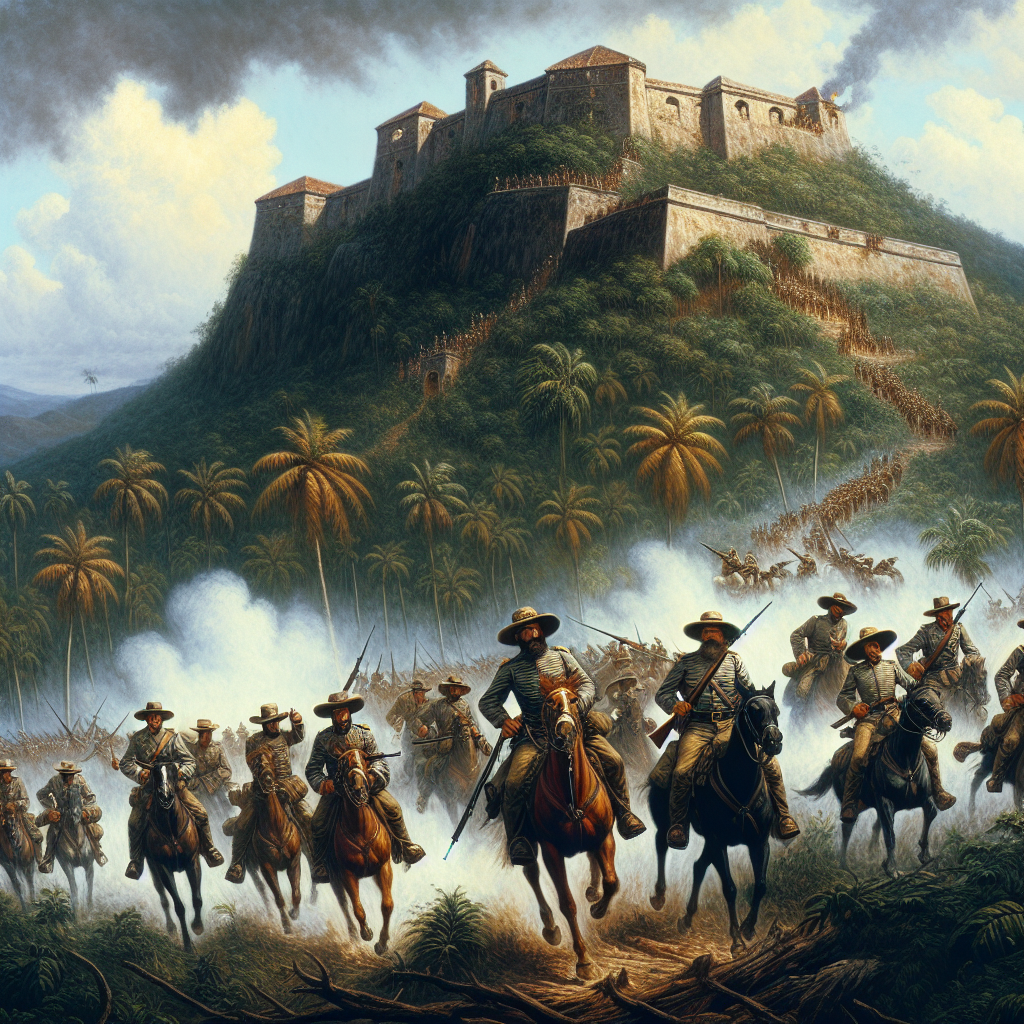
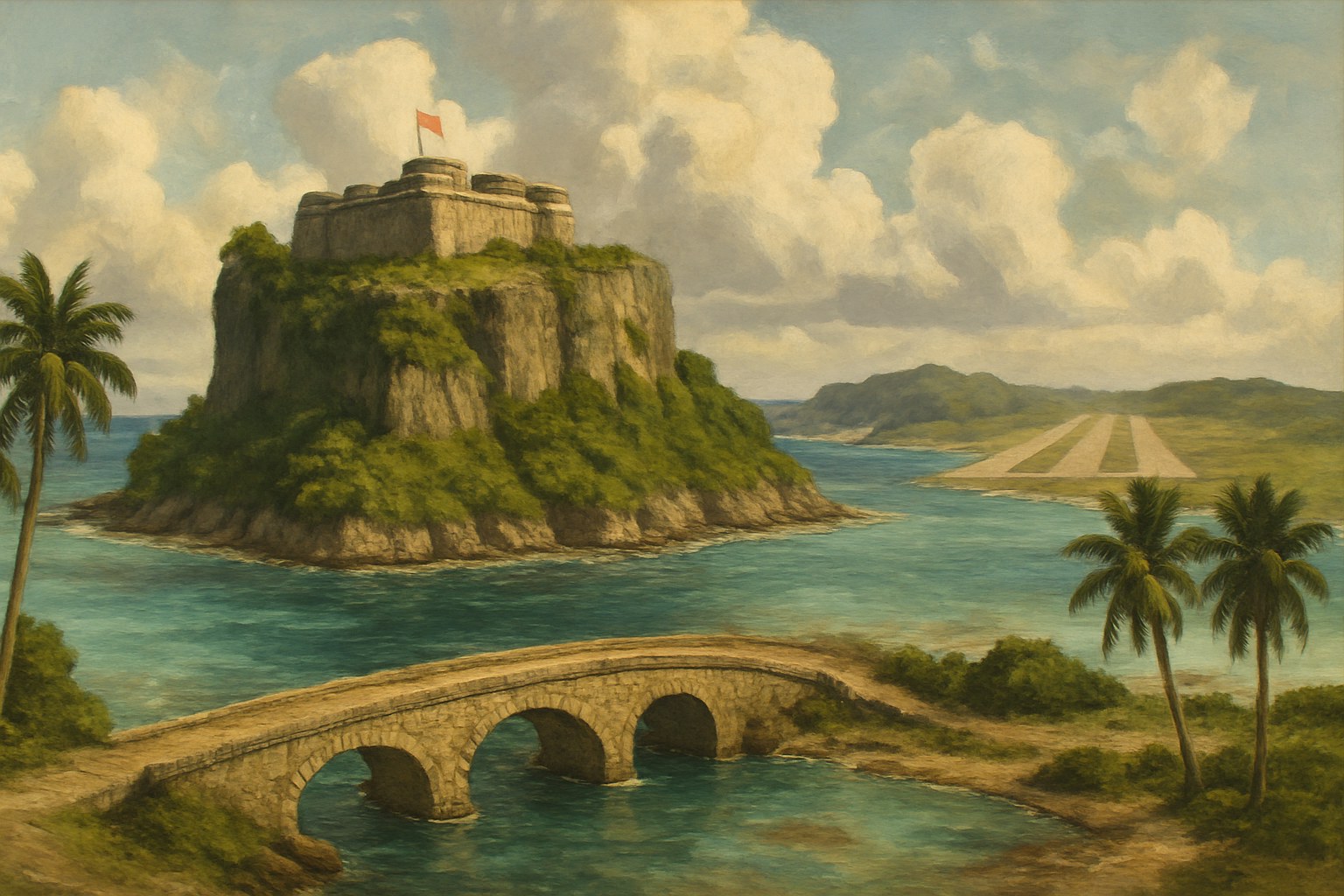
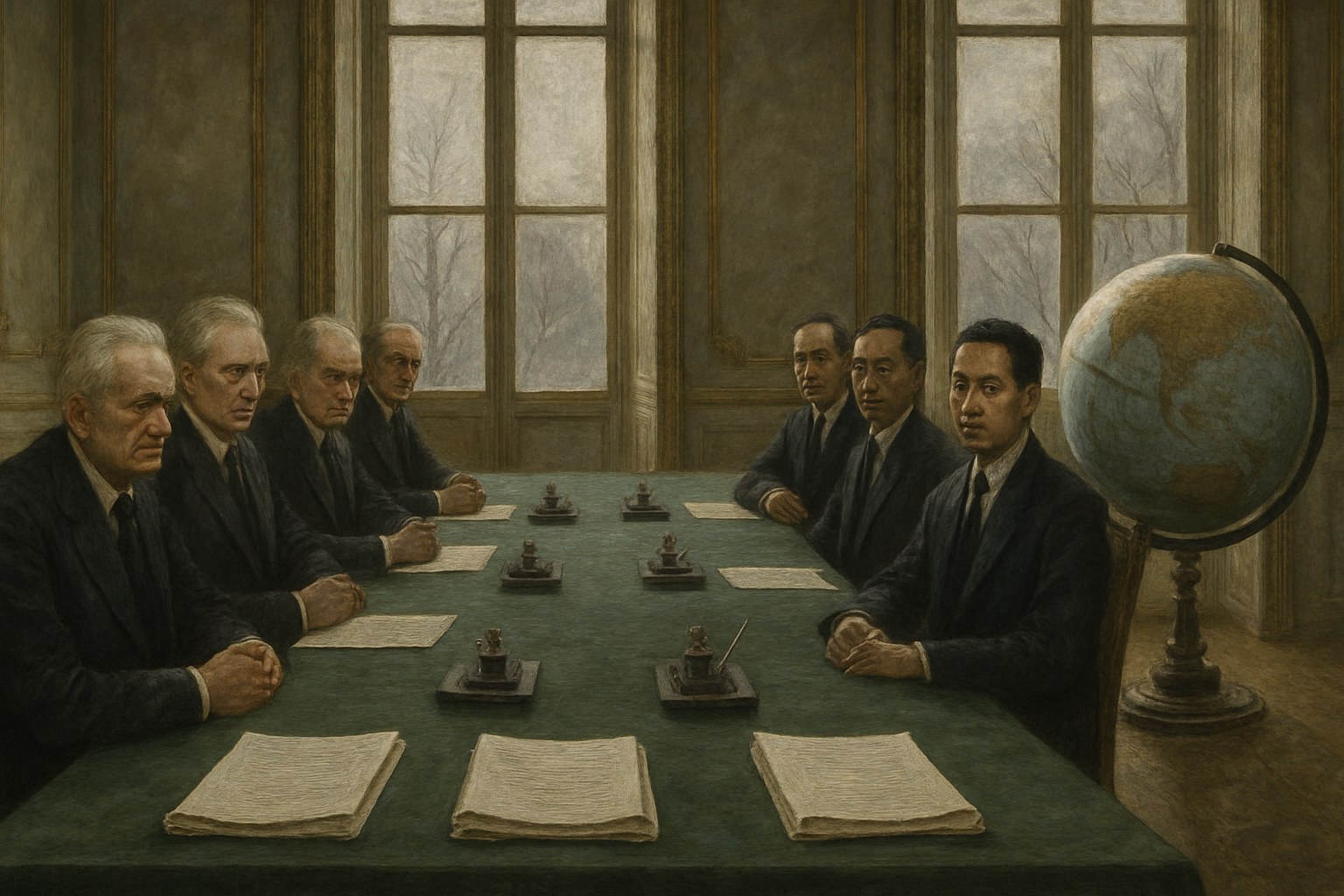
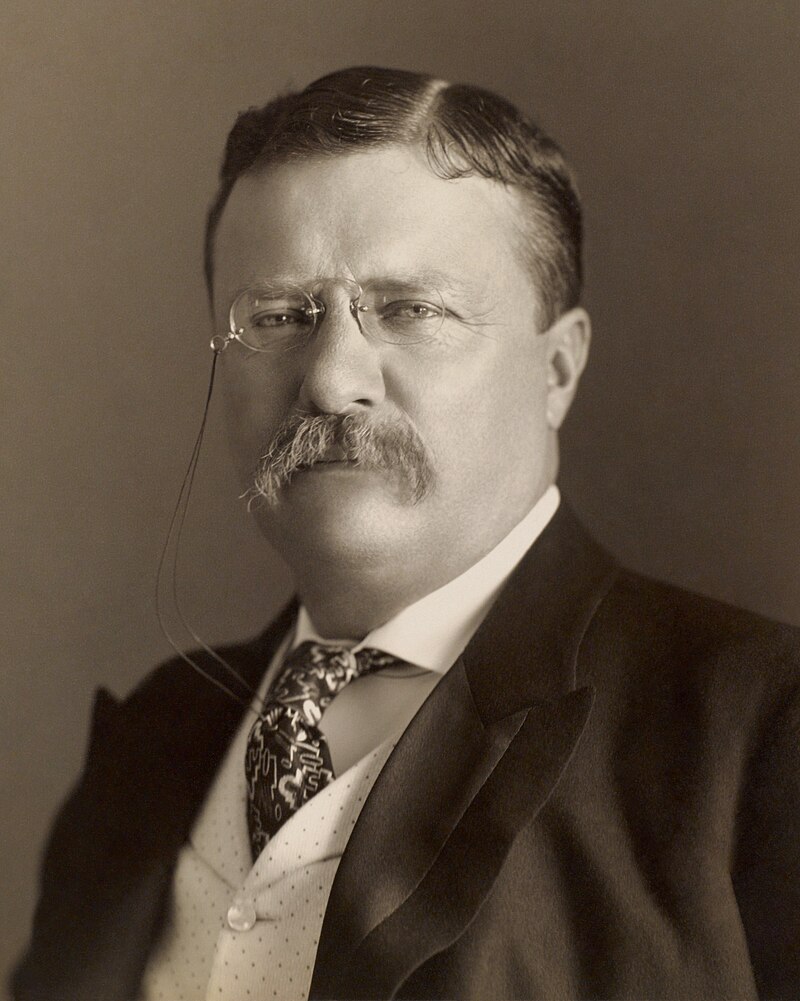
The war's most famous engagement was the charge up San Juan Hill on July 1, 1898, in Cuba — an assault associated in American memory with Theodore Roosevelt and his Rough Riders, though the hill they actually charged was Kettle Hill, and the Buffalo Soldiers of the 9th and 10th Cavalry regiments — Black soldiers who had been fighting on the frontier for decades — played an equal or greater role in the assault that Roosevelt's considerable talent for self-promotion largely obscured. Cuba became nominally independent under American supervision. Puerto Rico and Guam became American territories. The Philippines, for $20 million, were purchased from Spain.
The Philippines were not purchased into tranquility. Filipino independence fighters who had been expecting liberation — they had been fighting Spain themselves — discovered that they had exchanged one colonial power for another and launched a guerrilla war against American forces that lasted three years, killed between 200,000 and 600,000 Filipino civilians and combatants, and required tactics — water torture, civilian concentration, scorched earth — that the American government was simultaneously condemning when Spain used them in Cuba. Mark Twain, who had initially supported the war, became the most prominent member of the Anti-Imperialist League and spent his final years writing about American hypocrisy with a savagery that his publishers frequently declined to print. The war lasted four months. Its consequences lasted a century.
| Dates | April 25 – August 13, 1898 |
| U.S. president | William McKinley |
| U.S. combat deaths | ~385 |
| Total U.S. deaths | ~2,446 (mostly disease) |
| Trigger | USS Maine explosion, February 15, 1898 |
| Territories acquired | Cuba (protectorate), Puerto Rico, Guam, Philippines |
| Philippines price | $20 million from Spain |
| Philippine-American War | 1899–1902 (200,000–600,000 Filipino deaths) |
| Date | April 25 – August 13, 1898 |
| Location | Cuba and the Philippines |