Yellow Journalism
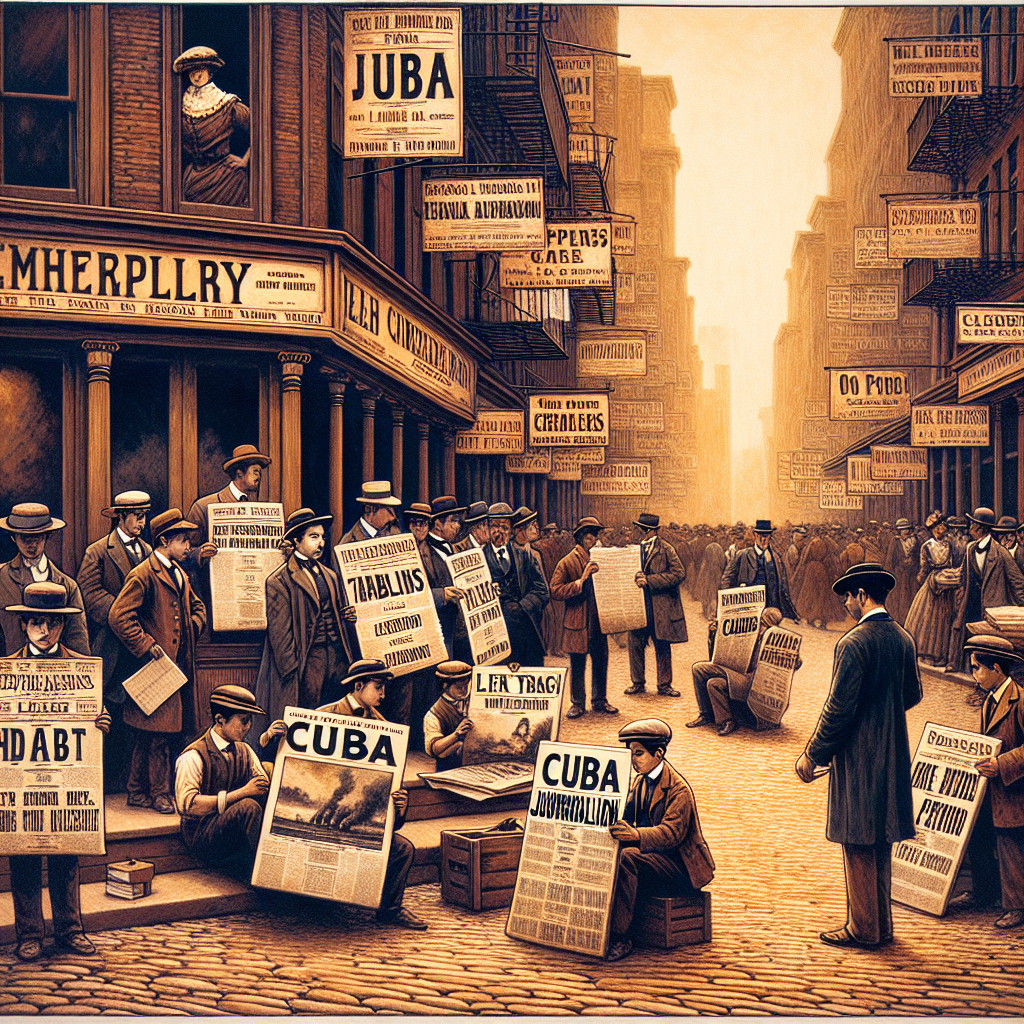
In the 1890s, two New York newspapers — Joseph Pulitzer's New York World and William Randolph Hearst's New York Journal — competed for readers with a combination of sensational crime reporting, dramatic illustration, and aggressive campaigns on behalf of causes that sold papers. The rivalry intensified as the Cuban insurrection against Spanish rule became front-page material: both papers sent reporters and artists to Cuba, amplified Spanish atrocities, and published vivid accounts of suffering designed to outrage American readers and push the government toward intervention. "You furnish the pictures," Hearst reportedly wired his illustrator in Havana, "and I'll furnish the war." He almost certainly never sent the telegram. The quote endured because it captured something real.
Yellow journalism — the name derived from a popular comic strip character, the "Yellow Kid," whose panel both papers fought to own — represented a significant departure from the ideal of detached factual reporting that characterized elite American newspapers. It combined genuine investigative work (both papers broke real stories and championed real causes, including tenement conditions and police corruption) with fabrication, exaggeration, and deliberate emotional manipulation. Its role in propelling the United States toward the Spanish-American War of 1898 has been contested ever since: historians generally conclude that the papers reflected and amplified existing public sentiment rather than manufactured it, but the amplification was consequential.
Yellow journalism's legacy is layered. It expanded newspaper readership to working-class and immigrant audiences previously underserved by the staid penny press. It pioneered investigative techniques and crusading campaigns that would later be honored as muckraking, and several Pulitzer journalism prizes were endowed with the fortune that sensationalism built. It also established the template — emotionally charged, visually arresting, unabashedly partisan — that has resurfaced in every subsequent generation of American mass media, from the tabloids of the 1920s through cable news and social media. The argument about where legitimate advocacy ends and manipulative sensationalism begins has never been resolved.
| Era | Primarily 1895–1900 |
| Key Publishers | Joseph Pulitzer (New York World); William Randolph Hearst (New York Journal) |
| Name Origin | "Yellow Kid" comic strip — circulation battleground between the two papers |
| Associated With | Spanish-American War (1898) coverage and agitation |
| Key Techniques | Sensationalism; fabrication; emotional manipulation; dramatic illustration |
| Legacy | Shaped muckraking journalism; tabloid press; cable news; partisan media |
| Famous Quote | "You furnish the pictures, I'll furnish the war" — attributed to Hearst, likely apocryphal |
| Years | 1890–1900 |
| Location | New York, New York |