The Anti-Imperialist League
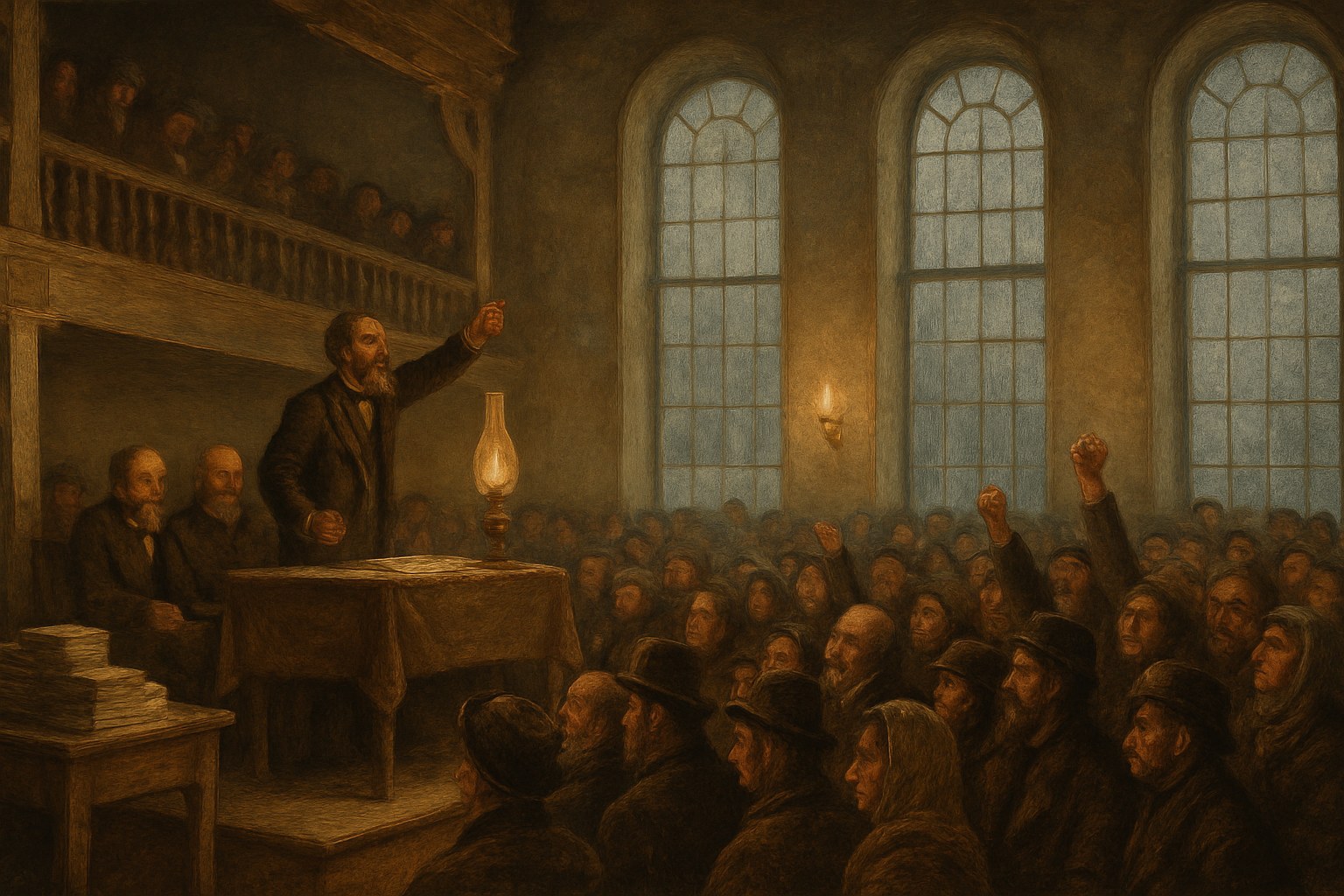
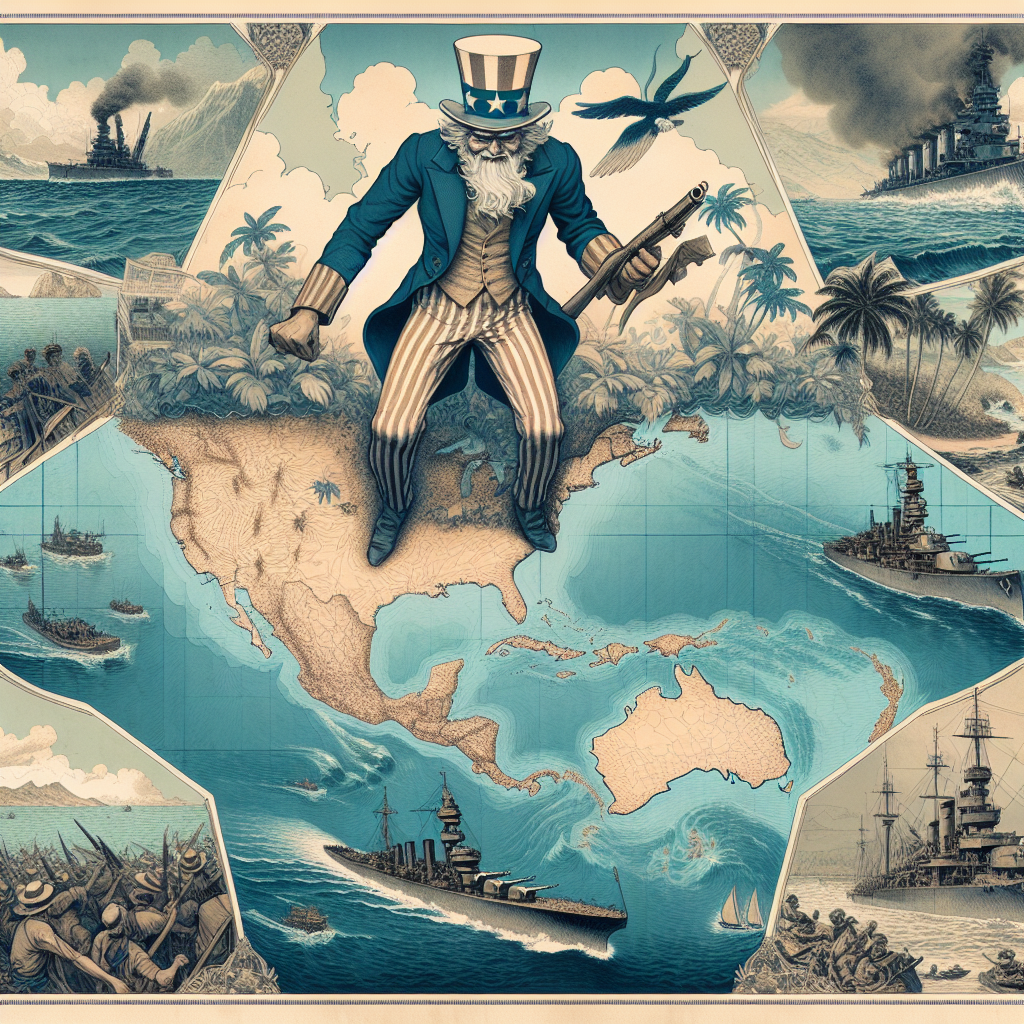
The peace treaty had not even been negotiated when the opposition organized. In June 1898, with Manila still under siege, a crowd met at Faneuil Hall in Boston to protest against the annexation of anything, and in November the Anti-Imperialist League was formally constituted. Its founding argument was constitutional rather than sentimental. A republic that held subject peoples who could not vote, and governed them by force through a permanent army, would not remain a republic at home for very long, whatever it called itself abroad.
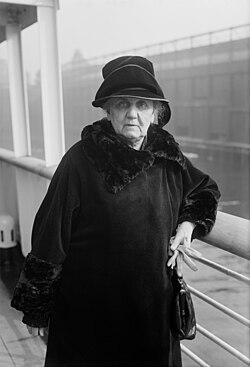
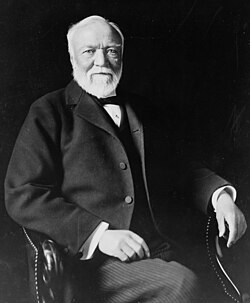
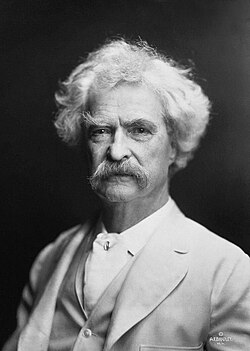
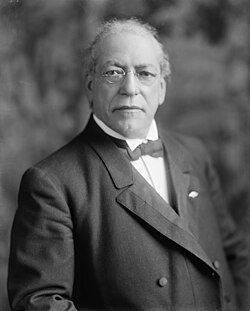
The membership was an improbable coalition of the eminent. George S. Boutwell, a former senator and Treasury secretary, served as president. Mark Twain, who had supported the war against Spain and turned against the annexation of the Philippines, became a vice president and wrote its most quoted pamphlet, To the Person Sitting in Darkness, in 1901. Andrew Carnegie offered twenty million dollars of his own money to buy Philippine independence outright. Jane Addams, Samuel Gompers, William James, Carl Schurz, Moorfield Storey, and the former presidents Grover Cleveland and Benjamin Harrison lent their names. At its height the League claimed thirty thousand members and half a million contributors, and it circulated soldiers' letters home from Luzon as evidence.
Its unity was on the conclusion, not the reasons. Some members opposed empire on the principle of government by consent and the plain words of the Declaration. Gompers and much of organized labor feared competition from colonial workers and the migration that annexation might bring. And a substantial faction, including southern senators such as Benjamin Tillman, opposed annexation because they did not want millions of non-white subjects attached to the United States on any footing at all. The League therefore contained both people who believed Filipinos were entitled to govern themselves and people who believed they could never be fit to be Americans.
It lost. McKinley's re-election over Bryan in 1900 was widely read as a verdict on the question, and the organization shrank quickly afterward, though it kept publishing through the Senate hearings of 1902 and later took up the occupations of Haiti and the Dominican Republic before dissolving in 1921. Its practical achievement was small — it did not stop a single annexation. Its arguments proved more durable than its organization, and Americans have gone on making them, in nearly the same words, about every subsequent occupation the country has undertaken.
| Founded | 1898, Boston, Massachusetts |
| President | George S. Boutwell |
| Members | Mark Twain, Andrew Carnegie, Jane Addams, Samuel Gompers |
| Argument | A republic cannot hold colonies and stay a republic |
| Peak size | About 30,000 members |
| Dissolved | 1921 |
| Date | 1898-1921 |
| Location | Boston, Massachusetts |