The Open Door Policy
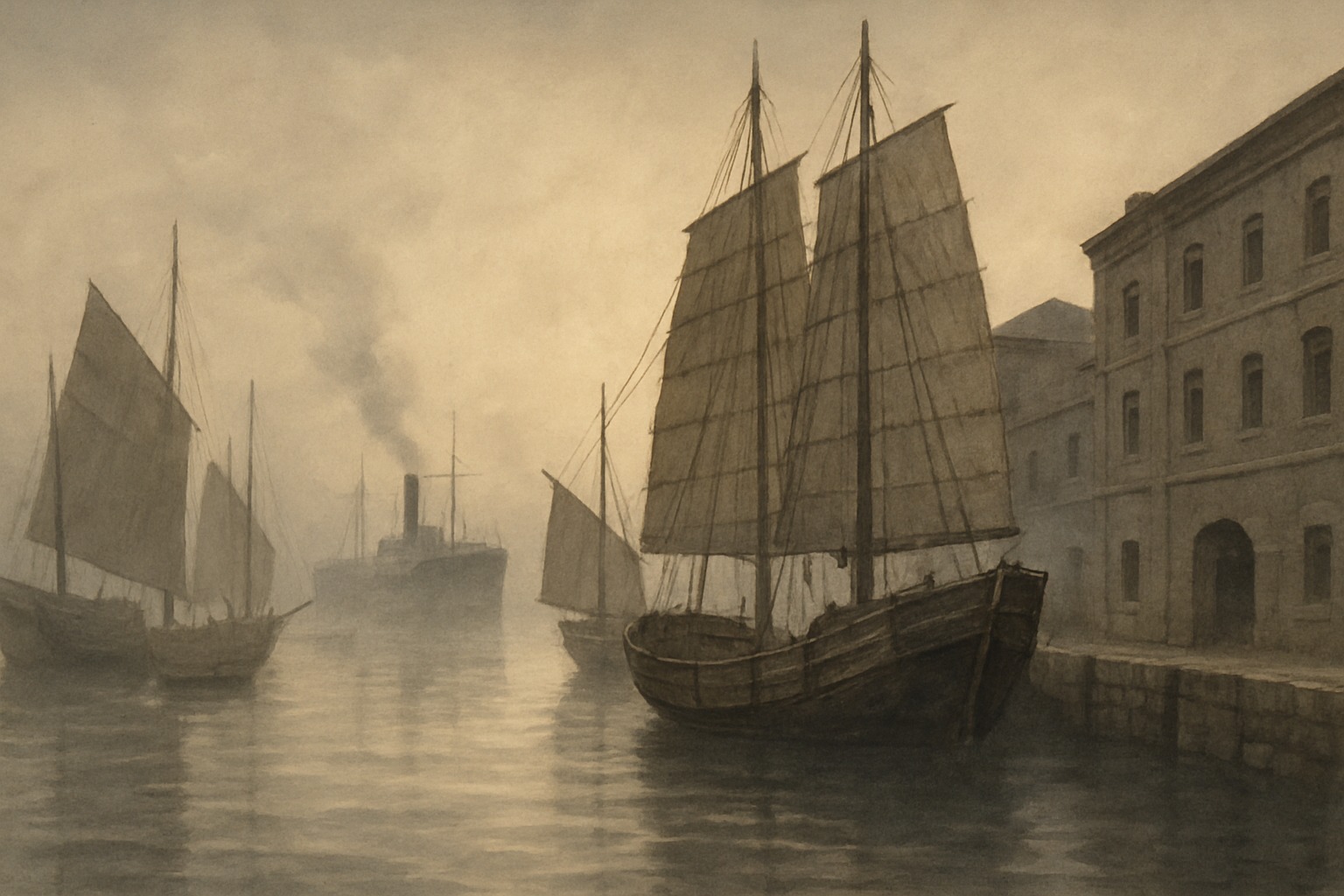
As the nineteenth century closed, the European powers and Japan were carving China into spheres of influence. The United States, a latecomer with commercial ambitions and no colony of its own there, responded in 1899 and 1900 with the Open Door Policy — a call for all nations to enjoy equal trading access to China and for Chinese territorial integrity to be preserved.
Secretary of State John Hay issued the policy as a series of diplomatic notes. It was less a binding agreement than an assertion of principle, and the other powers gave it only lukewarm acknowledgment — but it staked out an American position in East Asia that would shape policy for decades.
The policy reflected a young imperial power's preference for open markets over formal colonies, a way to compete for Chinese trade without seizing Chinese land. It was also self-interested idealism: equal access favored the rising commercial strength of the United States.
The Open Door became a fixture of American thinking about China, invoked through the early twentieth century and strained to the breaking point by Japanese expansion in the 1930s. It marks the real beginning of the United States as a Pacific power with a stake in China's future.
| Dates | 1899 and 1900 |
| Author | Secretary of State John Hay |
| Principle | Equal trade access; Chinese territorial integrity |
| Form | A series of diplomatic notes, not a treaty |
| Significance | Foundation of U.S. China policy as a Pacific power |
| Date | 1899–1900 |