Dollar Diplomacy
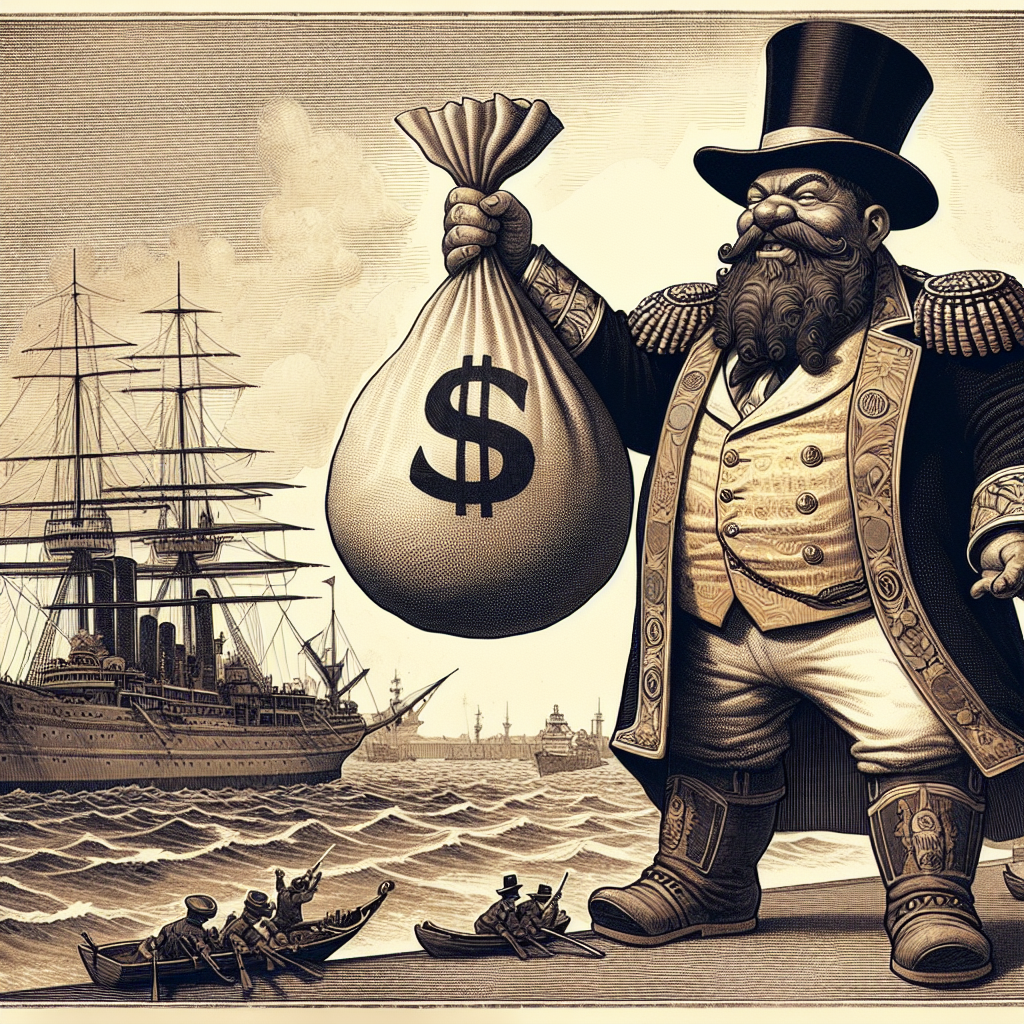
William Howard Taft announced in his 1912 annual message to Congress that his administration's foreign policy aimed to "substitute dollars for bullets" — American investment and financial supervision in place of gunboats and marines. Dollar Diplomacy, as it became known, was Taft's attempt to extend American influence in Latin America and East Asia through economic leverage: encouraging American banks to invest in strategically important countries, then using that investment as both a benefit to the recipient and a tether on its behavior. It was imperialism with better accounting and the same underlying logic.
In practice, Dollar Diplomacy looked less different from its predecessor than Taft's rhetoric suggested. American financial supervision of Haiti, the Dominican Republic, Nicaragua, and Honduras accompanied rather than replaced the occasional deployment of marines to protect those financial interests. The United States took control of Nicaraguan customs collection in 1911 and kept marines in Nicaragua from 1912 to 1933. American banks gained the investment opportunities Taft had promised; the countries in question gained creditors who could call in their loans and supervisors who could veto their financial decisions. Whether that constituted progress over outright military occupation was debated then and since.
Dollar Diplomacy's most lasting consequence was not in Latin America but in East Asia, where Taft's attempt to involve American banking consortiums in Chinese railroad financing helped destabilize an already fragile Qing dynasty and contributed to the political turbulence that preceded its collapse in 1912. Roosevelt had criticized Taft's China policy as provocative; Wilson withdrew from the Chinese consortium on his first day in office and formally repudiated Dollar Diplomacy. The doctrine lasted four years, was explicitly disowned by two successive presidents, and established the basic template of American financial imperialism that outlasted both of them.

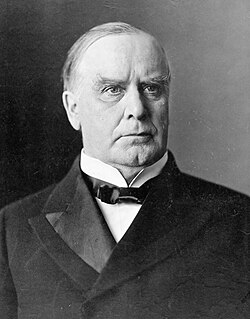
| Era | 1909–1913 (Taft administration) |
| President | William Howard Taft |
| Secretary of State | Philander C. Knox |
| Core principle | American investment as instrument of foreign policy |
| Key regions | Latin America (Nicaragua, Honduras, Haiti); China |
| Marine presence | Nicaragua (1912–1933); Haiti (1915–1934) |
| Repudiated by | Woodrow Wilson, 1913 |
| Sequence | Preceded by Big Stick (TR); succeeded by Moral Diplomacy (Wilson) |