How America Built Up: Skyscrapers, Bridges, and Dams
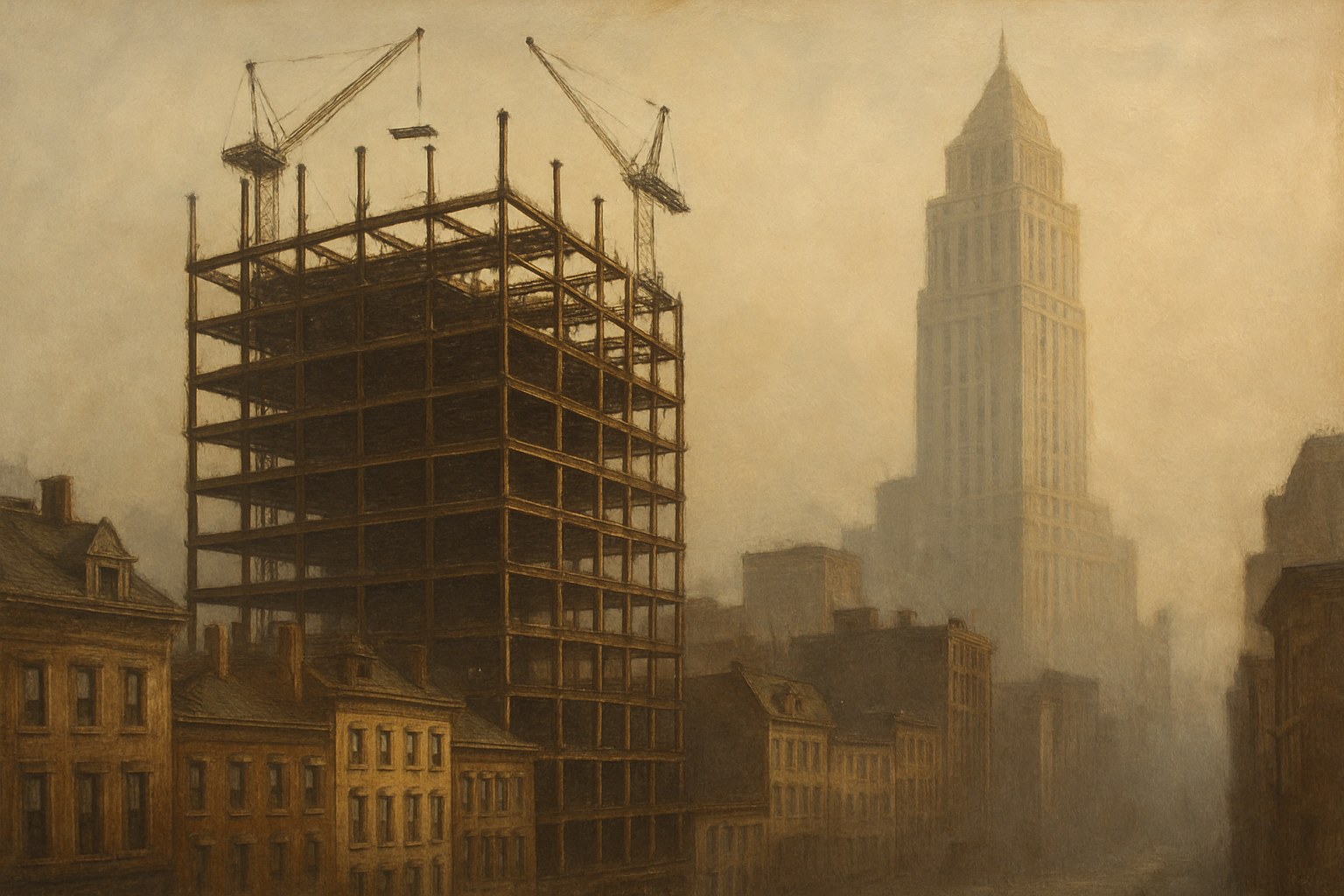
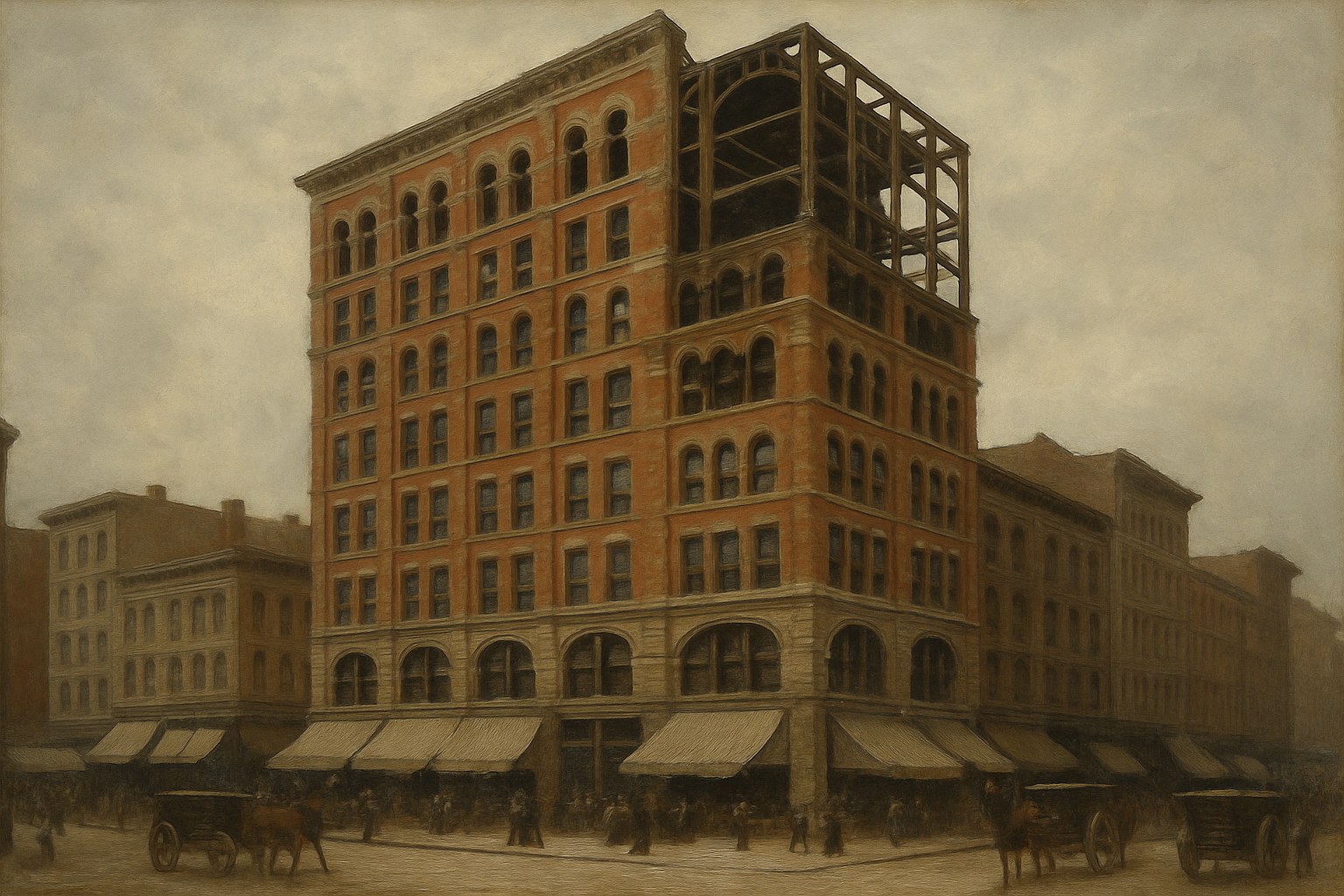
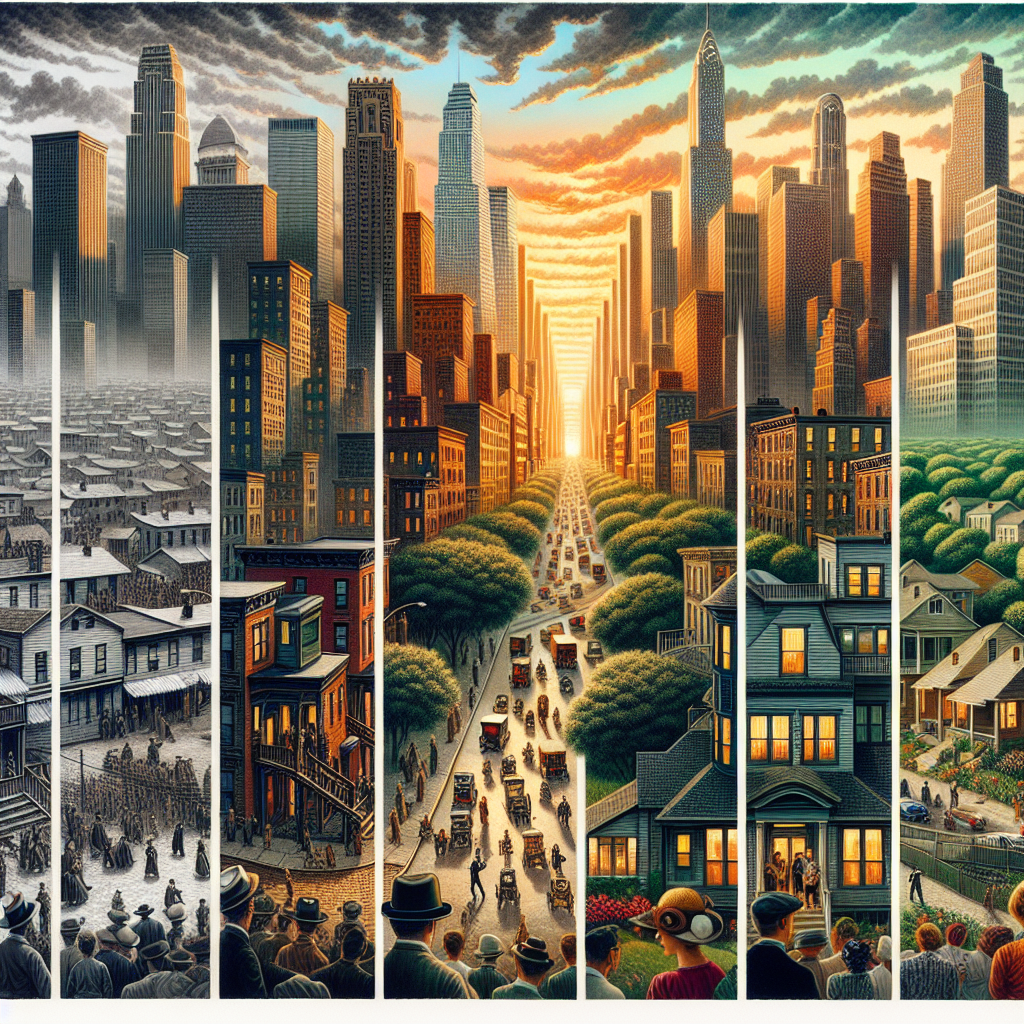
For most of the nineteenth century an American building obeyed the same arithmetic as a Roman one. A wall tall enough to carry many floors had to be so thick at its base that it swallowed the space it was meant to create, which put a ceiling of about ten stories over any city no matter how expensive its land became. In the 1880s, in a Chicago business district being rebuilt out of ashes, engineers moved the load off the wall and onto a riveted steel frame. Walls became skin, elevators made the upper floors worth renting, and the American city began growing in a direction it had never gone before.
This guide follows the engineering spine of that story — the invention of the skyscraper and the Chicago School that worked it out, the New York height race that ran from the Flatiron through the Empire State Building to the twin towers, the long-span bridges that stitched cities to their hinterlands, and the federal concrete of the 1930s that put a river to work and made the desert Southwest habitable. It closes on what all that building cost and what it changed.
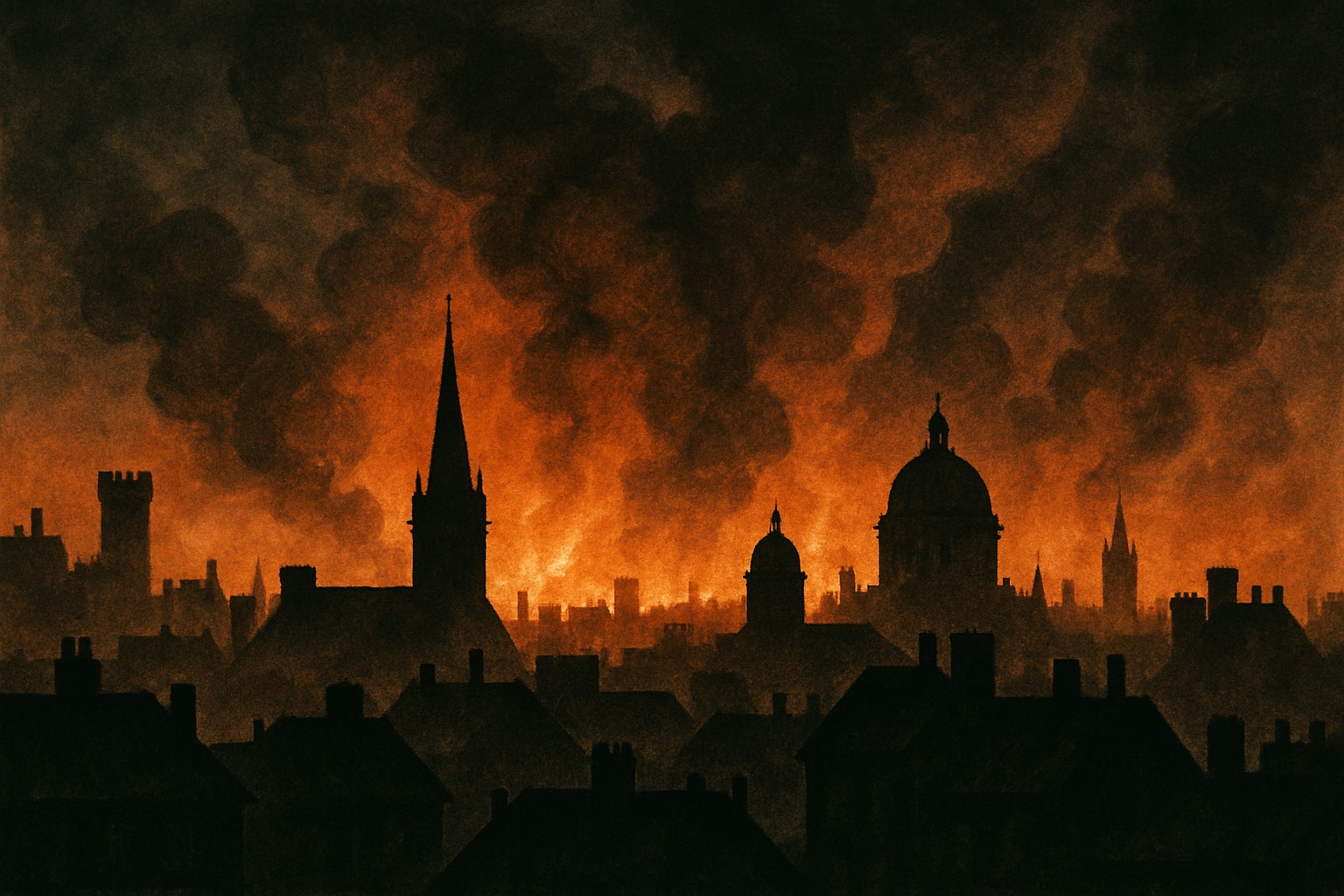
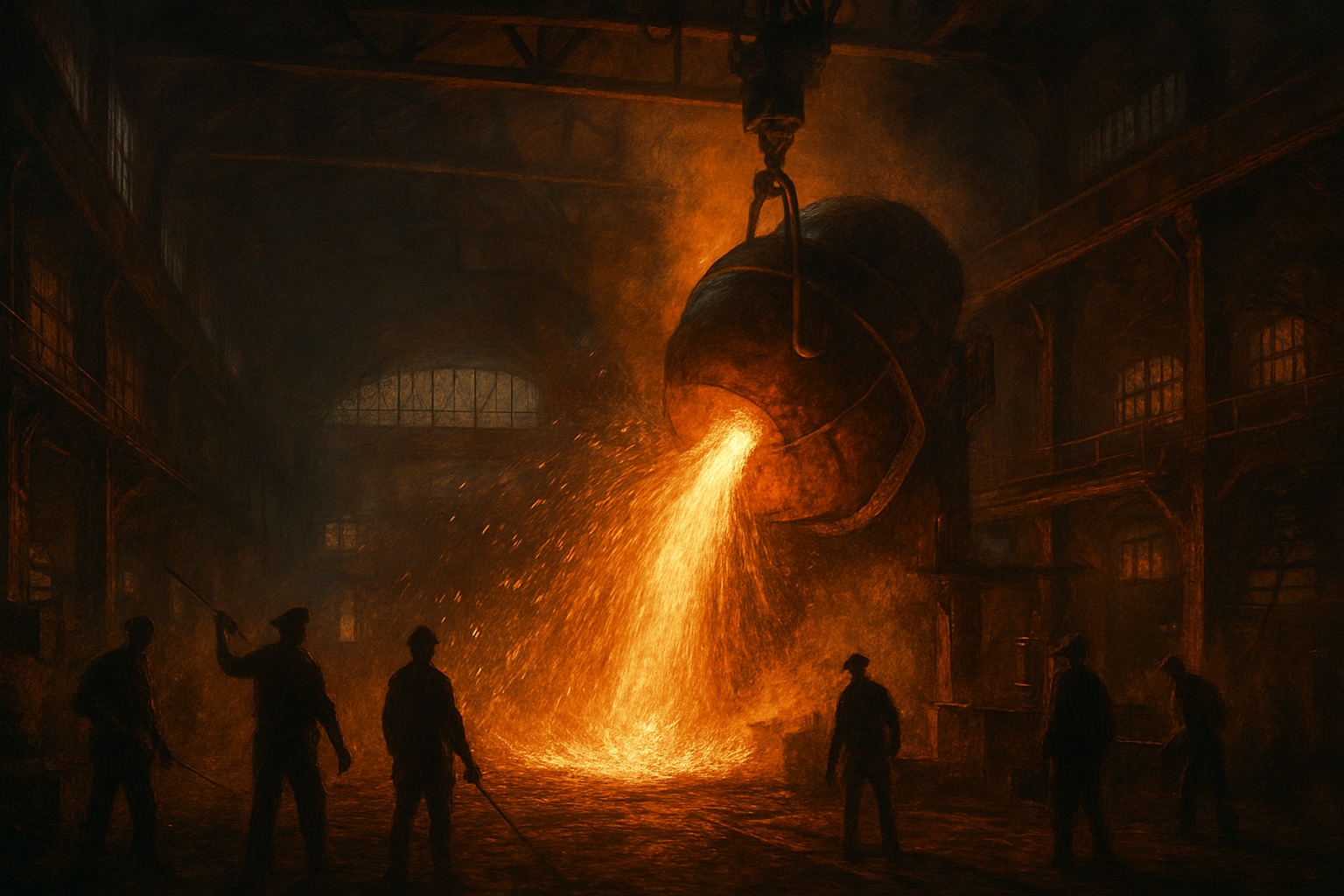
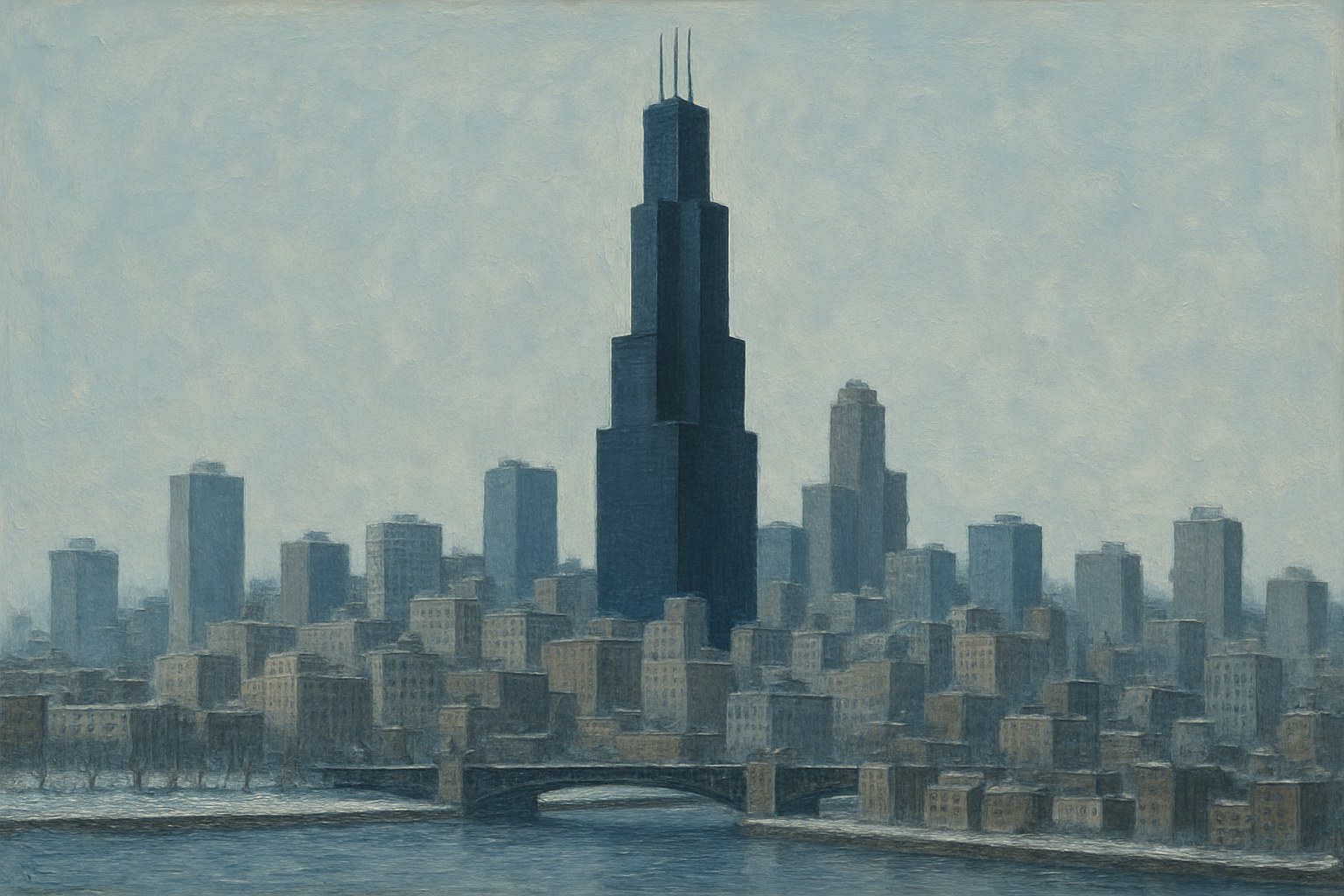
The skyscraper was not invented by one person or in one building. It emerged in a few square blocks of Chicago in the 1880s, on ground cleared by the fire of 1871 and made too valuable to waste. The pieces were a riveted steel cage that carried the load, a safety elevator that made the tenth floor as rentable as the second, and mills that had been built for railroad rails and could turn out structural shapes by the ton.
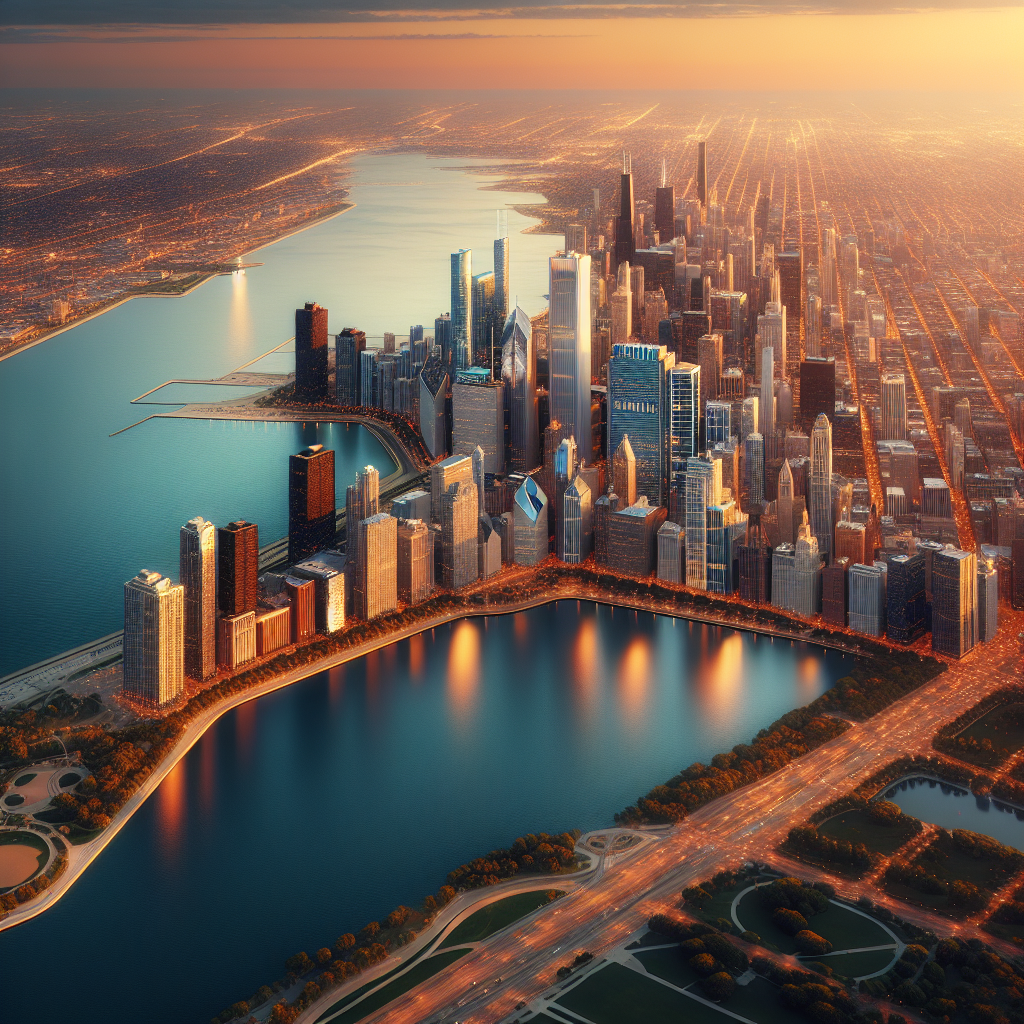
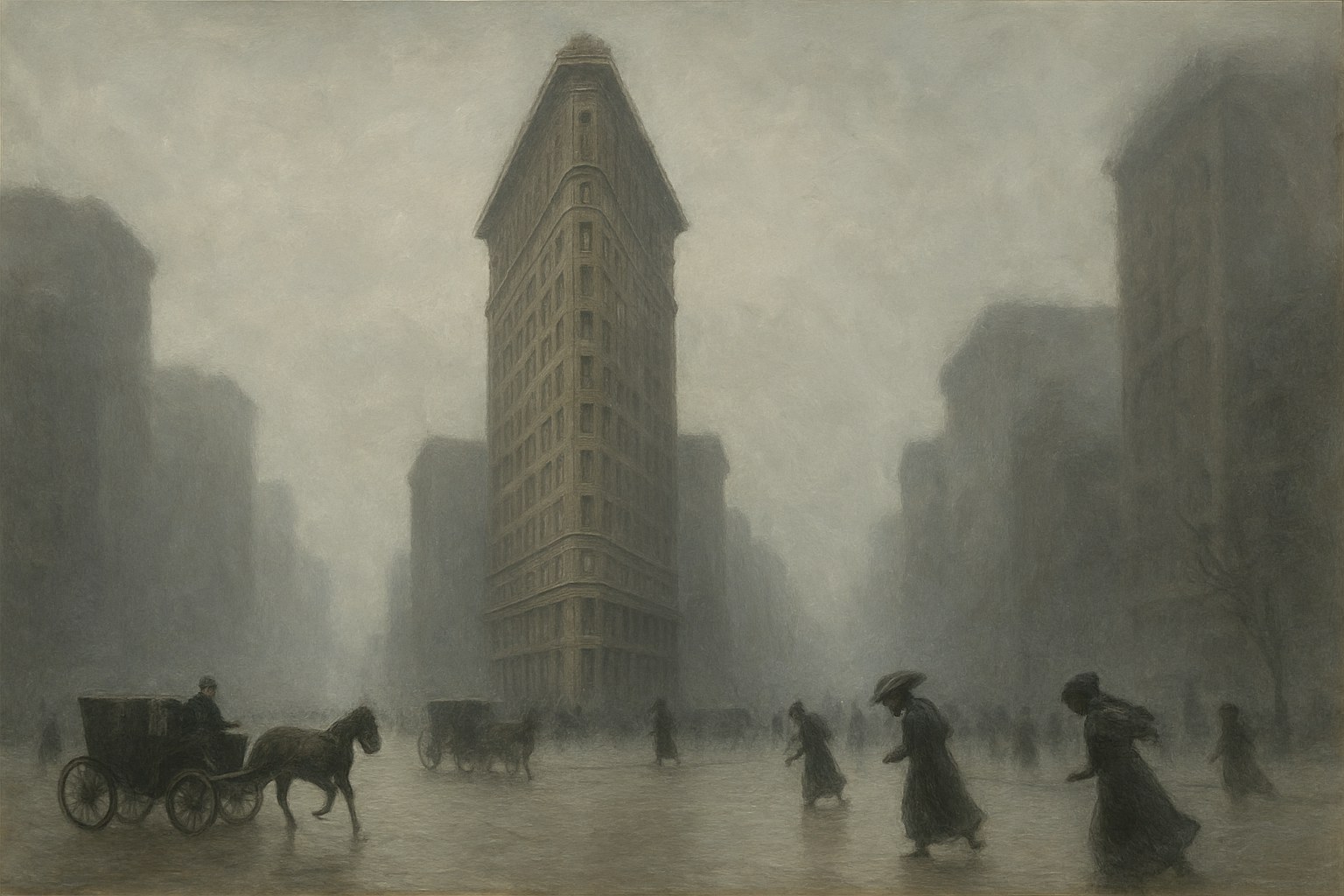
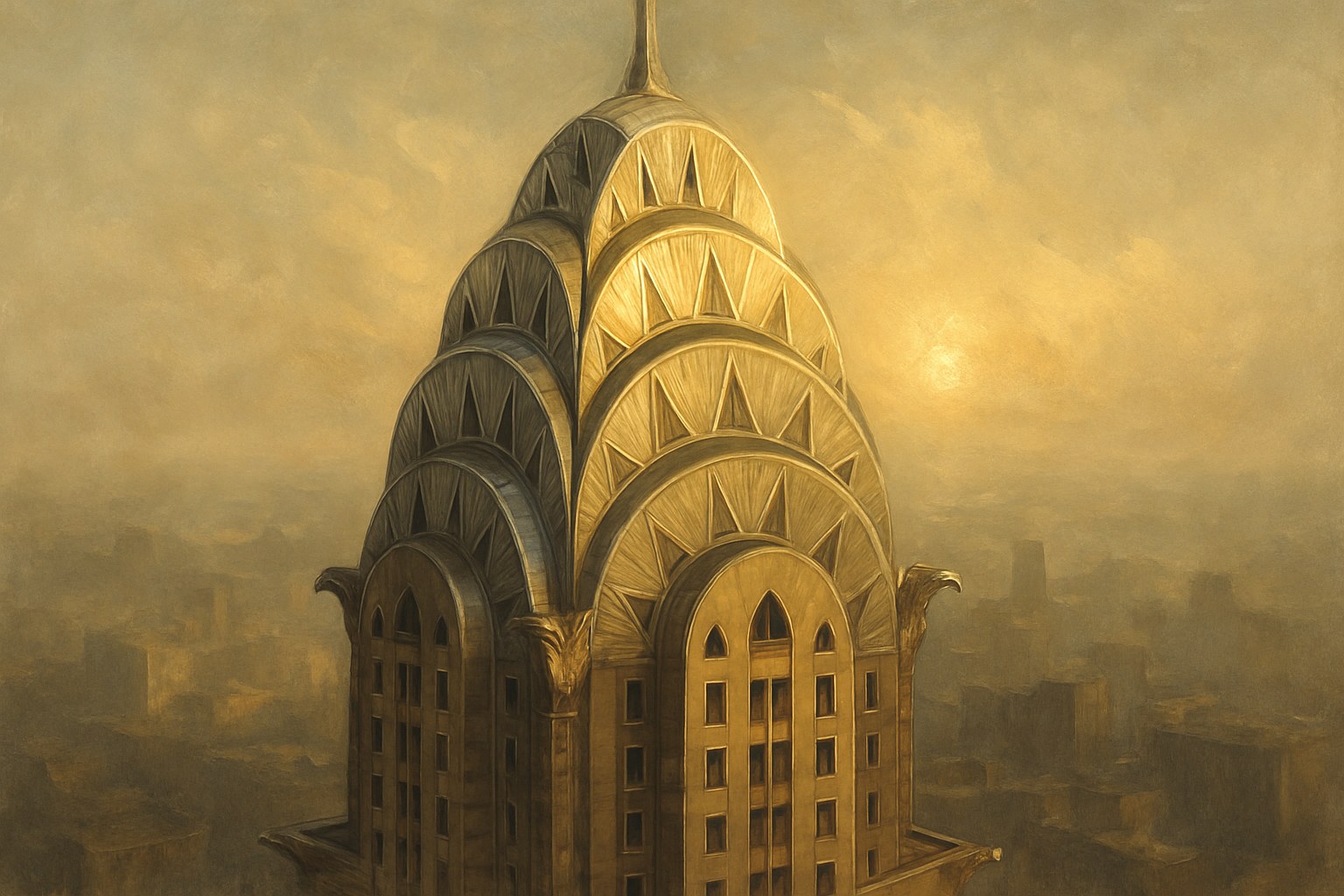
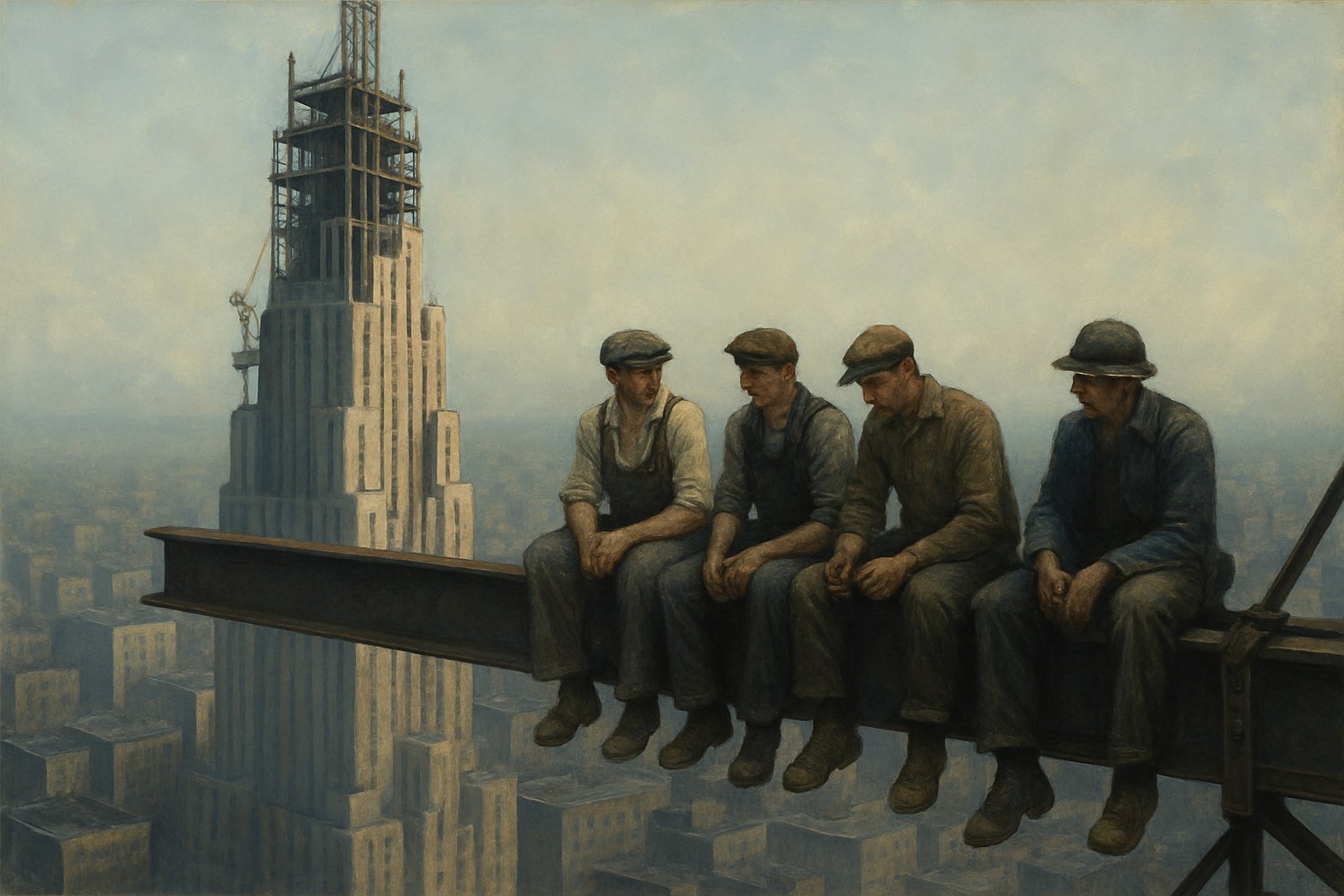
New York took the Chicago frame and turned it into a competition. Between 1902 and 1931 the record for the tallest building in the world changed hands four times within a few miles of Manhattan, driven less by need than by advertising, and the towers that came out of it are the ones the world pictures when it pictures an American city. The race resumed after the war and moved back to Chicago.
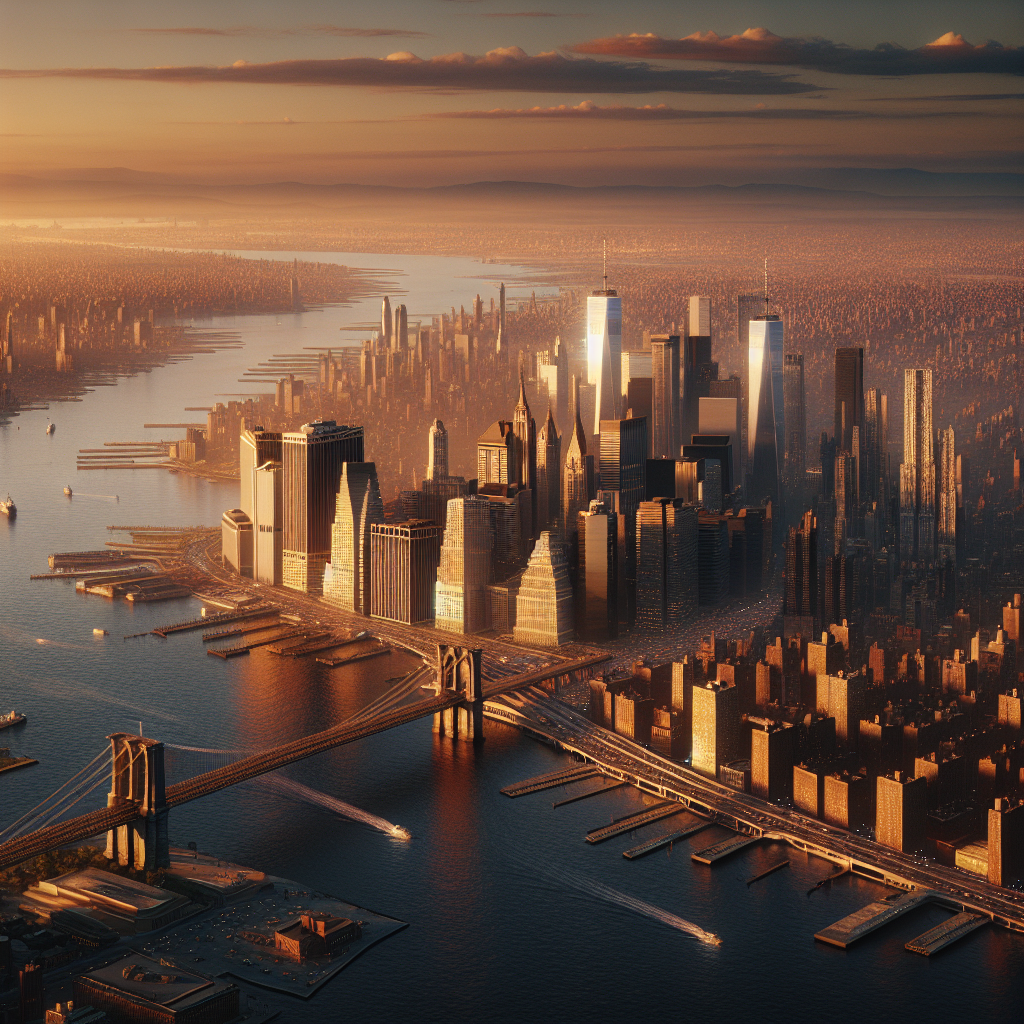
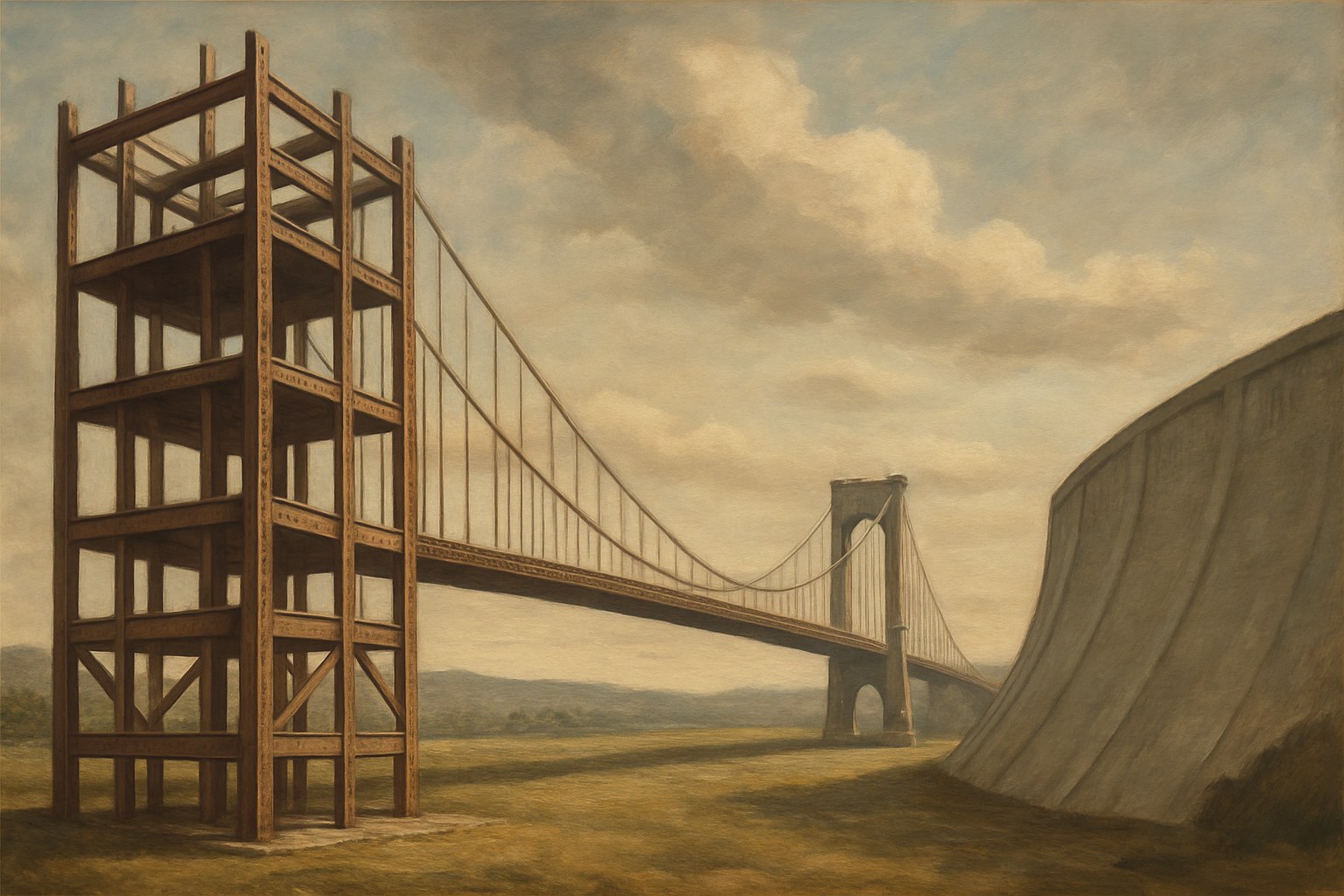
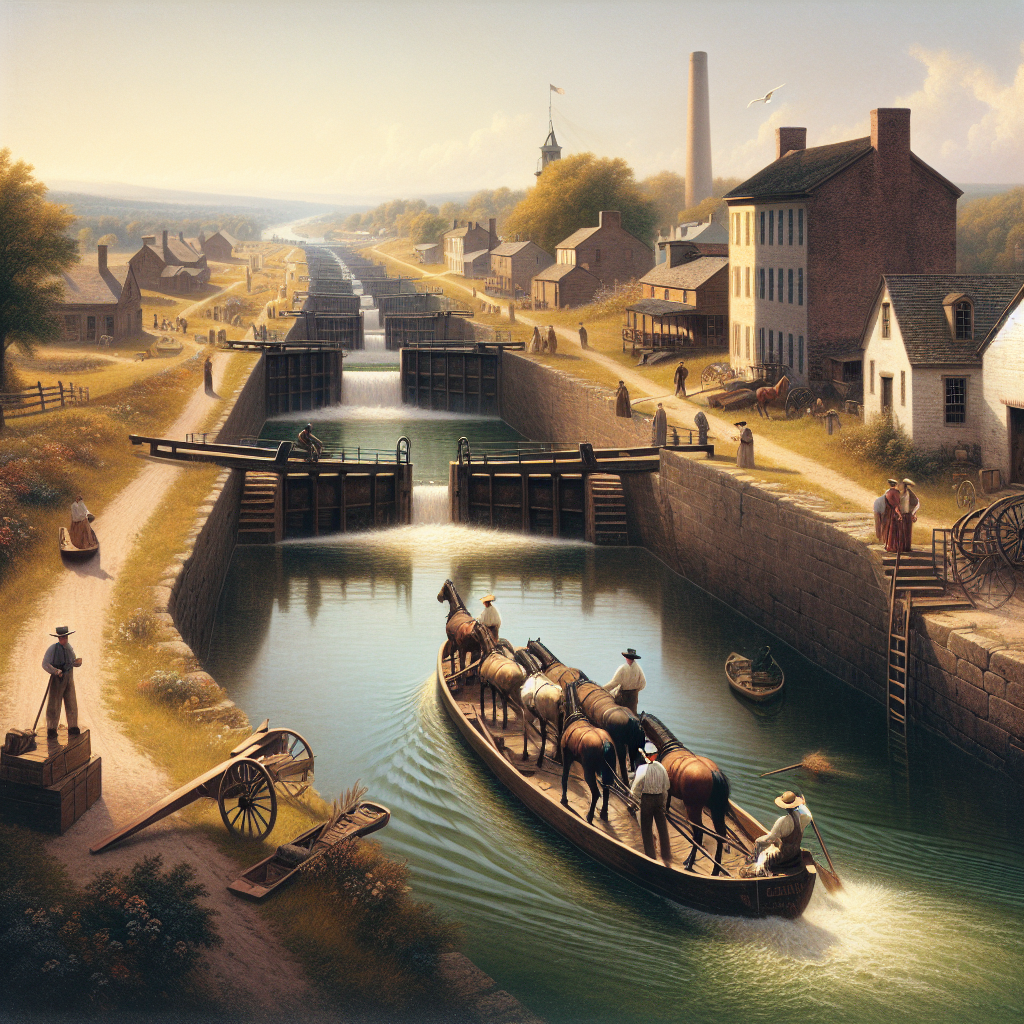
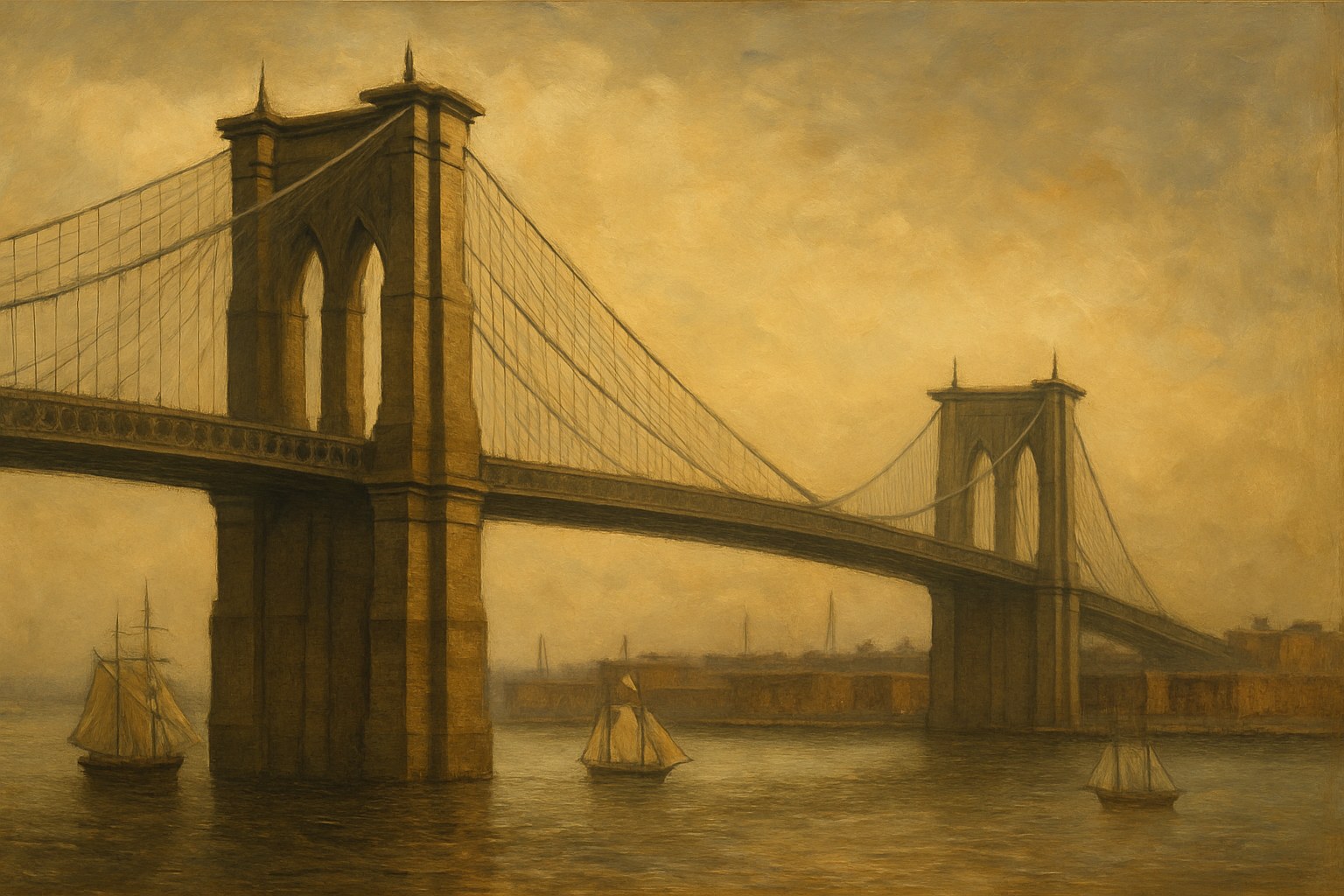
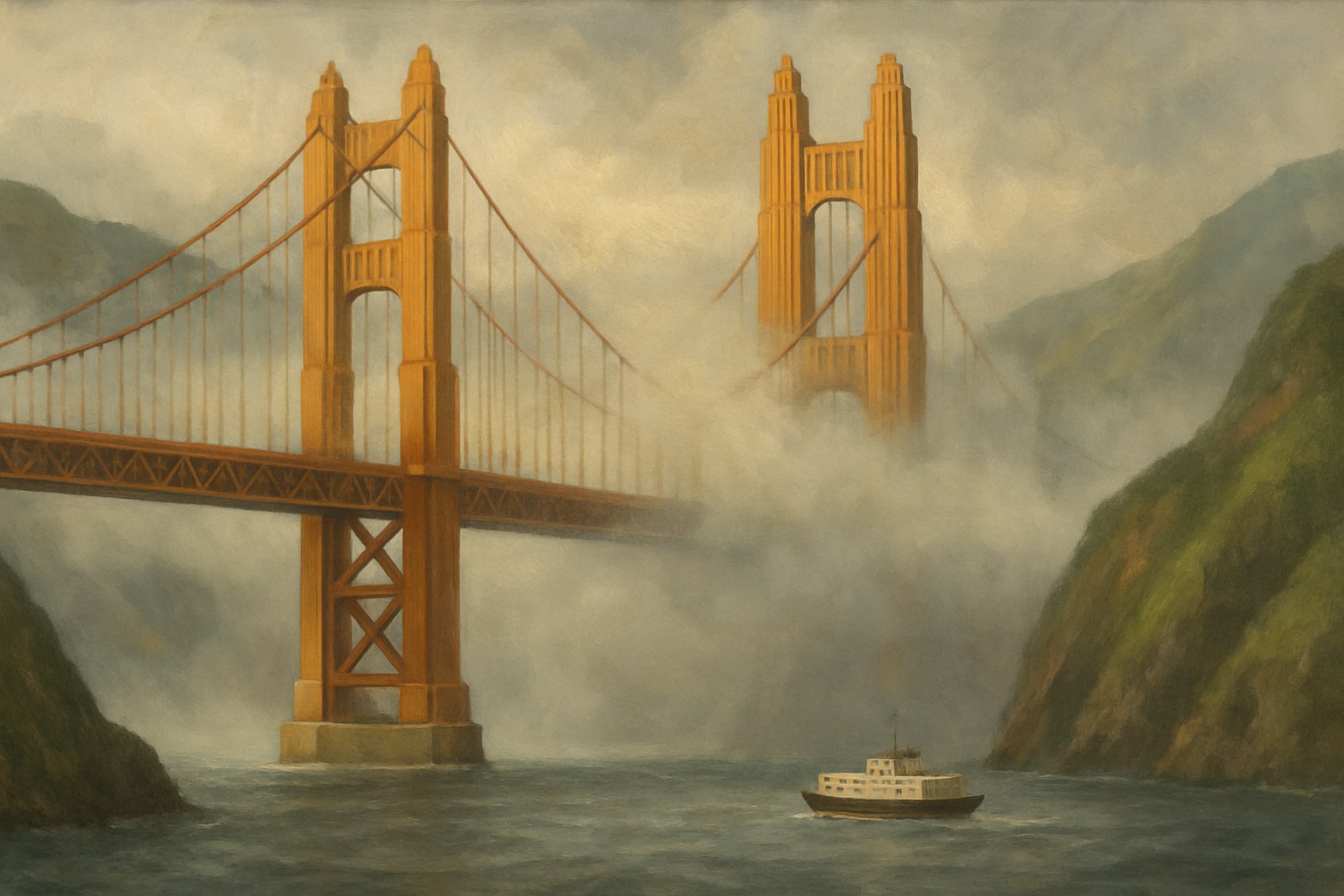
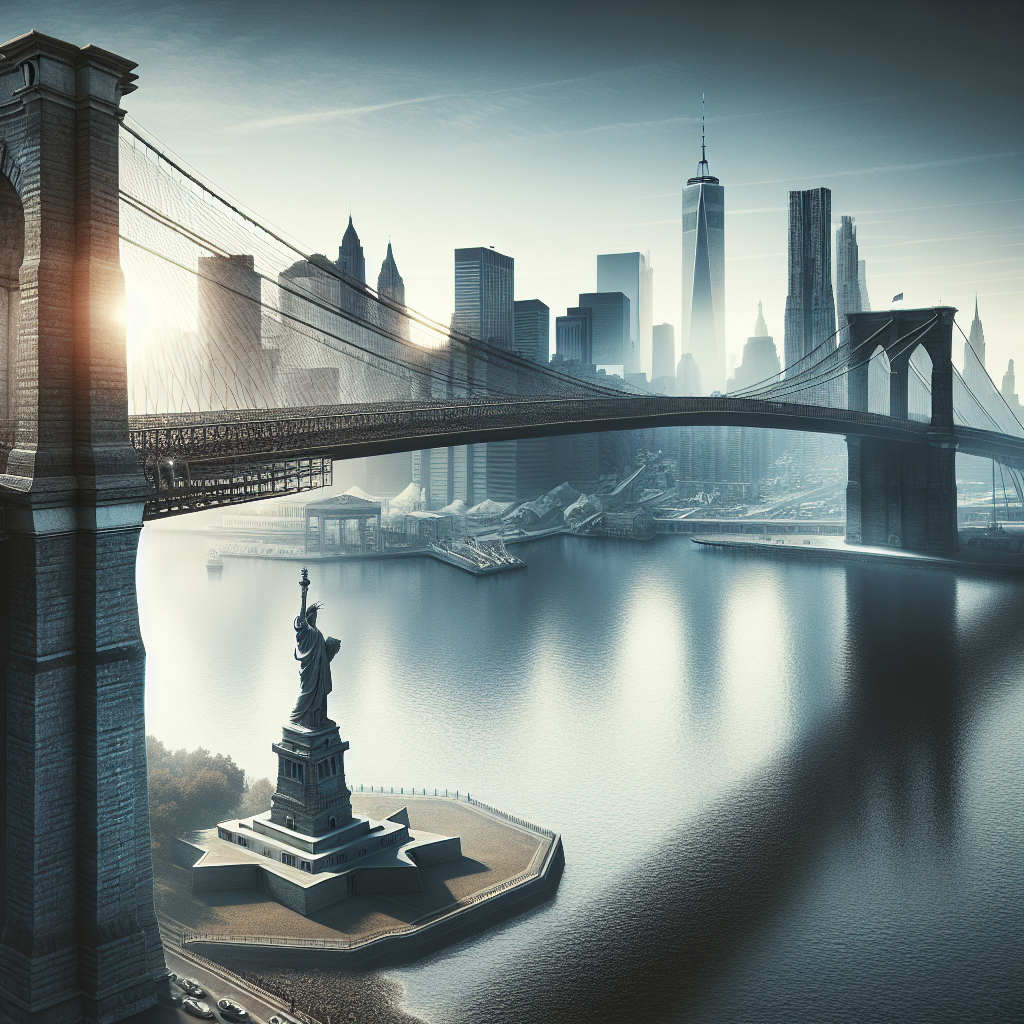
The same steel and the same nerve went horizontally. Long-span bridges were harder than tall buildings because the loads were live and the sites were hostile, and the men who built them paid for the knowledge in caisson disease and falls. Each of the great American crossings solved a problem that experts had called unsolvable, and each of them rearranged the geography of the city it served.

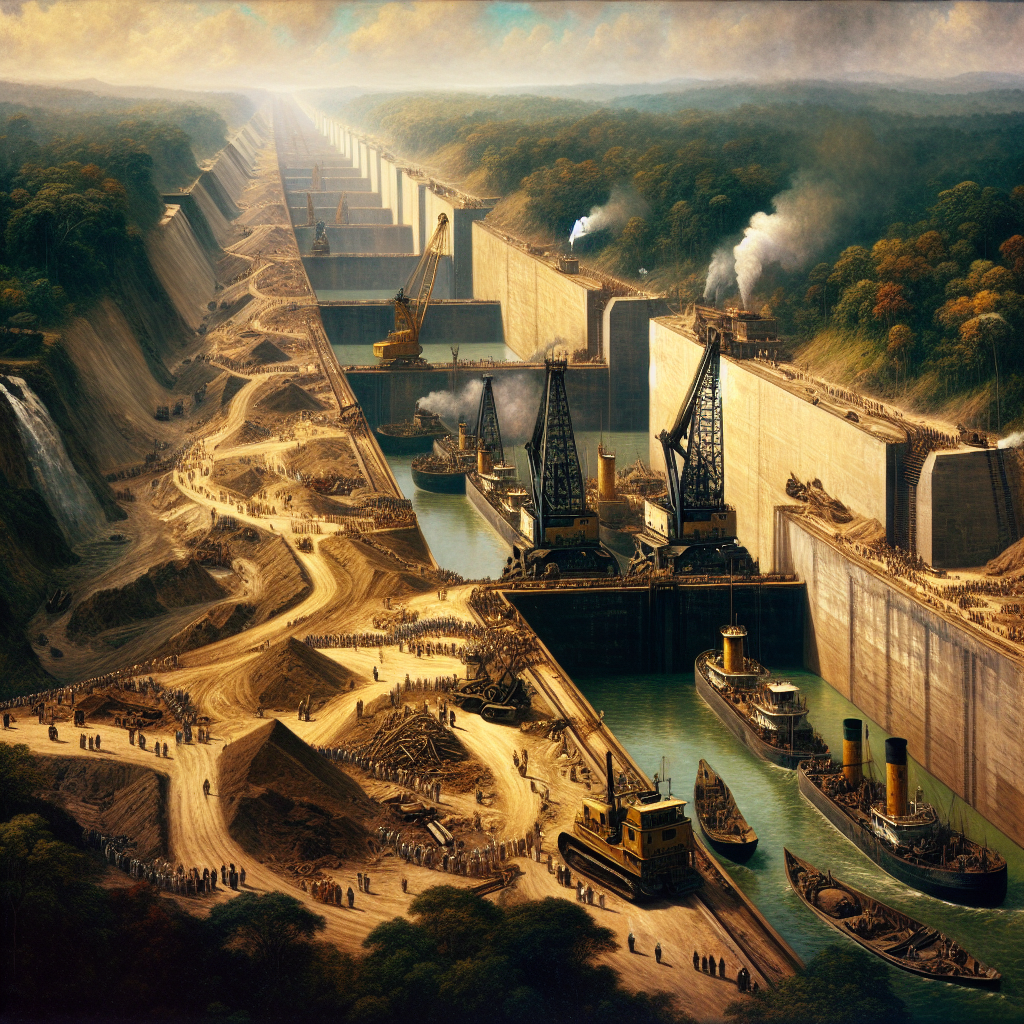
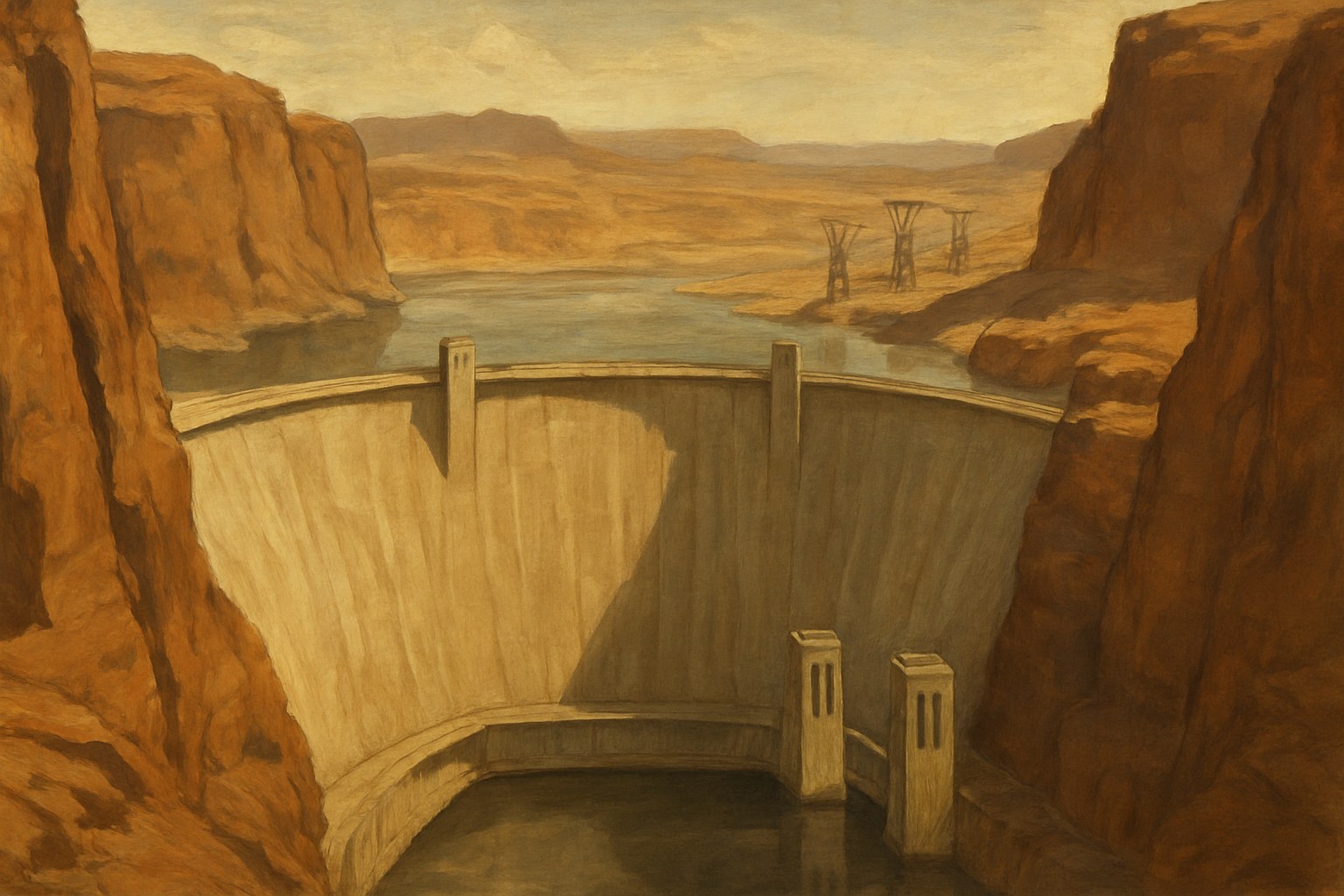
In the 1930s the federal government became the country's biggest builder. The logic was partly relief and partly engineering: putting men to work on projects too large for any private company, and generating electricity and stored water that would pay the bonds back. The results were dams and power systems that turned deserts into cities and made whole regions economically possible.
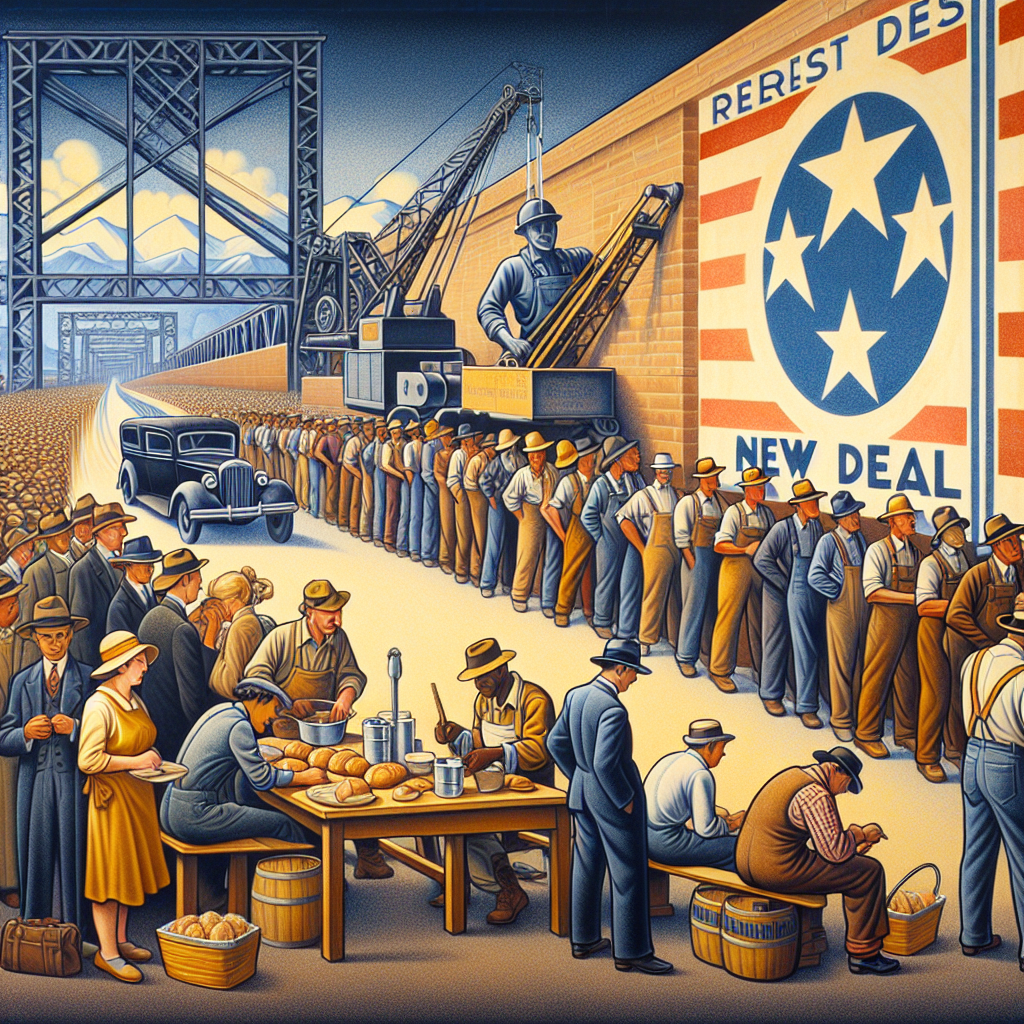
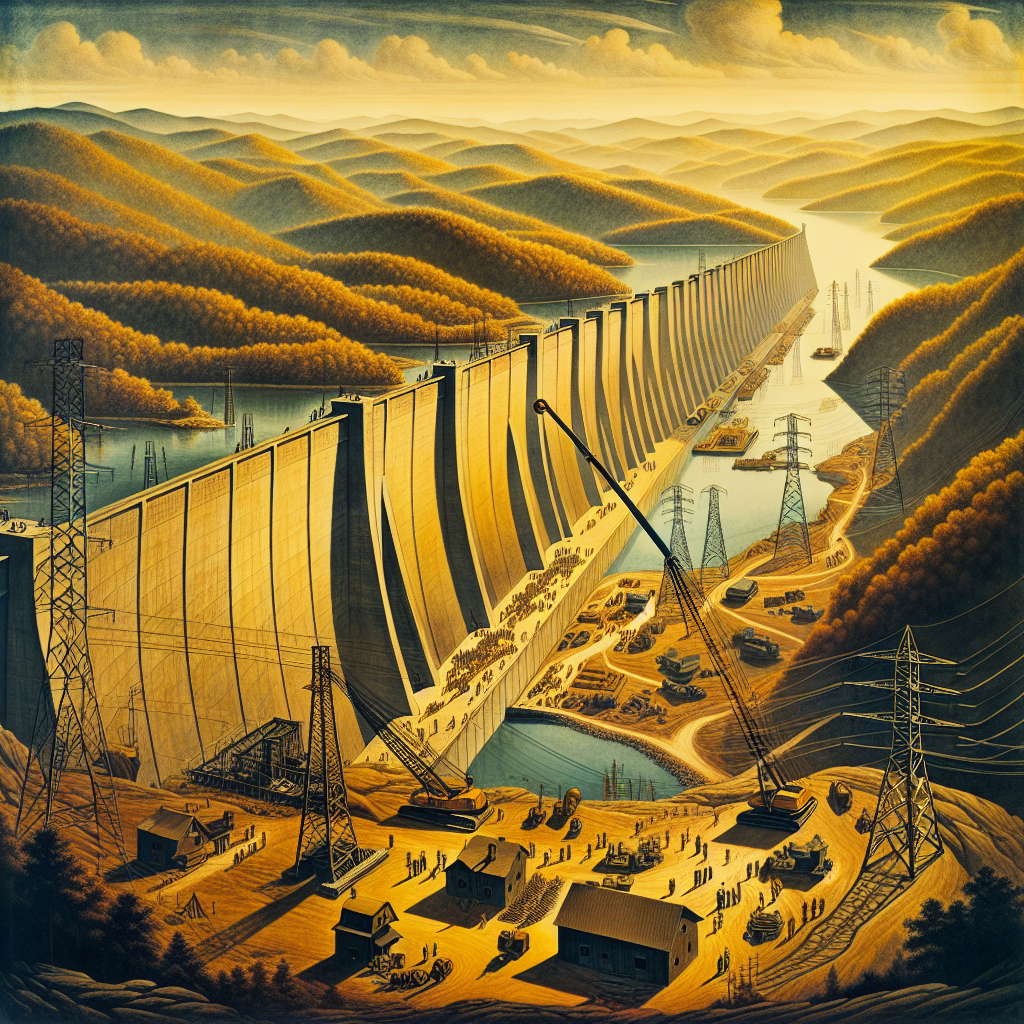
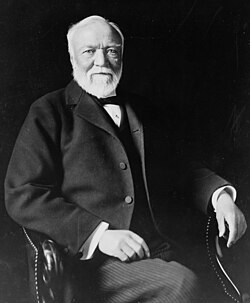
Building up was never only a technical story. It required cheap steel, concentrated capital, cities dense enough to make the land expensive, and a public willing to be impressed. It reorganized how Americans lived and worked, produced the skyline as a form of national self-portrait, and eventually made those same structures into targets and symbols.
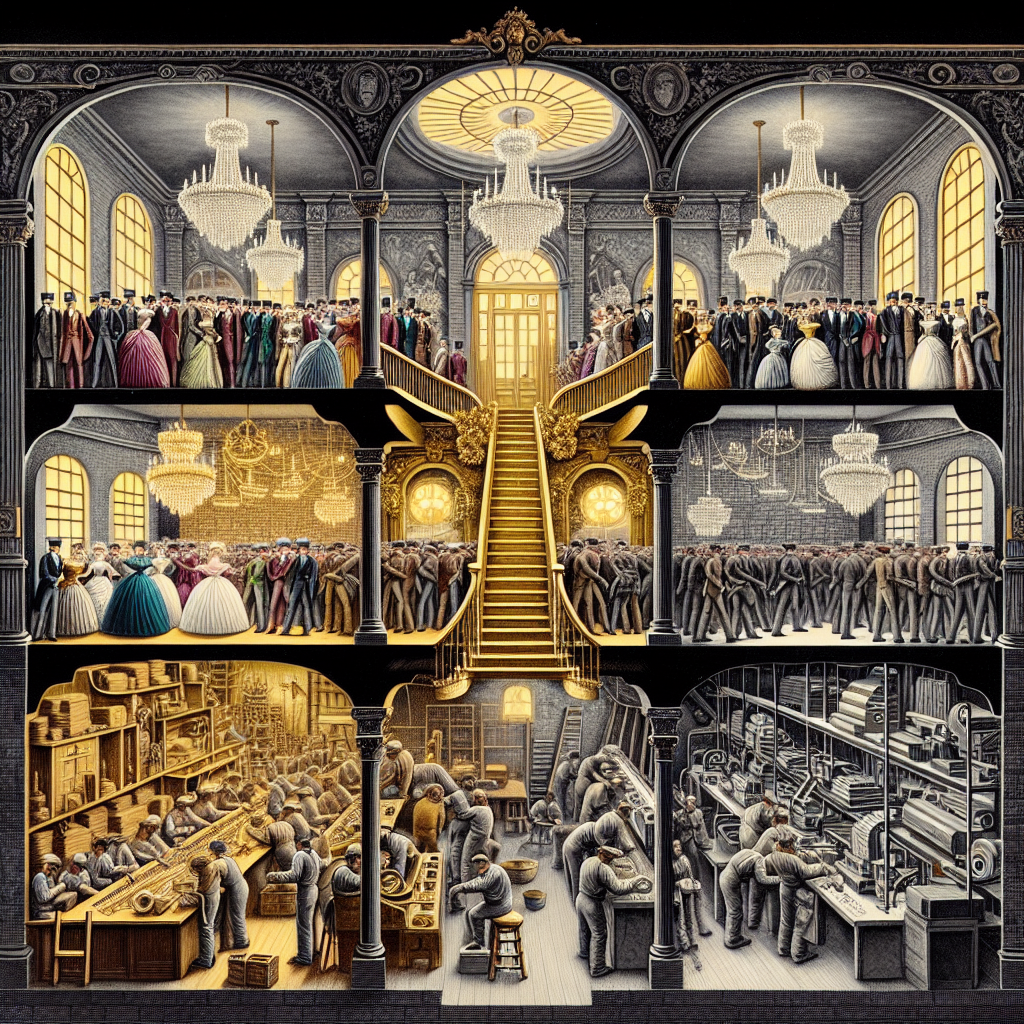
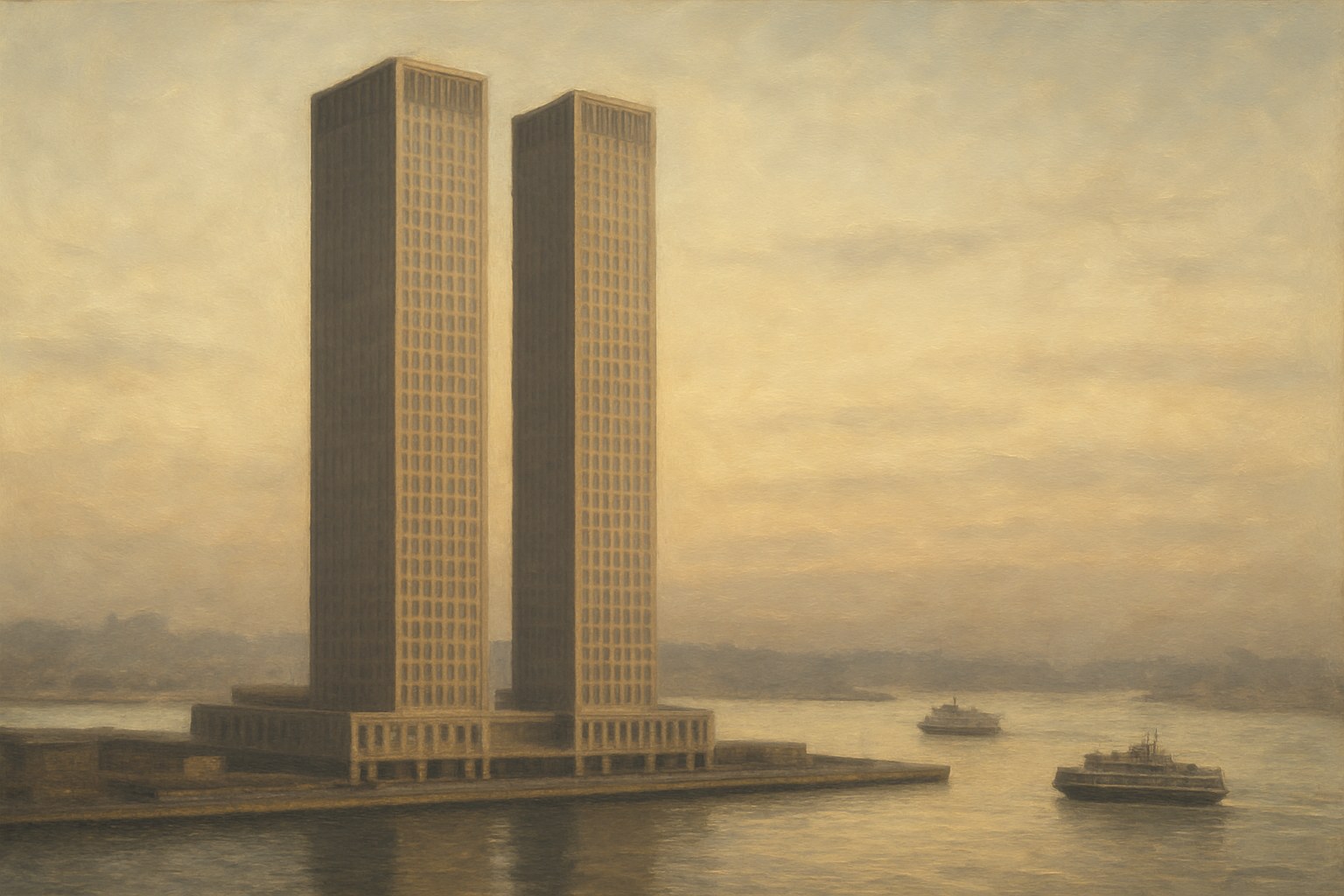
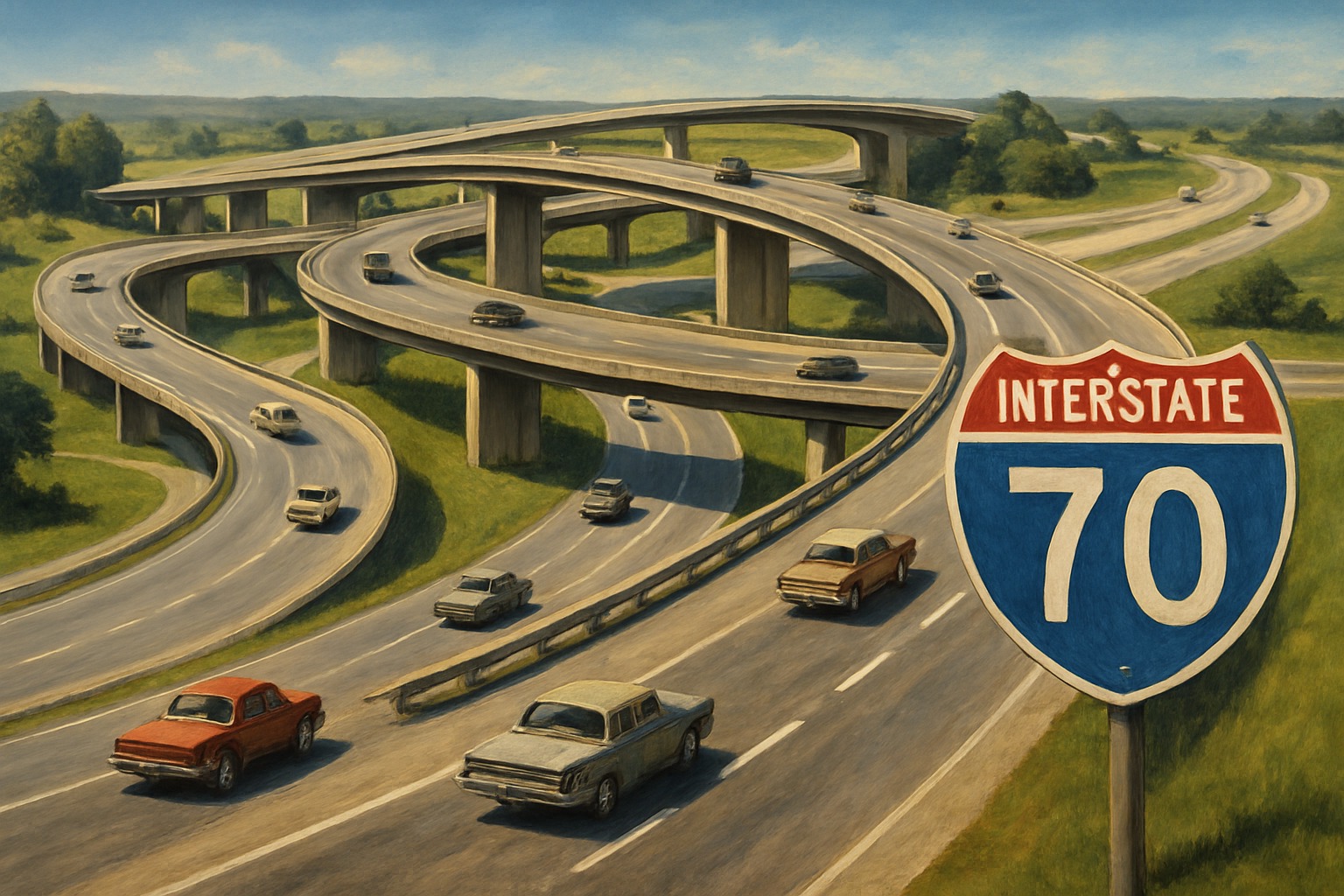
The impulse did not stop at the water's edge or the canyon rim. It ran on into the interstate highways of the 1950s and the supertall towers that Fazlur Rahman Khan's structural work made economical, and it remains the standard by which American cities measure their ambition — and, after 2001, their vulnerability.