U.S. Steel
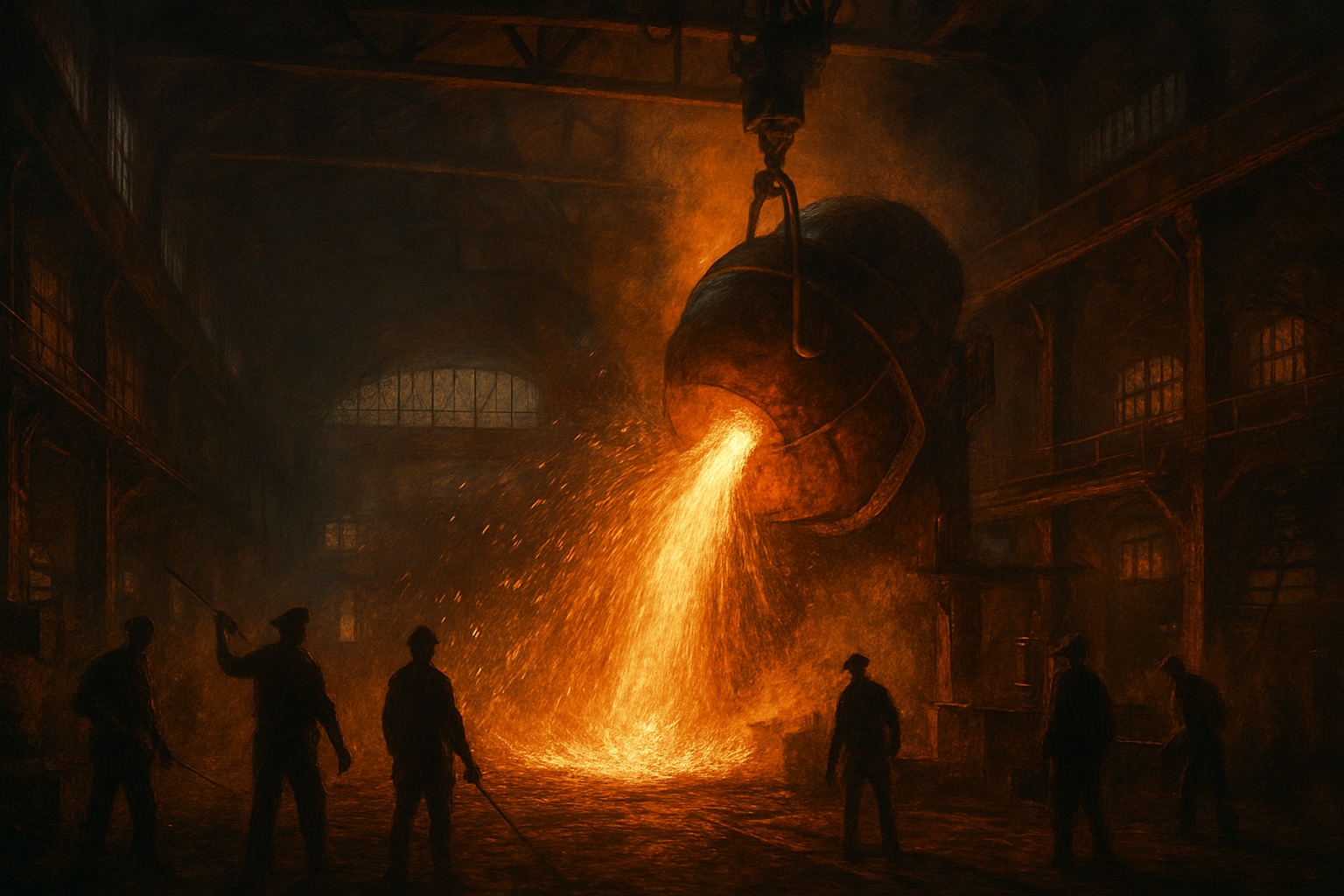
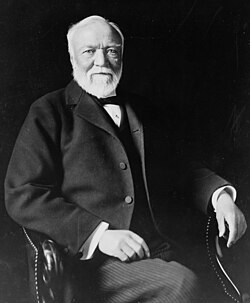
In 1901 the financier J.P. Morgan assembled a company so large it staggered the imagination of the age. He bought out Andrew Carnegie's steel empire for the then-astonishing sum of nearly half a billion dollars and merged it with a group of rivals to create the United States Steel Corporation. Capitalized at $1.4 billion, U.S. Steel became the first billion-dollar corporation in the world at a moment when the entire federal budget was a fraction of that figure. At its birth it controlled roughly two-thirds of American steel production.
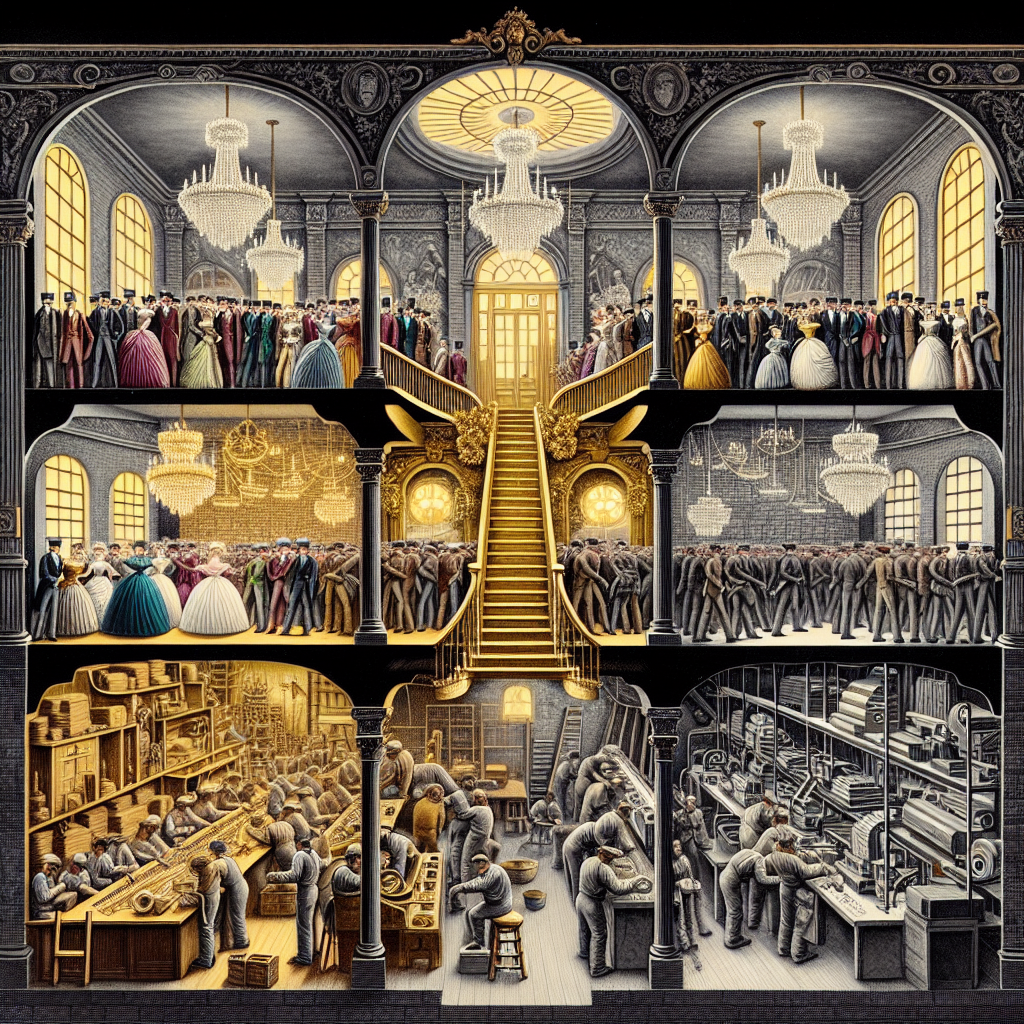
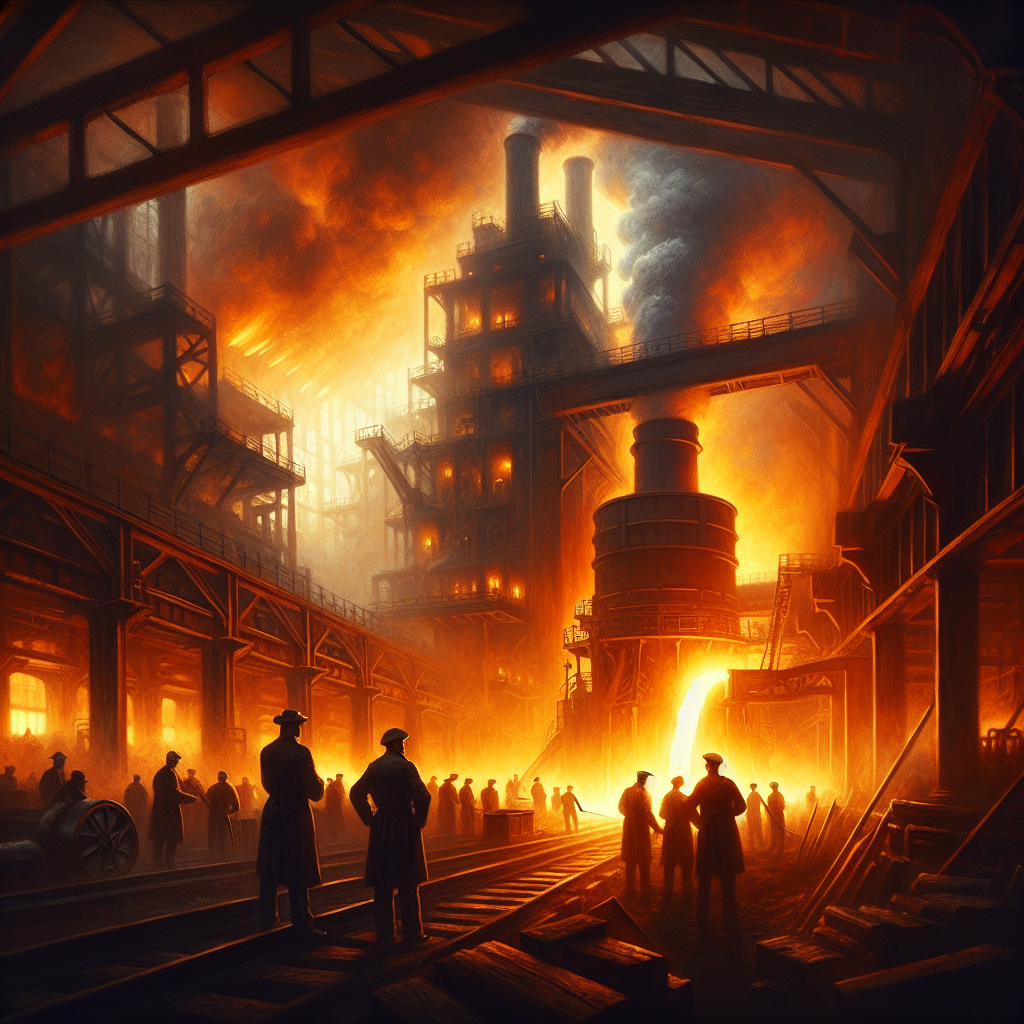
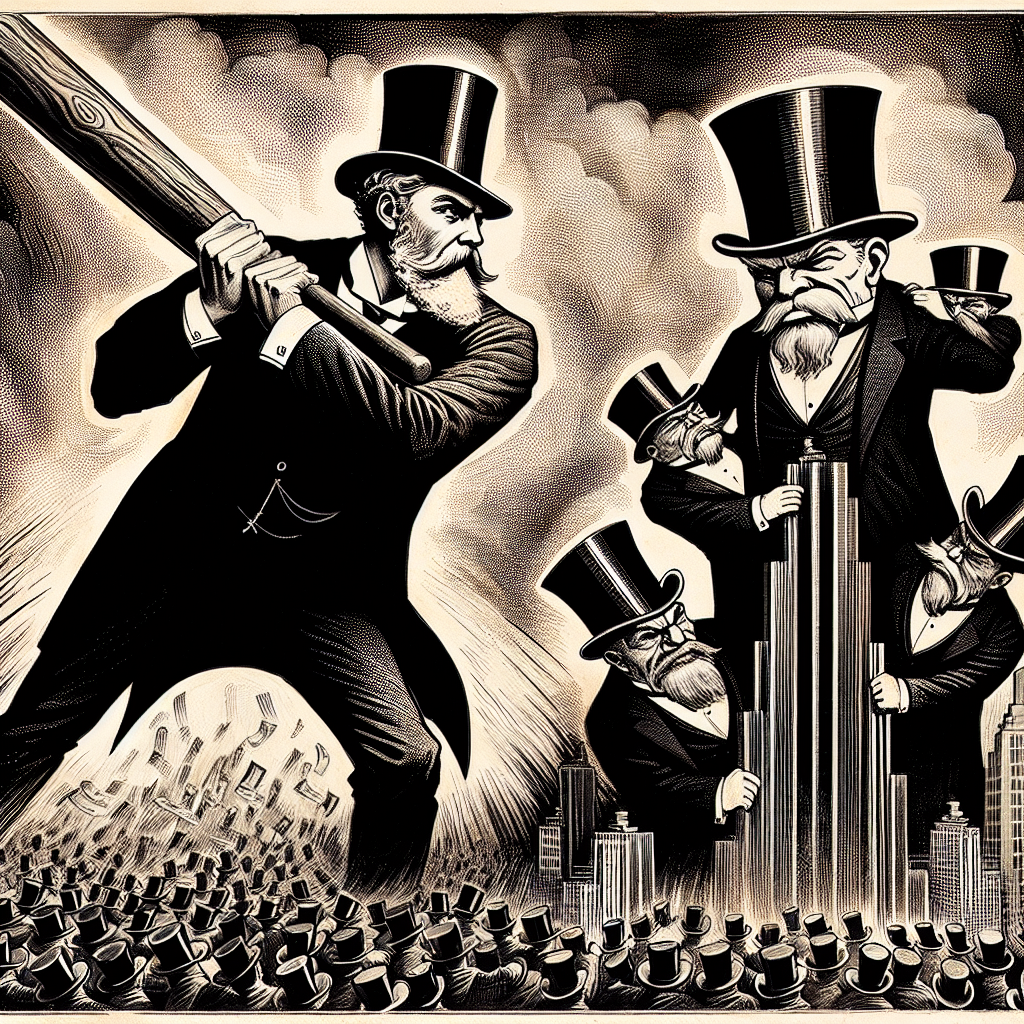
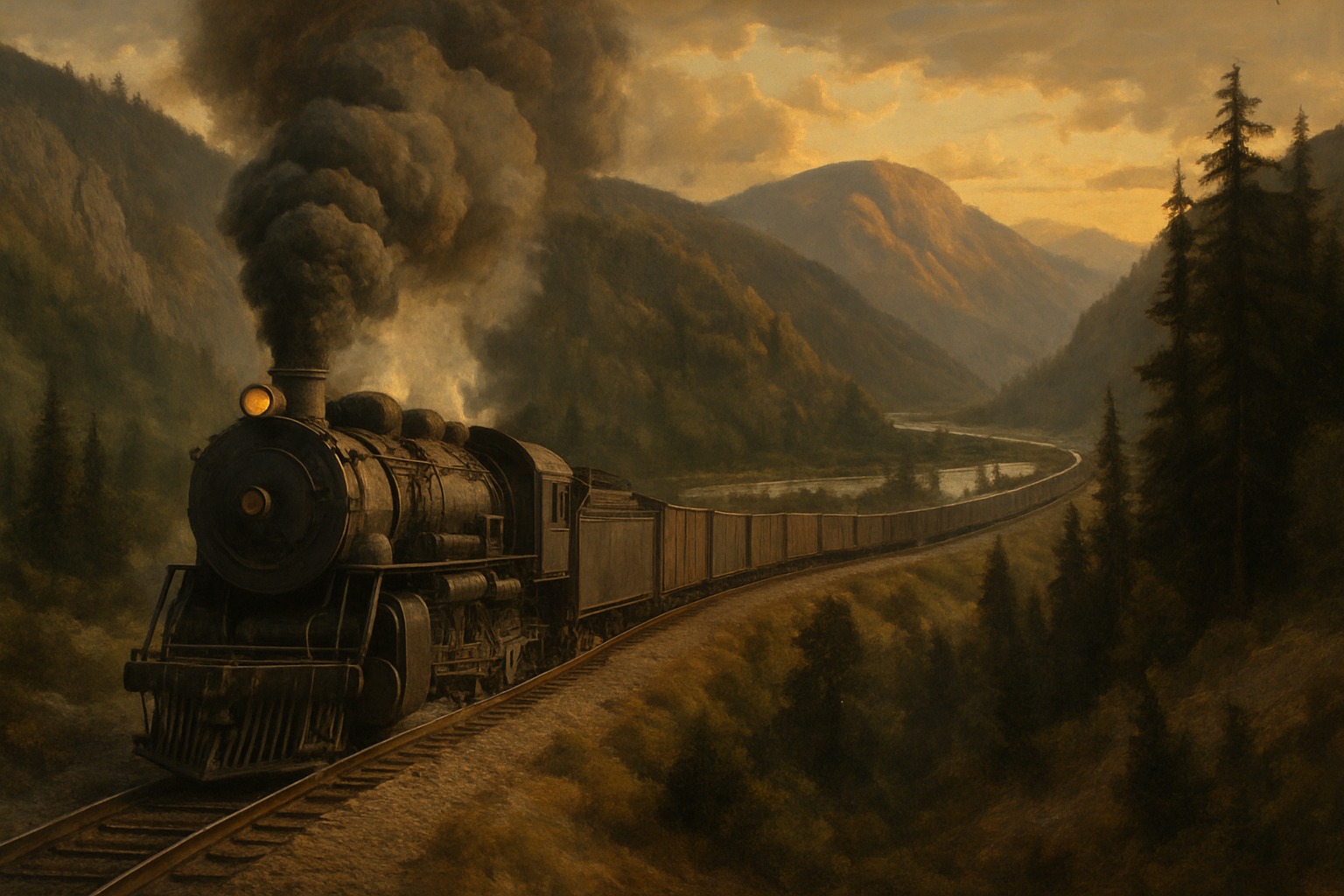
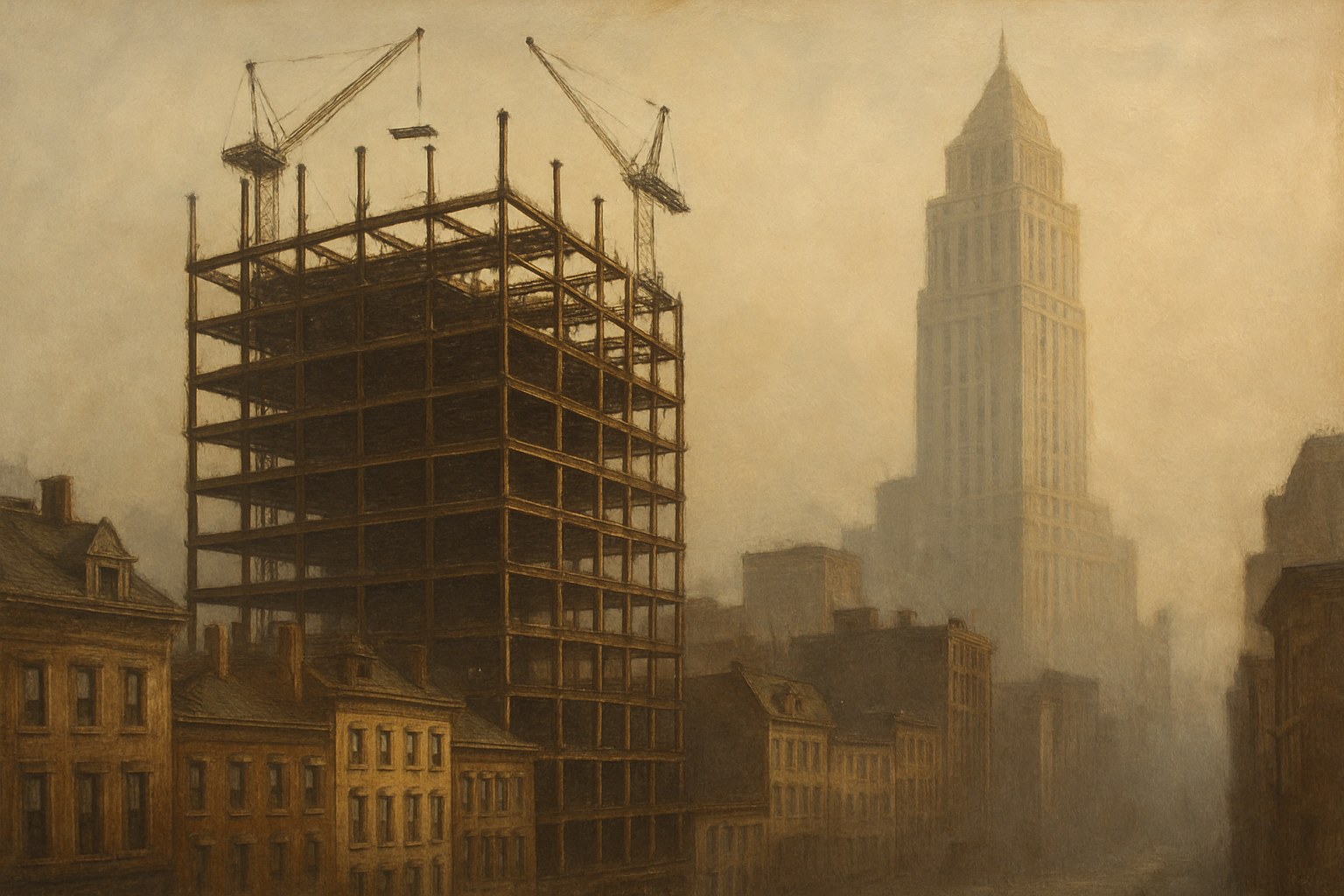
The new colossus embodied the era of finance capitalism, in which bankers rather than inventors assembled industries by consolidation. U.S. Steel built and ran entire communities, most famously the planned company town of Gary, Indiana, laid out on the Lake Michigan shore in 1906 and named for the corporation's chairman. Steel from its mills framed the skyscrapers, bridges, railroads, and warships of a rising industrial power. The company was less a factory than an economy unto itself.
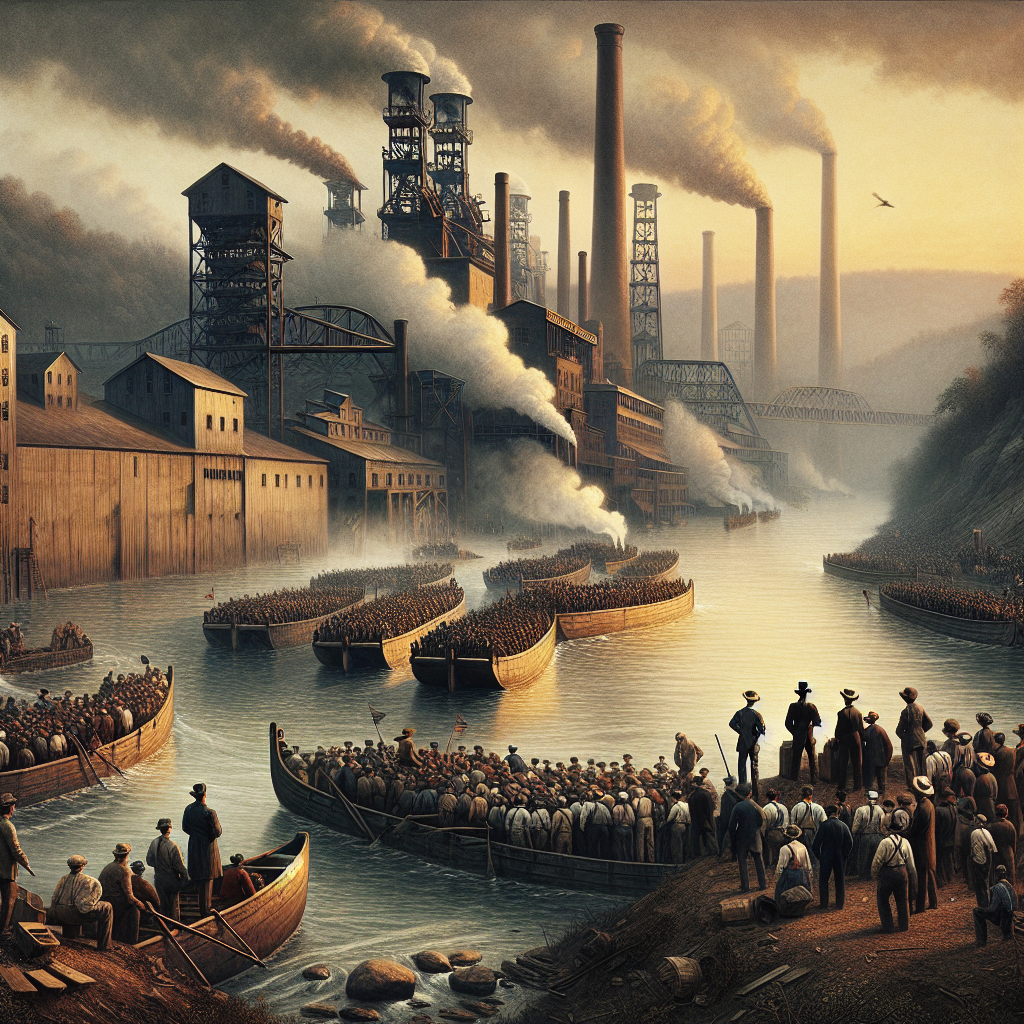
Its size made it a target on two fronts. Organized labor sought to crack its mills, and the great steel strike of 1919, drawing some 350,000 workers, was broken after months of struggle, setting back industrial unionism for a generation. The federal government pursued it under antitrust law, but in 1920 the Supreme Court declined to break it up, ruling in effect that mere size was not an offense — a decision that drew a sharp line against the precedent set by Standard Oil.
For decades U.S. Steel was a symbol of American industrial might, but the same scale that made it dominant made it slow. Foreign competition, aging plants, and the shift away from heavy manufacturing eroded its position through the late twentieth century, and the company that once employed hundreds of thousands shrank into a fraction of its former self. It endures as the monument to an age when the United States made more steel than any nation on earth — and when a single corporation could nearly corner it.

| Founded | 1901 |
| Organized by | J.P. Morgan |
| Built from | Andrew Carnegie's Carnegie Steel + rivals |
| Capitalization | $1.4 billion — first billion-dollar company |
| Peak share | ~2/3 of U.S. steel production |
| Company town | Gary, Indiana (founded 1906) |
| Antitrust | Survived U.S. Supreme Court suit, 1920 |
| Date | Founded 1901 |
| Location | Pittsburgh, Pennsylvania |