Tennessee Valley Authority
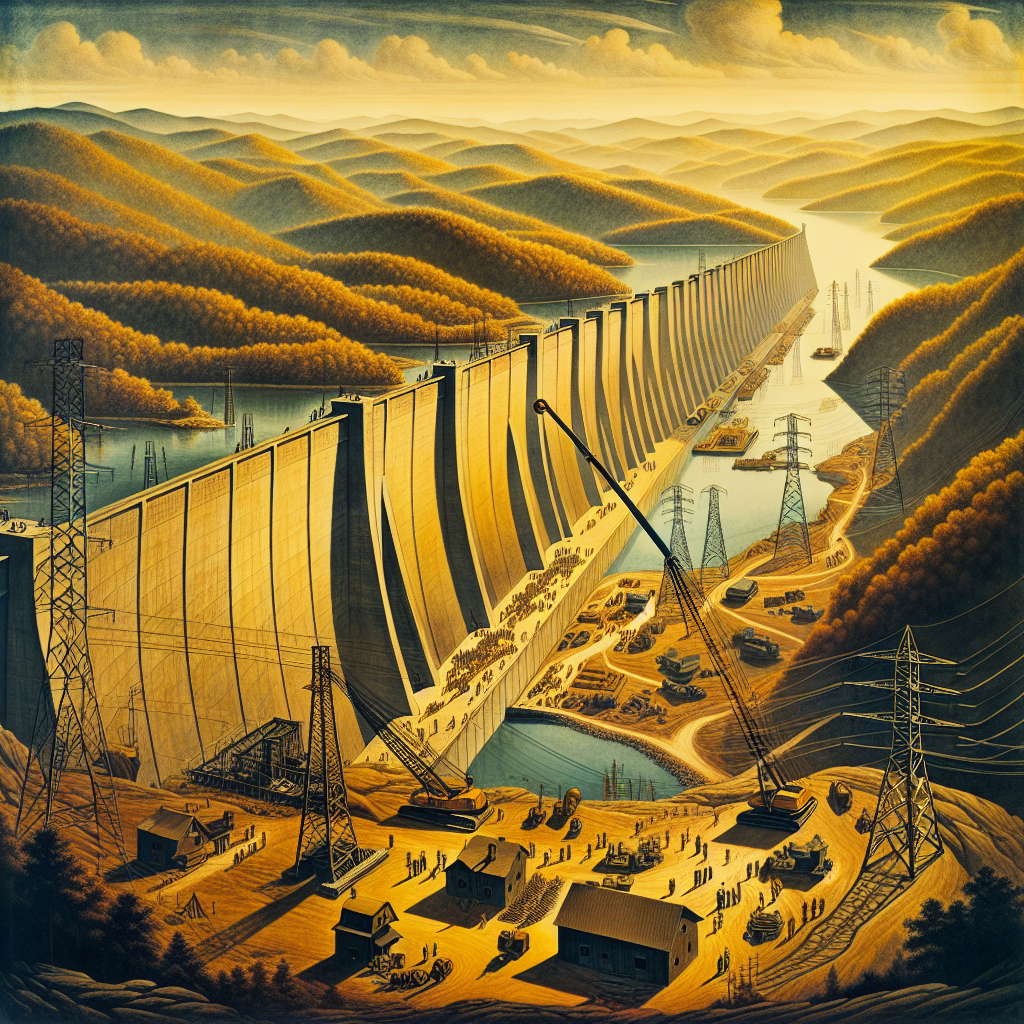
The Tennessee Valley in 1933 was one of the poorest regions in the United States. Average family income in parts of Appalachia ran to $100 a year. Malaria was endemic along the river bottoms. Flooding devastated farms each spring. Electricity was a rumor — fewer than three percent of rural farms had it. Franklin Roosevelt's proposal to address all of these problems simultaneously through a single federally owned corporation struck its opponents as socialism; its supporters called it the boldest domestic experiment in American history. Both were partly right.
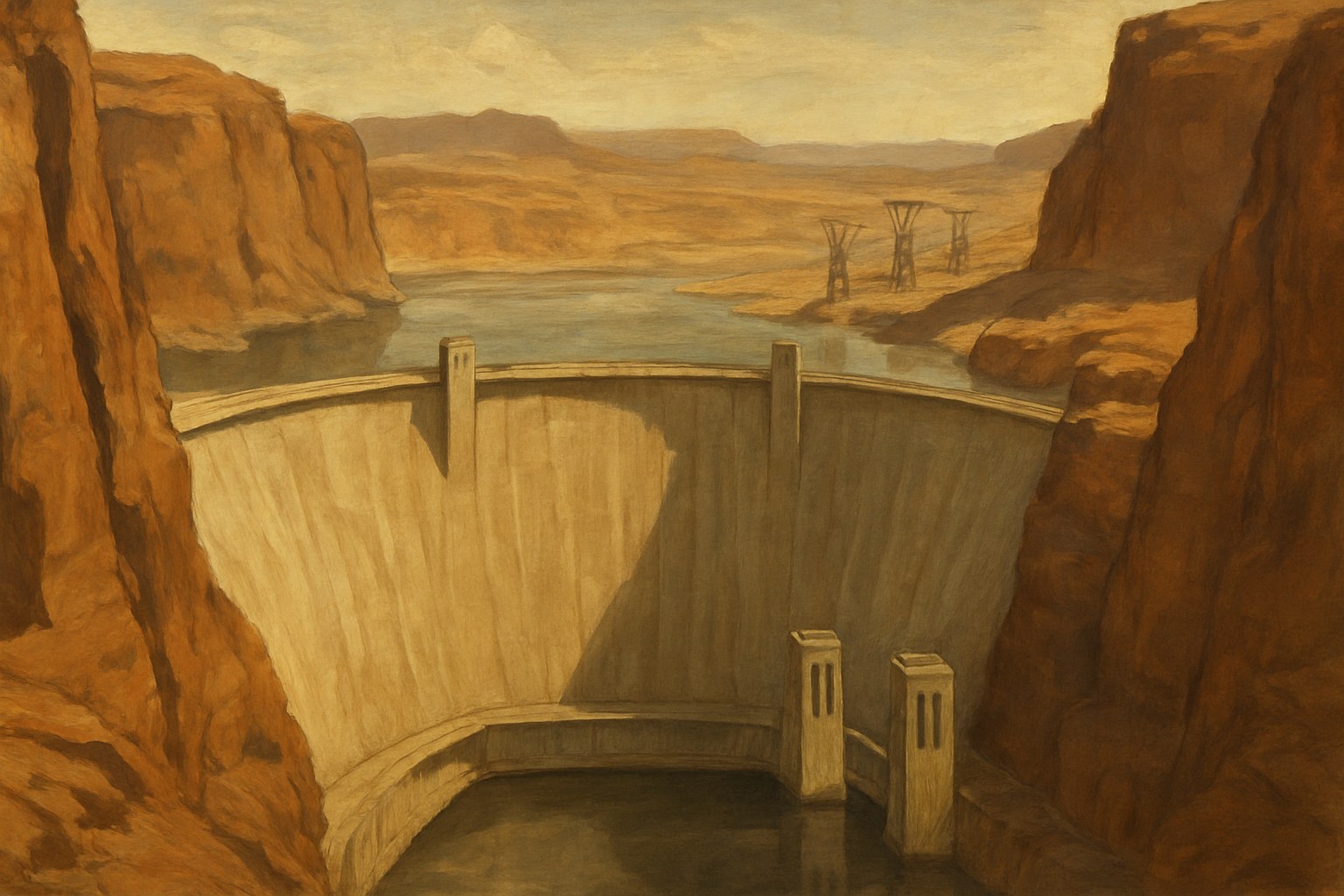
The Tennessee Valley Authority Act, signed on May 18, 1933, created a government corporation with authority to build dams, generate and sell electricity, control flooding, improve river navigation, produce fertilizer, and promote economic development across a seven-state region. The TVA built 29 dams and a system of locks that transformed the Tennessee River into a navigable industrial waterway. It electrified farms and homes across Appalachia, selling power at rates low enough to force down prices charged by private utilities throughout the region. Malaria was eliminated from the valley by the early 1940s. Per capita income rose to meet the national average within a generation.
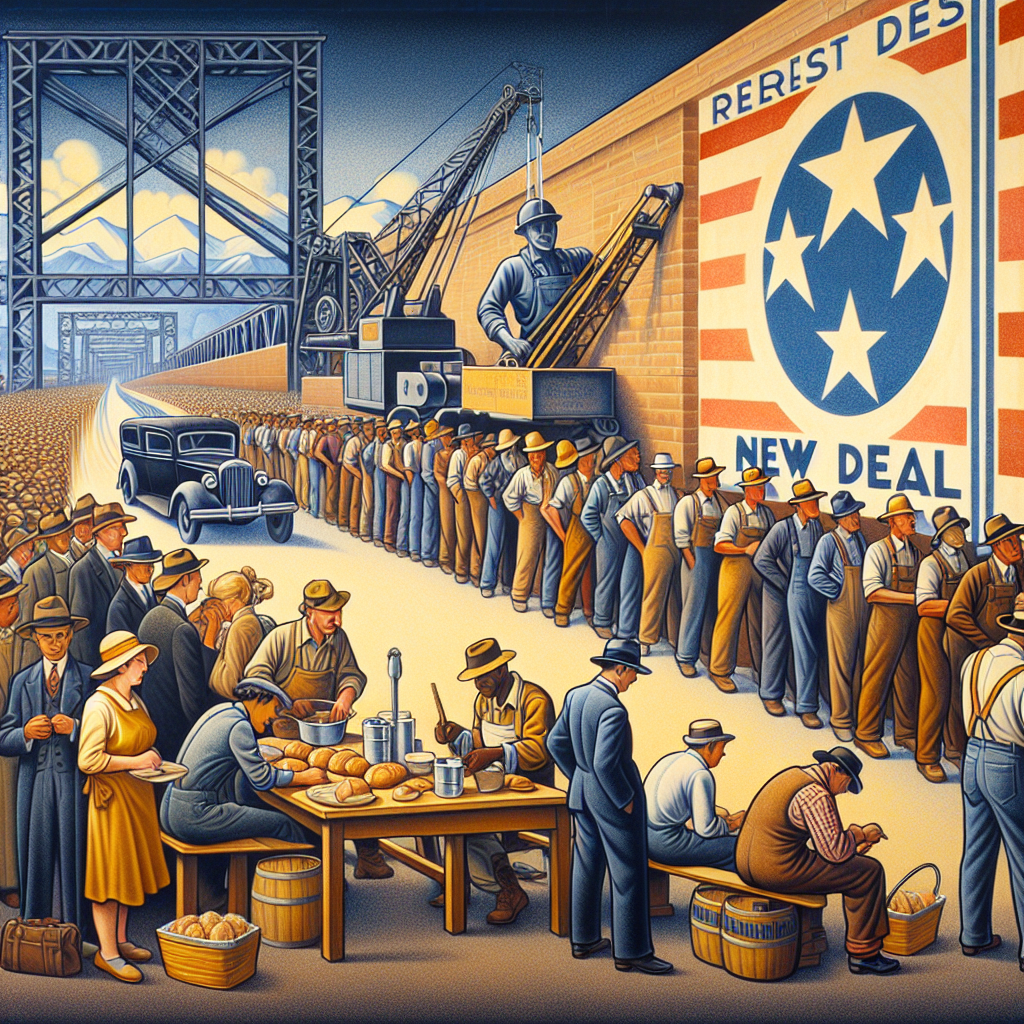
The TVA was also the largest displacement of American civilians by any peacetime government project in the 20th century. More than 15,000 families — many involuntarily — were relocated to make way for the reservoirs behind the TVA's dams. Entire communities, cemeteries, and bottomland farms were submerged. The agency's treatment of Black workers and residents reflected the racial hierarchy of the New Deal broadly: Black workers were paid less, housed separately, and largely excluded from skilled trades. The TVA's power distribution contracts with local utilities that maintained segregated service were not seriously challenged until the civil rights era.
The TVA became the template — both inspirational and cautionary — for federal regional development projects worldwide. India's Damodar Valley Corporation and dozens of development bank projects across Asia, Africa, and Latin America were explicitly modeled on it. At home it remains the largest public power provider in the United States, serving 10 million people across seven states. The argument about whether its model should be replicated — a government corporation with sweeping authority to reshape a region's economy, geography, and environment — resurfaces in every serious debate about rural development and energy infrastructure, never quite settled.



| Created | May 18, 1933 |
| President | Franklin D. Roosevelt |
| States served | Tennessee, Alabama, Mississippi, Kentucky, Georgia, North Carolina, Virginia |
| Dams built | 29 |
| Population displaced | 15,000+ families |
| Malaria eliminated | From the Tennessee Valley by the early 1940s |
| Power customers | 10 million (today) |
| Global model | Damodar Valley Corporation (India) and dozens of others |
| Date | Created May 18, 1933 |
| Location | Knoxville, Tennessee |