The Great Chicago Fire
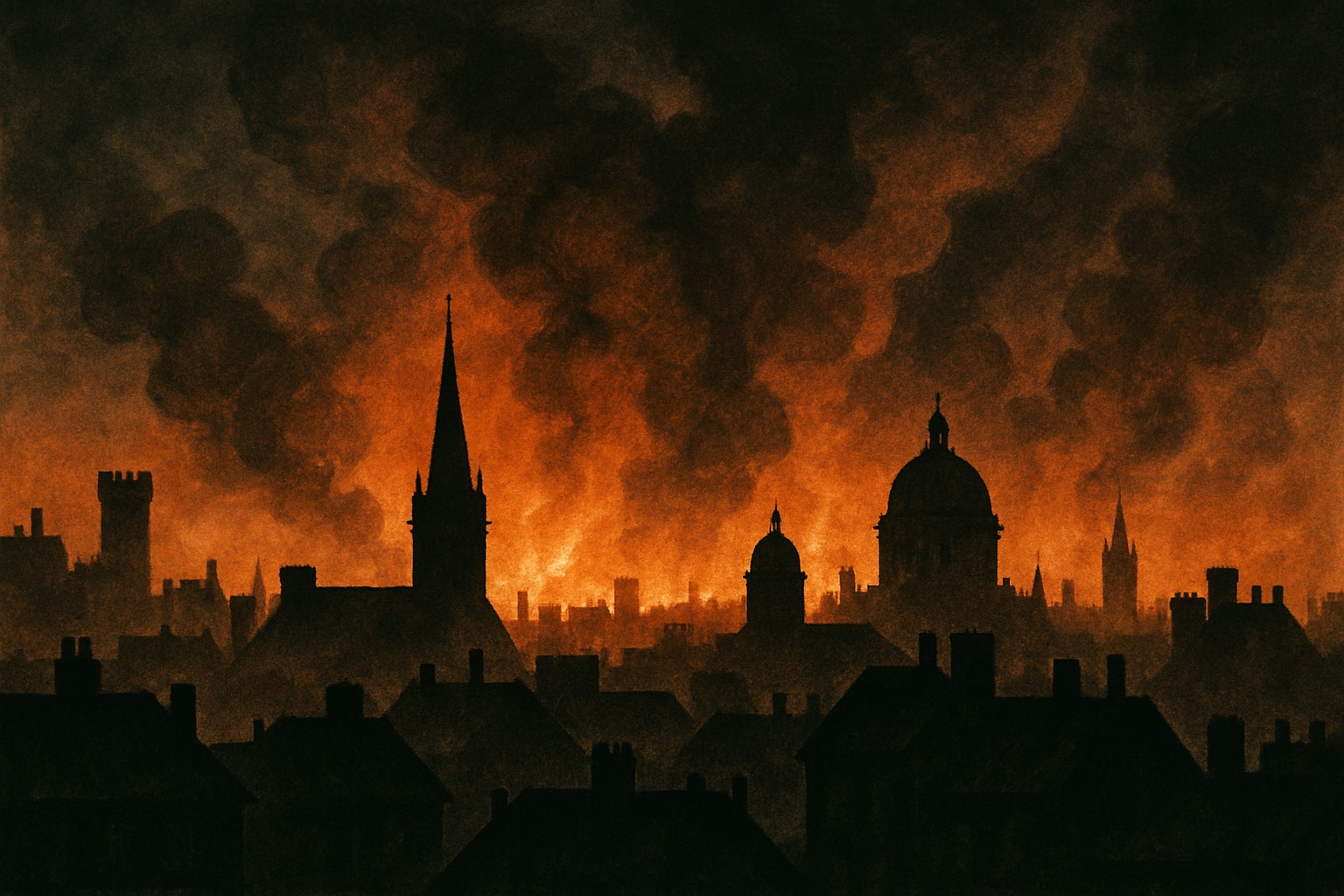
In October 1871, a fire broke out in Chicago and burned for two days, destroying much of the city. It killed some 300 people, left a third of the population homeless, and leveled more than three square miles of the rapidly growing metropolis, including its entire central business district.
The city was a tinderbox. Built largely of wood after a dry summer, Chicago's closely packed buildings, sidewalks, and roads spread the flames with terrible speed. The legend that Mrs. O'Leary's cow kicked over a lantern to start it is almost certainly a myth, but the fire's true cause was never confirmed.
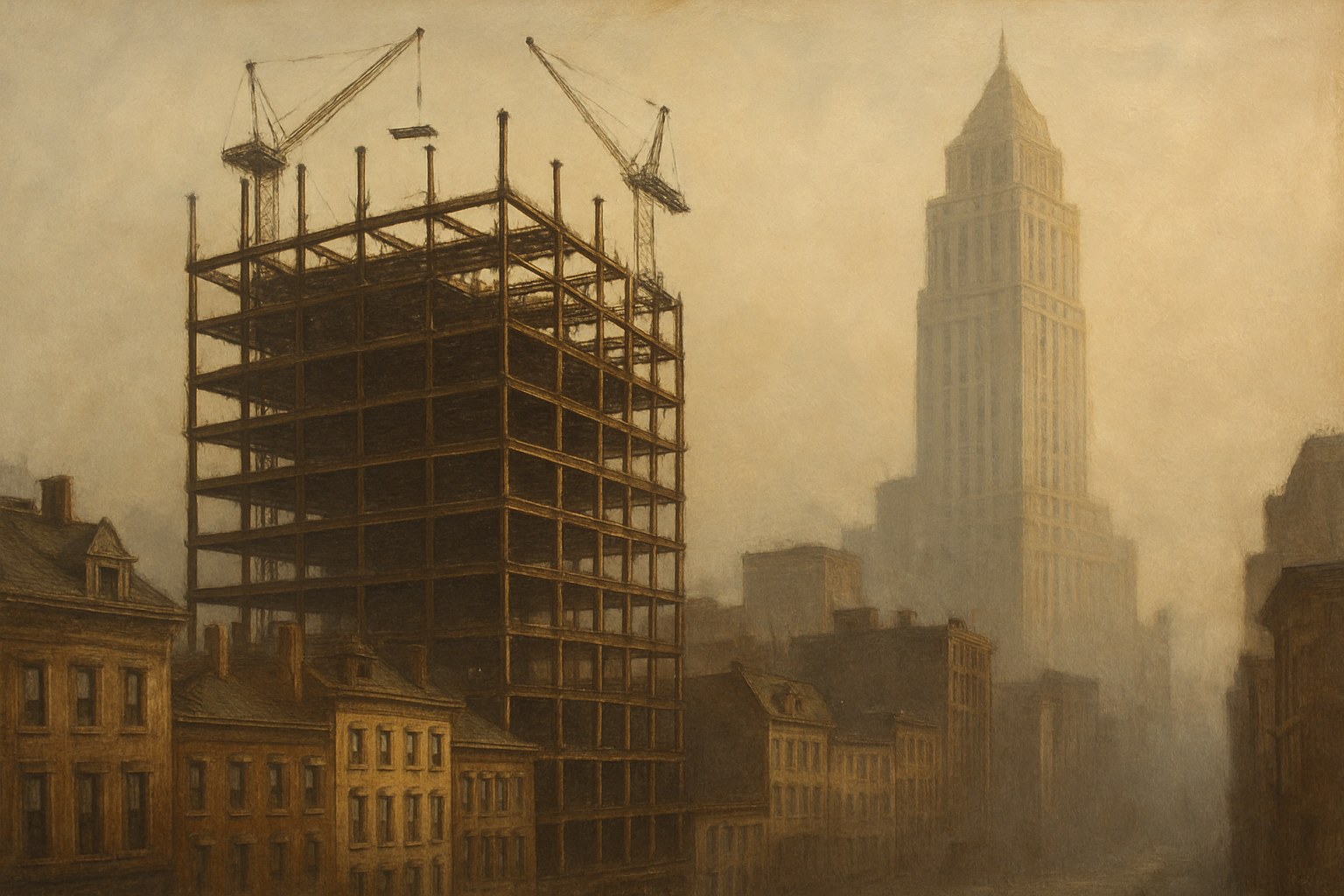
The rebuilding was extraordinary. Rather than abandon the ruined city, Chicago rebuilt almost immediately and on a grander scale — adopting fireproof construction, stricter building codes, and a professionalized fire department. The disaster cleared the ground for an architectural boom that produced the world's first skyscrapers.
The Great Chicago Fire became a symbol of both catastrophe and resilience — a city that burned to the ground and rose again as one of the great cities of the world. It also helped drive the fire-safety reforms that reshaped American cities.
| Date | October 8–10, 1871 |
| Toll | ~300 dead; a third of Chicago left homeless |
| Destroyed | Over three square miles, including downtown |
| Myth | The O'Leary's-cow story is almost certainly false |
| Legacy | Fireproof codes; rebuilt as a city of skyscrapers |
| Date | October 8–10, 1871 |
| Location | Chicago, Illinois |