Urbanization
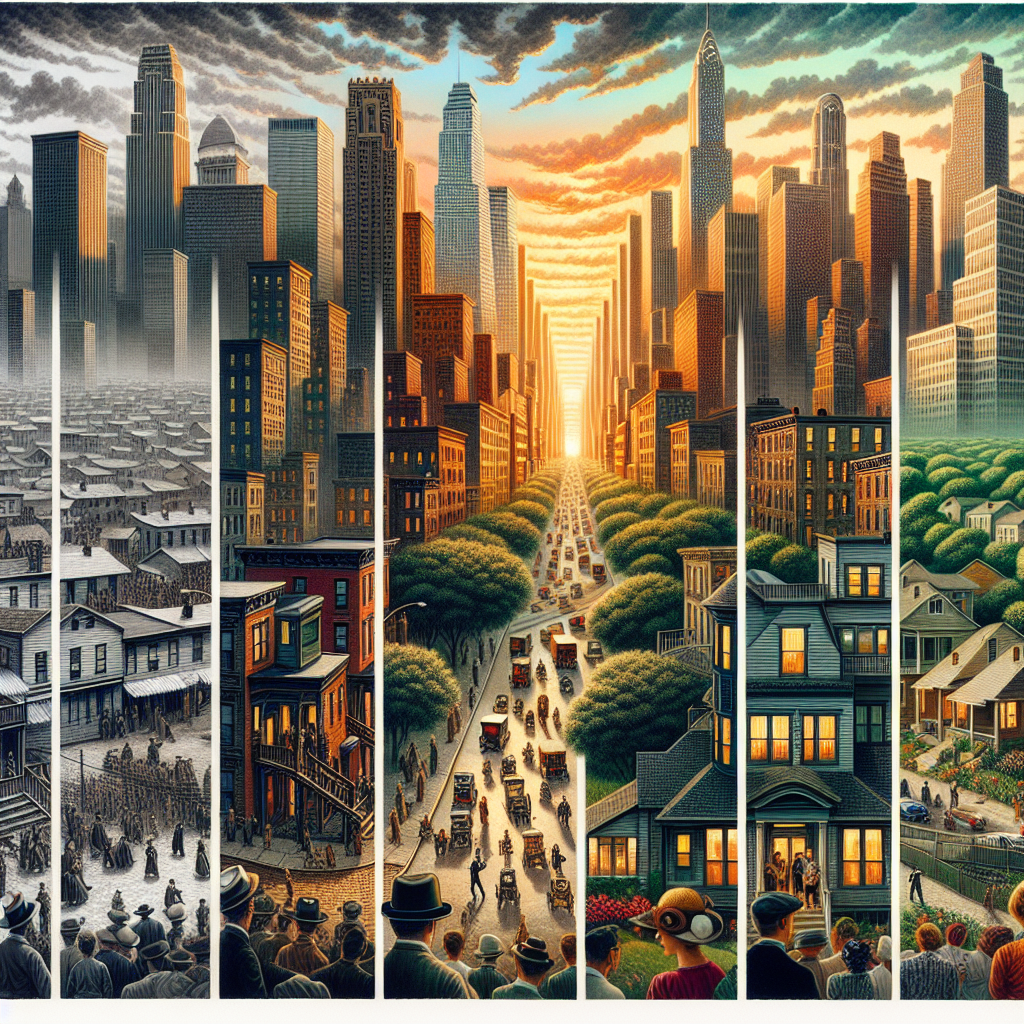
In 1790, when the first federal census was taken, approximately 95 percent of Americans lived in rural areas. By 1920, for the first time in American history, more people lived in cities and towns than on farms. By 2020, more than 80 percent of Americans were urban. That transformation — the most profound demographic shift in the country's history — reshaped everything it touched: family structure, political power, cultural production, public health, race relations, economic organization, and the physical landscape of a continent. It happened not once but in waves, each driven by different combinations of pull factors in the cities and push factors in the countryside.
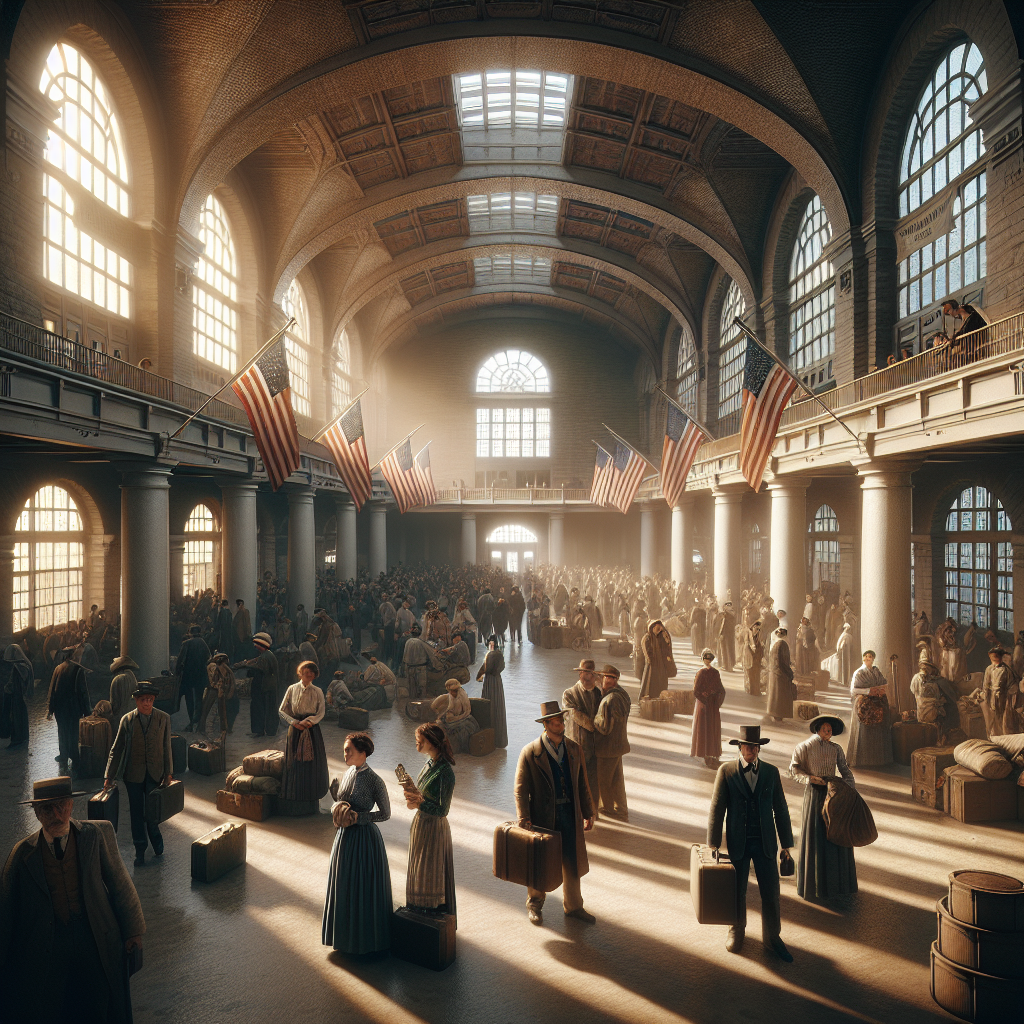
The first great wave followed the Civil War, as industrial cities in the Northeast and Midwest pulled workers from Appalachian farms and European ports simultaneously. The second wave arrived with the Great Migration — the movement of more than six million Black Americans from the rural South to Northern and Western cities between 1910 and 1970, driven equally by the violence and economic immobility of Jim Crow and by industrial employment in Detroit, Chicago, New York, and Los Angeles. Each wave produced a city that looked different from its predecessor: the Gilded Age city of tenements and factory gates; the Jazz Age city of speakeasies and skyscrapers; the postwar suburban city whose growth consumed the countryside its residents had left behind.
Urbanization created the problems it promised to solve and solved some of the problems it created. Progressive Era urban reformers — Jane Addams at Hull House, Jacob Riis documenting the tenements with a camera — catalogued overcrowding, disease, child labor, and political corruption concentrated in immigrant neighborhoods. The sanitation infrastructure, public health systems, transit networks, and zoning codes that responded to those conditions became foundational institutions of modern city government. The cities that urbanization built also produced the universities, hospitals, newspapers, museums, and cultural institutions that Americans of every background subsequently relied on.
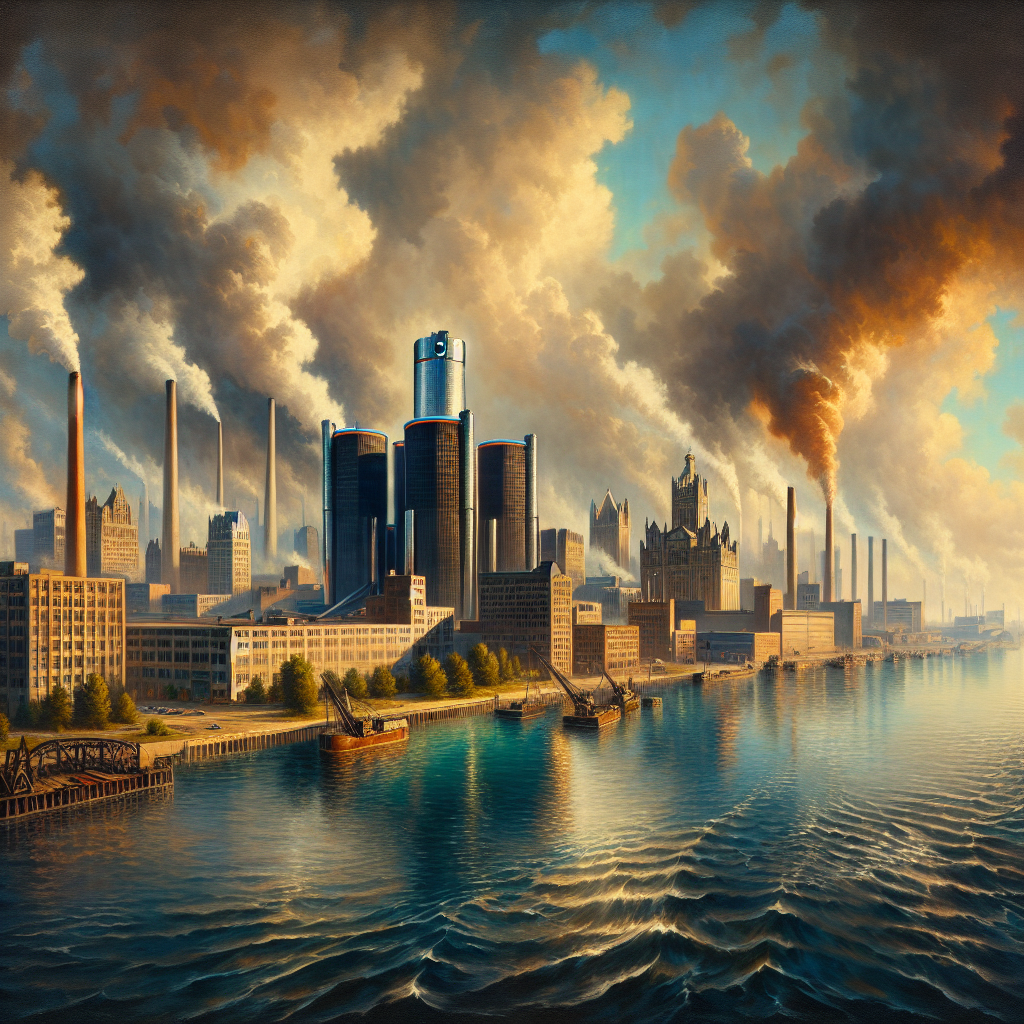
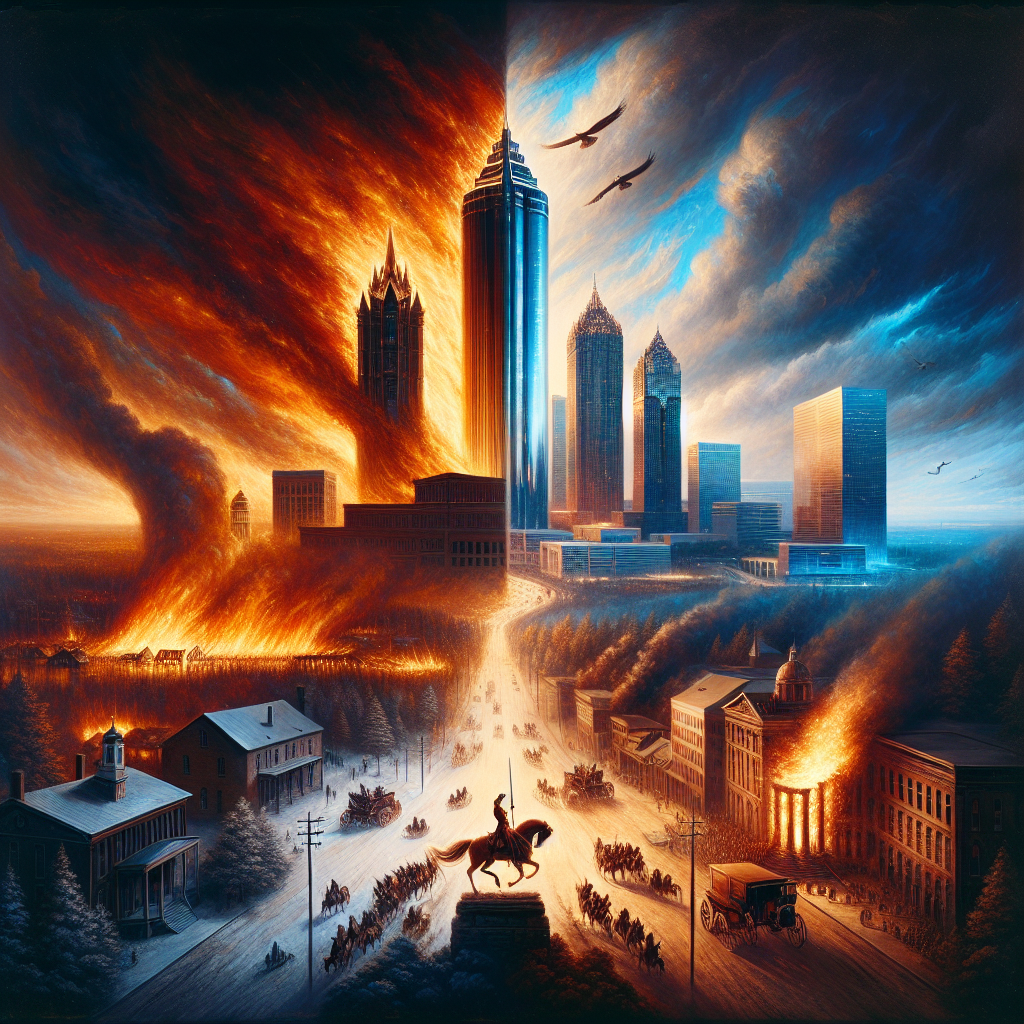
The urban-rural divide that defines much of contemporary American politics is, in many respects, the residue of urbanization's uneven geography. The cities that grew fastest absorbed the most immigration and generated the most economic complexity; the rural areas they drew from lost both population and political representation. The Midwest's deindustrialized cities — Detroit, Cleveland, Pittsburgh, Gary — experienced urbanization in reverse, shrinking as the industries that built them moved elsewhere. The Sun Belt cities of Atlanta, Phoenix, Houston, and Las Vegas offered a third model: sprawling, automobile-dependent, growing when the older urban cores were declining, and raising new questions the first two models had never anticipated.
| Rural majority | 1790–1920 (95% rural in 1790) |
| Urban majority reached | 1920 census |
| Urban population today | ~83% of Americans (2020 census) |
| First great wave | Post-Civil War industrial migration, 1865–1900 |
| Great Migration | 6+ million Black Americans, 1910–1970 |
| Key reform figures | Jane Addams, Jacob Riis, Frederick Law Olmsted |
| Postwar suburbanization | GI Bill (1944), Federal Highway Act (1956) |