Hoover Dam
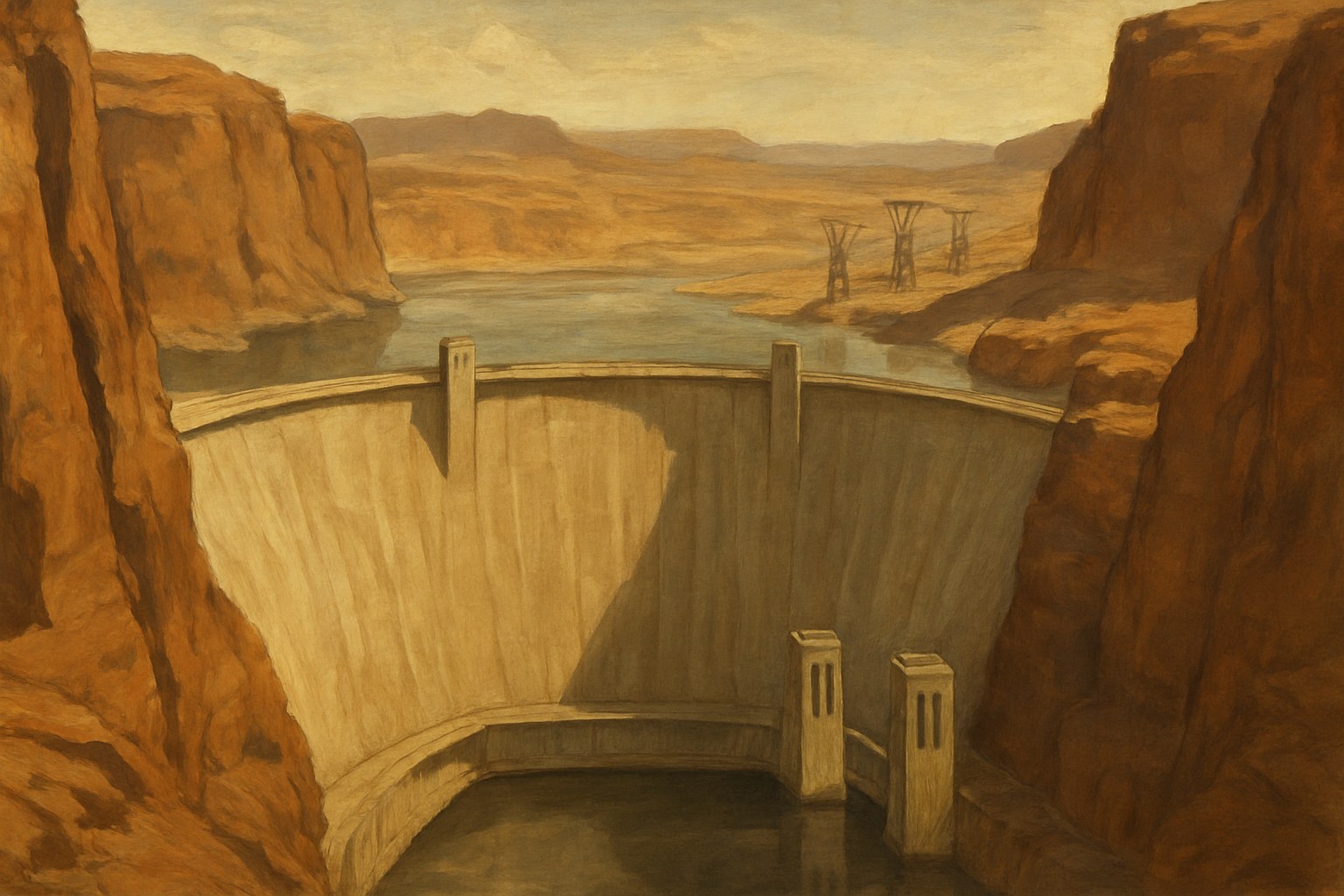
The Colorado River ran unmanaged through the Southwest, drowning the Imperial Valley in wet years and dwindling to nothing in dry ones, and seven states spent a decade arguing over who owned the water. The Colorado River Compact of 1922 divided it on paper. The Boulder Canyon Project Act of 1928 authorized the federal government to build the largest dam ever attempted, in Black Canyon on the Nevada-Arizona line, to store the flow, stop the floods, and sell enough electricity to pay the whole thing back.
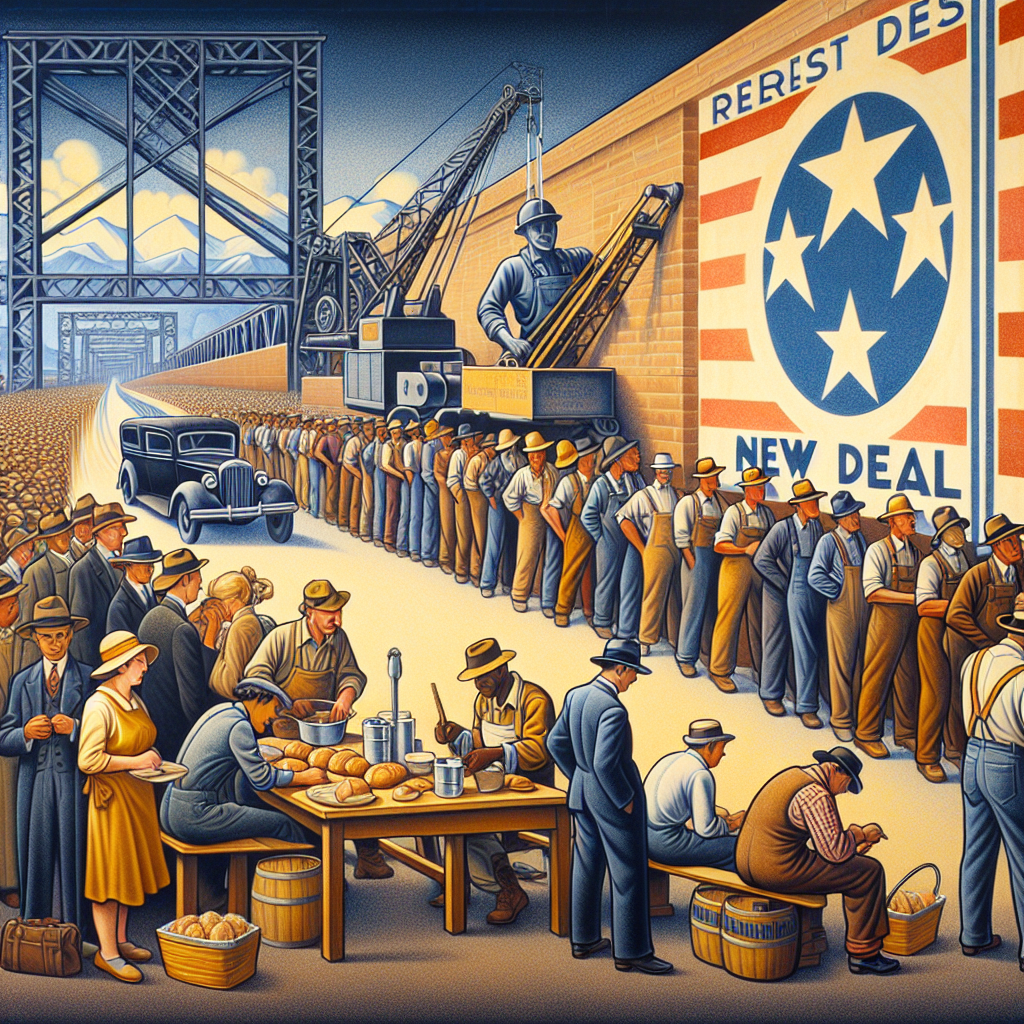
No single firm could bond a job that size, so six western construction companies combined as Six Companies, Incorporated, and won the contract in March 1931 with a bid just under forty-nine million dollars. Frank Crowe, their superintendent, had spent his career preparing for exactly this. Work began in the second year of the Depression and men came to the desert by the thousands for the jobs, living at first in a squatters' camp on the riverbank called Ragtown, in summer heat that regularly passed one hundred and twenty degrees, until the government built Boulder City to house them.
The river had to be moved first, through four diversion tunnels blasted through the canyon walls, and then the dam itself posed a problem nobody had solved at that scale. Three and a quarter million cubic yards of curing concrete generate enormous heat, and a single monolithic pour would have taken more than a century to cool and would have cracked itself apart. The engineers poured it instead as a honeycomb of interlocking blocks, each threaded with steel pipe carrying first river water and then refrigerated ammonia from a plant built on the site, and grouted the joints once each block had shrunk.
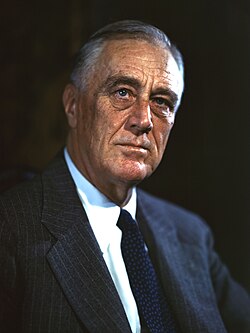
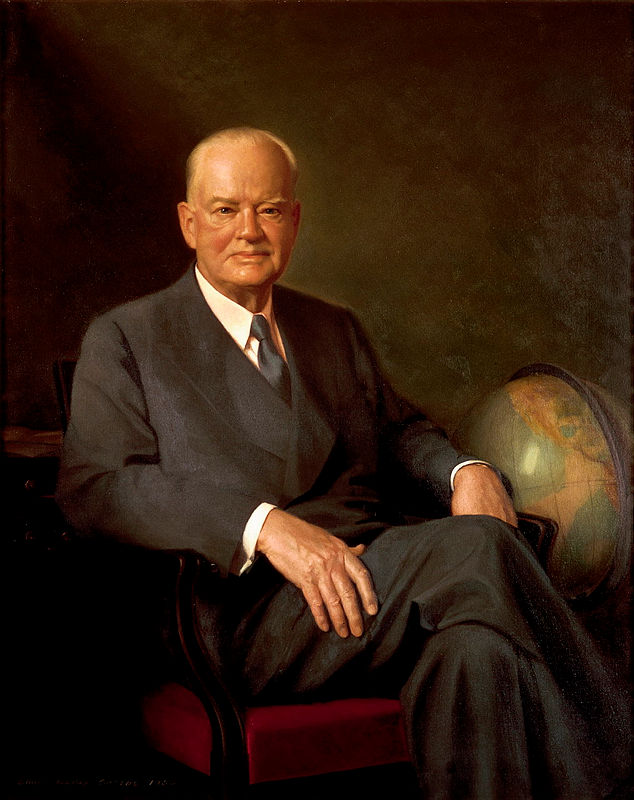
The official toll was ninety-six men killed in construction, a count that excluded deaths recorded as heat prostration or as pneumonia, the second a diagnosis many workers believed was used to avoid liability for carbon monoxide poisoning in the diversion tunnels. Finished in 1936, the dam ended the floods, stored the river as Lake Mead, and sent power hundreds of miles to Los Angeles. The regulated water and cheap electricity behind it made Las Vegas and Phoenix possible. Even the name was fought over: Hoover's interior secretary called it Hoover Dam in 1930, Roosevelt's called it Boulder Dam in 1933, and Congress restored the original in 1947.
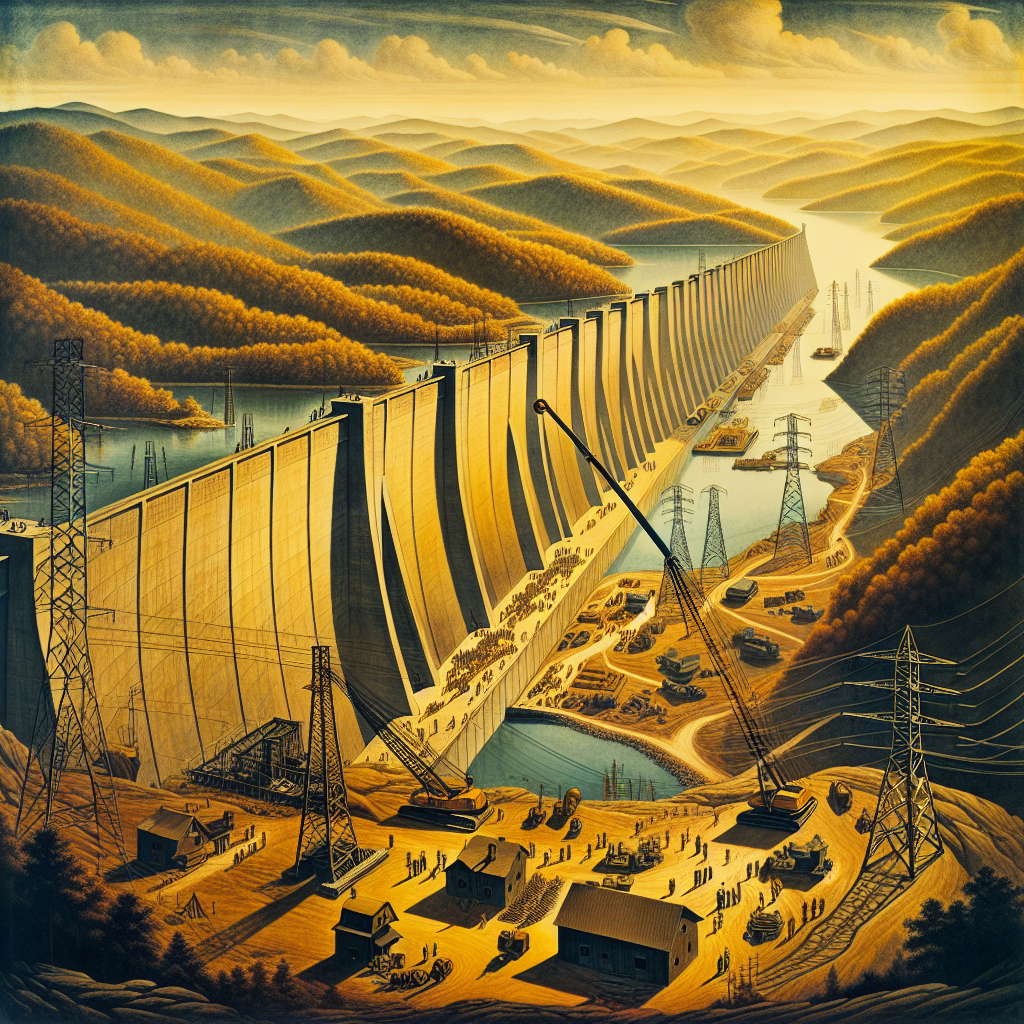

| Built | 1931-1936, dedicated September 1935 |
| Location | Black Canyon, on the Nevada-Arizona line |
| Builder | Six Companies, Incorporated, under Frank Crowe |
| Concrete | 3.25 million cubic yards, cooled by embedded pipe |
| Deaths | 96 officially recorded as construction fatalities |
| Naming | Hoover Dam 1930, Boulder Dam 1933, Hoover Dam again 1947 |
| Date | Built 1931-1936 |
| Location | Black Canyon, Colorado River, Nevada-Arizona |