The Reconstruction Amendments (13th, 14th, 15th)
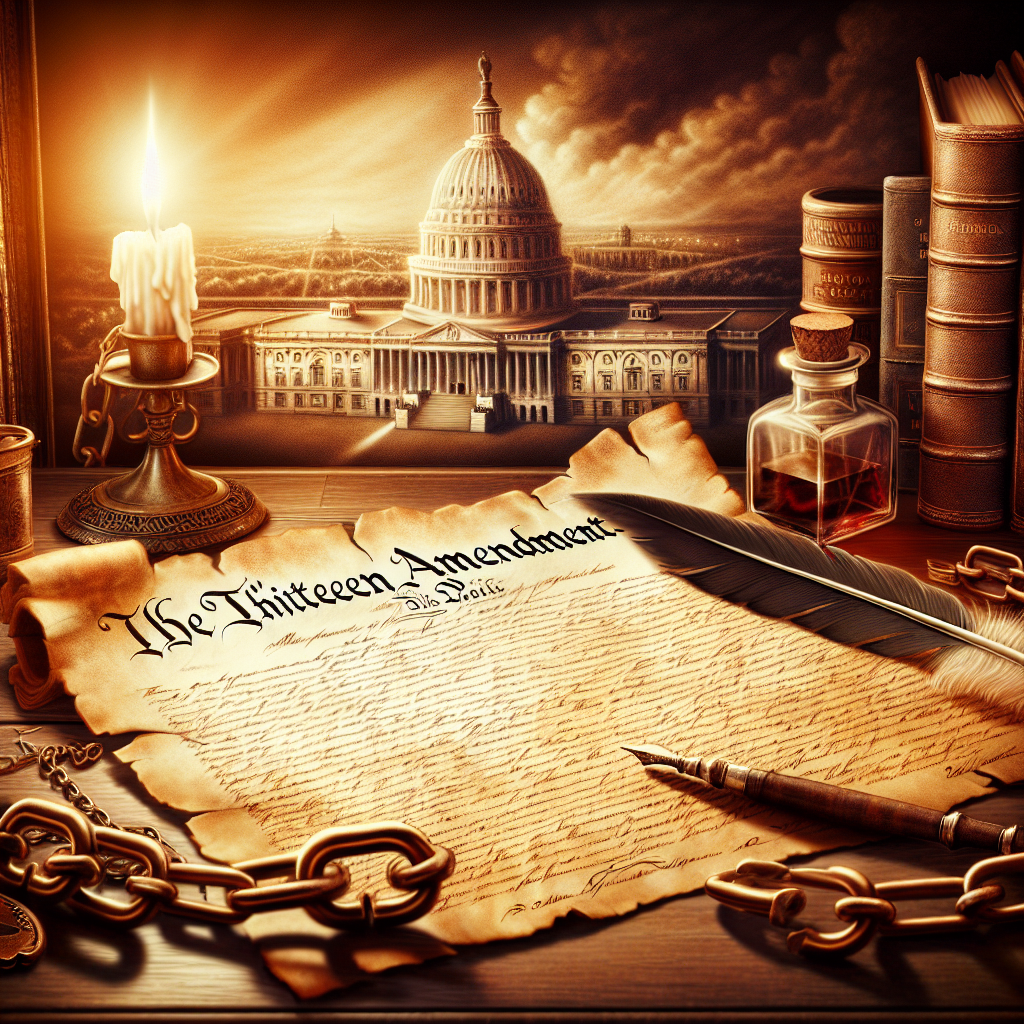
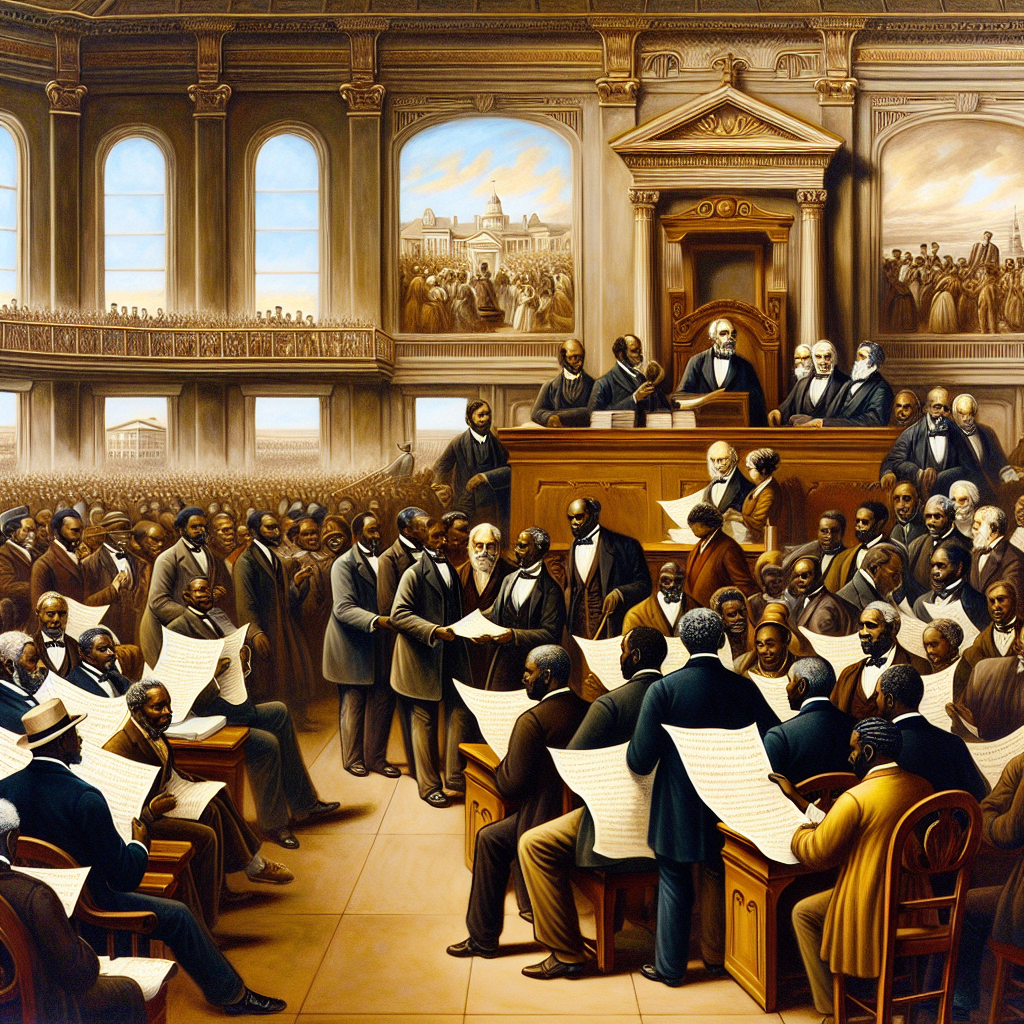
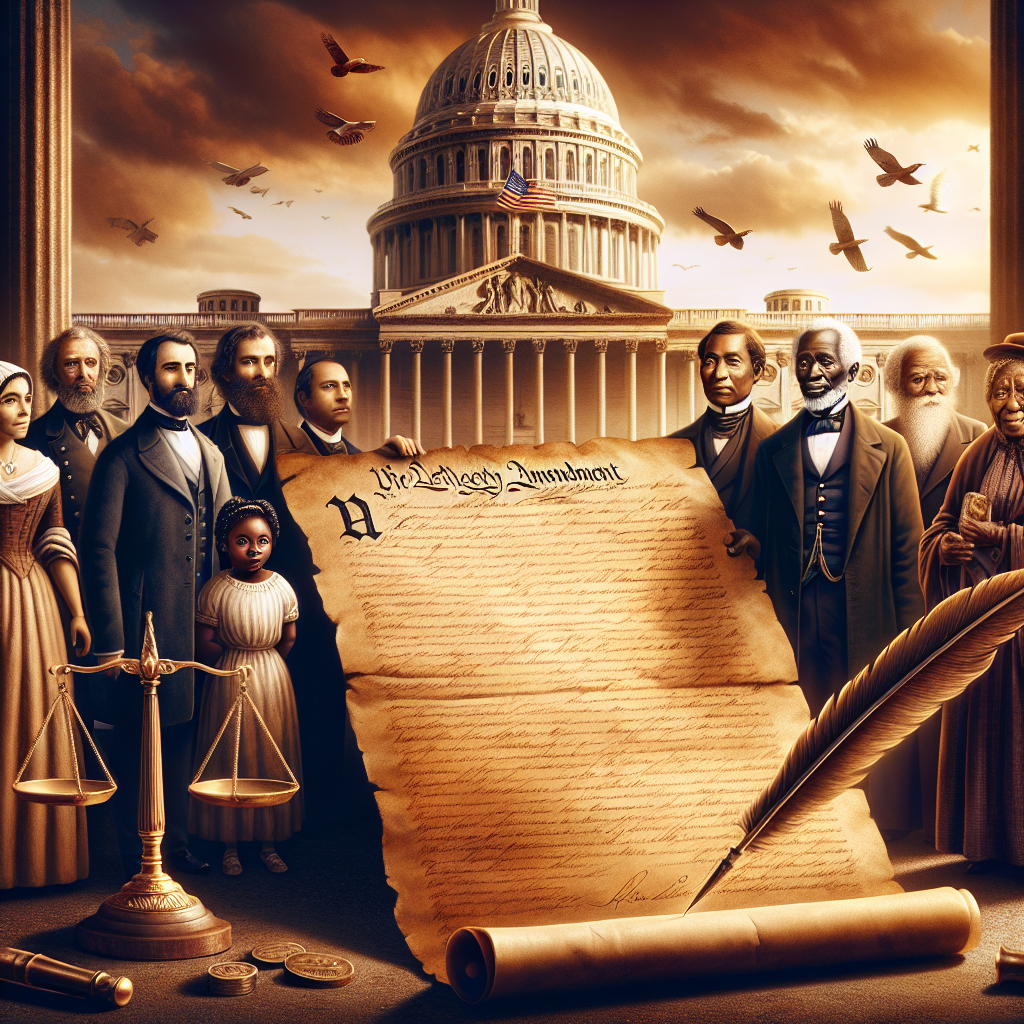
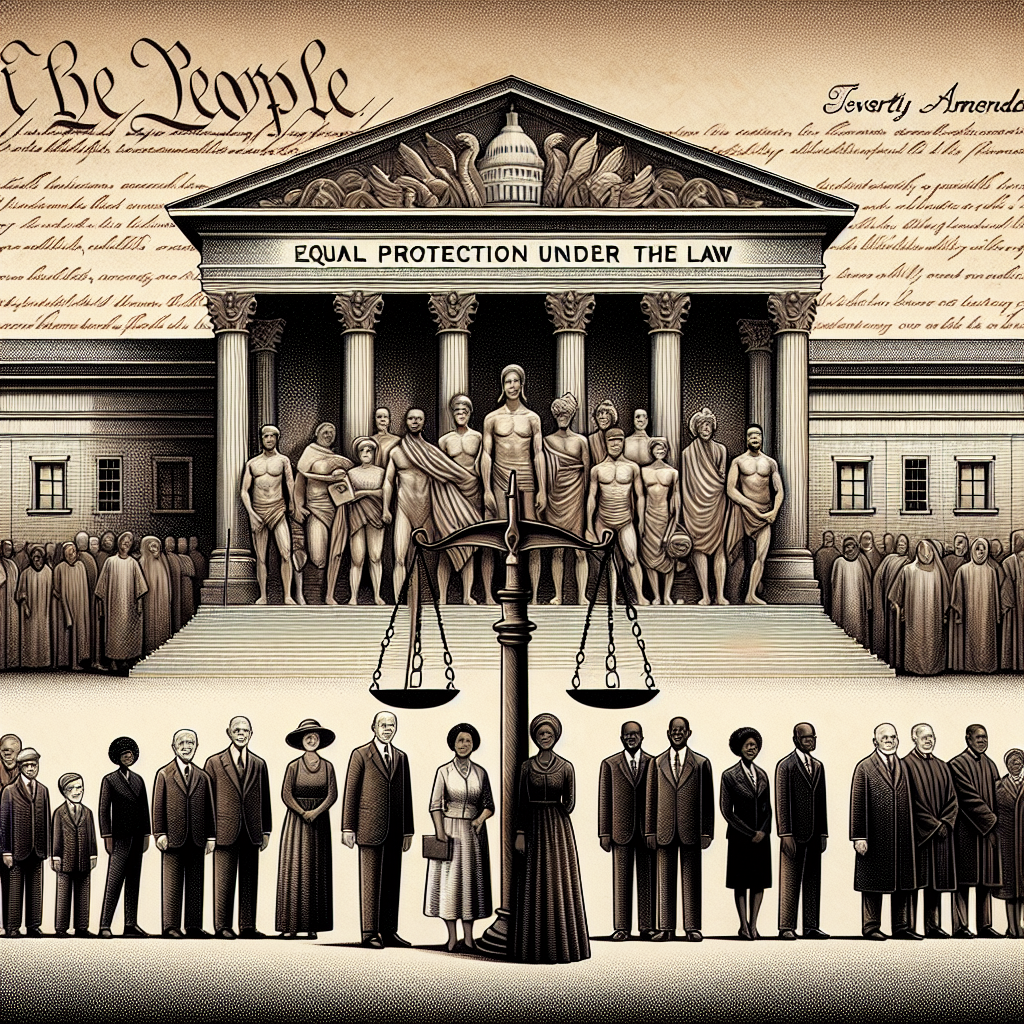
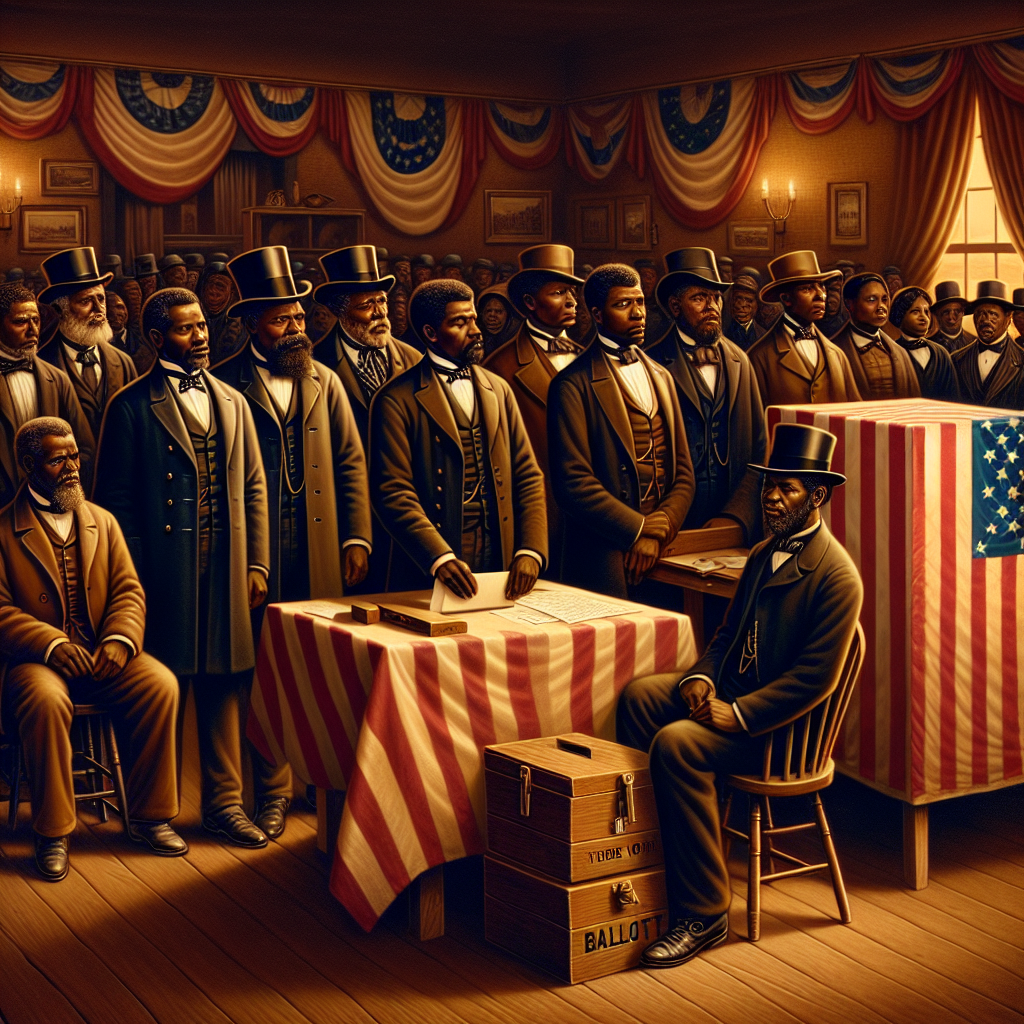
Between 1865 and 1870, the United States rewrote its Constitution three times. The Thirteenth Amendment abolished slavery everywhere in the nation. The Fourteenth defined citizenship, guaranteed due process, and promised every person the equal protection of the laws. The Fifteenth barred the states from denying the vote on account of race. Historians call the trio the Reconstruction Amendments, and many describe the period that produced them as a second founding — not because the amendments adjusted the original document, but because they reversed its accommodations with slavery and put the federal government, for the first time, in the business of protecting individual rights against the states.
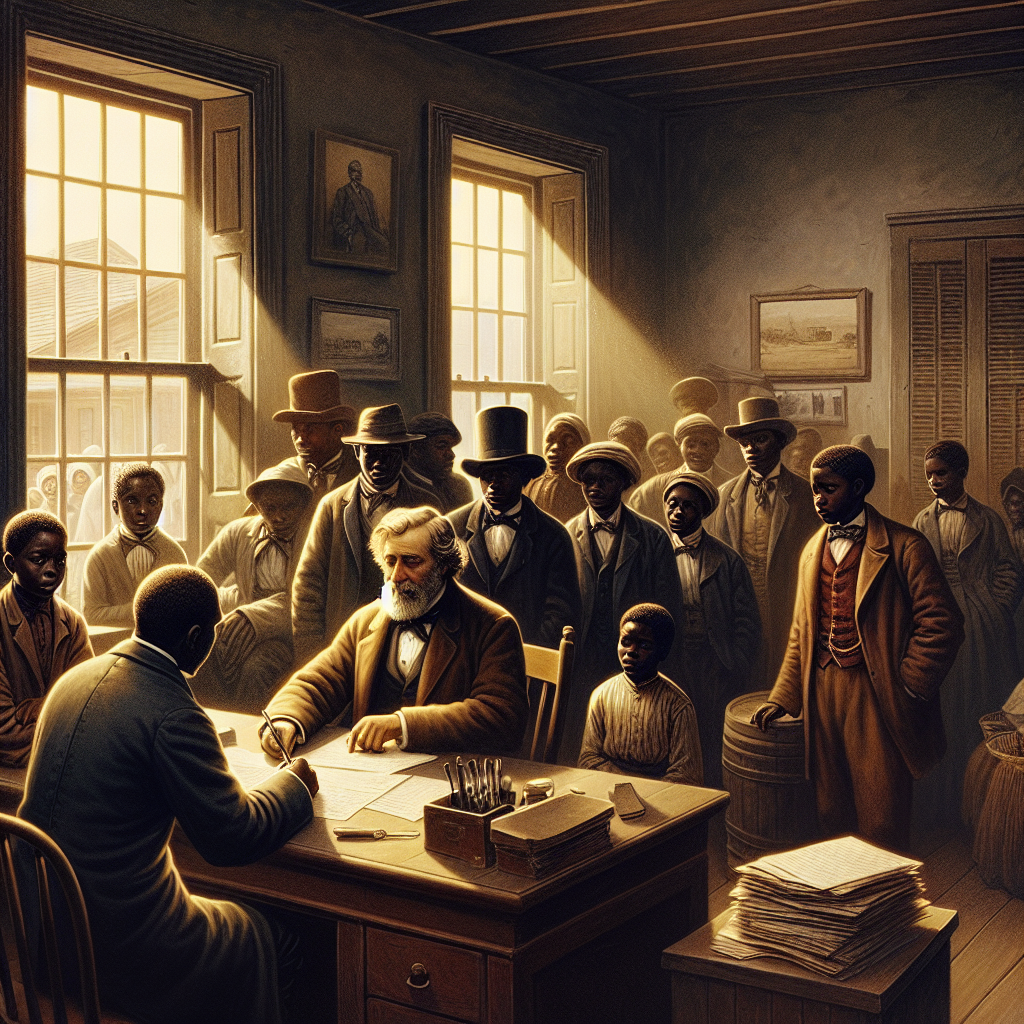
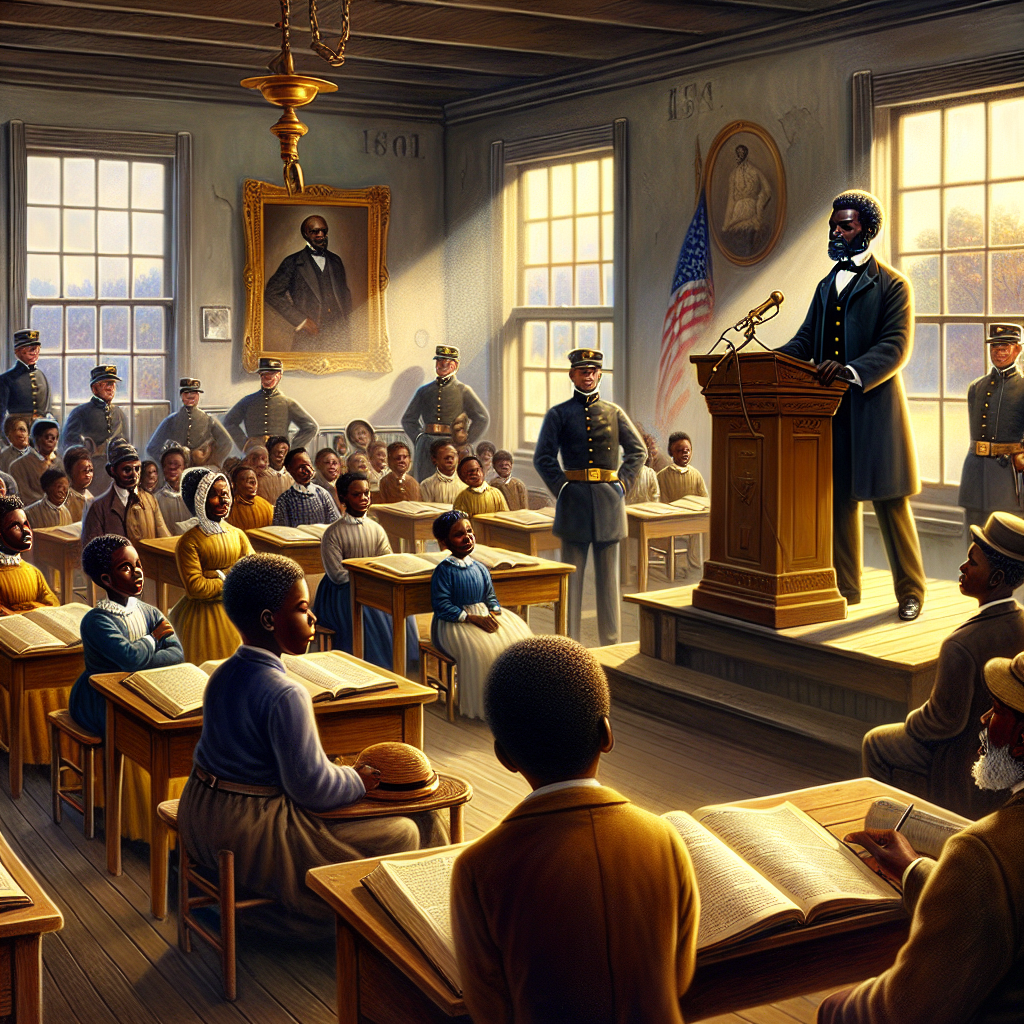
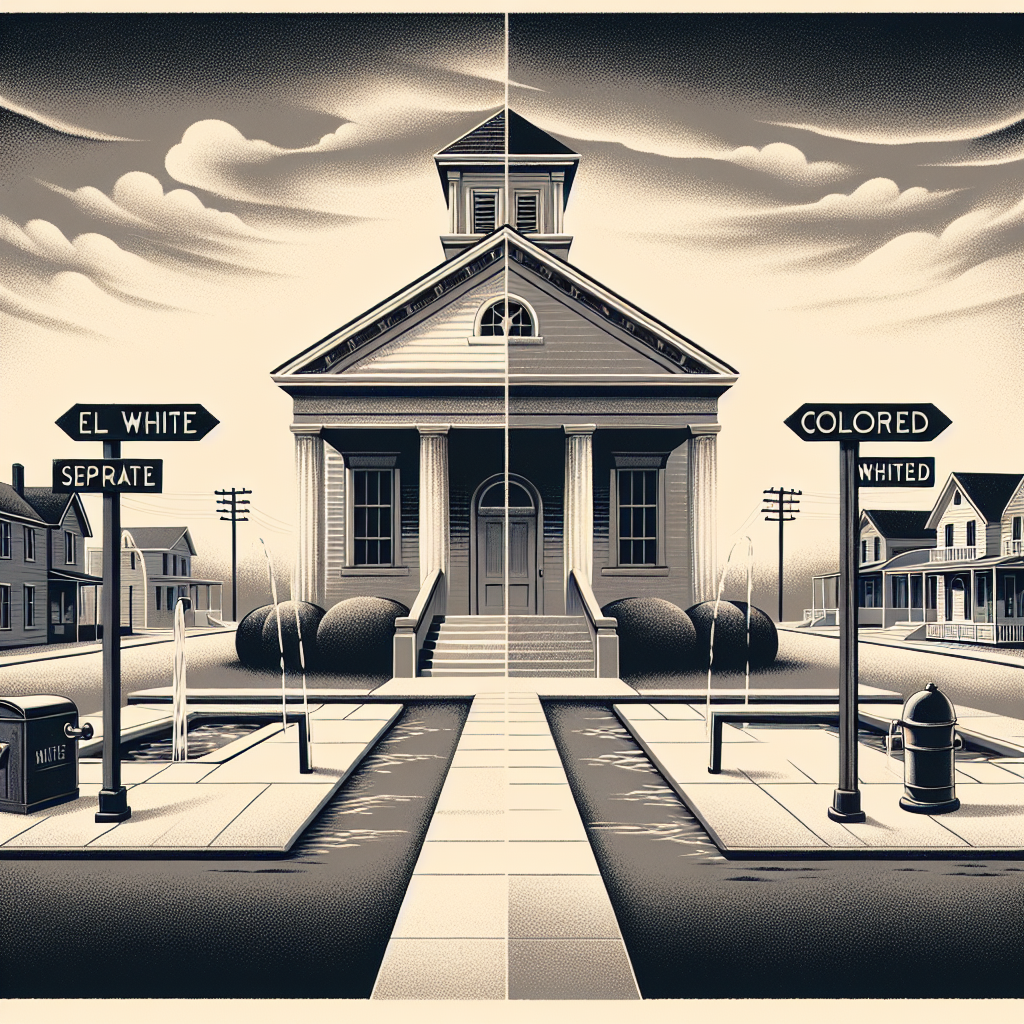
Ratification, it turned out, was the easy part. Within a decade of the Fifteenth Amendment, federal enforcement collapsed; within a generation, poll taxes and literacy tests had emptied the franchise, and the Supreme Court had read segregation into the Fourteenth Amendment's own language. Yet the words themselves never changed — and in the middle of the 20th century those same clauses became the legal engine of the civil rights movement. This guide follows each amendment from the war that made it possible, through ratification and retreat, to the Second Reconstruction that finally gave all three their force.


The amendments were one front in a larger struggle over what the postwar nation would become — for the political story of those twelve years, read Reconstruction: America After the Civil War. To see how the 13th, 14th, and 15th fit alongside the other amendments, from the Bill of Rights to the 27th, continue with The Constitutional Amendments, Explained.