Dred Scott v. Sandford
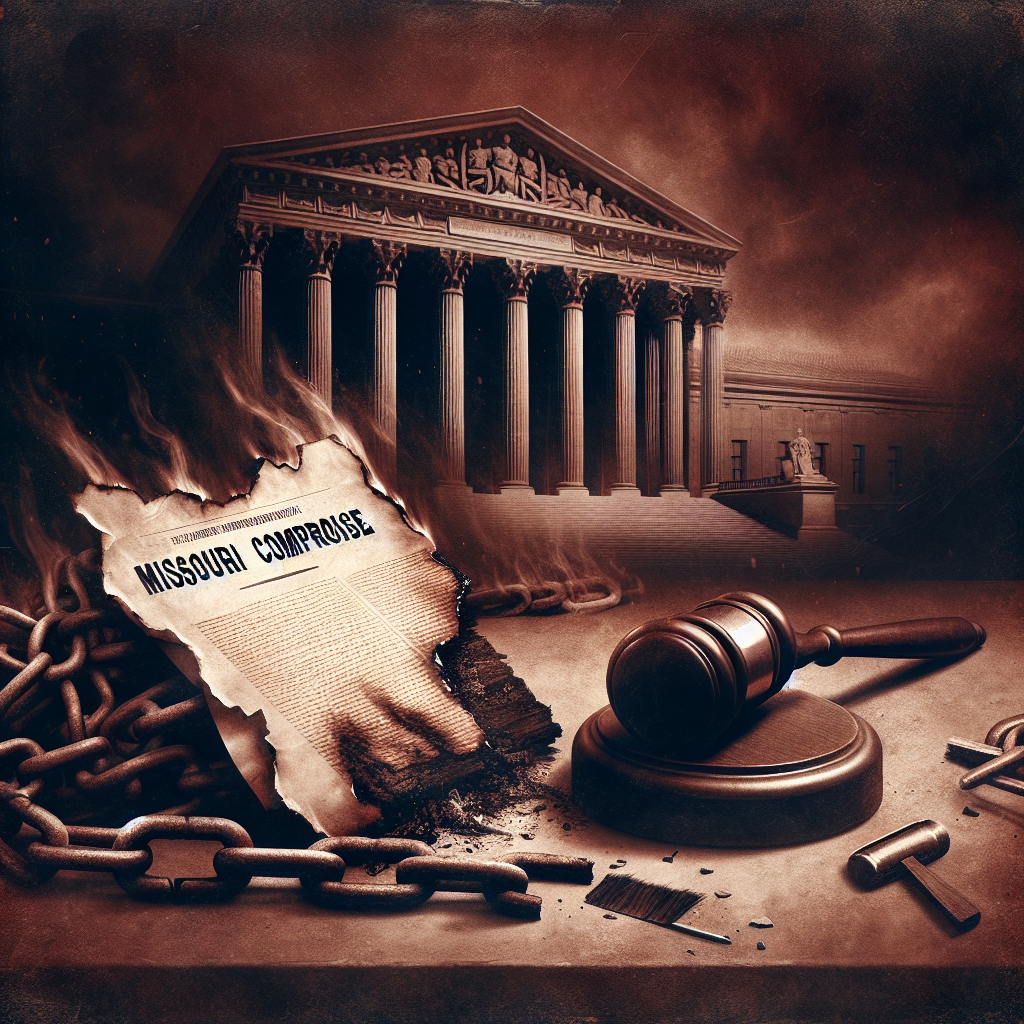
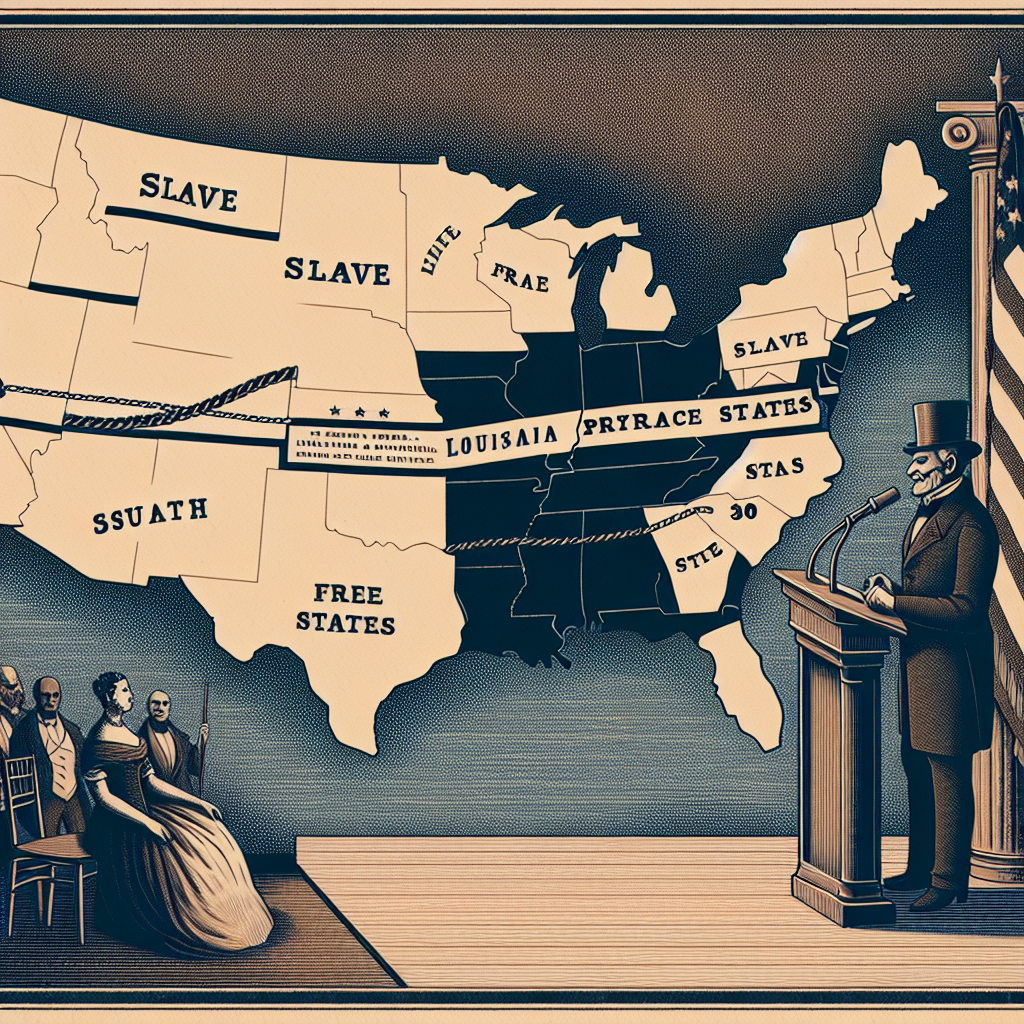
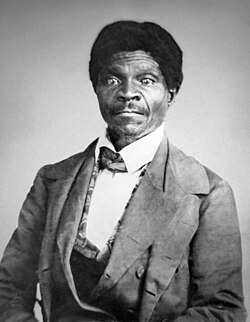
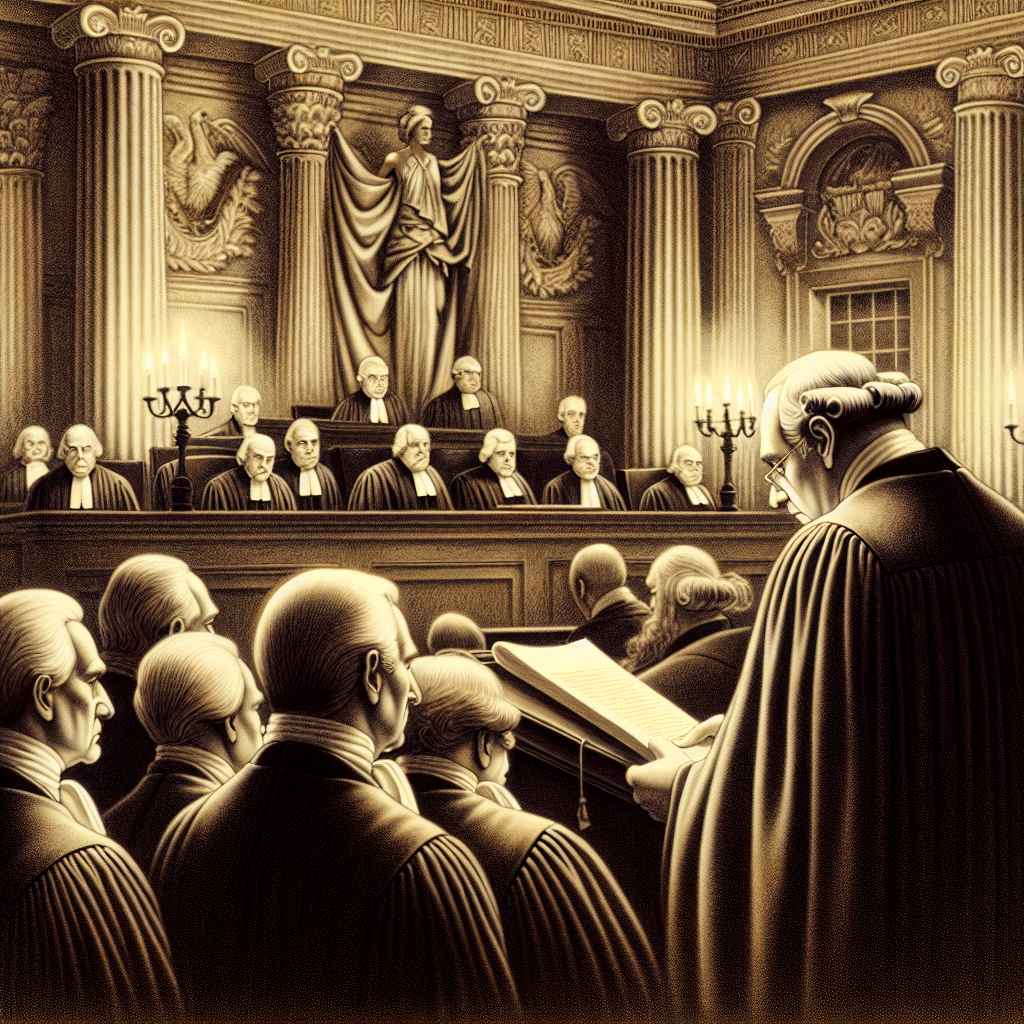
The Dred Scott decision is the worst ruling in the history of the United States Supreme Court, and the competition for that title is real. Dred Scott was an enslaved man who had lived for years in free territory — Illinois and what is now Minnesota — with his enslaver and sued for his freedom on the grounds that residence in free territory had made him free. On March 6, 1857, Chief Justice Roger Taney delivered the 7-2 majority opinion: Scott could not bring suit because Black people — whether enslaved or free — were not citizens and had no standing in federal court. Taney went further, ruling that Congress had never had the constitutional authority to ban slavery in the territories, invalidating the Missouri Compromise of 1820 in a stroke.
The political fallout was immediate and seismic. The ruling was intended to settle the slavery question definitively by removing it from Congress entirely. Instead it exploded the already fragmenting political landscape. The newly formed Republican Party, dedicated to opposing slavery's expansion, now had a Supreme Court ruling to run against. Abraham Lincoln made the Dred Scott decision a centerpiece of his 1858 Senate debates with Stephen Douglas and his 1860 presidential campaign. The ruling that was meant to end the argument about slavery's future accelerated the political collapse that made the Civil War inevitable within four years.
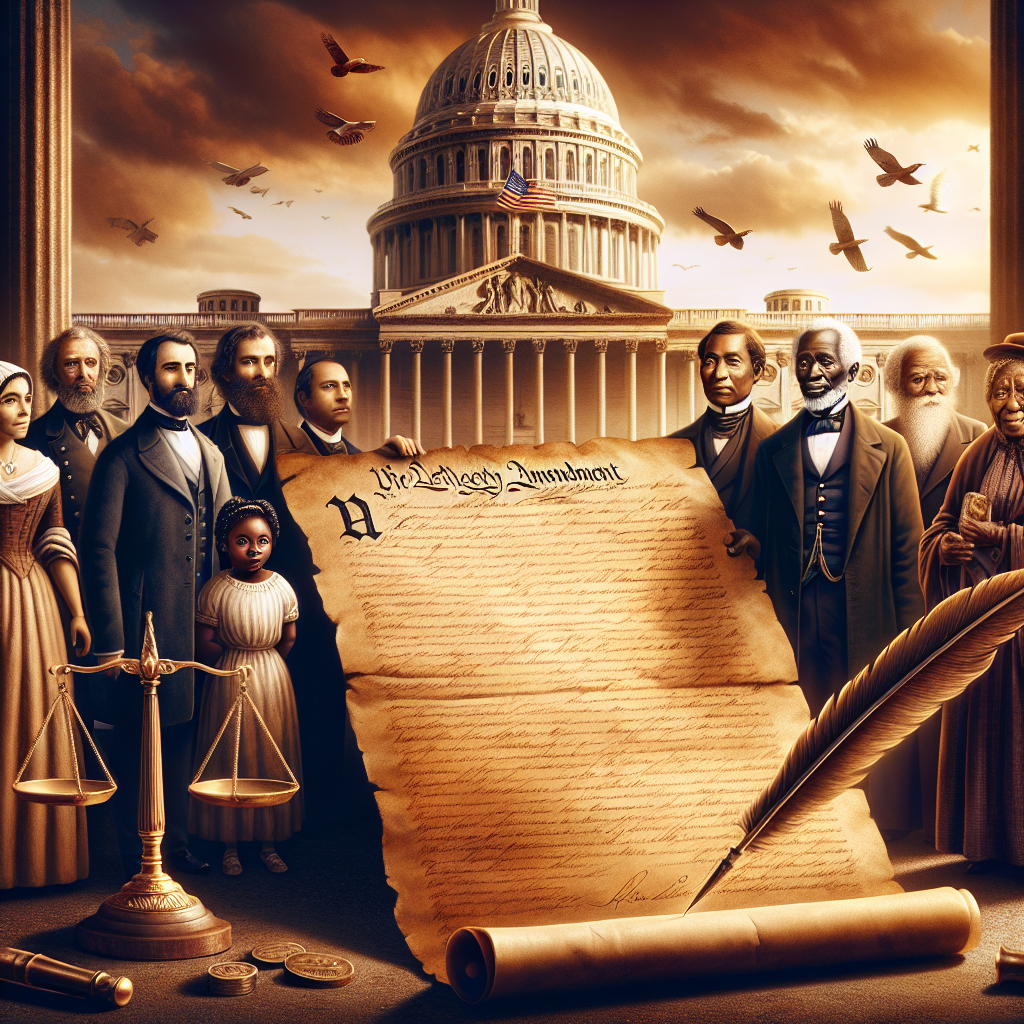
Dred Scott himself was freed — by his original enslaver's family, by private transaction — two months after the ruling, in May 1857. He worked as a hotel porter in St. Louis and died of tuberculosis in September 1858, 18 months after the decision that bore his name had convulsed the nation. He never saw the war that his case helped cause, or the 13th and 14th Amendments that constitutionally overturned Taney's opinion. The Dred Scott ruling was formally superseded by the 14th Amendment in 1868, which explicitly established birthright citizenship and equal protection — a direct repudiation of every legal premise Taney had articulated. Taney's name was removed from the Maryland State House in 2021.
| Decided | March 6–7, 1857 |
| Court | U.S. Supreme Court |
| Vote | 7–2 against Scott |
| Chief Justice | Roger B. Taney |
| Ruling | Black Americans not citizens; Missouri Compromise unconstitutional |
| Overturned by | 13th Amendment (1865) and 14th Amendment (1868) |
| Scott freed | May 1857 (by private transaction) |
| Scott died | September 17, 1858 |
| Date | March 6, 1857 |
| Location | Washington, D.C. |