Voting Rights Act of 1965
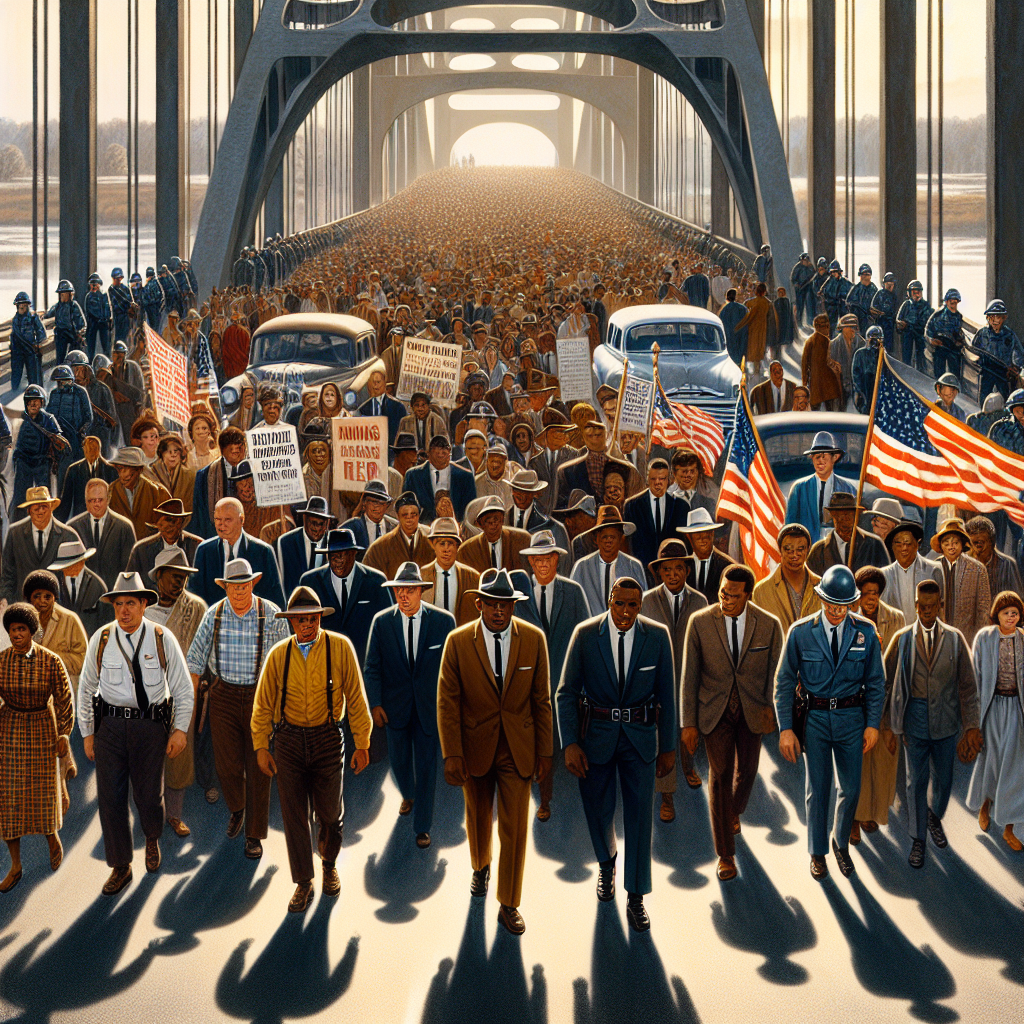
On March 7, 1965, six hundred civil rights marchers set out from Selma, Alabama, toward Montgomery to protest the murder of Jimmie Lee Jackson, a young Black man shot by a state trooper during a voting rights demonstration. At the Edmund Pettus Bridge, they were met by Alabama state troopers who charged into the crowd with clubs and tear gas, beating men and women to the ground in full view of television cameras that broadcast the footage to a national audience that evening. "Bloody Sunday" — as the day immediately became known — broke open the legislative deadlock that had stalled voting rights legislation for months. Lyndon Johnson addressed a joint session of Congress eight days later, deploying the words of the civil rights movement in a presidential address for the first time: "We shall overcome."
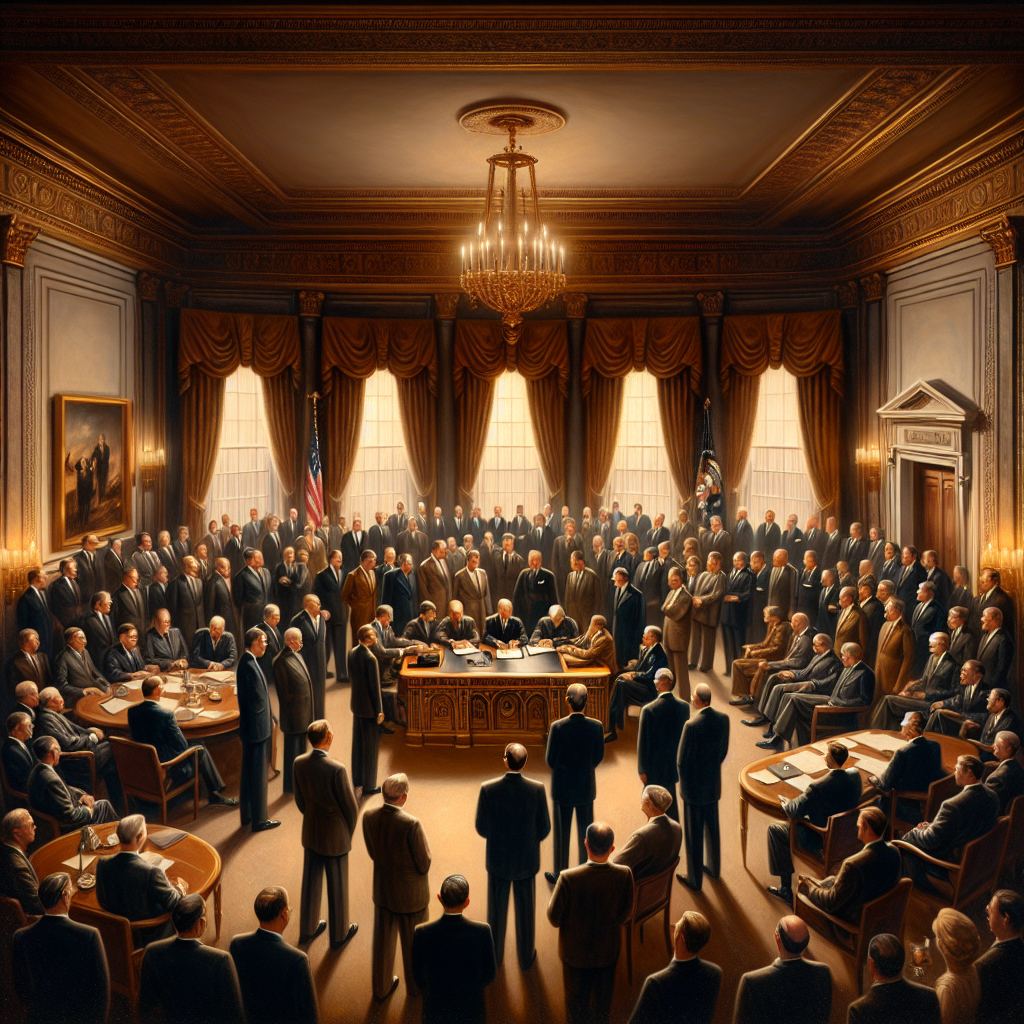
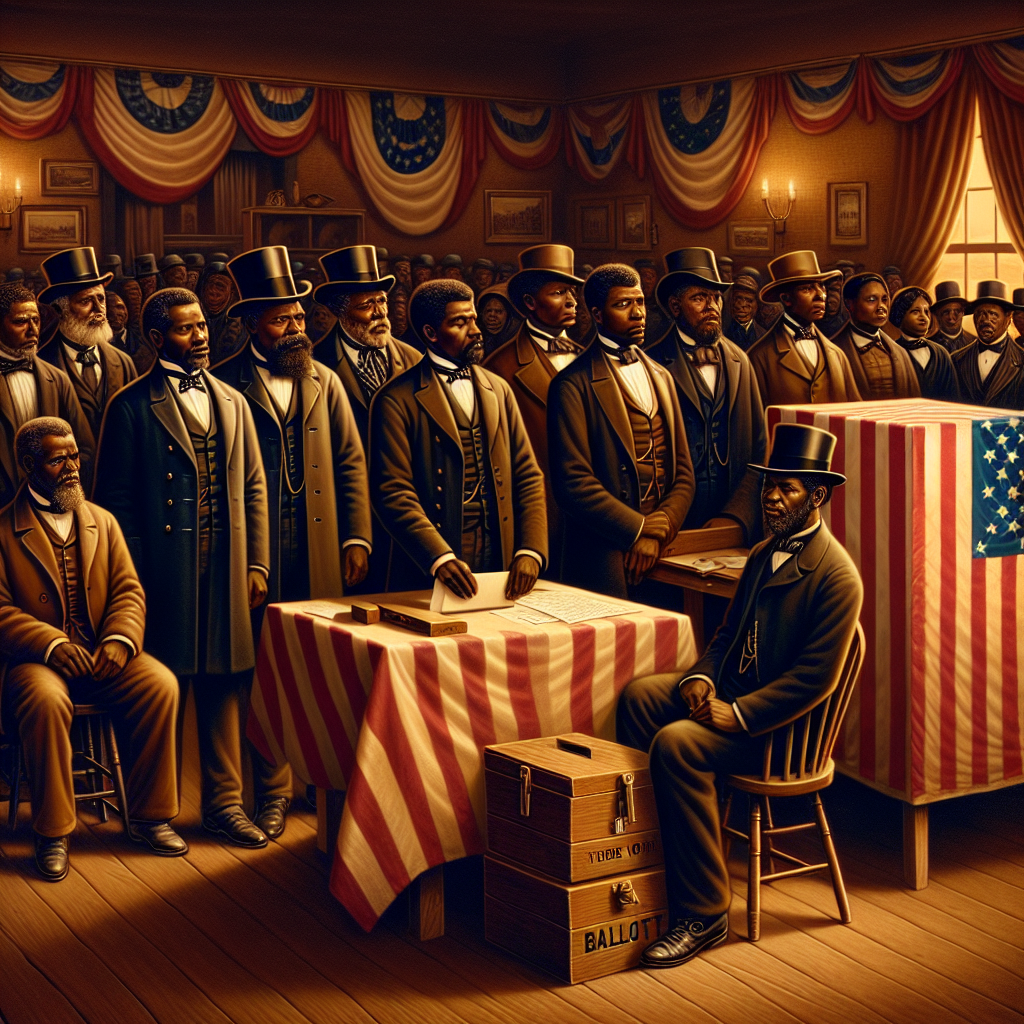
The Voting Rights Act of 1965, signed August 6, contained two transformative mechanisms that its predecessors had lacked: Section 5, which required states with histories of discrimination to obtain federal preclearance before changing any voting law, and the dispatch of federal examiners who could directly register voters without going through hostile local officials. The results were immediate and measurable. Black voter registration in Mississippi jumped from 6.7 percent in 1964 to 59.8 percent by 1967. Similar increases occurred across the Deep South. Within a decade, hundreds of Black officials had been elected in states where Black people had been systemically barred from voting for 90 years.
The Act was reauthorized four times — in 1970, 1975, 1982, and 2006, the last time by a 98-0 Senate vote. In 2013, the Supreme Court's Shelby County v. Holder decision gutted Section 5's preclearance requirement, ruling that the formula used to determine which states required preclearance was unconstitutional because it relied on decades-old data. Within hours of the ruling, Texas announced a voter ID law it had been blocked from implementing, and a cascade of voting restriction legislation followed across formerly covered states. The Act's history — its passage representing the completion of Reconstruction's unfinished promise and its partial dismantling representing the persistence of the forces Reconstruction had failed to defeat — is a compressed version of American racial history itself.
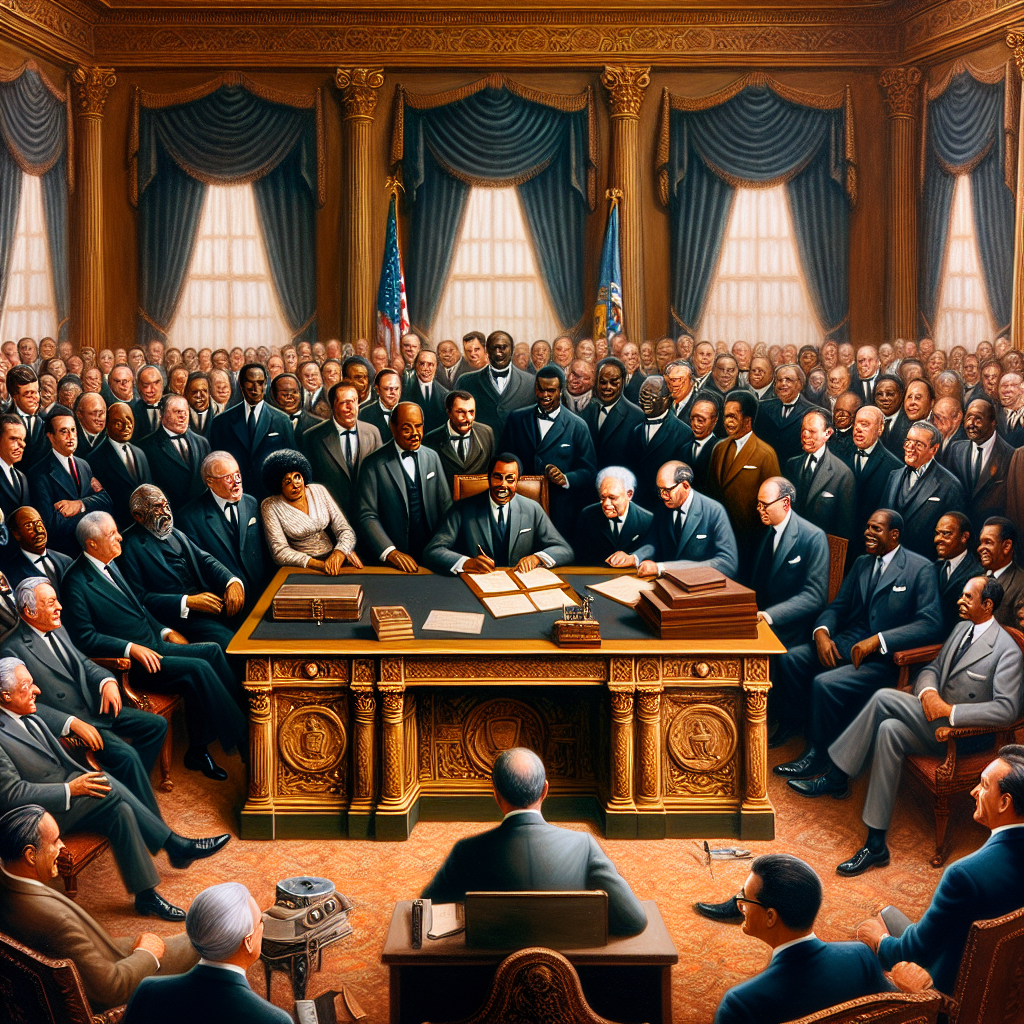
| Signed | August 6, 1965 |
| Signed by | President Lyndon B. Johnson |
| Catalyst | "Bloody Sunday," Selma, Alabama — March 7, 1965 |
| Key provision | Section 5 preclearance requirement |
| Reauthorized | 1970, 1975, 1982, 2006 (98-0 Senate) |
| MS Black registration | 6.7% (1964) → 59.8% (1967) |
| Partially gutted | Shelby County v. Holder (2013) |
| Date | August 6, 1965 |
| Location | Selma, Alabama |