Emancipation Proclamation
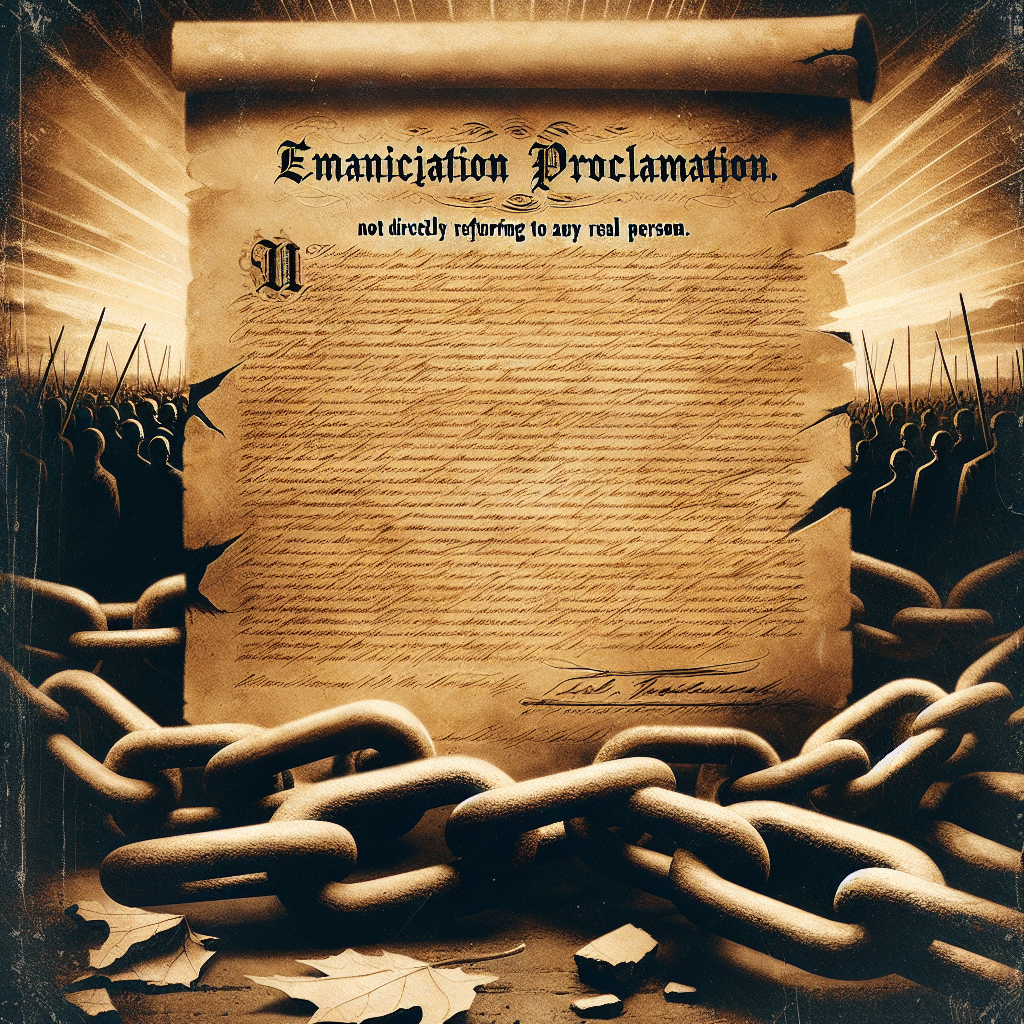
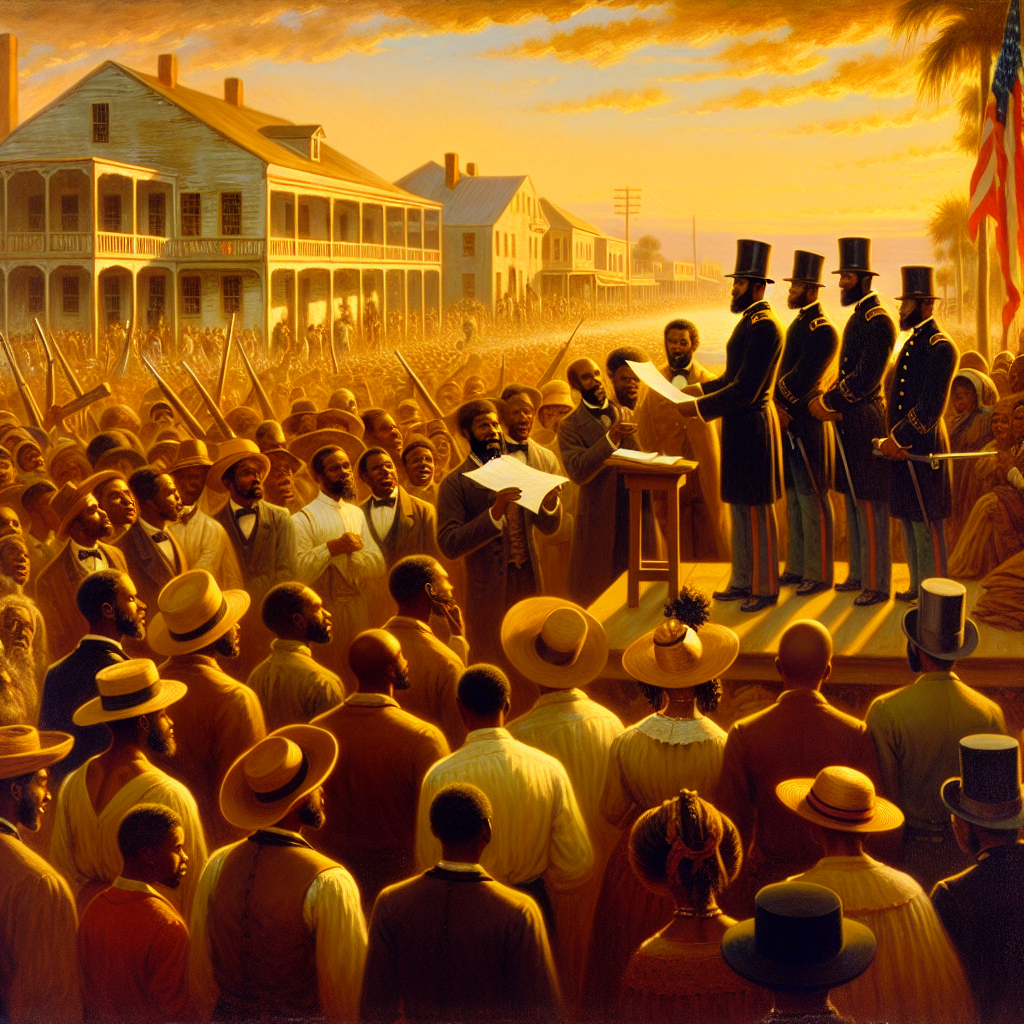
Abraham Lincoln issued the Emancipation Proclamation on January 1, 1863, and it immediately did something unusual for a presidential document: it freed almost no one, at least not directly. The order applied only to enslaved people in Confederate states still in rebellion — not in the border states loyal to the Union, not in Confederate territory already under Union control. The Confederacy, naturally, did not comply. As a legal instrument it was an exercise in constitutional creativity; Lincoln justified it as a war powers measure, not a moral declaration, knowing a straightforward abolition order could not survive the courts. What it was, unmistakably, was a statement about what the war was now for.
The practical consequences were enormous. It authorized the enlistment of Black men in the Union Army and Navy — 180,000 would serve before the war ended, their recruitment accelerating once Confederate defeat began to look like a matter of time. It foreclosed any remaining possibility of European recognition of the Confederacy; Britain and France had already abolished slavery and could not now align with a side the Union had successfully framed as fighting to preserve it. And it transformed the war's moral gravity in ways that shaped every subsequent political argument about its meaning.
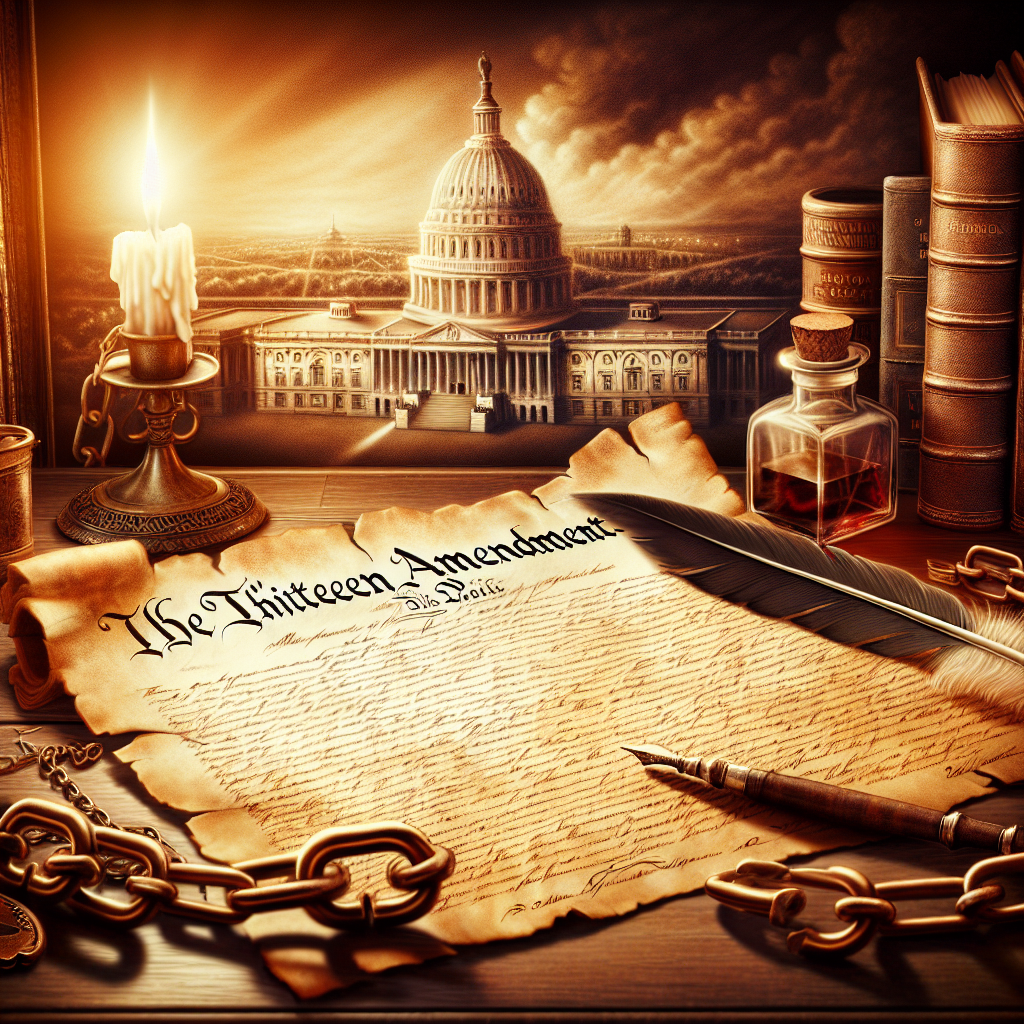
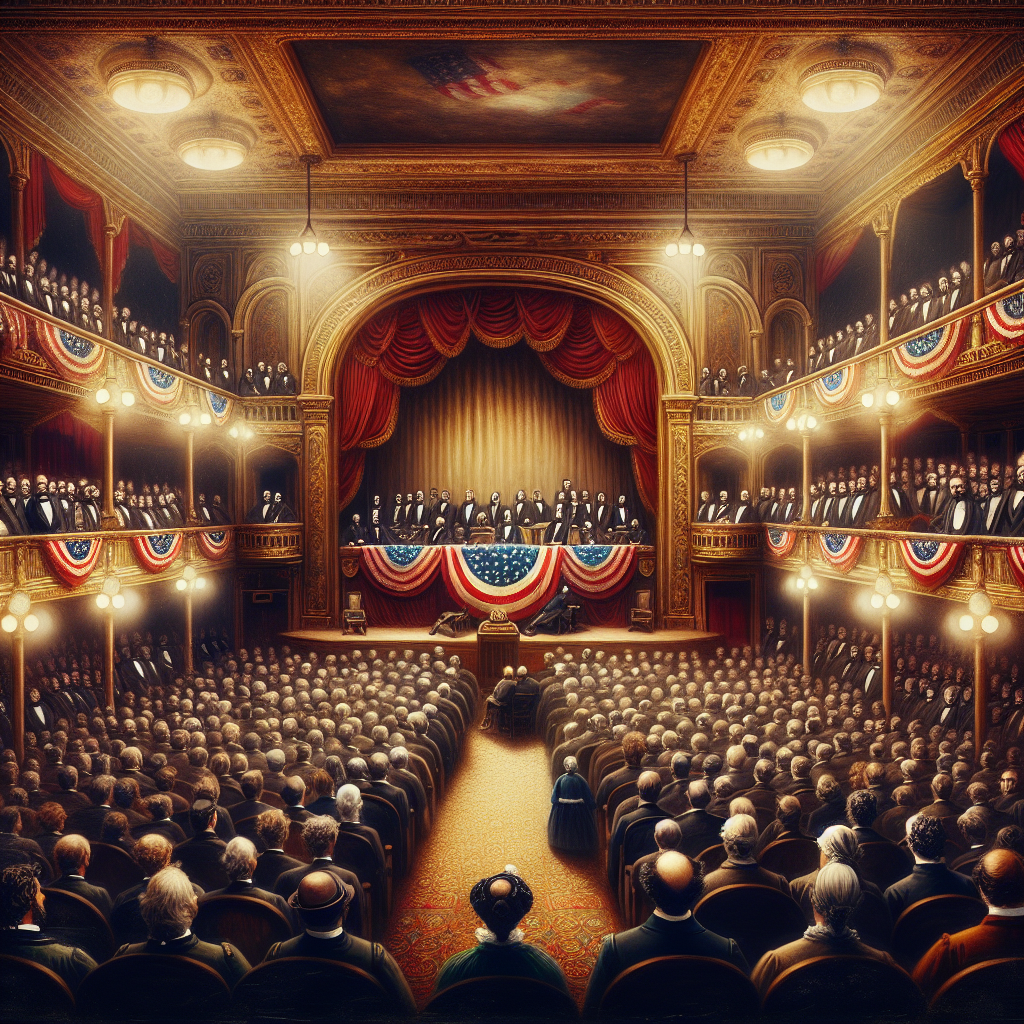
The document Lincoln signed on January 1, 1863 was not the handwritten draft he had labored over for months. His hand was exhausted from three hours of shaking hands at a New Year's Day reception, and he paused before signing, unwilling to have the trembling of his signature suggest hesitation. He steadied himself and wrote his name deliberately. "If my name ever goes into history," he said, "it will be for this act." The 13th Amendment, ratified in December 1865, accomplished legally what the Proclamation had declared morally.
| Issued | September 22, 1862 (preliminary); January 1, 1863 (final) |
| Issued by | President Abraham Lincoln |
| Legal basis | Presidential war powers |
| Scope | Enslaved people in Confederate states in rebellion |
| Effect | Opened Union military to Black enlistees (~180,000 served) |
| Superseded by | 13th Amendment (December 6, 1865) |
| Now held at | National Archives, Washington, D.C. |
| Date | January 1, 1863 |
| Location | Washington, D.C. |