The Civil War
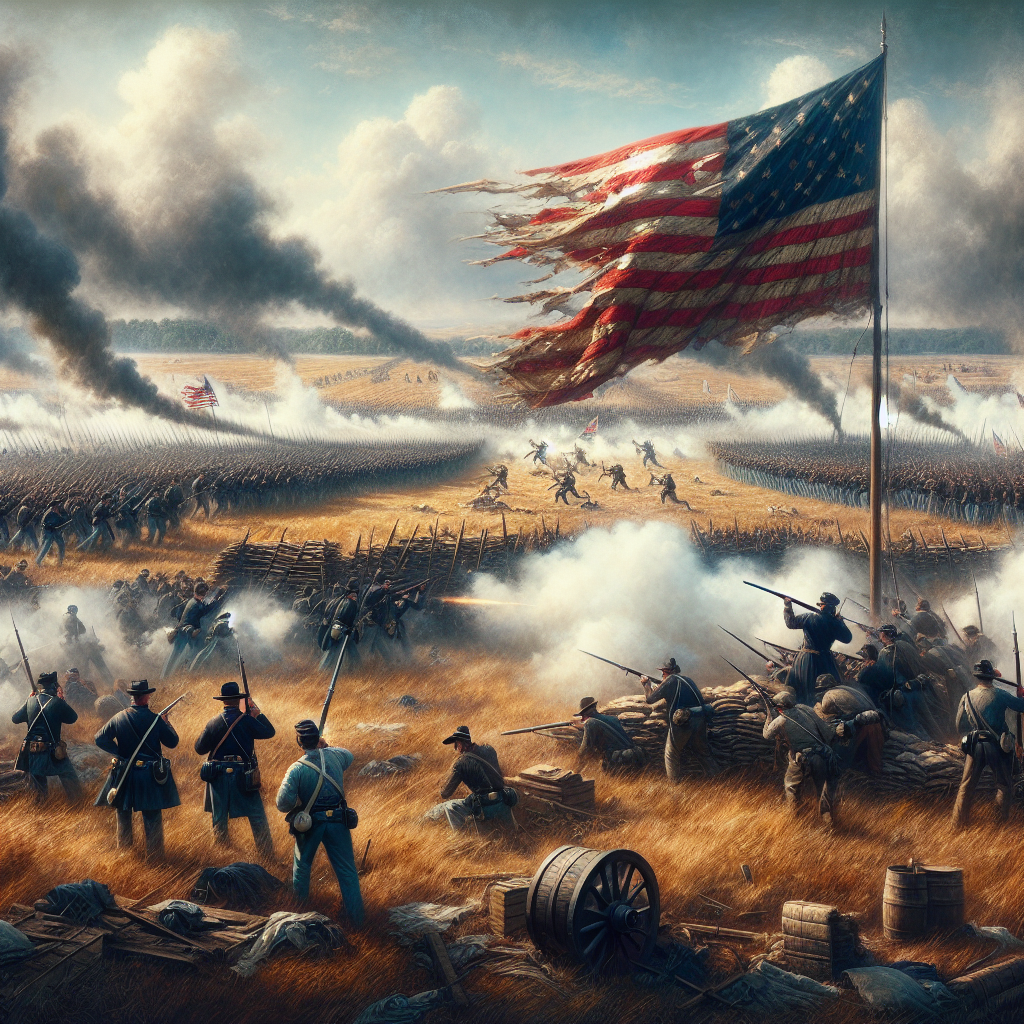
No event in American history has killed more Americans than the Civil War — and none has done more to define what the country is. Between April 1861 and April 1865, roughly 620,000 to 750,000 soldiers died, more than in all other American wars through Vietnam combined. Eleven Southern states seceded over the preservation of slavery, formed the Confederate States of America, and fought for four years against a federal government that was, at the outset, fighting only to restore the Union — not to end bondage.
The war's character transformed by degrees. Lincoln's Emancipation Proclamation of January 1, 1863, declared enslaved people in Confederate states legally free and opened the Union Army to Black soldiers — 180,000 would serve, many of them previously enslaved. The conflict also remade warfare itself: ironclad warships, repeating rifles, coordinated rail logistics, telegraph communication, and balloon reconnaissance all appeared or were perfected in the American Civil War, prefiguring the industrial slaughter of the 20th century.
The Confederacy's defeat resolved two questions that had haunted the republic since 1776: the 13th Amendment abolished slavery in December 1865, and the question of secession was settled permanently by force of arms. What the war did not resolve — the political, legal, and economic status of four million freed people — was left to Reconstruction. When Reconstruction was abandoned in 1877, the South rebuilt its racial hierarchy through law and violence, a project whose consequences echoed through every Civil Rights struggle of the next century.
The war's cultural weight remains extraordinary. More than 50,000 books have examined it. Its battlefields draw millions of visitors a year. The Confederate monument controversy — most statues were erected not in 1865 but in the early 20th century and during the Civil Rights era as deliberate acts of racial intimidation — shows the conflict's political charge has never fully dissipated. The guns stopped in 1865. The argument about what the war meant, and what it settled, has never stopped.
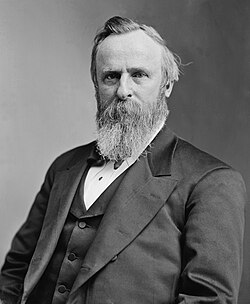


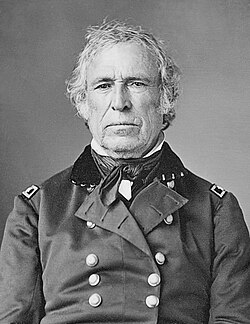
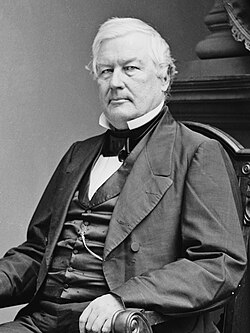
| Dates | April 12, 1861 – April 9, 1865 |
| Opening shot | Confederate attack on Fort Sumter, South Carolina |
| Union commander | Ulysses S. Grant (from March 1864) |
| Confederate commander | Gen. Robert E. Lee |
| Military deaths | ~620,000–750,000 |
| Outcome | Union victory; slavery abolished (13th Amendment, 1865) |
| Date | April 12, 1861 – April 9, 1865 |
| Location | United States |