Brown v. Board of Education

On May 17, 1954, Chief Justice Earl Warren read a unanimous Supreme Court opinion that overturned 58 years of legally sanctioned racial segregation in American public schools. The case — consolidated from five separate lawsuits brought by the NAACP in Kansas, South Carolina, Virginia, Delaware, and the District of Columbia — took its name from Oliver Brown, a Topeka welder whose daughter Linda had to walk past a white elementary school to reach her Black school a mile away. The ruling rested on a single, stark sentence: "Separate educational facilities are inherently unequal." It did not cite economics or resource disparities. It said separation itself was the harm.
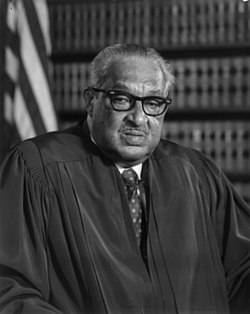
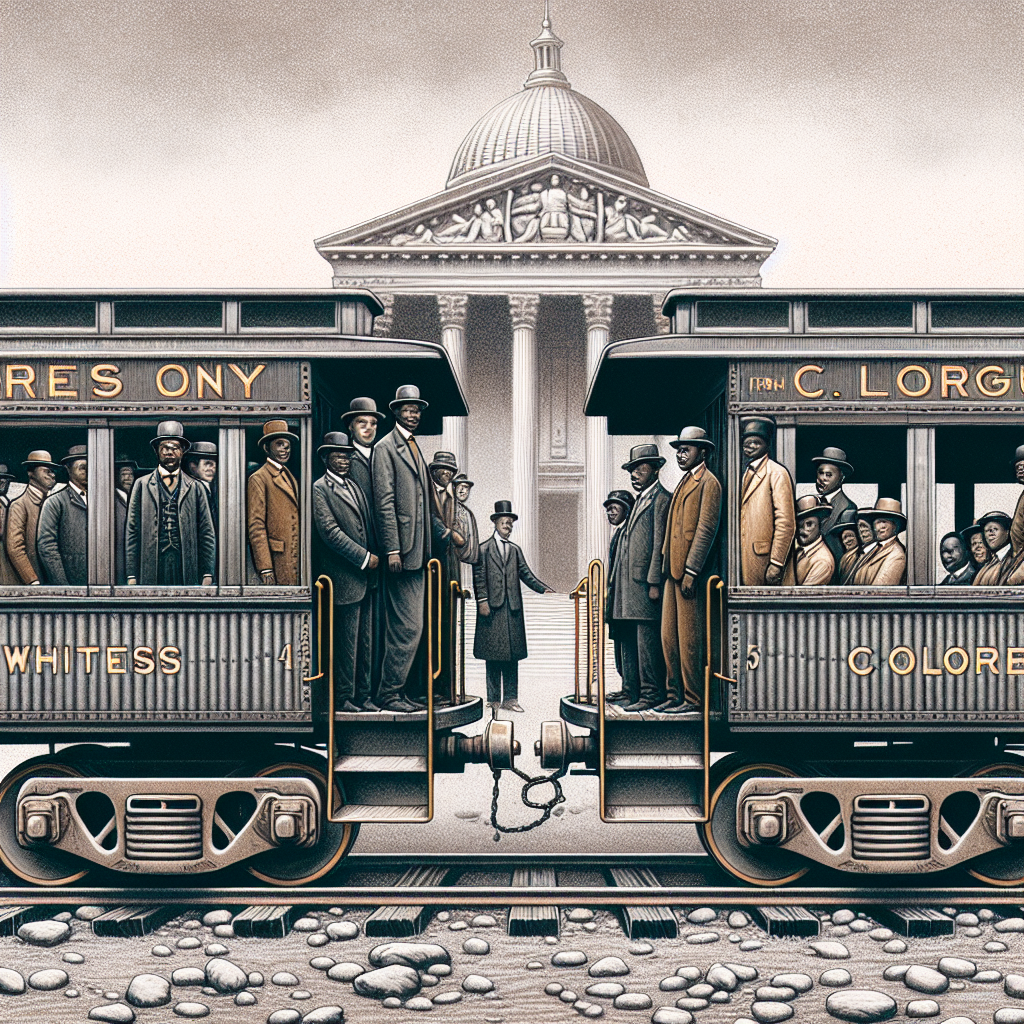
The legal strategy behind Brown was two decades in the making. Thurgood Marshall, the NAACP's chief counsel, had spent years methodically dismantling the "separate but equal" doctrine established by Plessy v. Ferguson (1896), winning cases at the graduate and professional school level before attacking elementary schools directly. The Brown brief included social science research — notably psychologist Kenneth Clark's doll studies, which showed Black children internalizing white preference — that made the psychological harm of segregation visible to the justices. Warren, newly appointed by Eisenhower and determined to produce unanimity, spent months negotiating the court's nine justices to consensus.
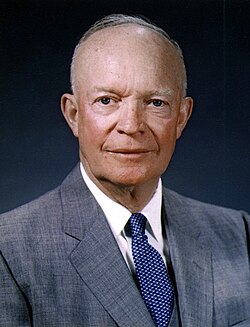
The ruling's implementation was another matter entirely. The Court's 1955 follow-up order — Brown II — required desegregation with "all deliberate speed," a phrase vague enough that Southern states treated it as an invitation to delay indefinitely. Arkansas Governor Orval Faubus used the National Guard to block nine Black students from entering Little Rock's Central High School in 1957; Eisenhower sent the 101st Airborne Division to escort them inside. Full desegregation of Southern schools did not occur until federal courts and the Civil Rights Act of 1964 forced it. Brown established the constitutional principle. The country spent the next 20 years arguing about whether to apply it.


| Decided | May 17, 1954 |
| Court | U.S. Supreme Court |
| Vote | 9–0 unanimous |
| Chief Justice | Earl Warren |
| Lead attorney | Thurgood Marshall (NAACP) |
| Overturned | Plessy v. Ferguson (1896) |
| Companion case | Bolling v. Sharpe (D.C. schools) |
| Date | May 17, 1954 |
| Location | Topeka, Kansas |