Segregation
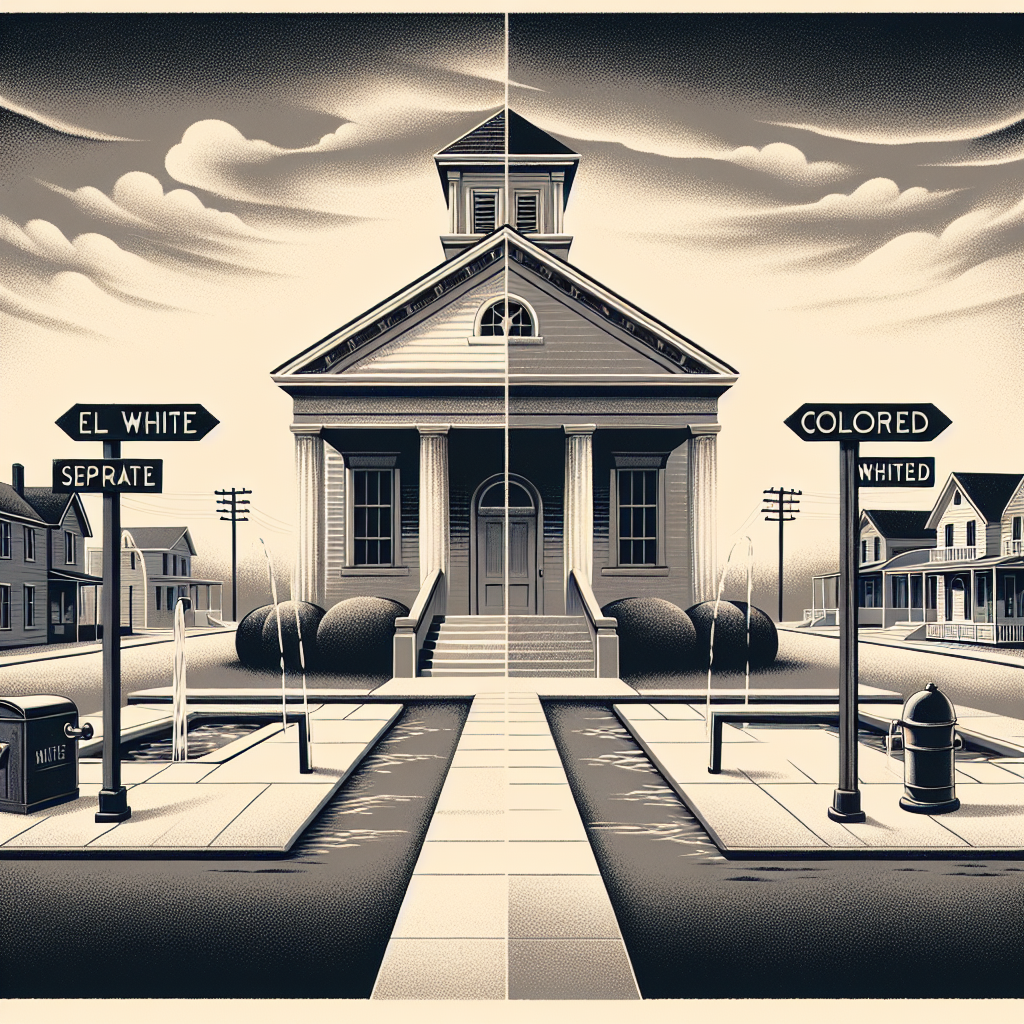
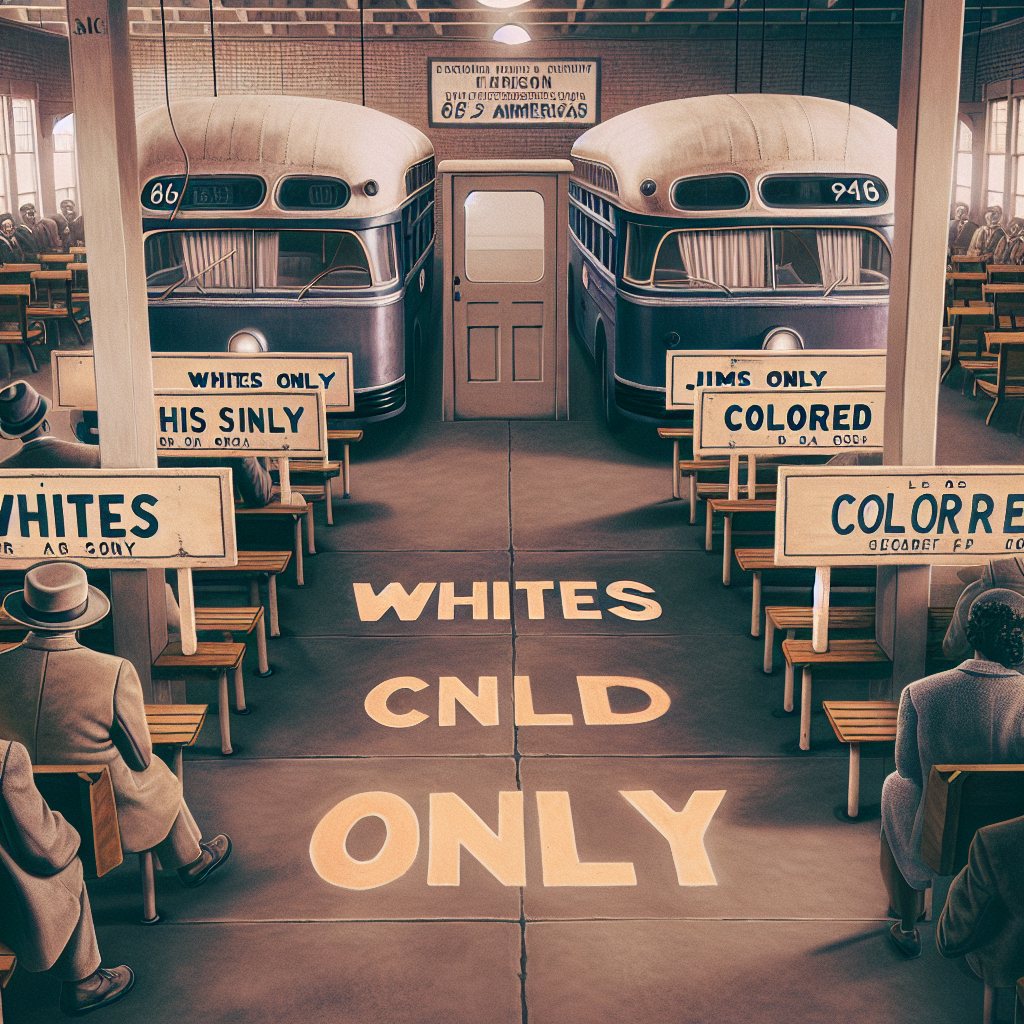
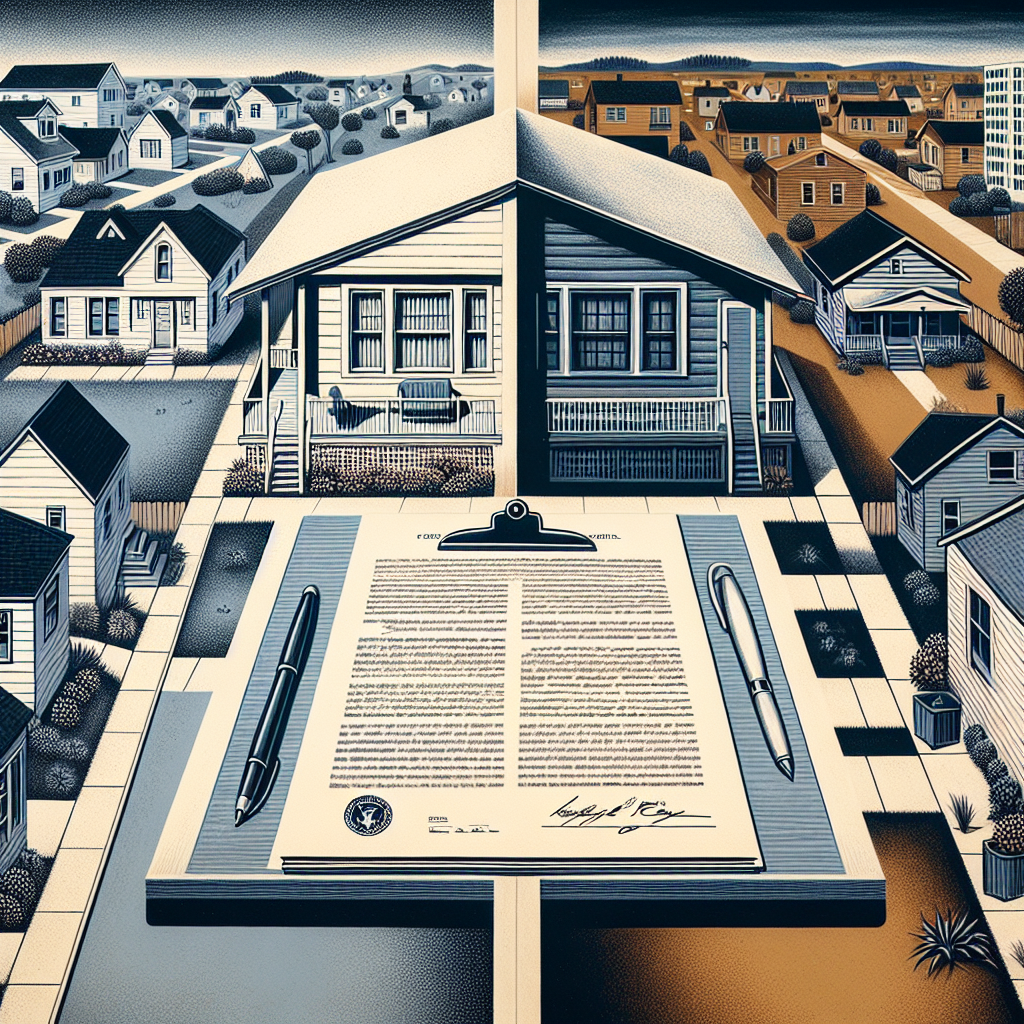
Racial segregation in the United States was not a regional peculiarity or a remnant of slavery that time would dissolve — it was a deliberately constructed legal and social system built after emancipation to deny Black Americans the political equality the Thirteenth, Fourteenth, and Fifteenth Amendments had promised. In the South, it was enforced by statute: separate schools, hospitals, courtrooms, railroads, restaurants, restrooms, and cemeteries, each mandated by law and upheld by the Supreme Court's 1896 ruling in Plessy v. Ferguson that "separate but equal" satisfied the Constitution. In the North and West, it was enforced through custom, real estate covenants, zoning law, and economic exclusion — producing the same outcome without the statutes.
The machinery of segregation reached into every dimension of American life. Black soldiers who served in World War I returned to a country where they could not sit at a lunch counter in the towns where they had trained. Black workers who migrated north during the Great Migration found that the neighborhoods available to them were precisely those that white residents were leaving, and that the federal mortgage programs funding the postwar suburban expansion explicitly excluded Black families. The GI Bill of 1944 — which lifted millions of white working-class families into homeownership and college attendance — was administered in ways that largely bypassed Black veterans, whose banks wouldn't approve loans and whose neighborhoods were systematically undervalued.
The legal architecture of segregation was dismantled in stages: the military desegregated by executive order in 1948; schools by the Supreme Court in 1954; public accommodations by the Civil Rights Act of 1964; voting by the Voting Rights Act of 1965; housing by the Fair Housing Act of 1968. Each victory required sustained organized resistance against systems designed to be self-reinforcing. But the wealth gaps, school funding disparities, and residential patterns that segregation's legal structures had produced proved far more durable than the laws themselves. Segregation as a statutory system was ended. Segregation as a social condition was not.


| Legal Foundation | Plessy v. Ferguson (1896) — "separate but equal" |
| Geographic Scope | Legally mandated in South; informally enforced North and West |
| Instruments | Jim Crow statutes; restrictive covenants; redlining; FHA exclusion |
| Military Desegregation | Executive Order 9981 (Truman, 1948) |
| School Desegregation | Brown v. Board of Education (1954) |
| Public Accommodations | Civil Rights Act of 1964 |
| Housing Desegregation | Fair Housing Act of 1968 |
| Years | 1877–1968 |
| Location | United States |