The Progressive Era: Reformers, Trust-Busters, and the Remaking of American Government
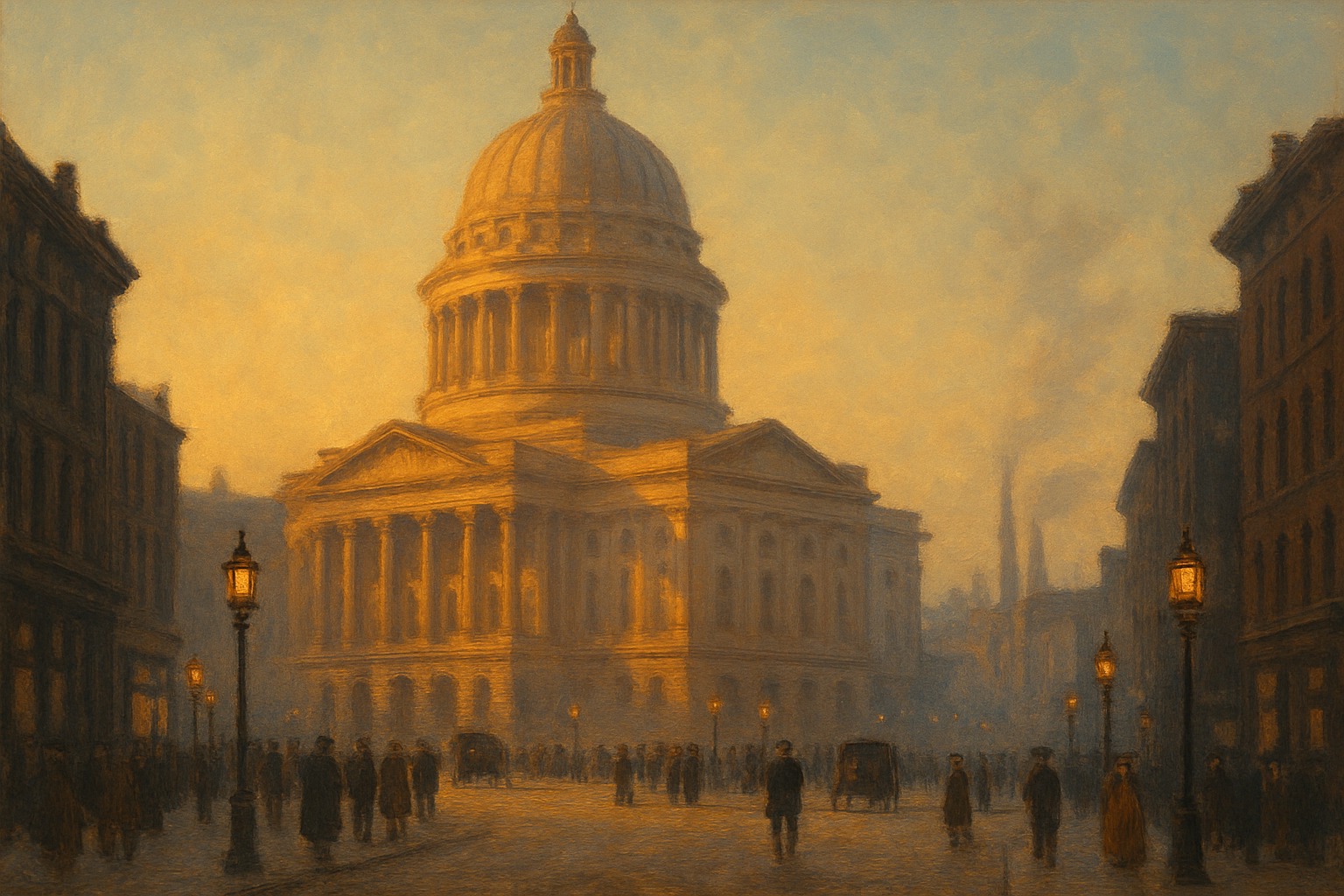
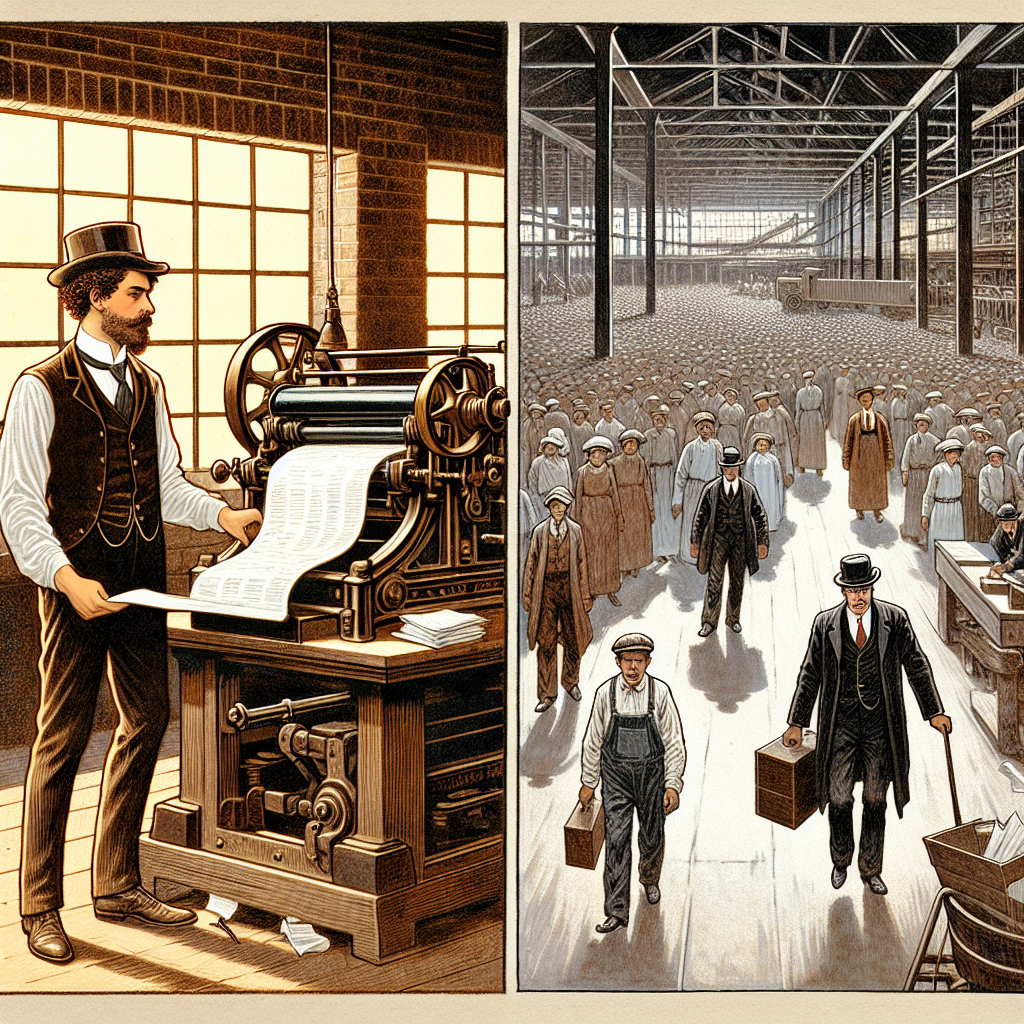
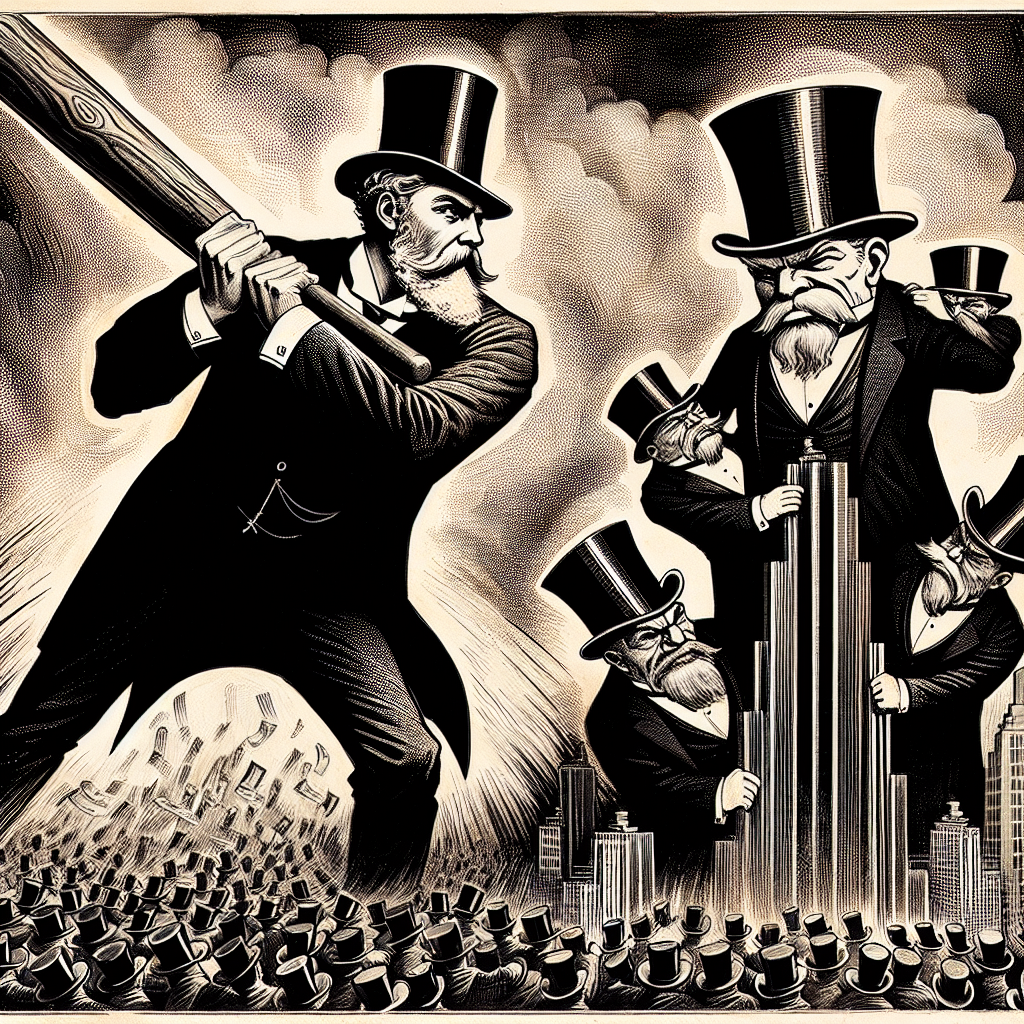
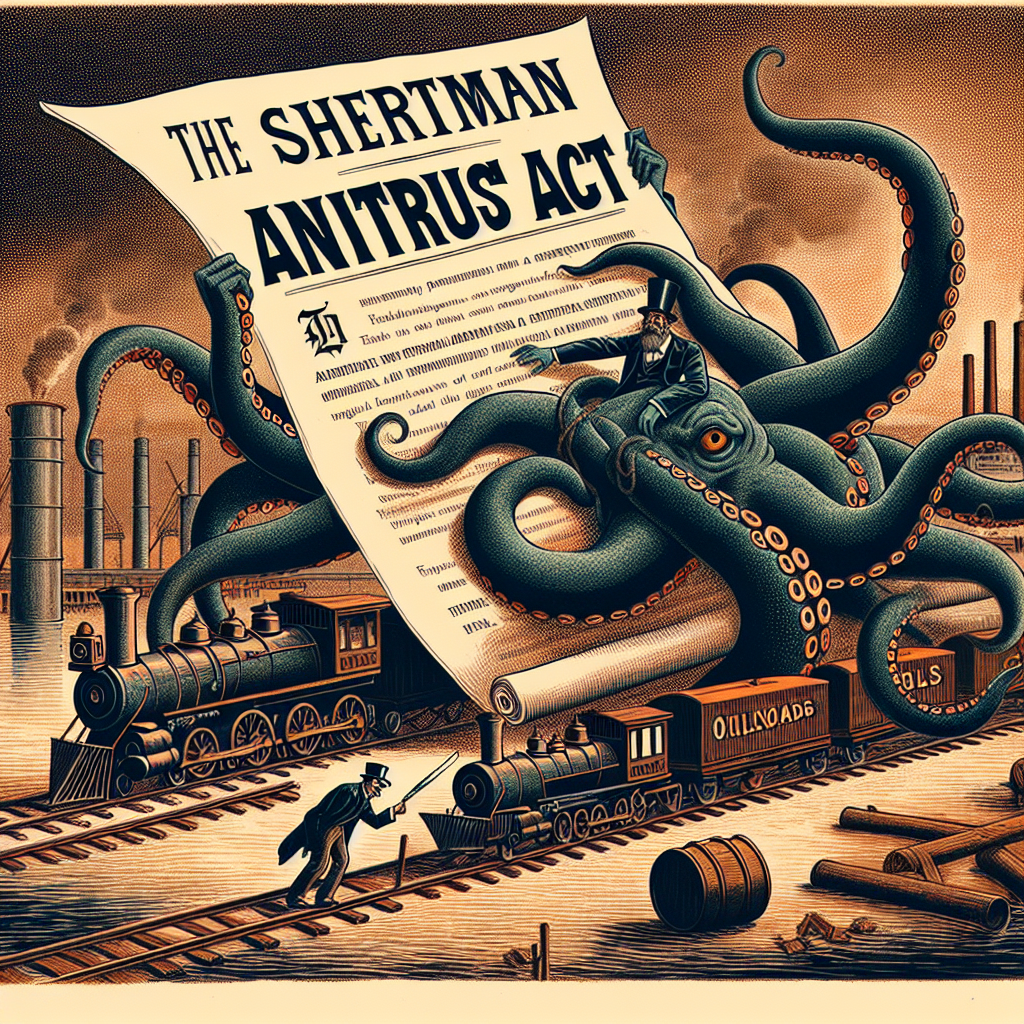
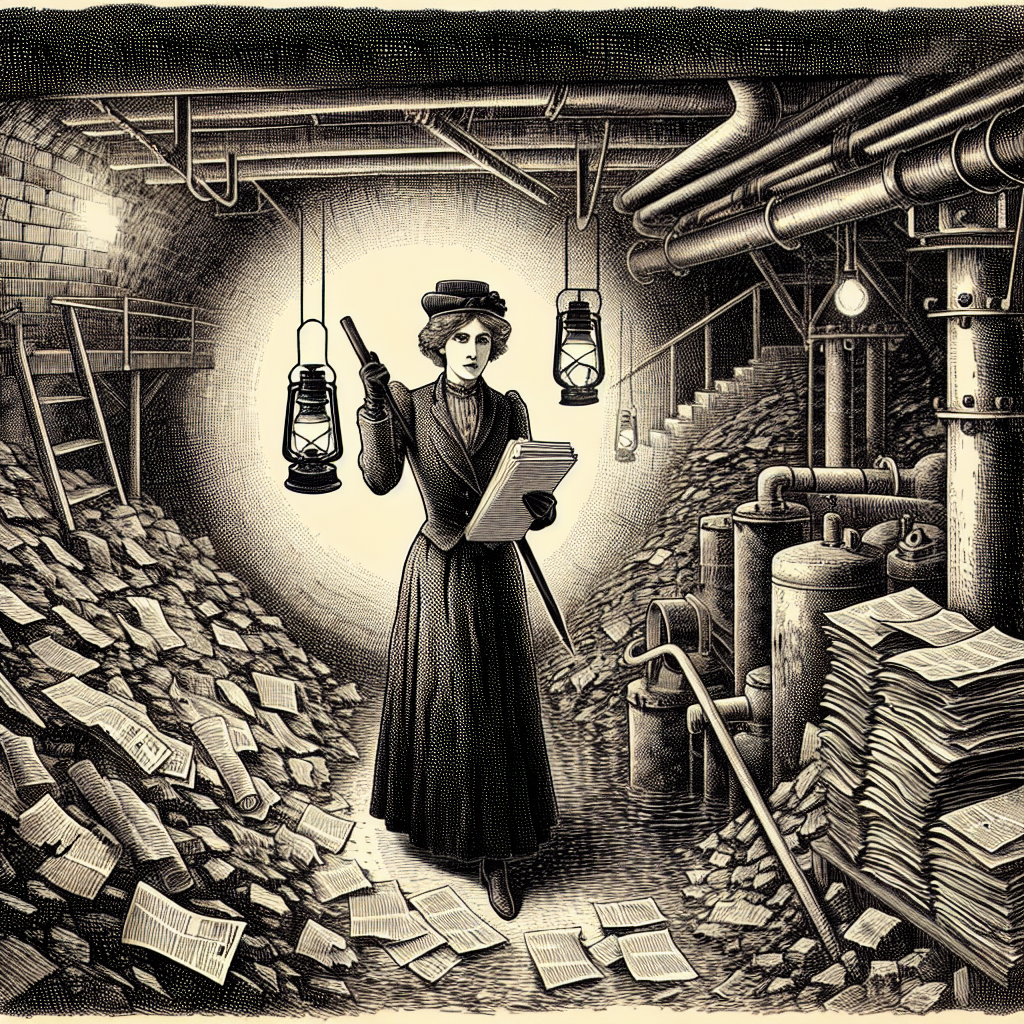
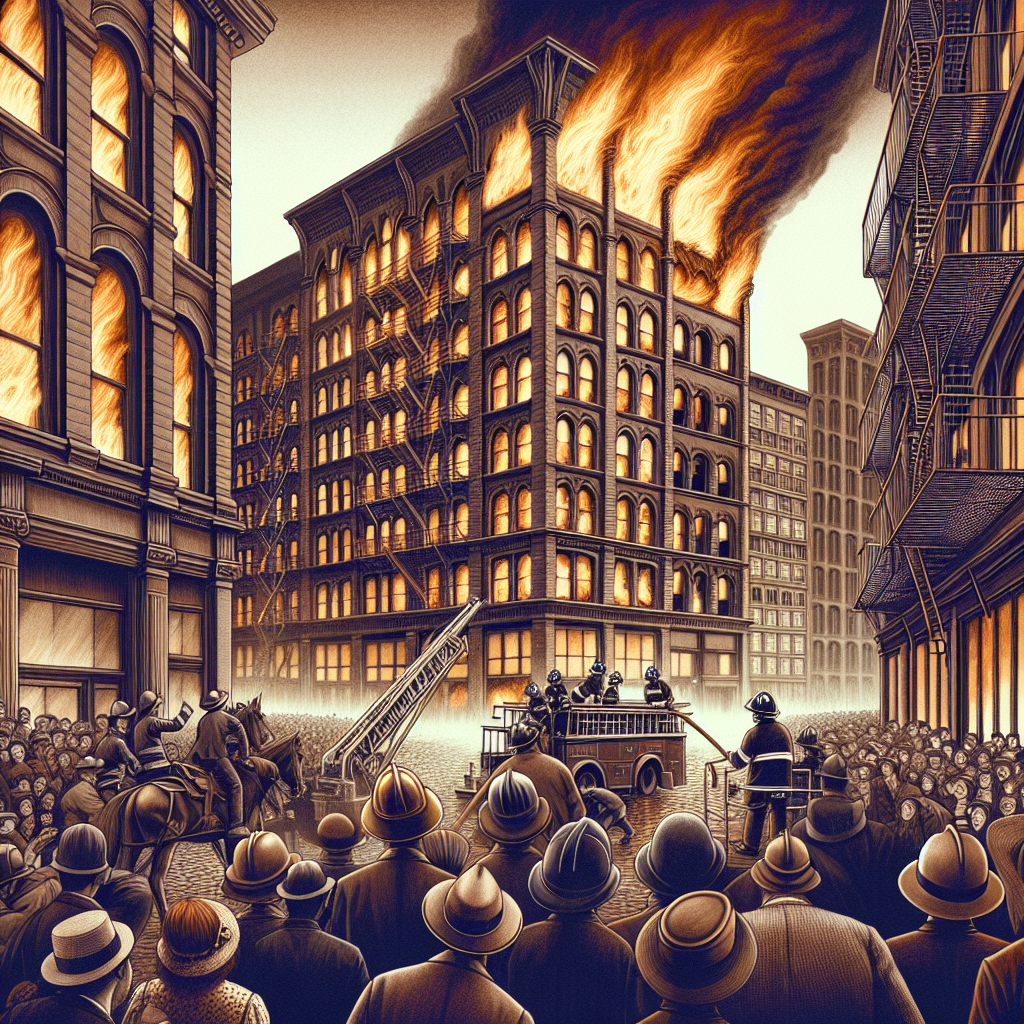
The Progressive Era ran from roughly 1900 to 1920, a stretch in which Americans concluded that unregulated industrial capitalism produced problems that private charity and local government alone could not fix. Journalists exposed corruption, presidents broke up monopolies, and reformers built new institutions — settlement houses, factory inspection laws, a central bank — to manage an economy that had outgrown nineteenth-century assumptions about limited government.
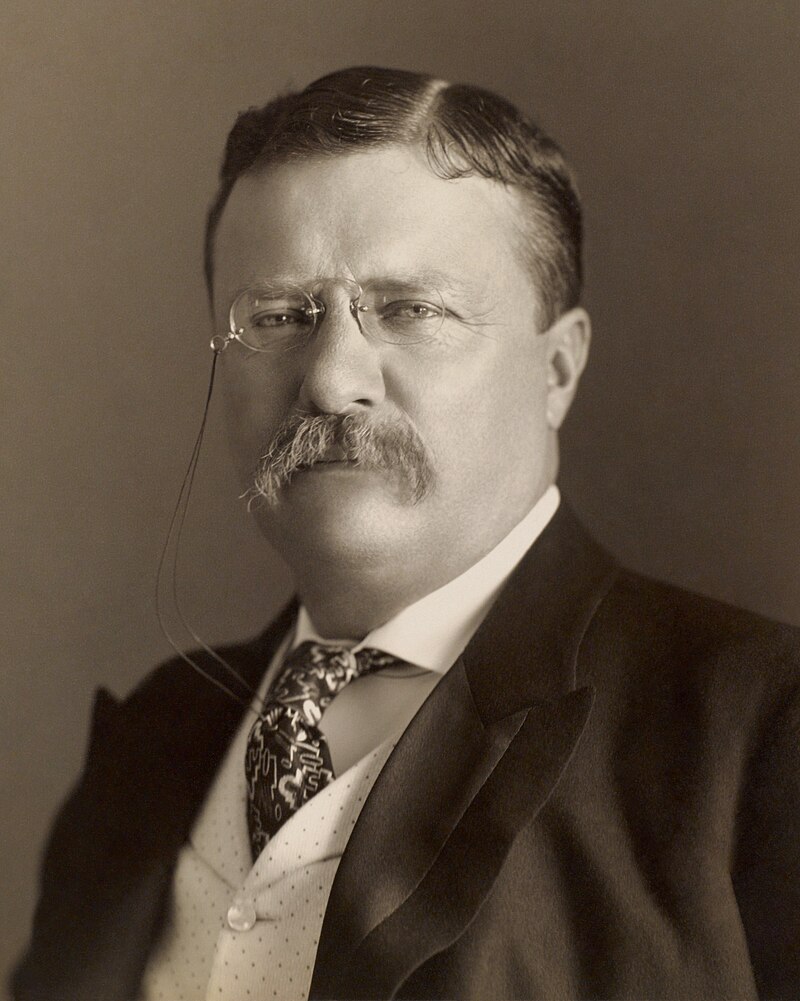
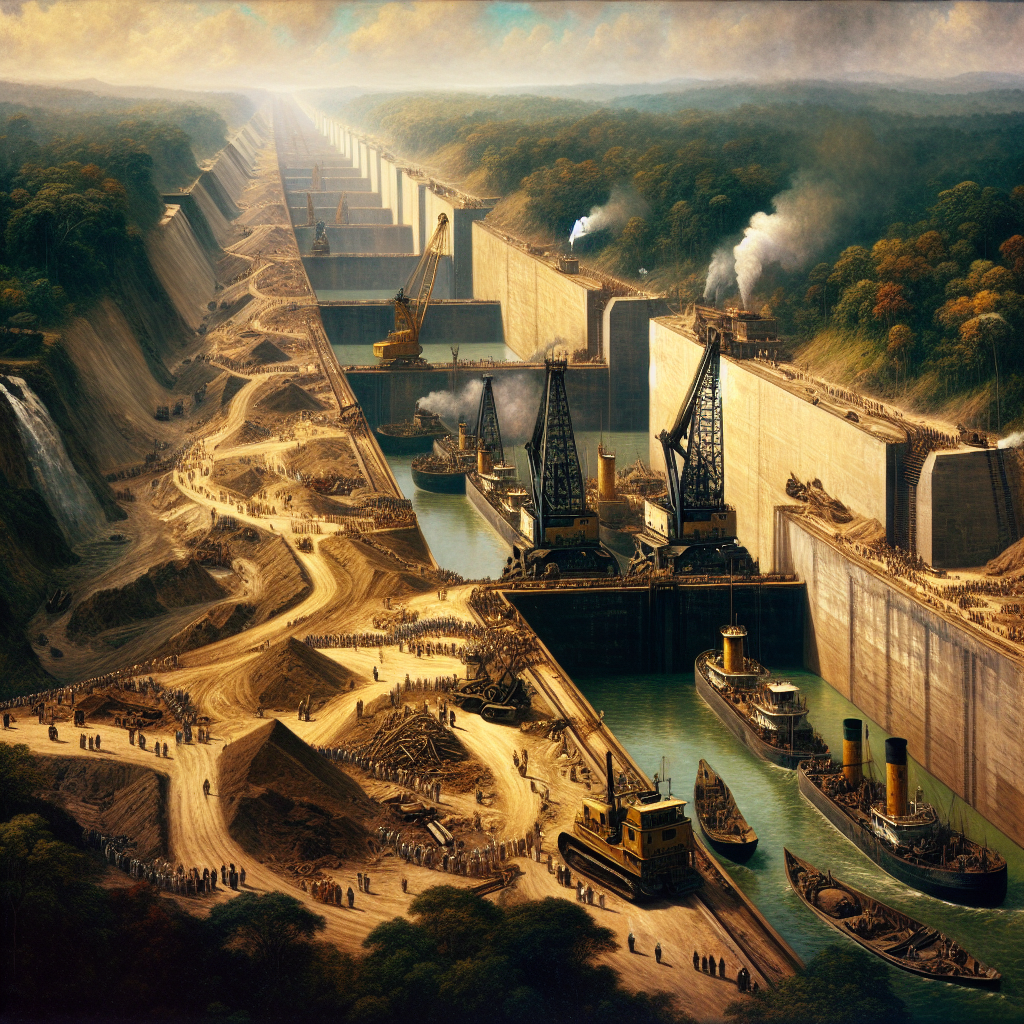
This guide follows that reform impulse through its main channels: the trust-busting presidencies of Theodore Roosevelt and William Howard Taft, the muckraking journalists who supplied the evidence, the conservation and infrastructure projects that expanded federal reach, and the four constitutional amendments — on income tax, direct election of senators, prohibition, and women's suffrage — that gave the era its most lasting legal legacy. It closes where the reform coalition itself did: in the disillusionment and repression that followed World War I.







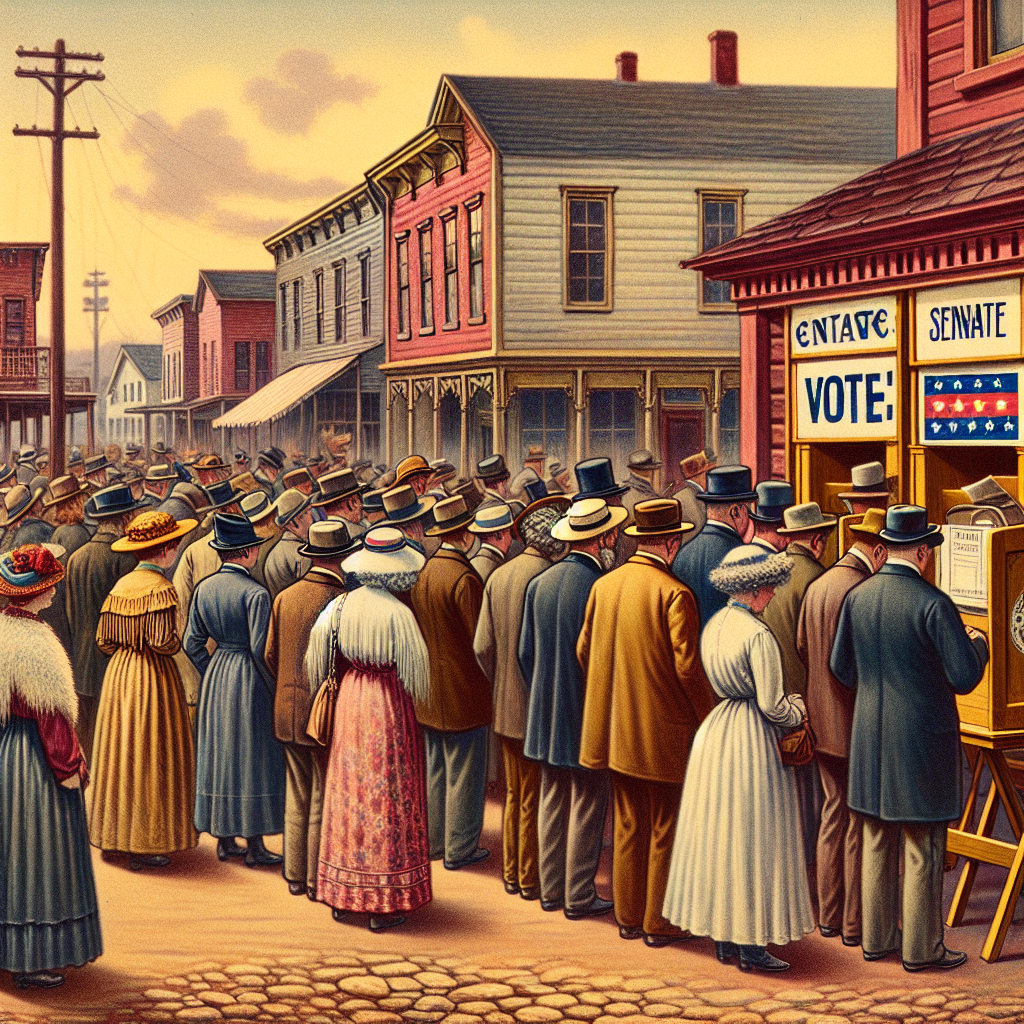

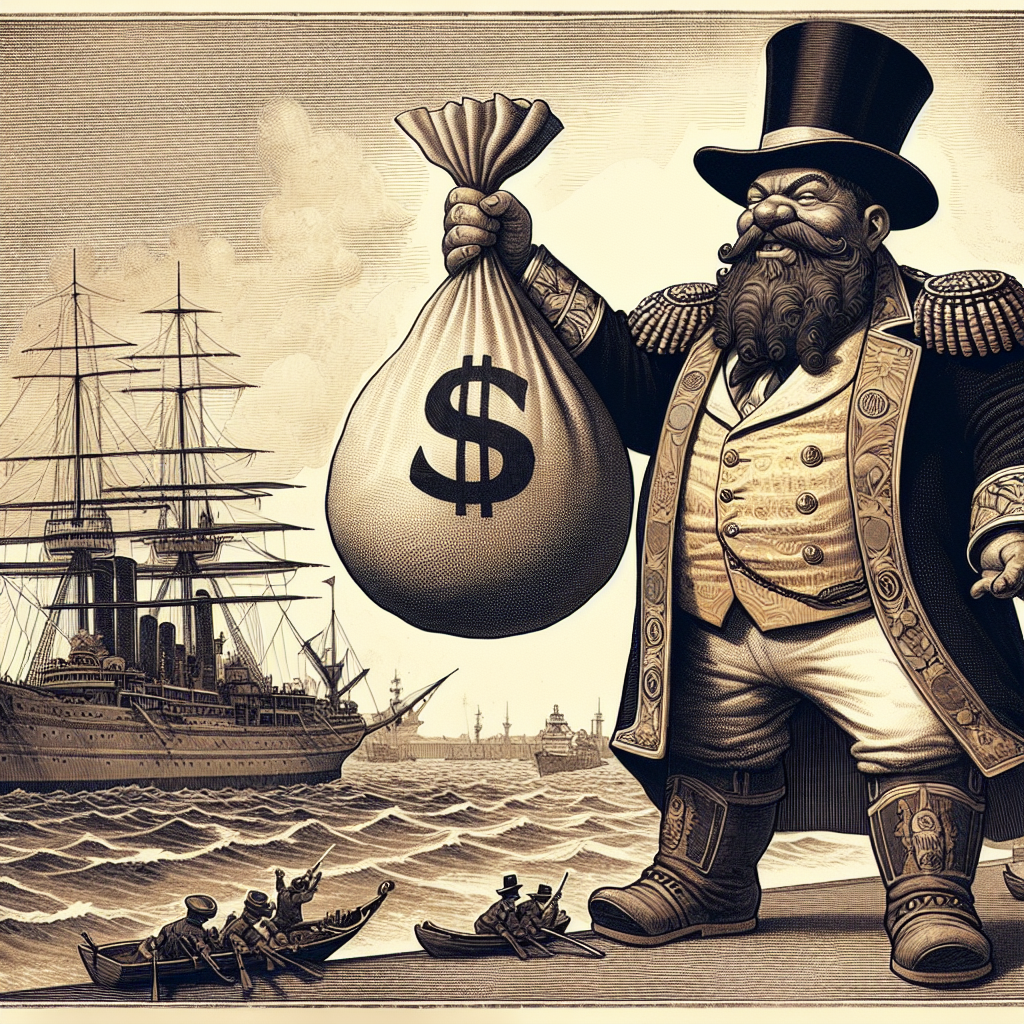
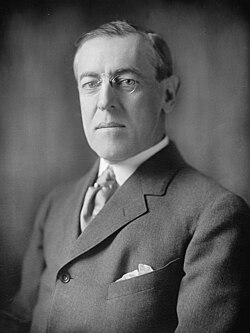

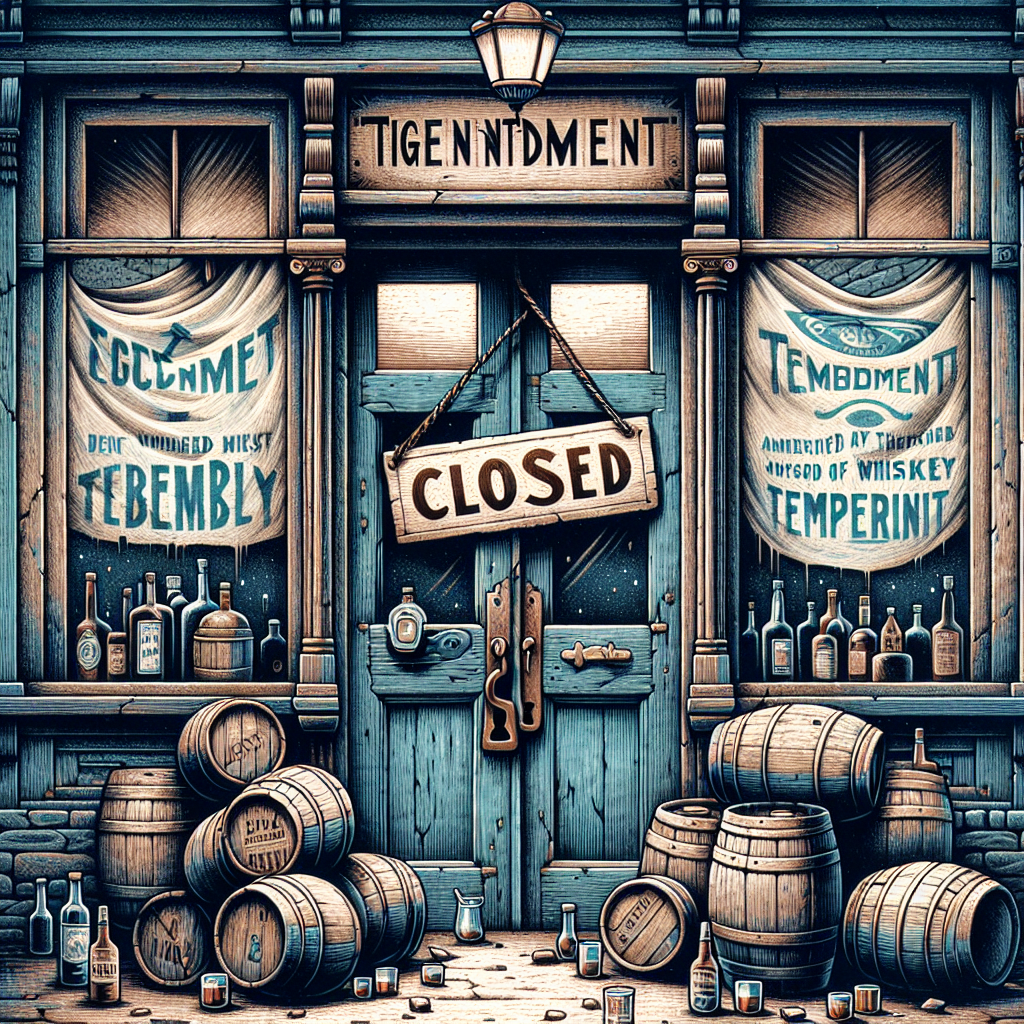
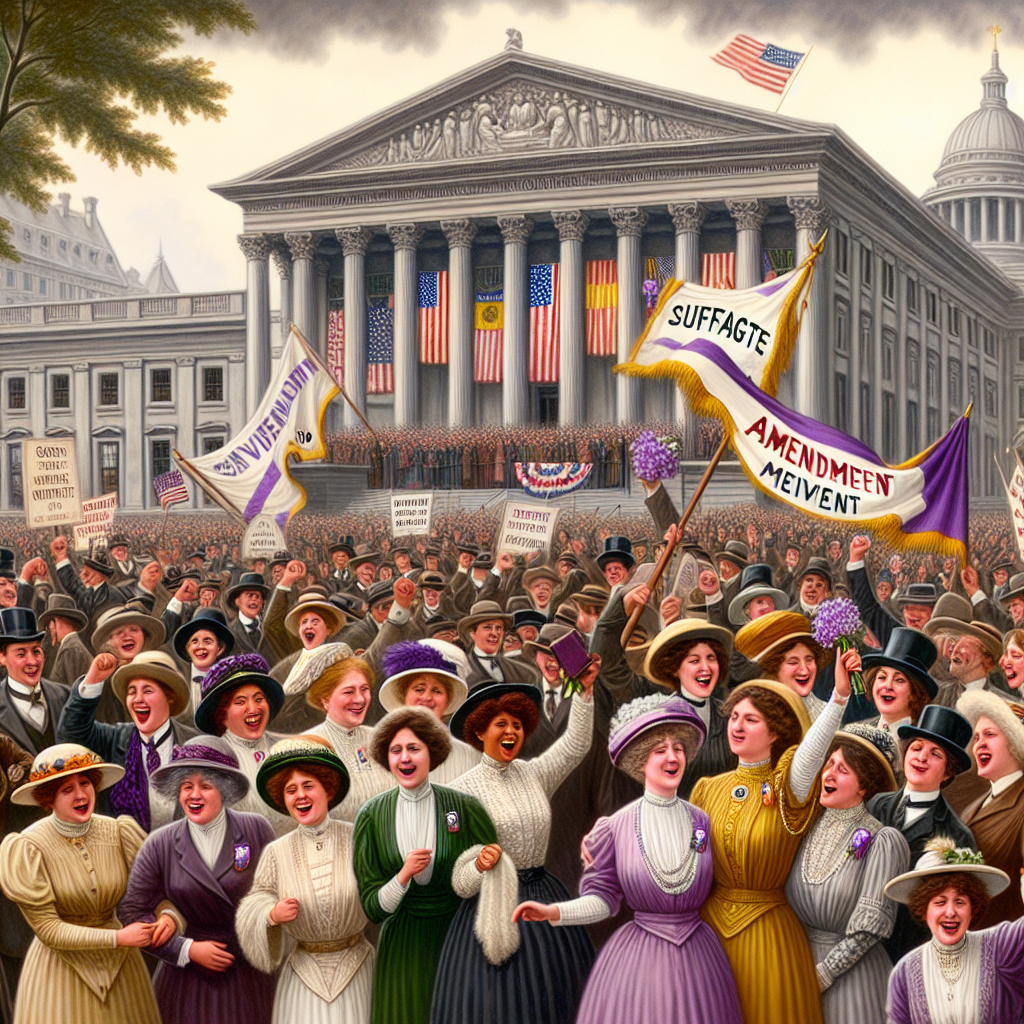
The Progressive Era followed directly from the corporate consolidation of the Gilded Age, and its final amendment fed directly into the long women's suffrage movement that had organized for decades to win it.