Red Scare
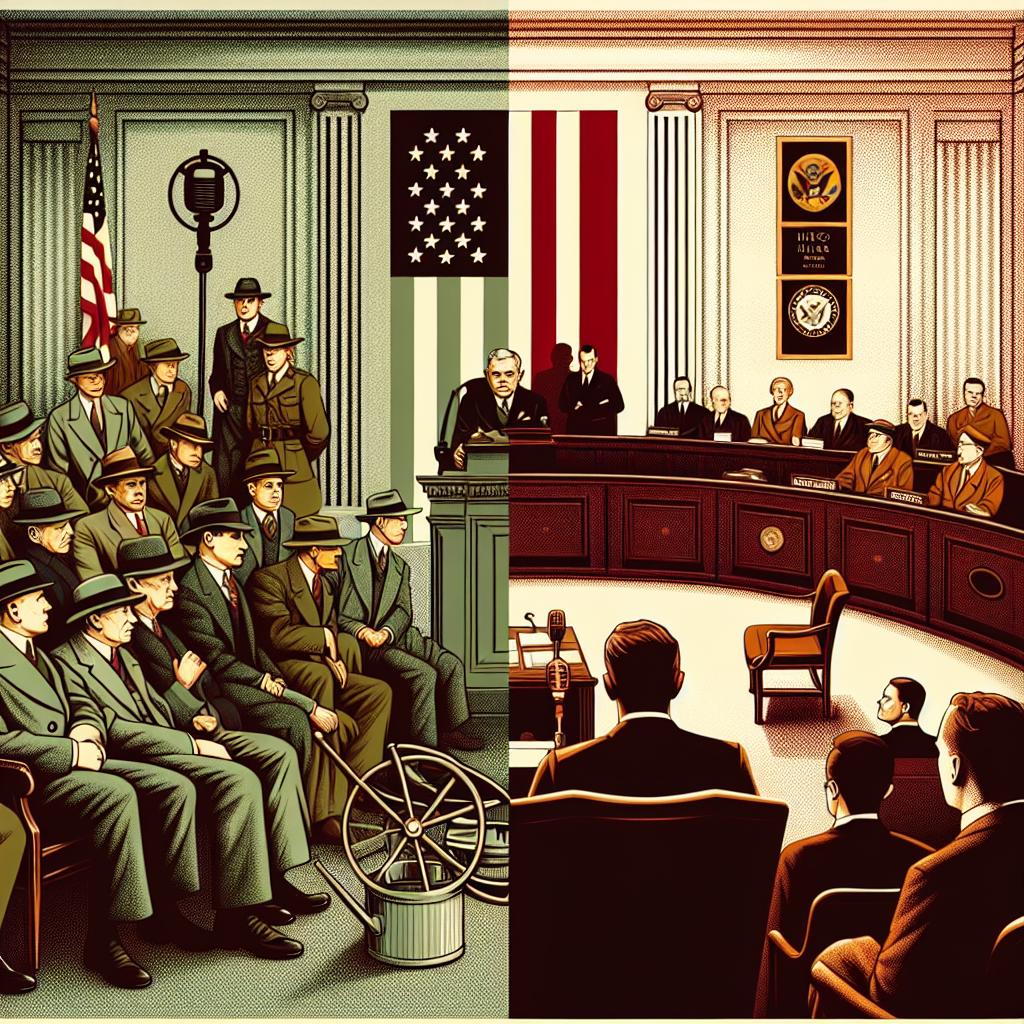
The United States has experienced two distinct Red Scares — episodes of government-amplified fear of communist and radical subversion — and they bookend the middle decades of the 20th century. The first, from 1917 to 1920, was triggered by the Bolshevik Revolution in Russia and a wave of labor unrest and anarchist bombings at home. Attorney General A. Mitchell Palmer authorized mass raids in 1919 and 1920 that swept up thousands of suspected radicals — many of them immigrants — without warrants, in conditions of deliberate brutality. Hundreds were deported. Constitutional protections were openly set aside, and a young J. Edgar Hoover cut his bureaucratic teeth compiling the lists.
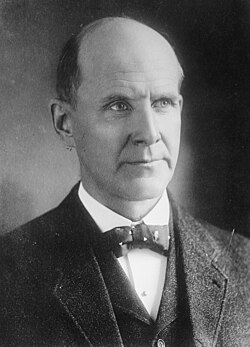
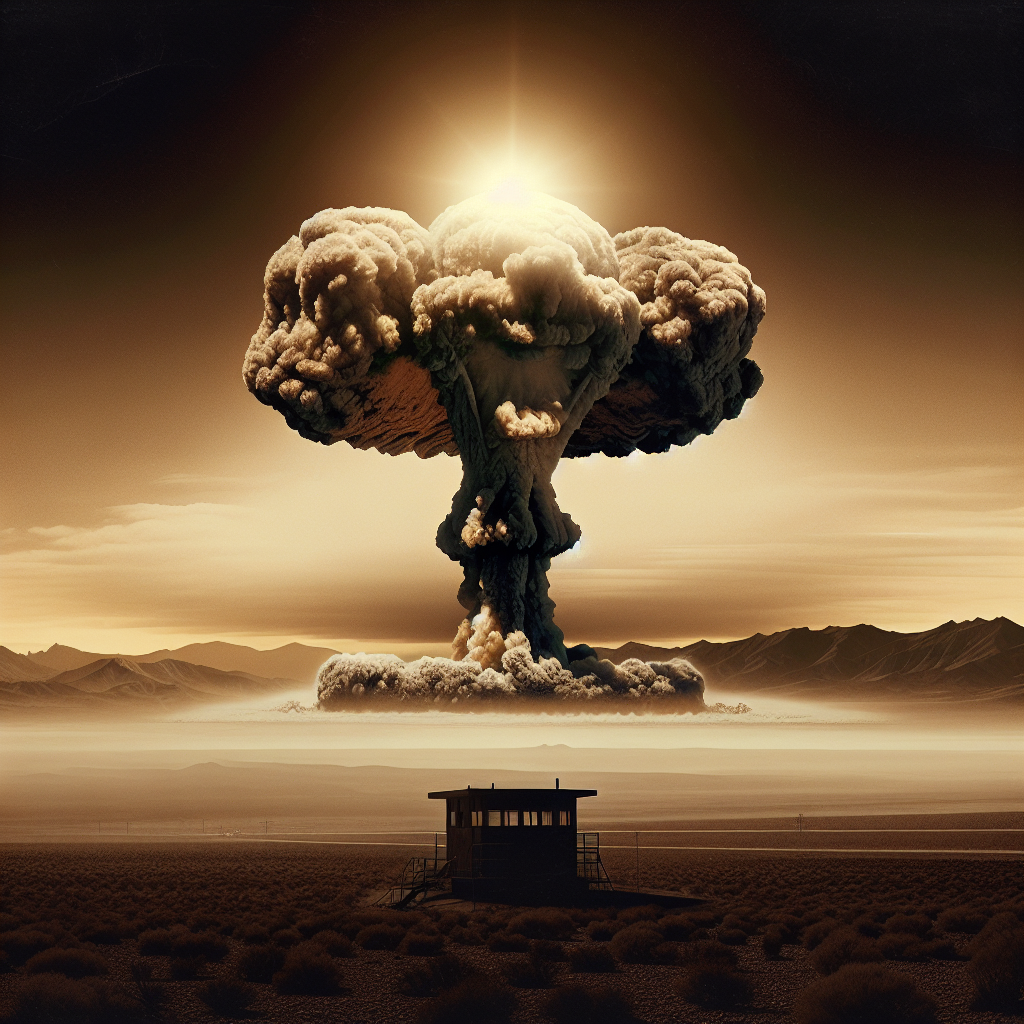
The second Red Scare, from roughly 1947 to 1957, was more sustained and more institutionally embedded. It was fueled by genuine Soviet espionage — Julius and Ethel Rosenberg were executed for passing nuclear weapons information; Alger Hiss was convicted of perjury related to Soviet contacts — but its reach extended far beyond actual spies to encompass anyone whose politics, associations, or personal life could be made to appear suspicious. Senator Joseph McCarthy became its public face, but the machinery was broader: loyalty oaths, the House Un-American Activities Committee, the Hollywood blacklist, and FBI surveillance files on hundreds of thousands of Americans preceded and outlasted him.
Both Red Scares followed a recognizable pattern: genuine security concerns amplified well beyond their actual scope, deployed to suppress political dissent that had nothing to do with espionage. The first targeted labor organizers, socialists, and immigrants; the second targeted the left wing of New Deal liberalism and the early civil rights movement — the FBI formally classified the NAACP as a suspected communist front. The surveillance infrastructure built during these years did not dismantle itself when the scares receded. COINTELPRO, the loyalty apparatus, and the habits of political monitoring outlasted both episodes by decades.
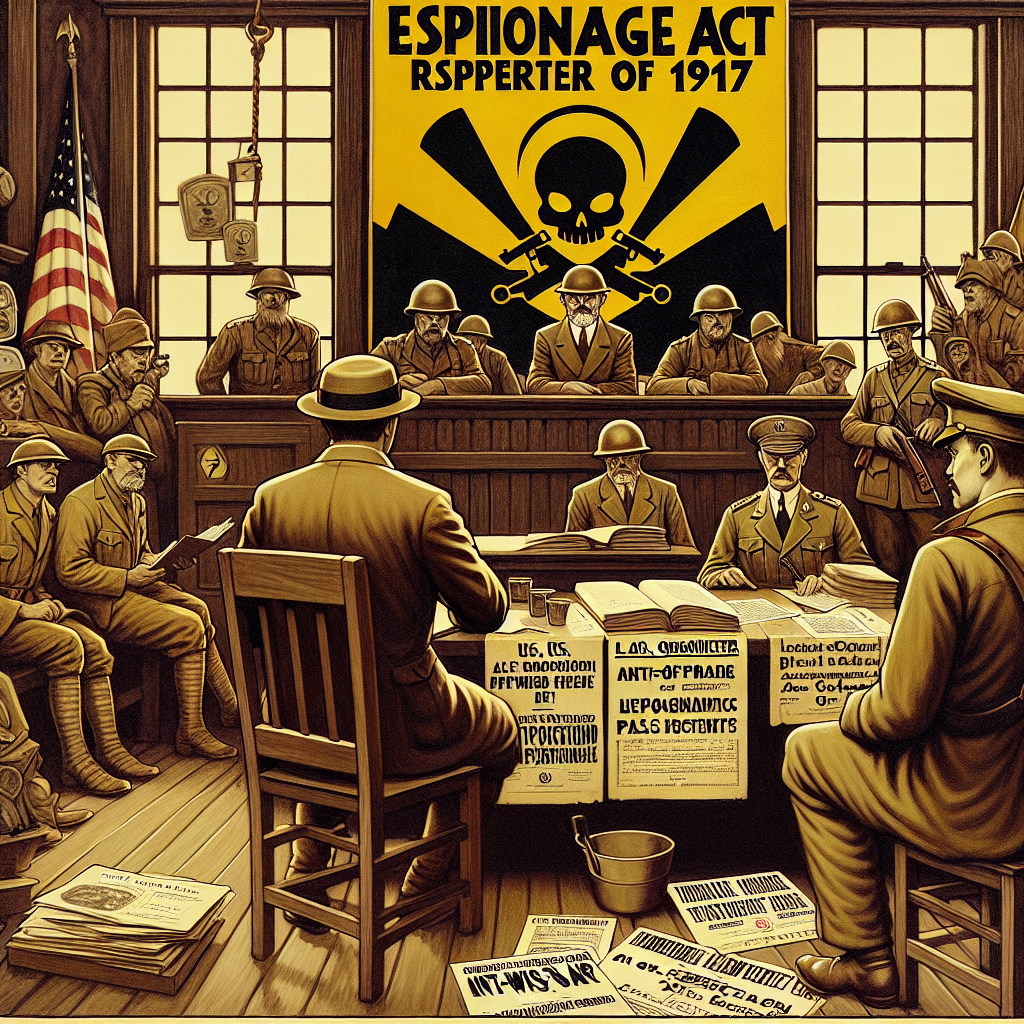
| First Red Scare | 1917–1920 — Palmer Raids; mass deportations of immigrants |
| Second Red Scare | 1947–1957 — McCarthyism; HUAC; Hollywood blacklist |
| Key Figures | A. Mitchell Palmer; J. Edgar Hoover; Joseph McCarthy |
| Institutional Tools | HUAC; loyalty oaths; FBI COINTELPRO; blacklists |
| Famous Cases | Sacco and Vanzetti (1st); Rosenbergs, Alger Hiss (2nd) |
| McCarthy's End | Senate censure, December 2, 1954 — after televised Army hearings |
| Legacy | Surveillance infrastructure and political monitoring that outlasted both episodes |
| Years | 1917–1957 |
| Location | Washington, D.C. |