Muckraking
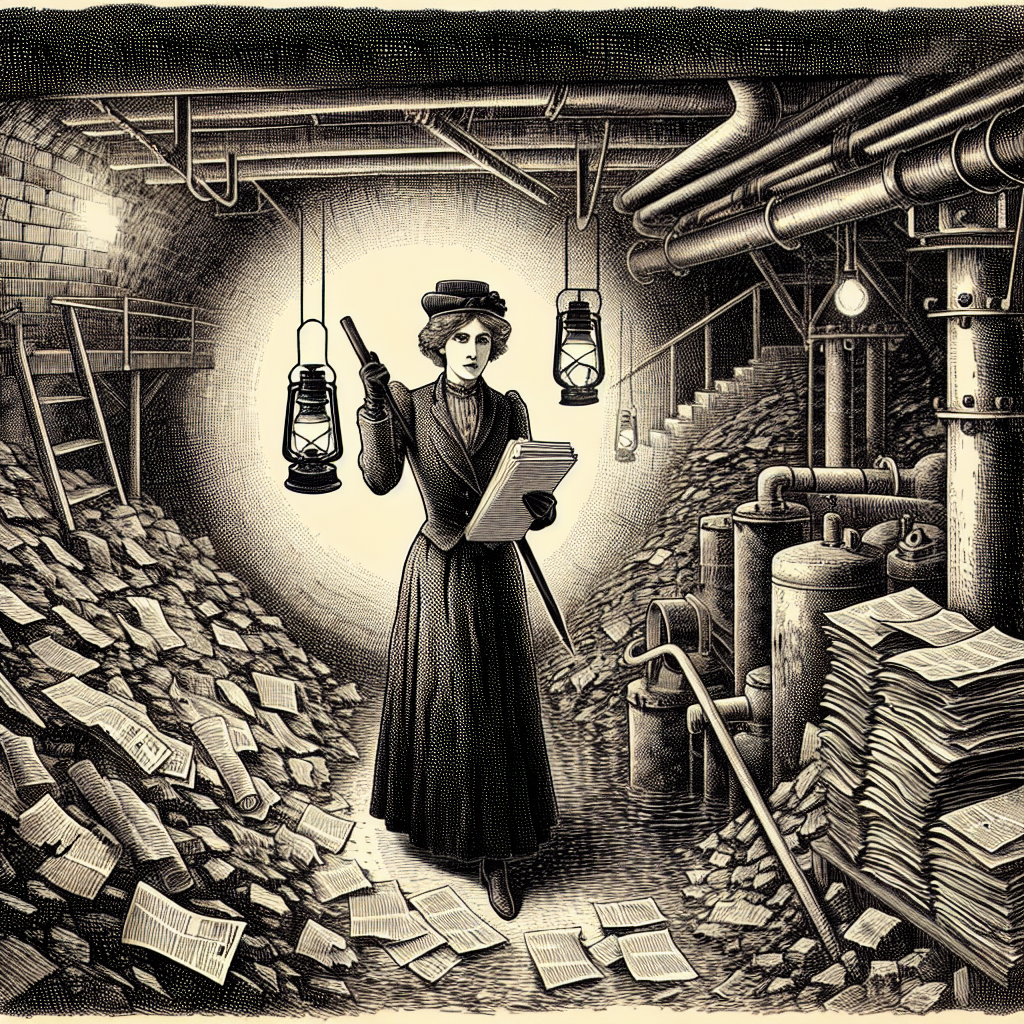
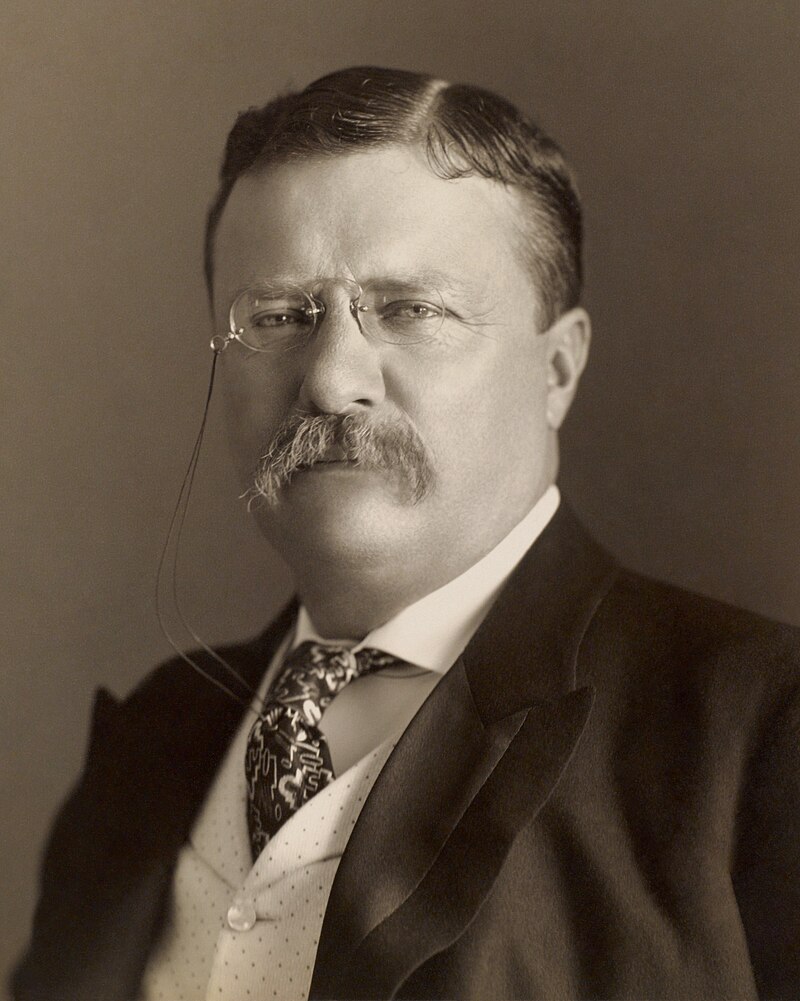
In a 1906 speech, Theodore Roosevelt reached back to John Bunyan's Pilgrim's Progress for a metaphor: there was a character in that allegory, he said, who could look no way but downward, raking the muck at his feet when a celestial crown was offered above him. He meant it as a criticism of journalists who dwelled on corruption without offering constructive vision. The journalists accepted the label with pride. Muckraking — investigative reporting aimed at exposing corporate abuse, political corruption, urban poverty, and industrial danger — was already transforming American public life, and Roosevelt's coinage gave the movement a name that stuck.
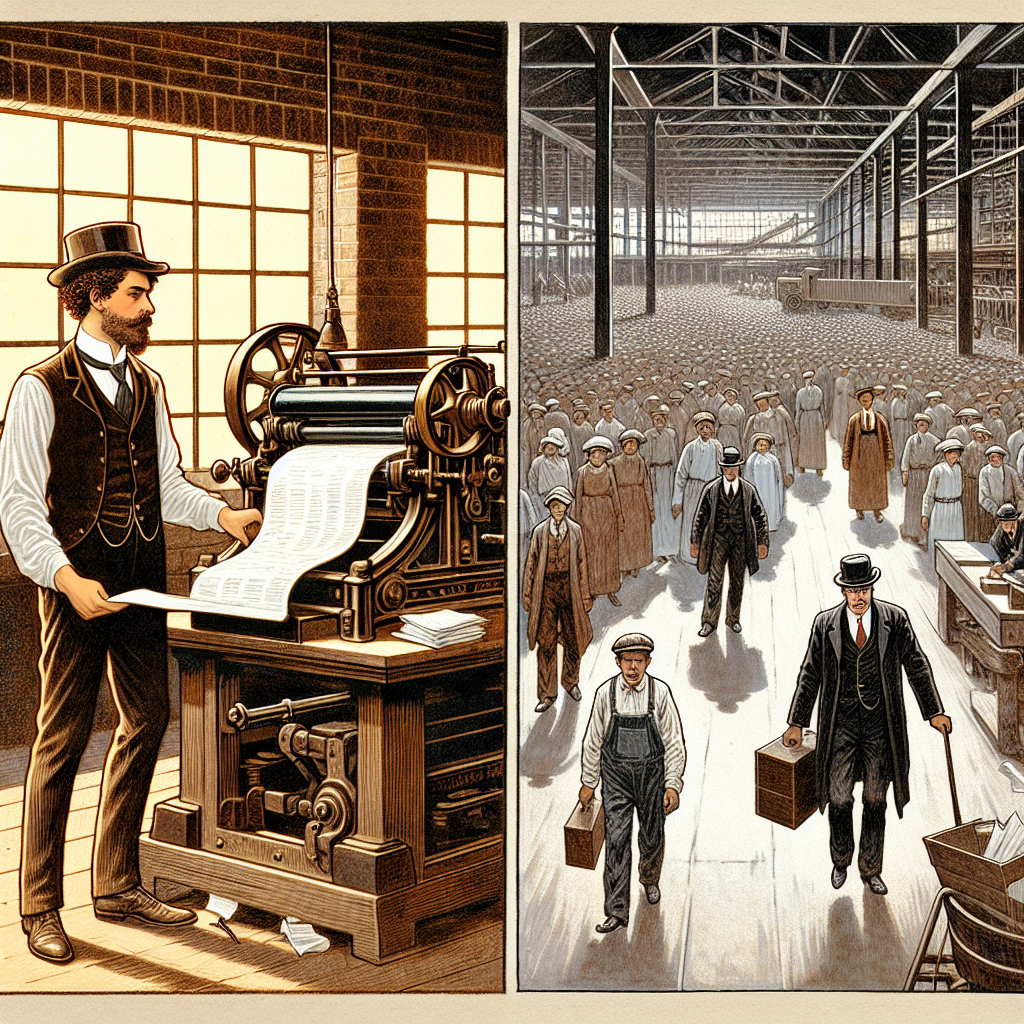
Ida Tarbell's meticulous two-year investigation of Standard Oil, serialized in McClure's Magazine from 1902 to 1904, documented John D. Rockefeller's systematic destruction of competitors through secret railroad rebates and coercive pricing — and built the public case for the antitrust action that broke Standard Oil in 1911. Upton Sinclair's The Jungle, published in 1906, described the meatpacking industry's conditions in detail that nauseated readers and led directly to the Pure Food and Drug Act. Jacob Riis's photographs and reporting in How the Other Half Lives confronted middle-class New Yorkers with the tenement conditions their city had successfully hidden from them.
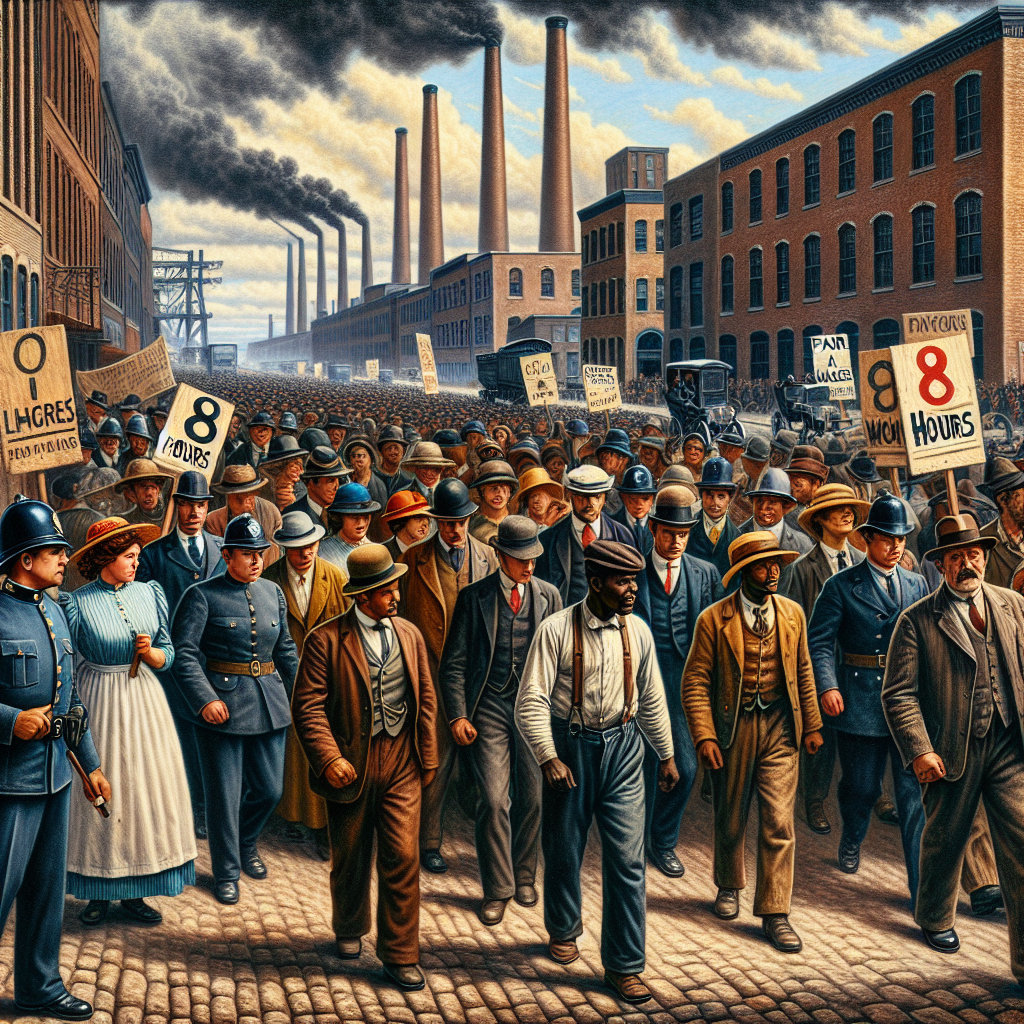
The muckrakers were largely reformers rather than radicals — most believed American institutions were sound but corrupted by specific bad actors, and that publicity was sufficient to force correction. That faith in transparency as a reform mechanism was both the movement's strength and its limit. The Jungle's readers were horrified by the contamination of their meat supply but largely indifferent to the working conditions Sinclair had actually set out to expose. "I aimed at the public's heart," he wrote, "and by accident I hit it in the stomach." The muckraking era faded after World War I, but the genre — investigative journalism as a mechanism of democratic accountability — became a permanent feature of American public life.
| Period | c. 1890s–1917 (peak: 1902–1912) |
| Term Coined By | President Theodore Roosevelt (1906) — from Bunyan's Pilgrim's Progress |
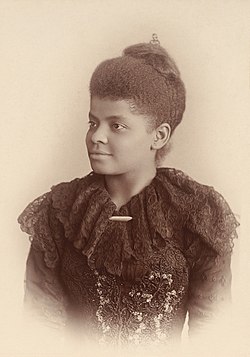
| Key Figures | Ida Tarbell, Upton Sinclair, Jacob Riis, Lincoln Steffens, Ida B. Wells |
| Key Works | The Jungle (Sinclair, 1906); "History of Standard Oil" (Tarbell, 1904) |
| Publications | McClure's Magazine, Collier's, The American Magazine |
| Legislative Impact | Pure Food and Drug Act (1906); antitrust action vs. Standard Oil (1911) |
| Years | 1890–1917 |
| Location | New York City / Washington, D.C. |