World War I
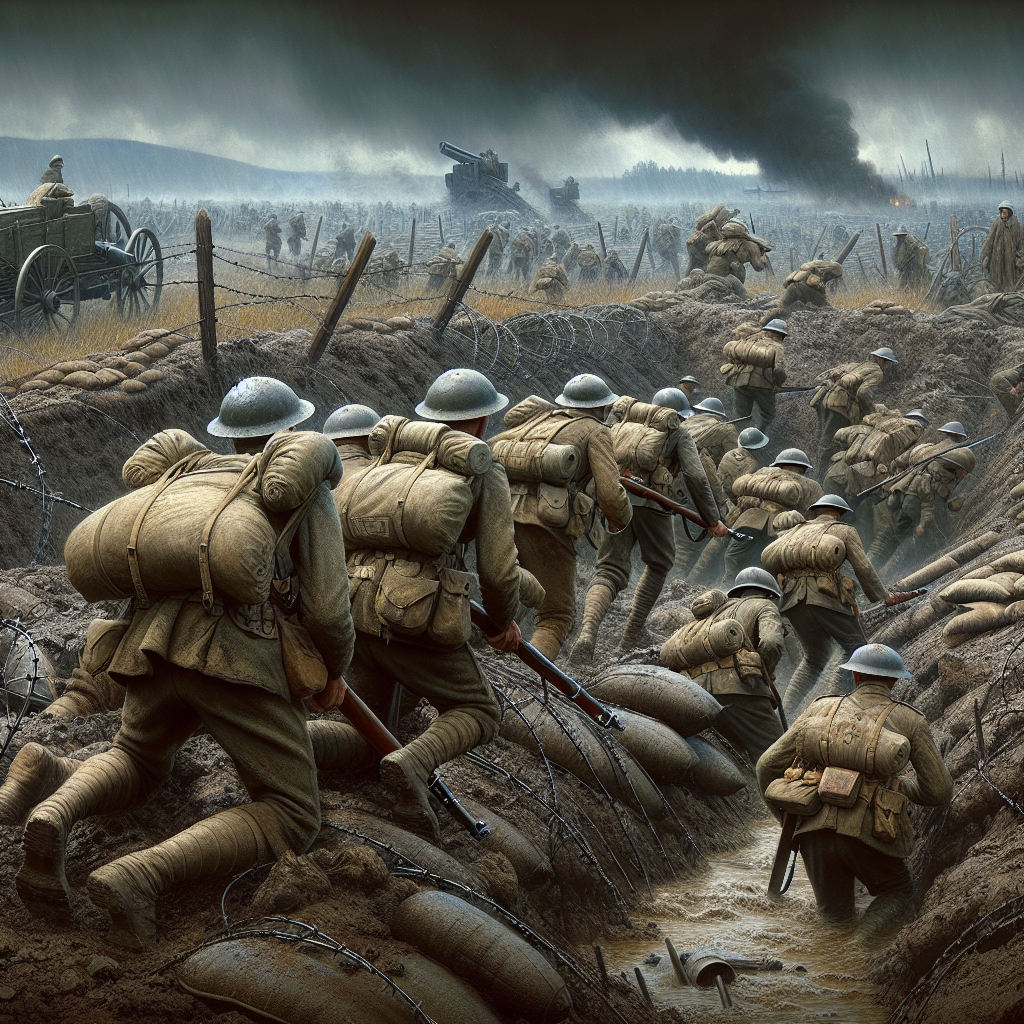
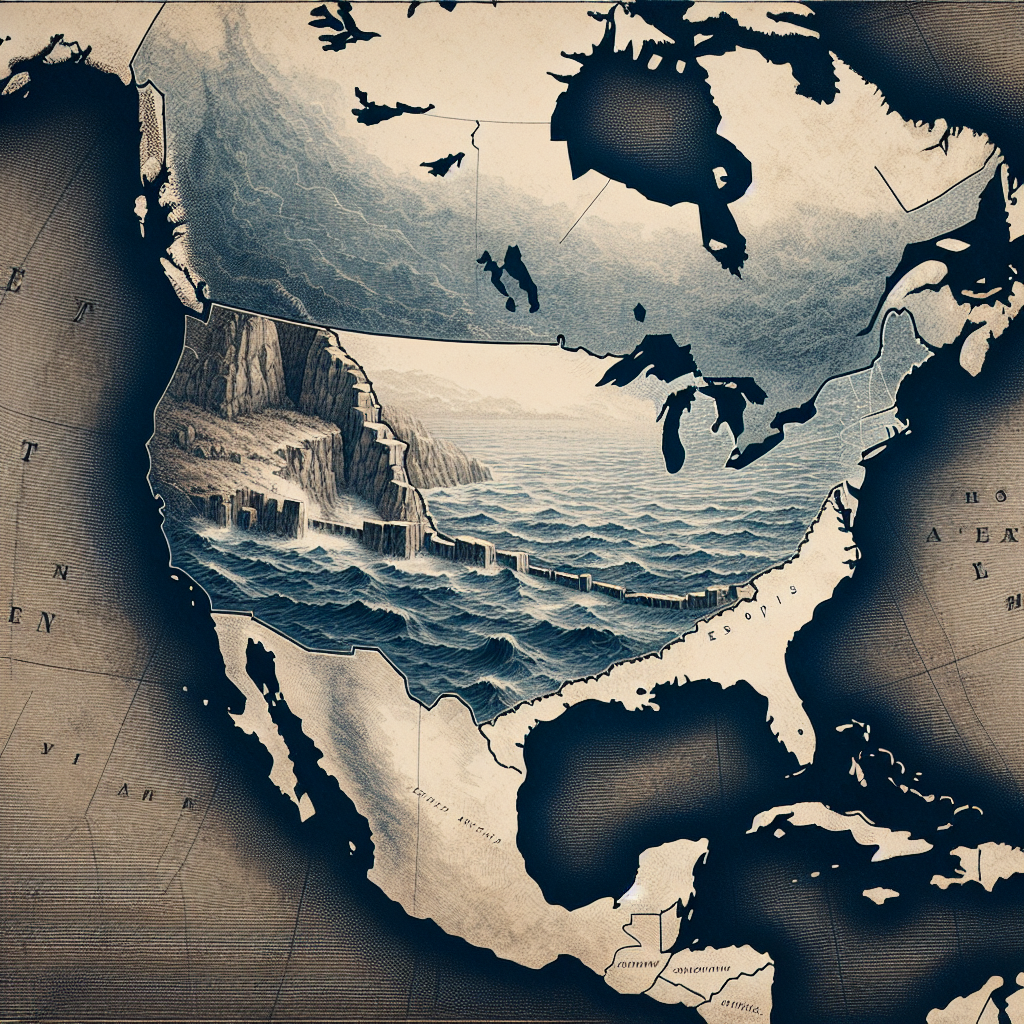
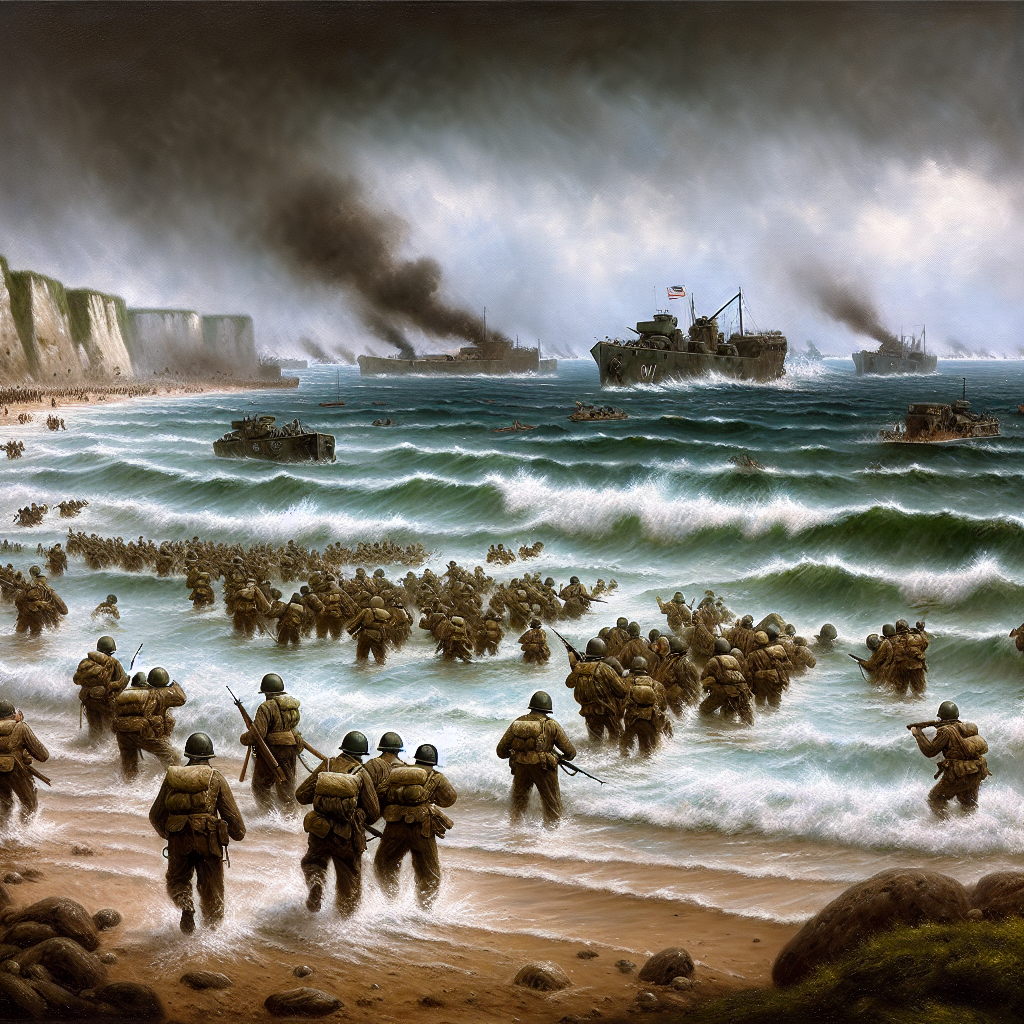
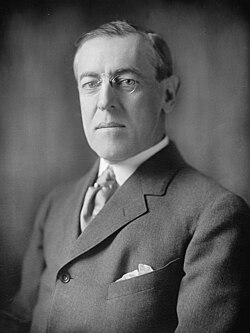
The United States entered World War I on April 6, 1917, nearly three years after the war began, and the decision transformed both the war and the country. President Wilson had won reelection in 1916 on the slogan "He kept us out of war." By early 1917, German submarines were sinking American ships, and the British had intercepted the Zimmermann Telegram — Germany's offer to help Mexico reconquer Texas, New Mexico, and Arizona if Mexico would enter the war on Germany's side. When Wilson asked Congress for a declaration of war, he framed it as a war to make the world safe for democracy, elevating a conflict that had begun as a European dynastic quarrel into a moral crusade of American scale. Approximately 117,000 Americans died, most of them in the seven months between the AEF's first major engagement and the Armistice of November 11, 1918.
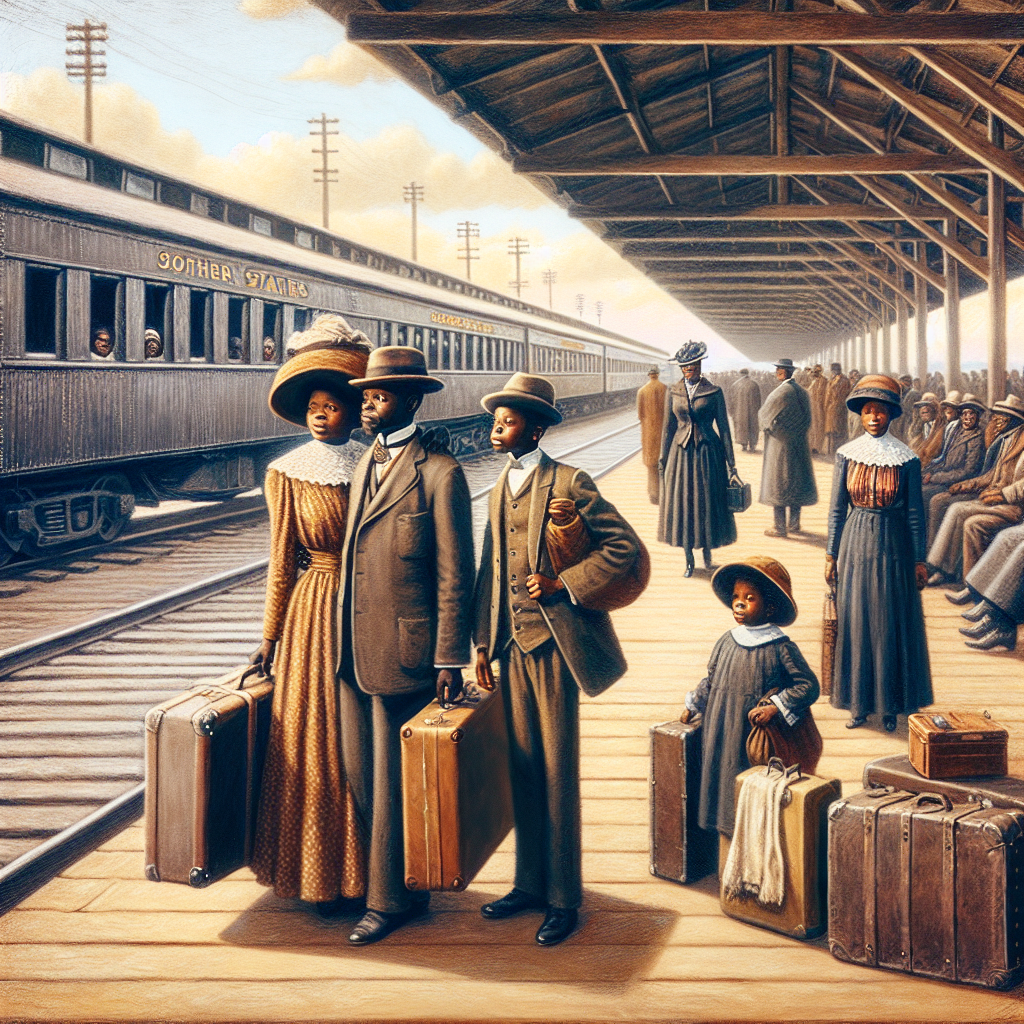
The war's domestic consequences were as transformative as its military ones. The federal government mobilized the economy at a scale not seen since the Civil War, establishing agencies to control food, fuel, transportation, and labor. The Committee on Public Information — essentially a propaganda bureau — produced the most sustained campaign of manufactured public opinion in American history to that point. The Espionage Act of 1917 and the Sedition Act of 1918 criminalized criticism of the war, the draft, and the government; Eugene Debs was sentenced to ten years in prison for giving a speech. The war accelerated the Great Migration as Northern factories desperate for labor recruited Black workers from the South, and it created the industrial infrastructure that would later fight World War II.
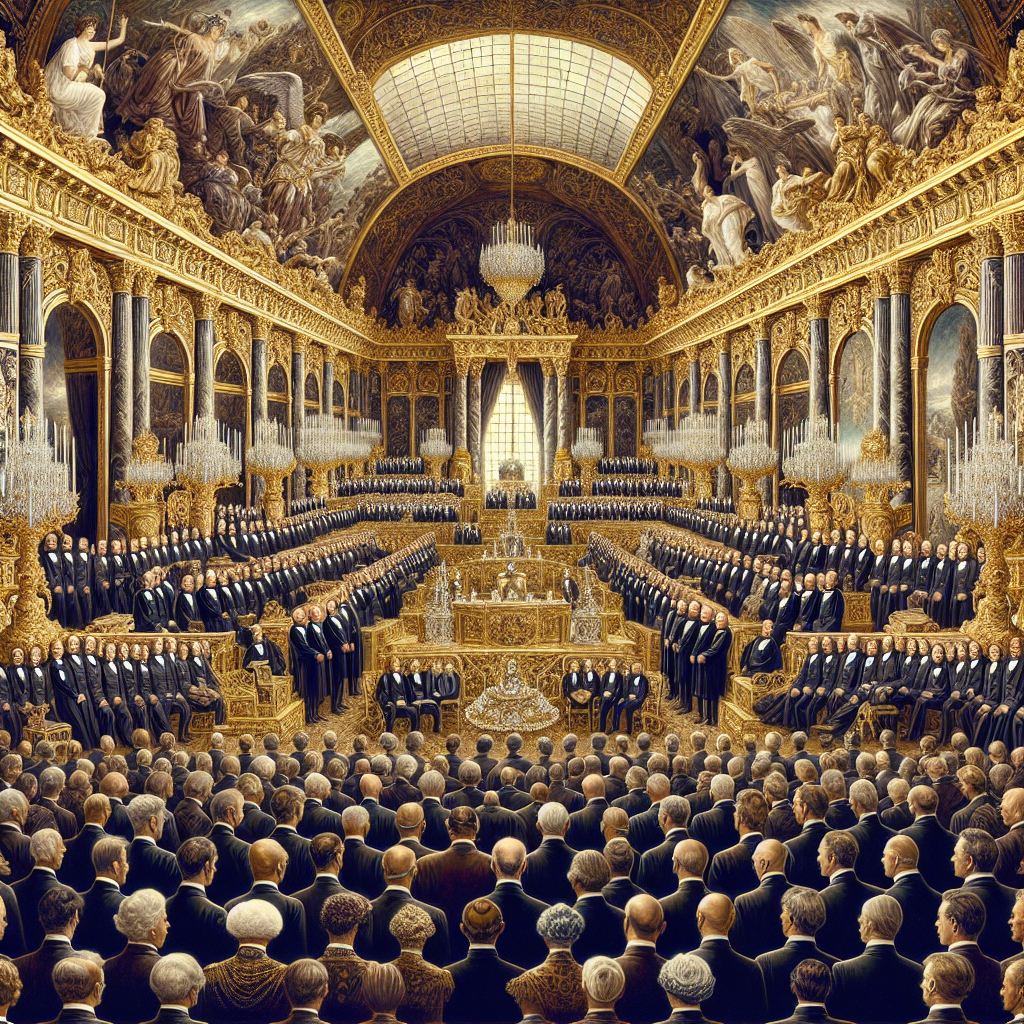
Wilson's Fourteen Points — his plan for a just peace — died at Versailles, where Allied leaders carved up the defeated empires for their own benefit and imposed on Germany a war guilt clause and reparations that the German economy could not sustain. The League of Nations, Wilson's central achievement, was rejected by his own Senate. The Versailles settlement's humiliation of Germany produced the economic desperation and nationalist resentment that Adolf Hitler organized into political power within a decade. John Maynard Keynes, present at Versailles as a British economic advisor, walked out and wrote The Economic Consequences of the Peace, predicting that the settlement would produce another war. He was right within 21 years, which is as close to prophecy as economics gets.
| U.S. entry | April 6, 1917 |
| U.S. deaths | ~117,000 |
| U.S. troops deployed | ~2 million (AEF) |
| Commander | General John "Black Jack" Pershing |
| Armistice | November 11, 1918 — 11th hour, 11th day, 11th month |
| Zimmermann Telegram | January 1917 — Germany's offer to Mexico |
| Peace treaty | Treaty of Versailles, June 28, 1919 |
| U.S. Senate | Rejected Treaty of Versailles twice |
| Date | April 6, 1917 – November 11, 1918 |
| Location | Western Front, France |