The Progressive Era
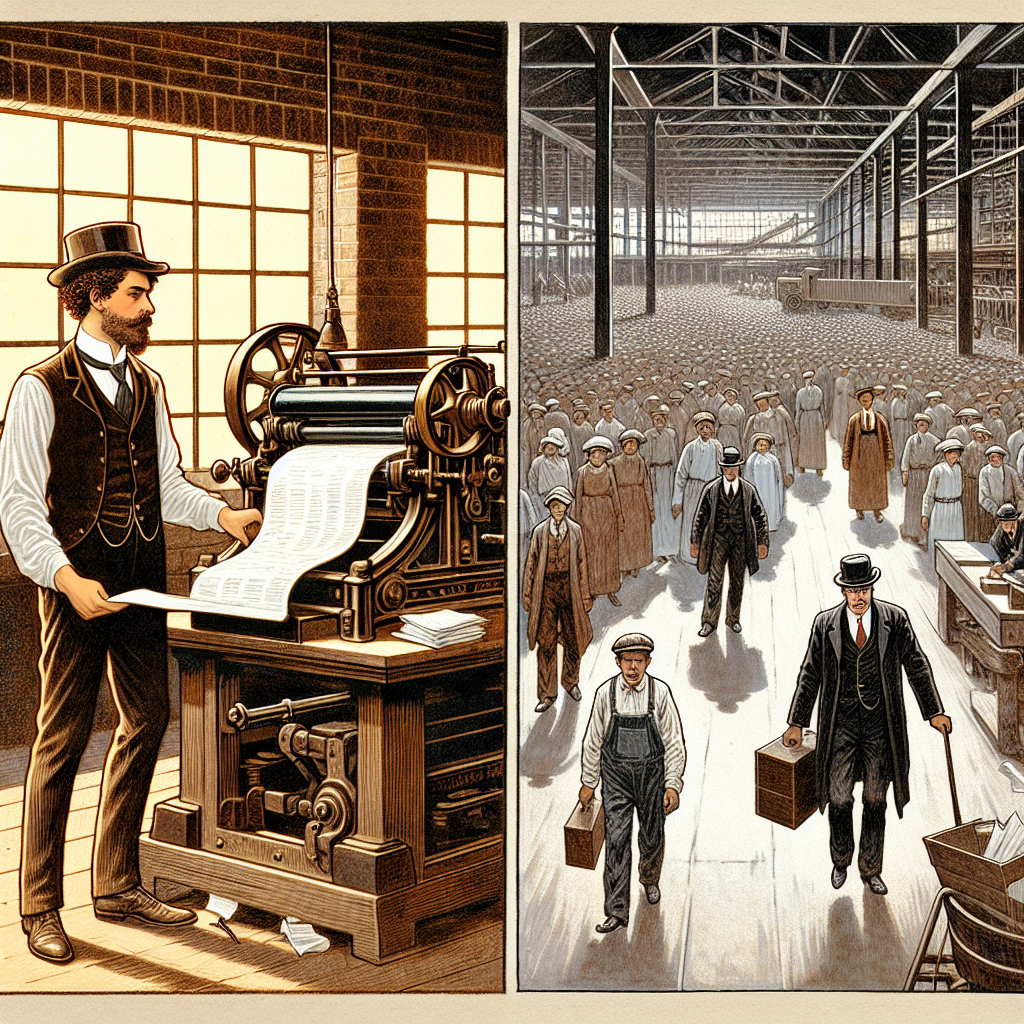
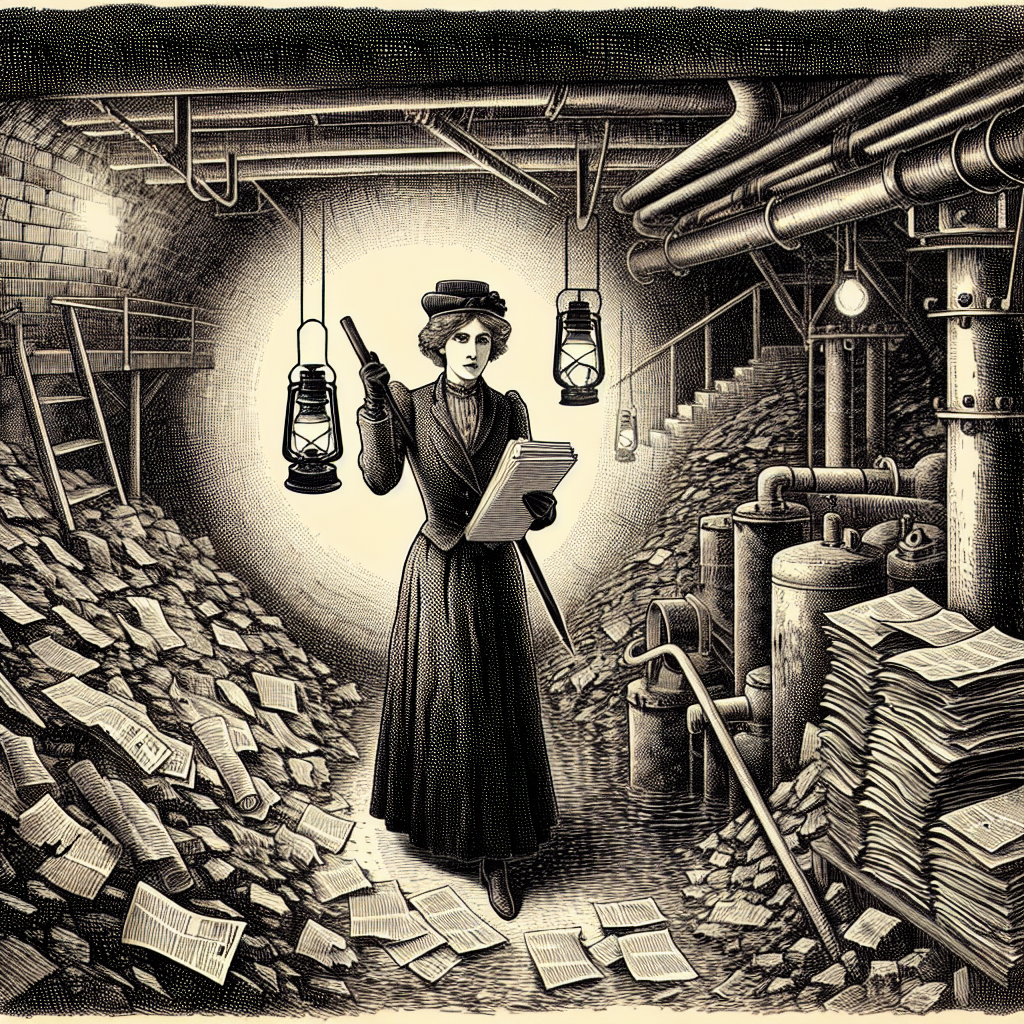
The Progressive Era began, in a sense, with a stomach. Upton Sinclair published The Jungle in 1906 intending to shock readers with the lives of immigrant meatpacking workers in Chicago; instead, the country recoiled at his descriptions of what went into American sausages. Theodore Roosevelt read it and pushed through the Pure Food and Drug Act and the Meat Inspection Act within months. That pattern — muckraking journalism exposing conditions that outraged middle-class readers, followed by legislative response — defined the era's political rhythm. For the first and perhaps only time in American history, the federal government expanded its regulatory reach with broad popular support across party lines, and the most powerful president driving the expansion was a Republican.
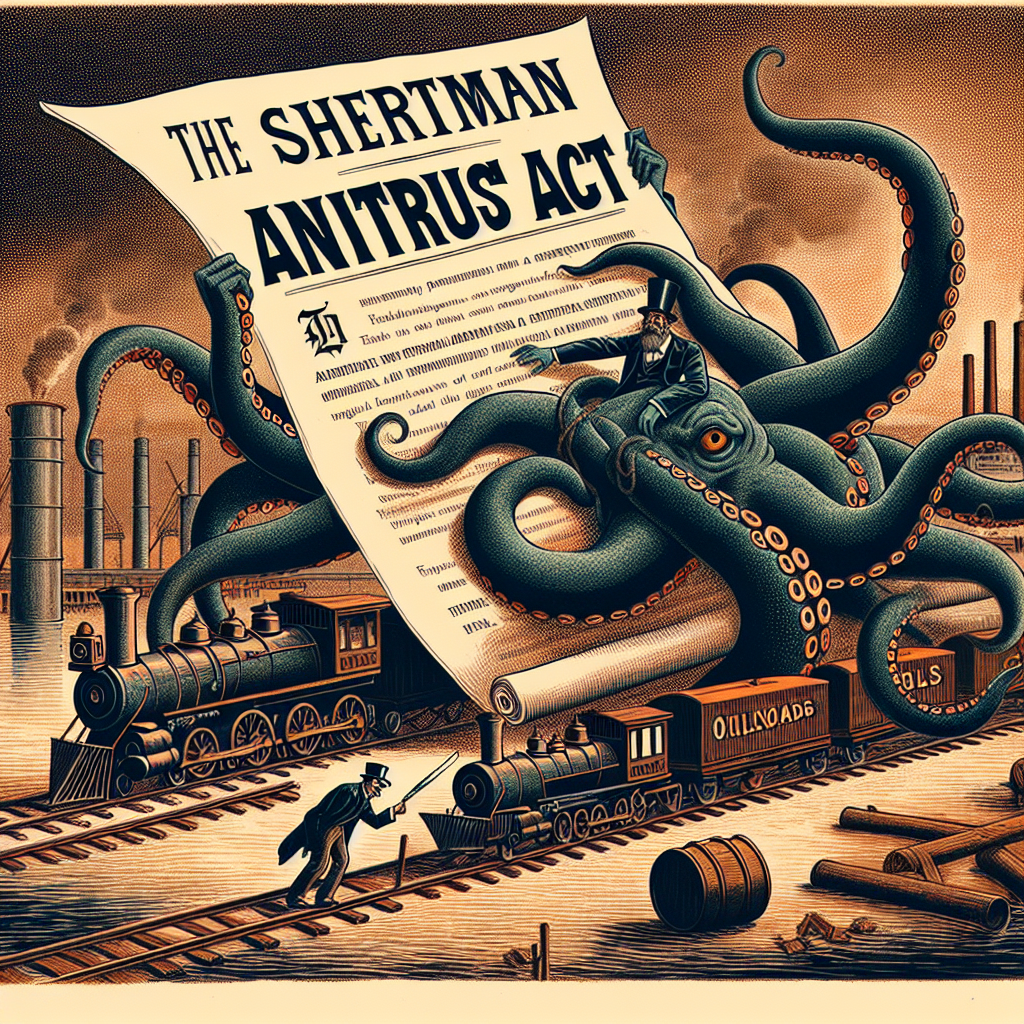
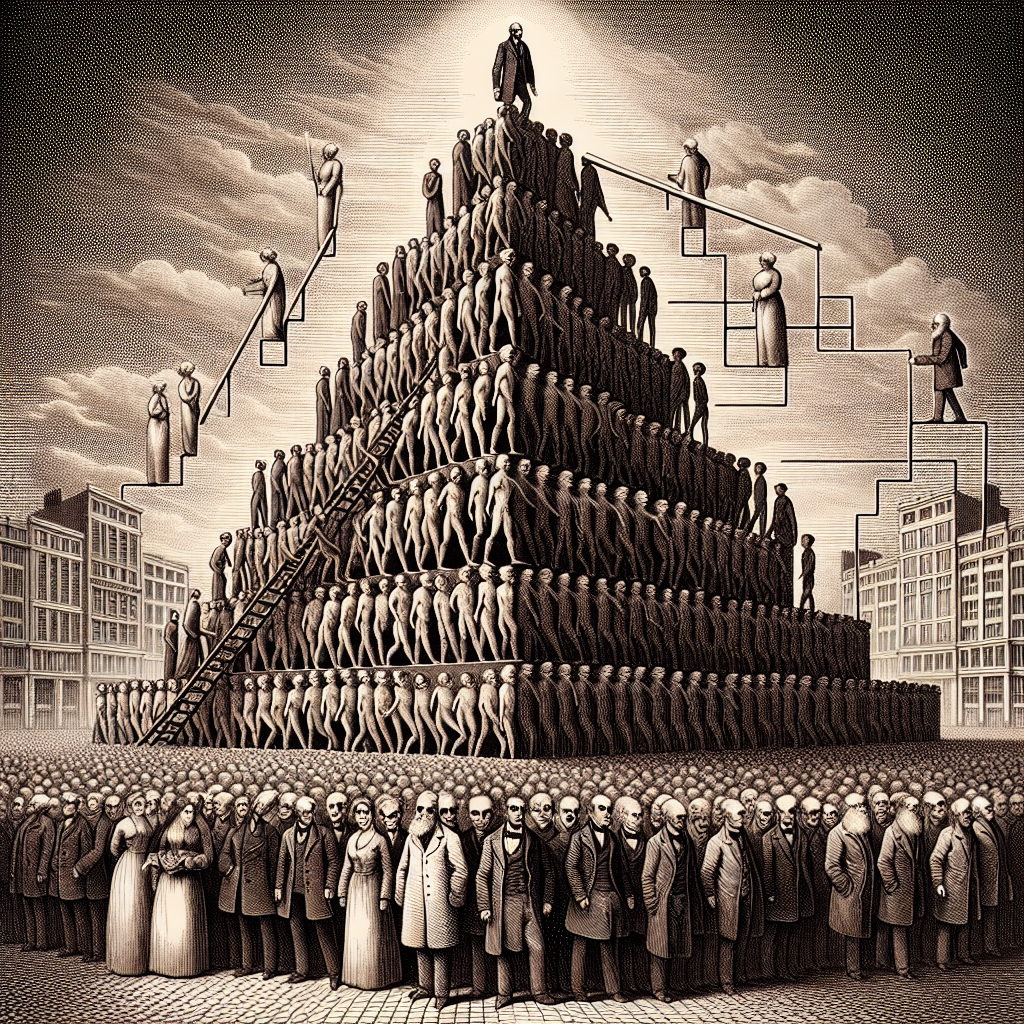
The reforms were genuinely sweeping. The Sherman Antitrust Act was finally enforced after decades of dormancy: Roosevelt broke up the Northern Securities railroad trust in 1902 and pursued 44 antitrust cases during his presidency. The 16th Amendment established the federal income tax in 1913. The 17th Amendment required direct election of senators, removing them from the grip of state legislatures that had been openly auctioned to corporate interests. The Federal Reserve was created in 1913 to stabilize banking. Child labor laws began passing at the state level. Workers' compensation programs followed. The era's reforms did not transform the fundamental distribution of economic power, but they built the regulatory scaffolding within which the next century of American capitalism would operate.
The Progressive Era had a profound blind spot. Its reformers were overwhelmingly white, and their progressive impulses rarely extended to race. Woodrow Wilson, the era's last and in many ways most ambitious reform president, re-segregated the federal workforce within months of taking office in 1913, reversing decades of post-Civil War integration. The Klan was revived and expanded in 1915, reaching its greatest national membership in the 1920s. Most Progressive legislation explicitly excluded domestic and agricultural workers — the jobs most Black Americans held — from its protections. The era produced the 19th Amendment, which gave women the vote, and the 18th, which established Prohibition. It left the question of racial equality for future generations, at costs those generations are still paying.

| Period | c. 1900–1920 |
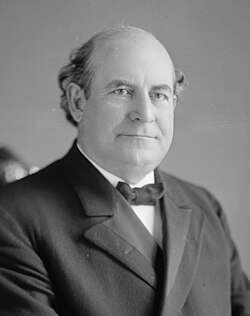
| Key presidents | Theodore Roosevelt, William Howard Taft, Woodrow Wilson |
| Landmark laws | Pure Food and Drug Act (1906), Sherman Antitrust enforcement |
| Amendments | 16th (income tax), 17th (Senate elections), 18th (Prohibition), 19th (suffrage) |
| Key journalists | Upton Sinclair, Ida Tarbell, Jacob Riis, Lincoln Steffens |
| Federal Reserve | Created December 23, 1913 |
| Major failure | Nearly all reforms excluded Black Americans |
| Years | 1900–1920 |
| Location | United States |