Woodrow Wilson
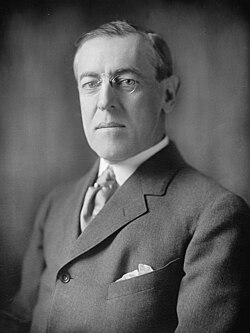
Woodrow Wilson came to the presidency in 1913 with the most impressive academic credentials of any occupant of the office — he had been president of Princeton and governor of New Jersey, held a doctorate in political science, and had written serious books about constitutional government. He also brought deep convictions about racial hierarchy that he acted on immediately: within months of taking office he re-segregated the federal civil service, reversing decades of post-Reconstruction integration, and screened the viciously racist film The Birth of a Nation at the White House in 1915. The man who would go to Paris in 1919 to make the world safe for democracy did not believe democracy was safe for Black Americans.
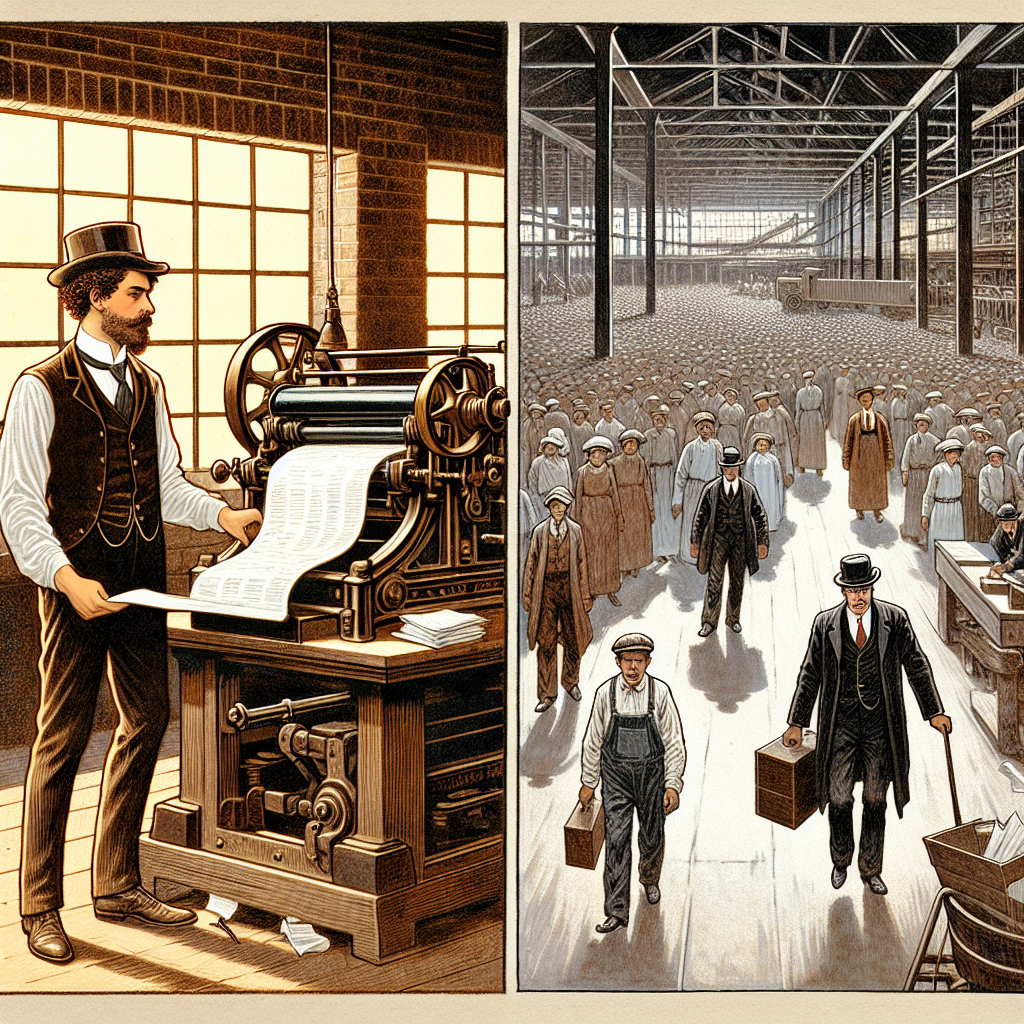
Wilson's domestic record was the most substantively progressive since Theodore Roosevelt's. The Federal Reserve Act, the Clayton Antitrust Act, the Federal Trade Commission, the first federal child labor law, and the 8-hour workday for railroad workers all passed during his first term. When the United States finally entered World War I in April 1917 — after Wilson had won reelection on the slogan "He kept us out of war" — his administration mobilized the economy, suppressed dissent through the Espionage and Sedition Acts with a thoroughness that imprisoned hundreds of Americans for criticizing the war, and prepared the Fourteen Points that Wilson hoped would form the basis of a just peace.
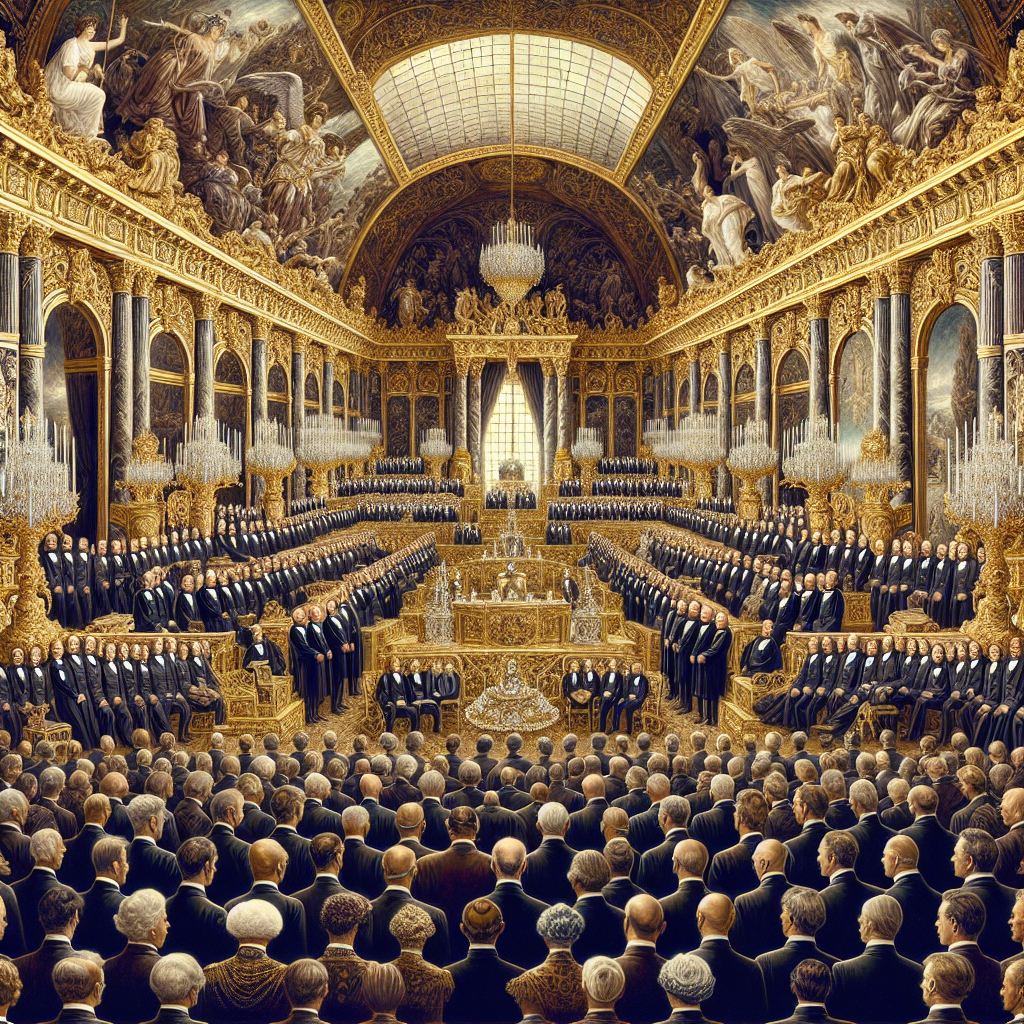
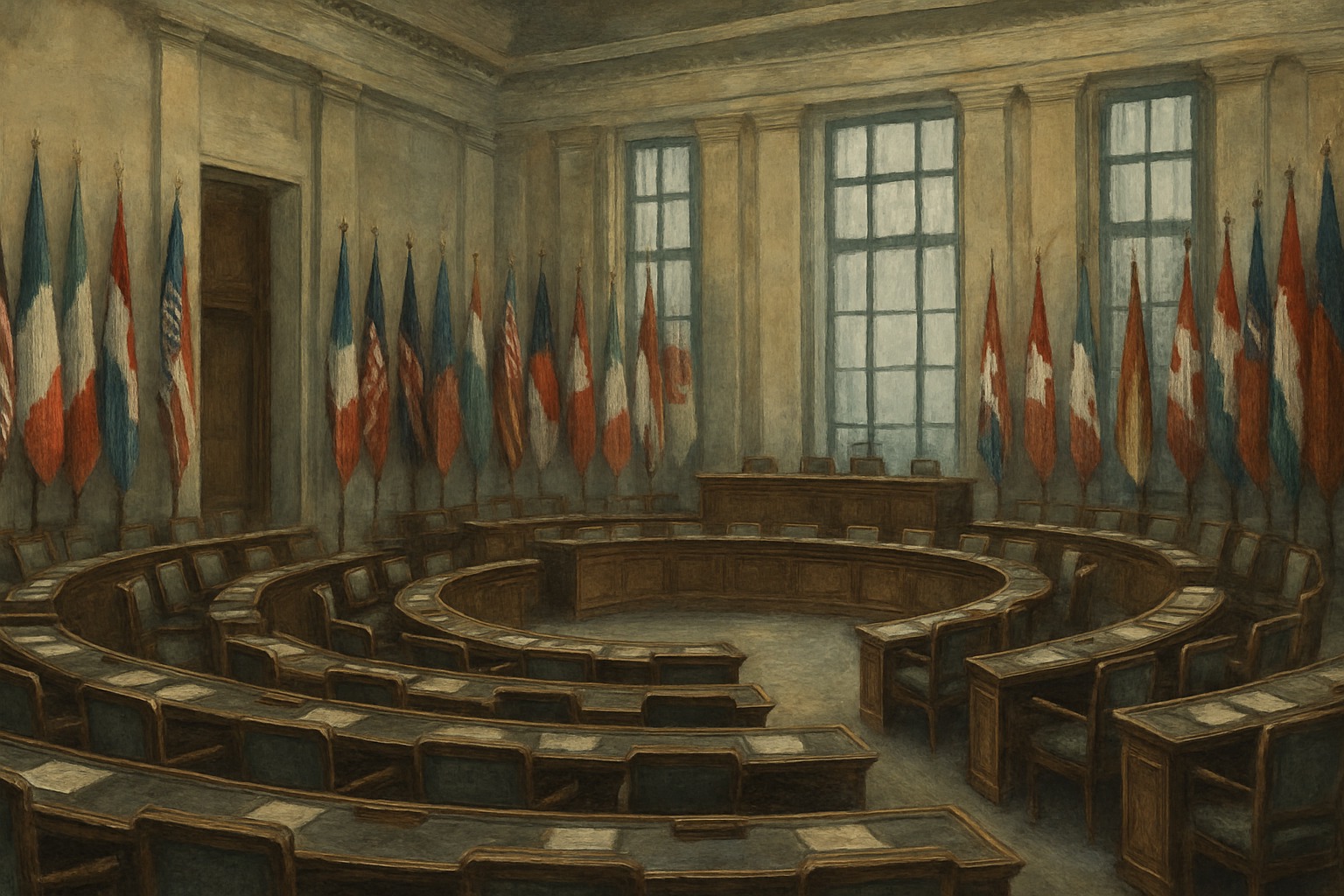
The peace Wilson made at Versailles in 1919 was a compromise he accepted reluctantly and then sold too hard. His League of Nations, designed to make future wars impossible through collective security, died in the Senate when Henry Cabot Lodge's Republican majority refused ratification. Wilson refused any compromise with Lodge's reservations, taking his case directly to the public on a grueling speaking tour until he collapsed in Pueblo, Colorado, in September 1919 and suffered a massive stroke that left him partially paralyzed. He spent the last 17 months of his presidency largely incapacitated, his wife Edith managing access to him and arguably managing the executive branch. The Senate voted twice against the League. The United States never joined.

| Born | December 28, 1856 — Staunton, Virginia |
| Died | February 3, 1924 — Washington, D.C. |
| Term | March 4, 1913 – March 4, 1921 |
| Party | Democrat |
| Vice President | Thomas R. Marshall |
| Preceded by | William Howard Taft |
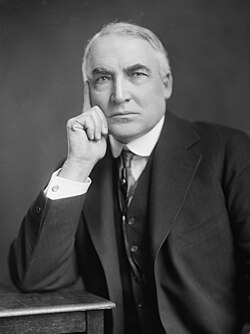
| Succeeded by | Warren G. Harding |
| Nobel Peace Prize | 1919 |
| Years | 1856–1924 |
| Location | Washington, D.C. |