Triangle Shirtwaist Fire
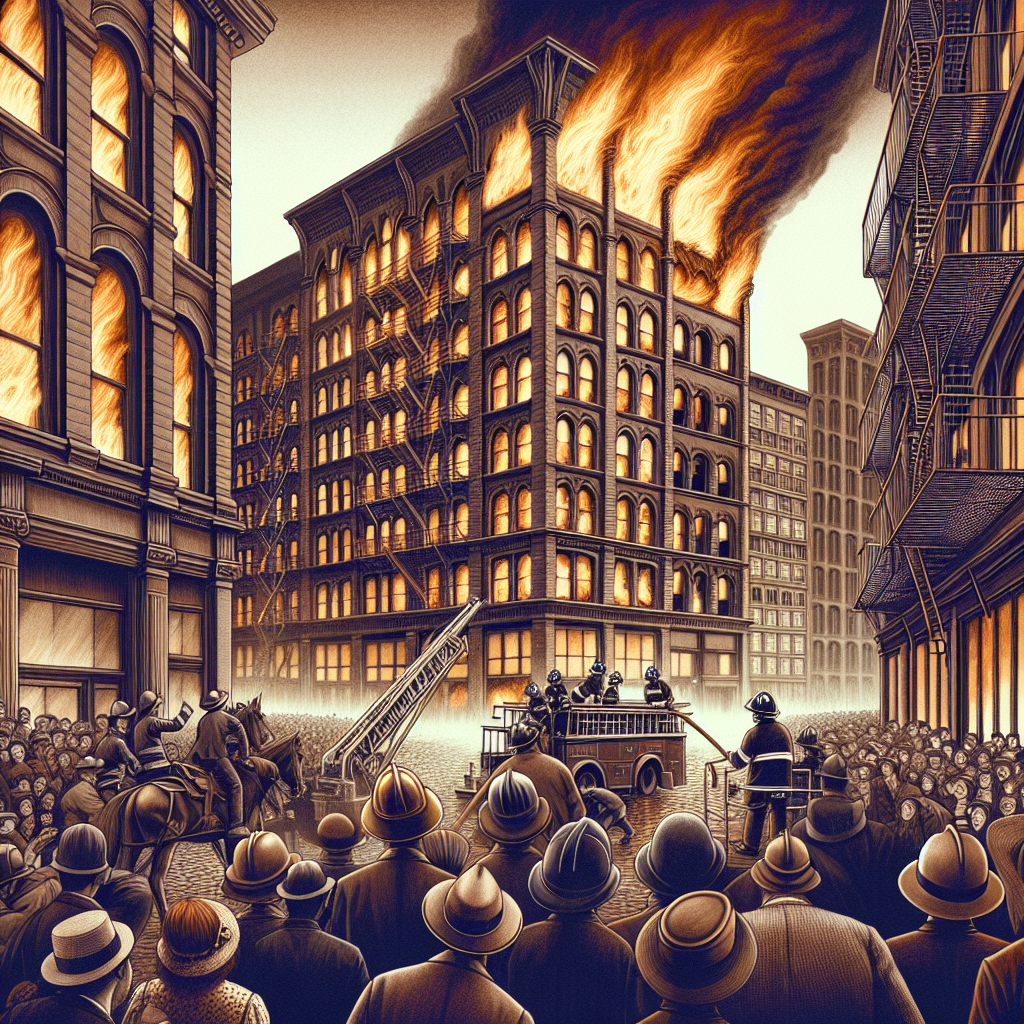
On the afternoon of March 25, 1911, fire broke out on the upper floors of the Triangle Waist Company in New York City's Greenwich Village. The building had no sprinklers. The exit doors were locked — management's routine practice to prevent theft and unauthorized breaks. Within 18 minutes, 146 workers were dead, most of them young immigrant women who leaped from windows rather than burn. It was the deadliest industrial disaster in New York City's history, and it didn't stay a tragedy — it became a reckoning.
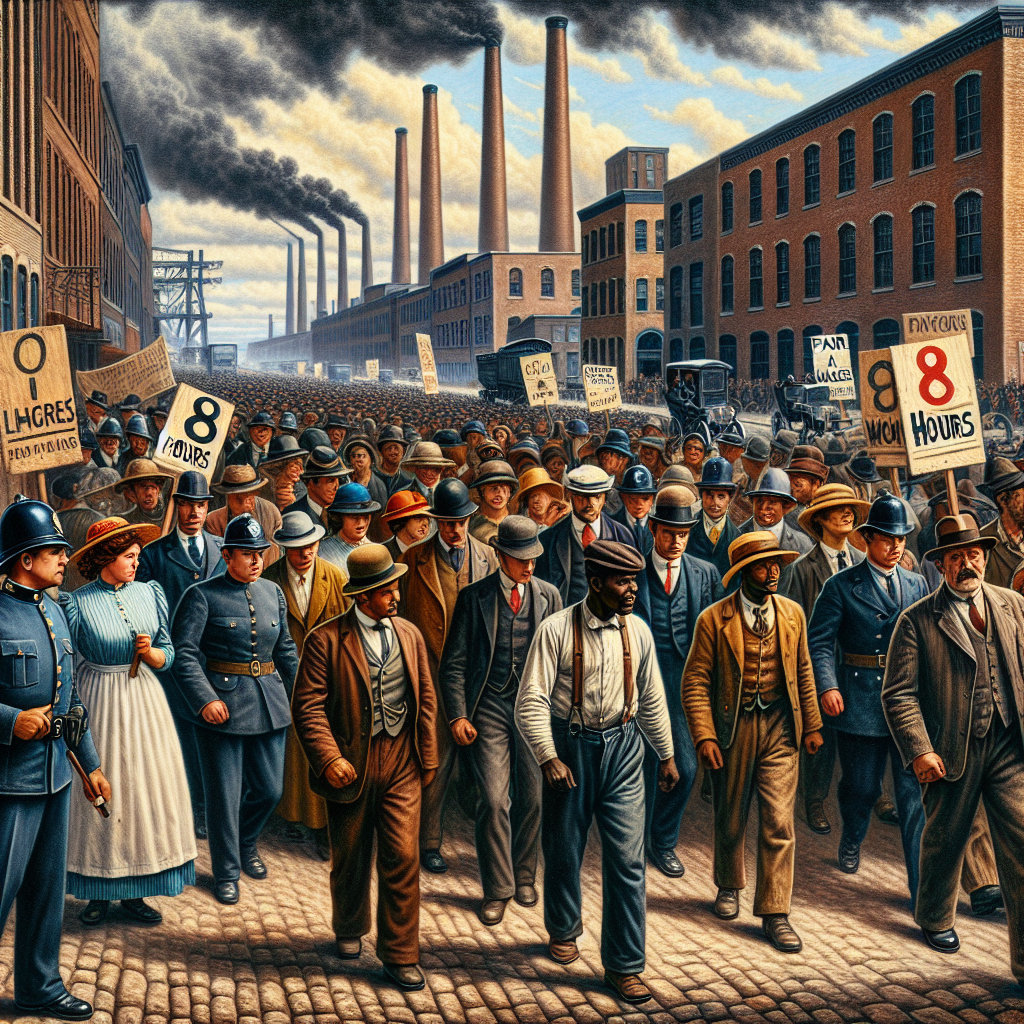
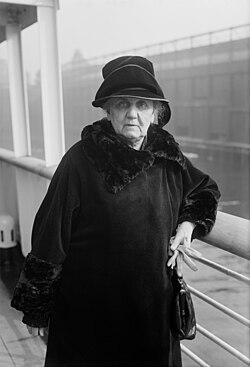
The fire exposed what progressive reformers had warned about for years: New York's garment industry ran on the exploitation of workers with no legal protections and nowhere to turn. The factory owners, Max Blanck and Isaac Harris, were acquitted of manslaughter charges — but public outrage proved irreversible. New York State responded with an avalanche of new labor legislation: limits on working hours, mandatory fire safety inspections, protections for workers. Frances Perkins, who witnessed the fire from the street that afternoon, later became FDR's Secretary of Labor and the principal architect of the New Deal.
The Triangle fire accelerated the rise of the International Ladies' Garment Workers' Union and reshaped American thinking about government's obligation to protect workers from private employers. The reforms it triggered in New York became a template for the rest of the country. A century later, all 146 victims were finally identified by name — many had gone unnamed for decades — and read aloud at a public commemoration in lower Manhattan.
| Date | March 25, 1911 |
| Location | Asch Building, Washington Place, Greenwich Village, New York City |
| Deaths | 146 workers |
| Owners | Max Blanck and Isaac Harris |
| Verdict | Acquitted of manslaughter, December 1911 |
| Key Figure | Frances Perkins — labor reformer, later Secretary of Labor (FDR) |
| Impact | Triggered landmark New York labor reform legislation |
| Date | March 25, 1911 |
| Location | Greenwich Village, New York City |