W.E.B. Du Bois
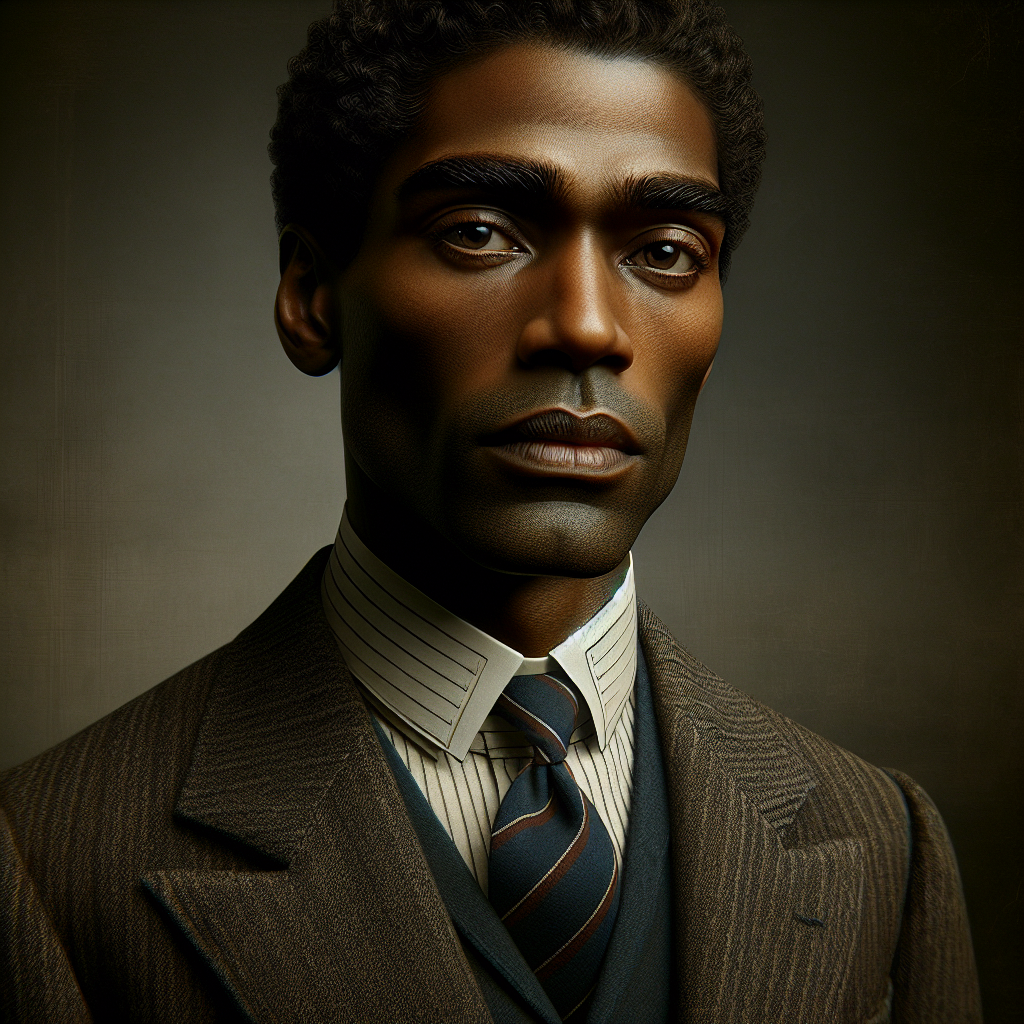
W.E.B. Du Bois was the most consequential Black intellectual of the 20th century — a sociologist, historian, editor, and activist whose ideas about race and democracy still shape the conversation. Born three years after the Civil War ended, he came of age during the violent dismantling of Reconstruction and spent six decades demanding that America honor the promises it had broken. He is the reason American civil rights discourse has a language precise enough to name what was happening.
Du Bois became the first African American to earn a doctorate from Harvard, completing his degree in 1895. His 1903 masterwork, The Souls of Black Folk, introduced the concept of "double consciousness" — the psychic tension of being both Black and American in a nation that refused to reconcile those identities. He co-founded the NAACP in 1909 and edited its journal, The Crisis, for 24 years, shaping the intellectual architecture of the civil rights struggle a generation before it reached the streets.
His public disagreement with Booker T. Washington defined the poles of Black political thought for decades. Where Washington urged economic self-sufficiency and accommodation, Du Bois demanded full political equality, immediately. History moved closer to Du Bois's position — but Washington's institutions outlasted the argument.
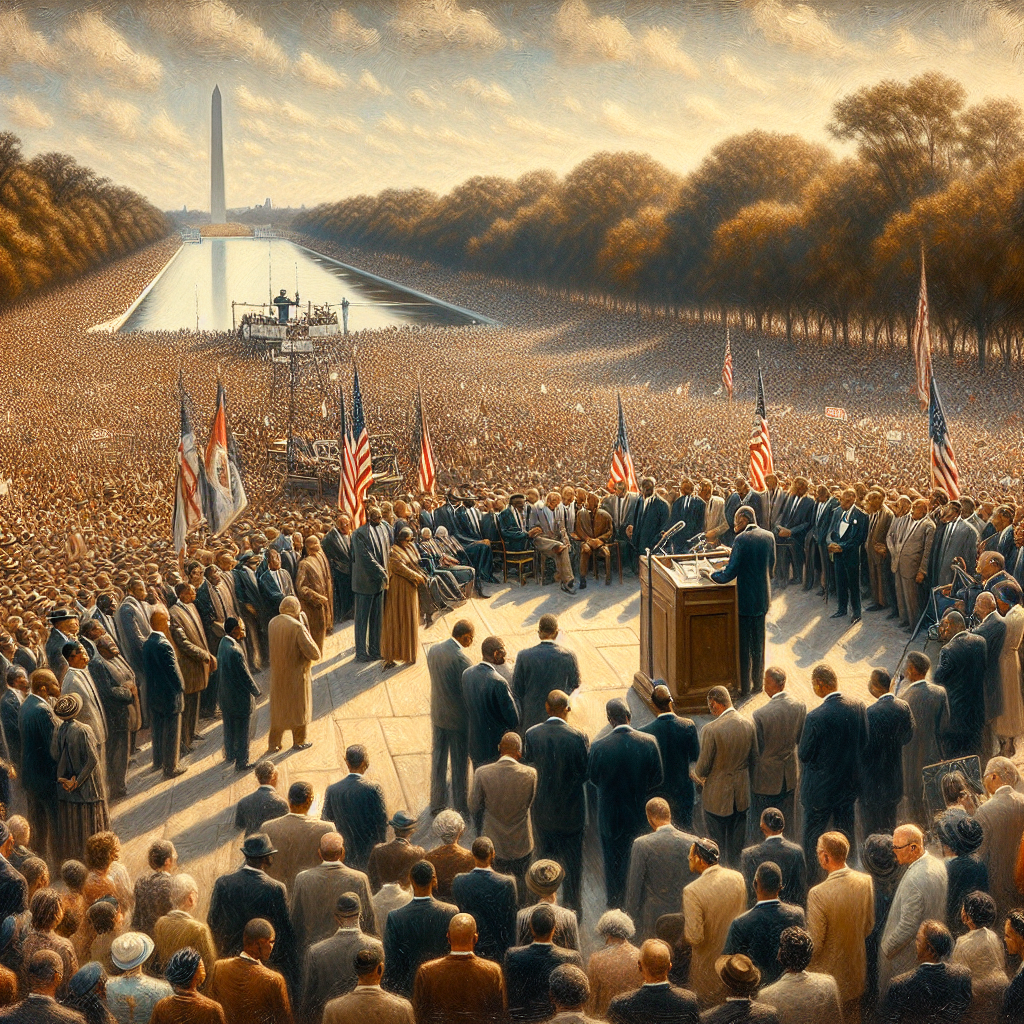
His long life ended in rupture. Disillusioned after decades of witnessing American democracy's failure to extend itself to Black citizens, Du Bois joined the Communist Party at 93 and renounced his citizenship, emigrating to Ghana at the invitation of President Kwame Nkrumah. He died there on August 27, 1963 — the day before the March on Washington.

| Born | February 23, 1868 — Great Barrington, Massachusetts |
| Died | August 27, 1963 — Accra, Ghana |
| Education | Ph.D., Harvard University, 1895 |
| Key Work | The Souls of Black Folk (1903) |
| Organizations | NAACP (co-founder), Niagara Movement |
| Journals Edited | The Crisis, 1910–1934 |
| Years | 1868–1963 |
| Location | Great Barrington, Massachusetts |