The Women's Suffrage Movement

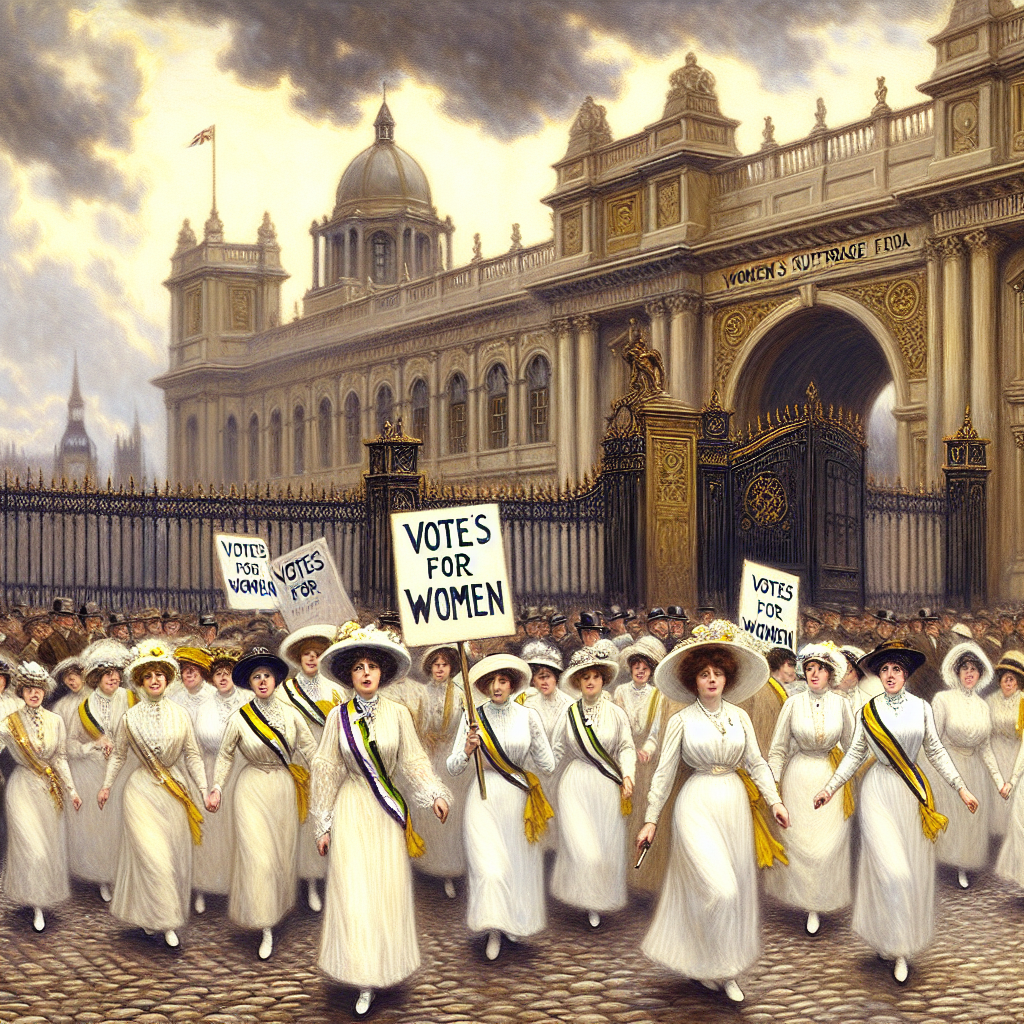
When a small group gathered in Seneca Falls, New York, in the summer of 1848 to declare that women were entitled to the vote, the demand struck most Americans as absurd. It would take seventy-two years, three generations of organizers, a civil war, and a bitter split within the movement itself before the Nineteenth Amendment made that demand the law of the land in 1920. The campaign was never a single march toward an obvious goal. It was a long argument — about who counted as a citizen, about whether the vote should come through the states or the Constitution, and about whether the cause of women could be separated from the cause of the formerly enslaved.
This guide follows the movement as a timeline, from its roots in abolition and reform through the Reconstruction rupture, the state-by-state grind of the Progressive years, and the final push that won ratification. The entries below trace both the leaders whose names became synonymous with the cause and the allies and rivals who complicated it. Read together, they show that winning the vote in 1920 settled one question and opened others — because the amendment's promise reached millions of women in law long before it reached all of them in practice.
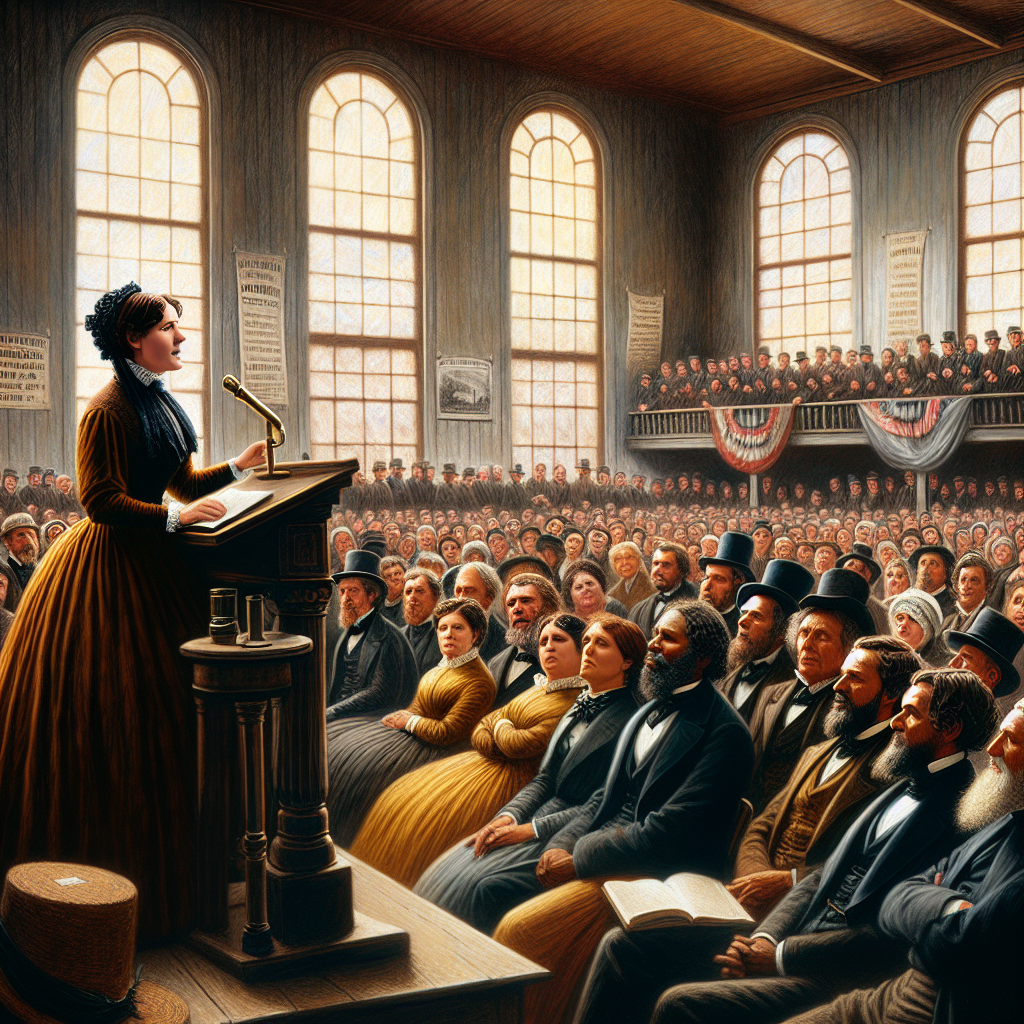
The campaign for the vote began in 1848 at a convention in Seneca Falls, New York, among reformers who had learned to organize in the antislavery movement. From the start it drew abolitionists like Frederick Douglass and faced a challenge, voiced most memorably by Sojourner Truth, over whether it spoke for Black women as well as white ones.
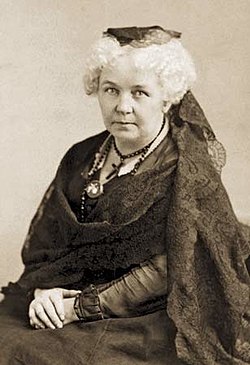
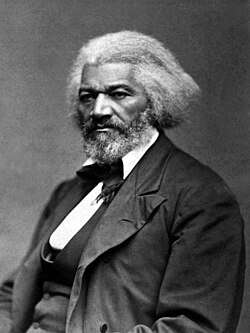
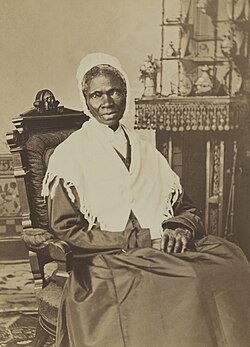

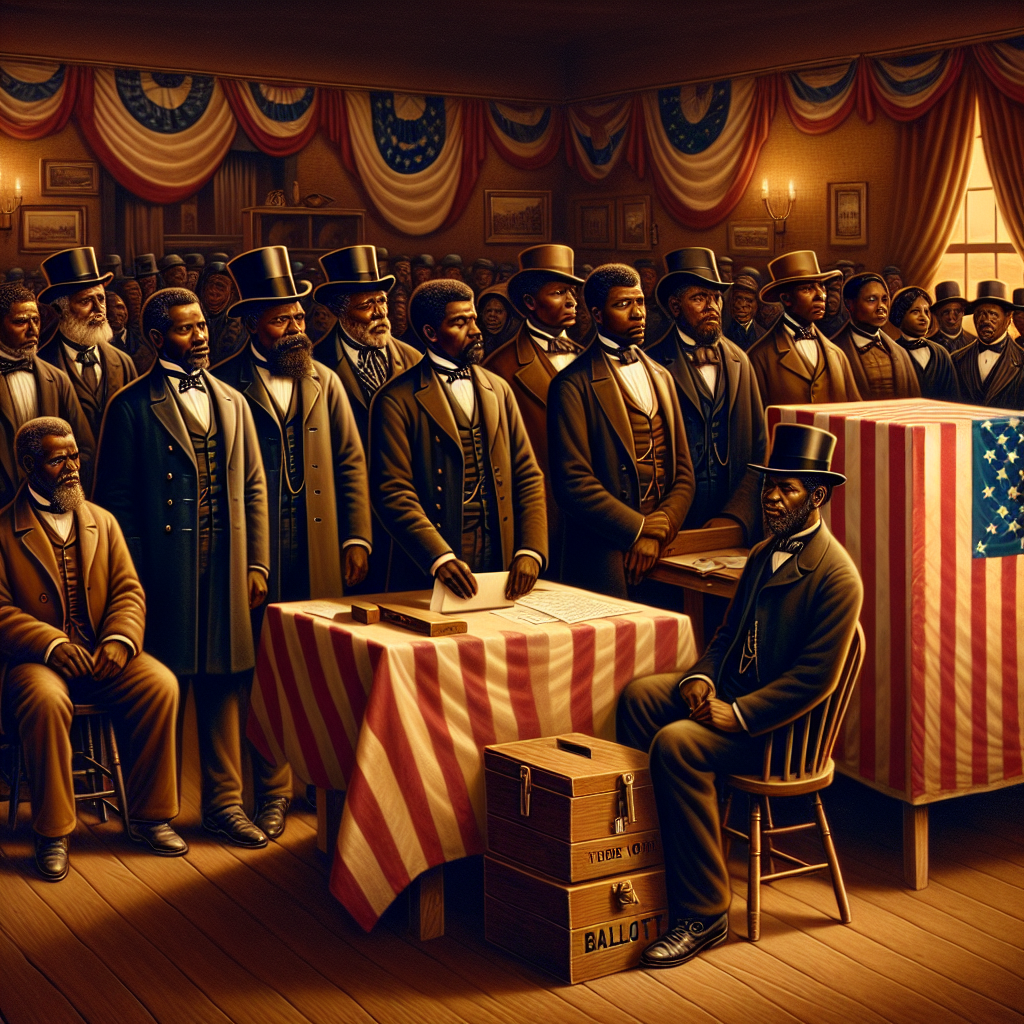
The Civil War and the Fifteenth Amendment split the movement in two. When Congress protected the vote against racial discrimination but not against discrimination by sex, suffragists divided over whether to support it, and they spent the next two decades building rival national organizations.
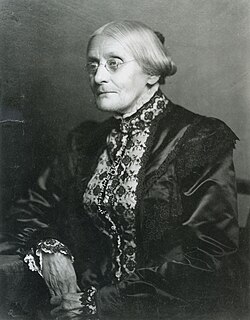
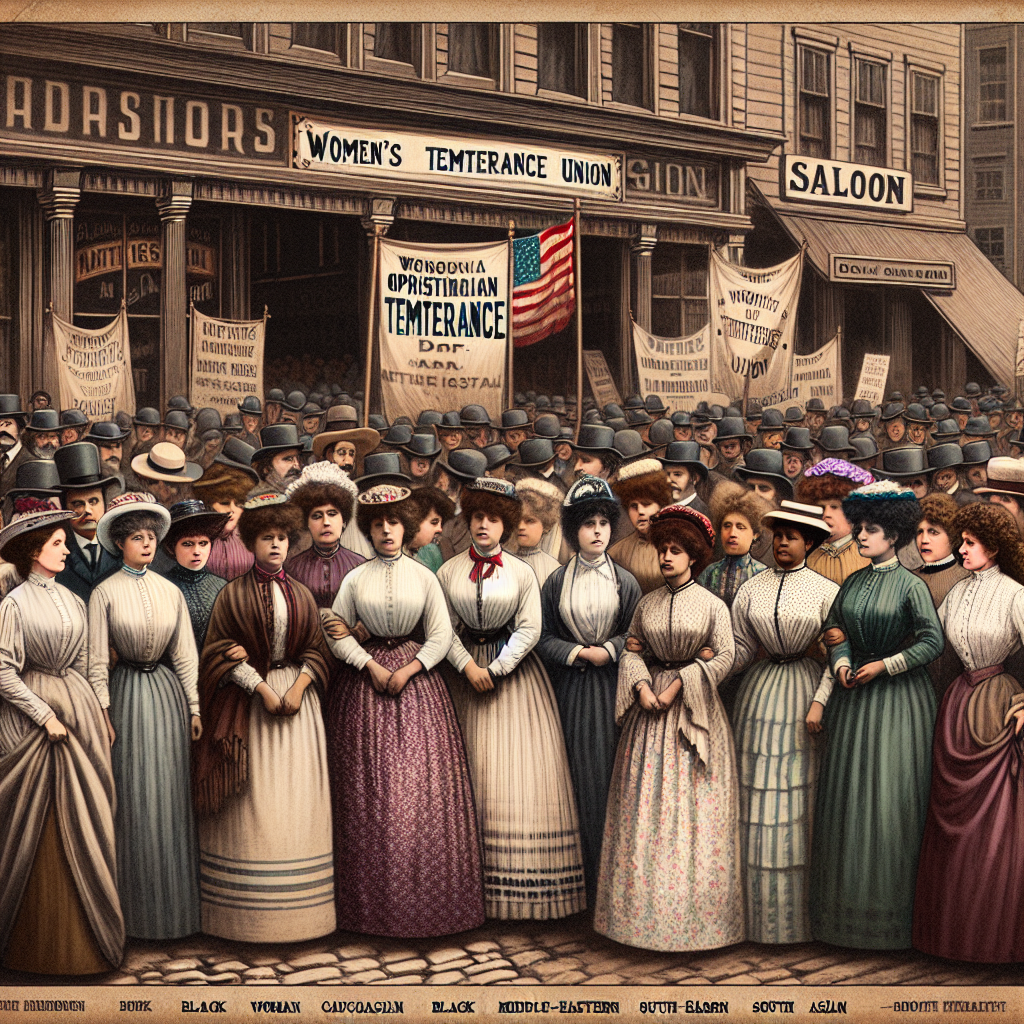
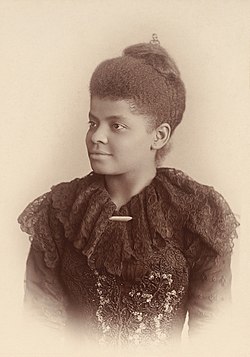
Suffrage became part of the broader Progressive reform movement around the turn of the century. Settlement workers, club women, and Western states that had already granted the vote all added weight, though leaders like Ida B. Wells had to fight the movement's own willingness to sideline Black women to win Southern support.
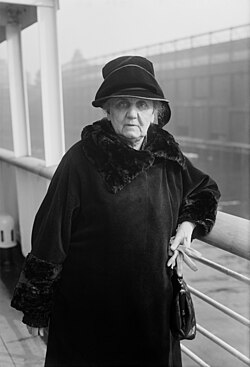
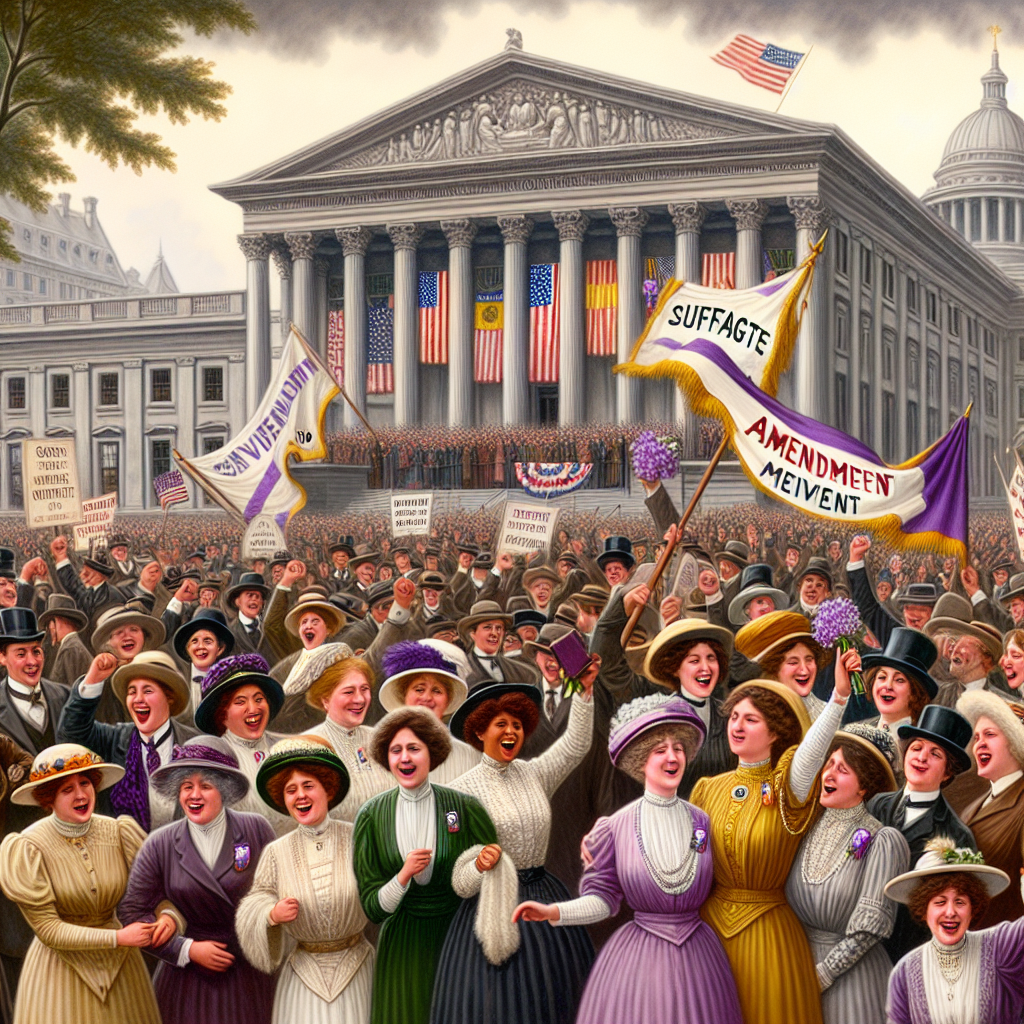
After seventy-two years, Tennessee's ratification in August 1920 made the Nineteenth Amendment part of the Constitution. It barred the states from denying the vote on account of sex, and it doubled the national electorate in a single election.
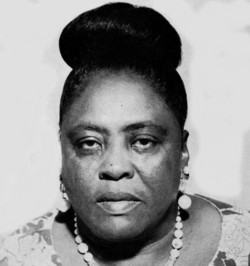
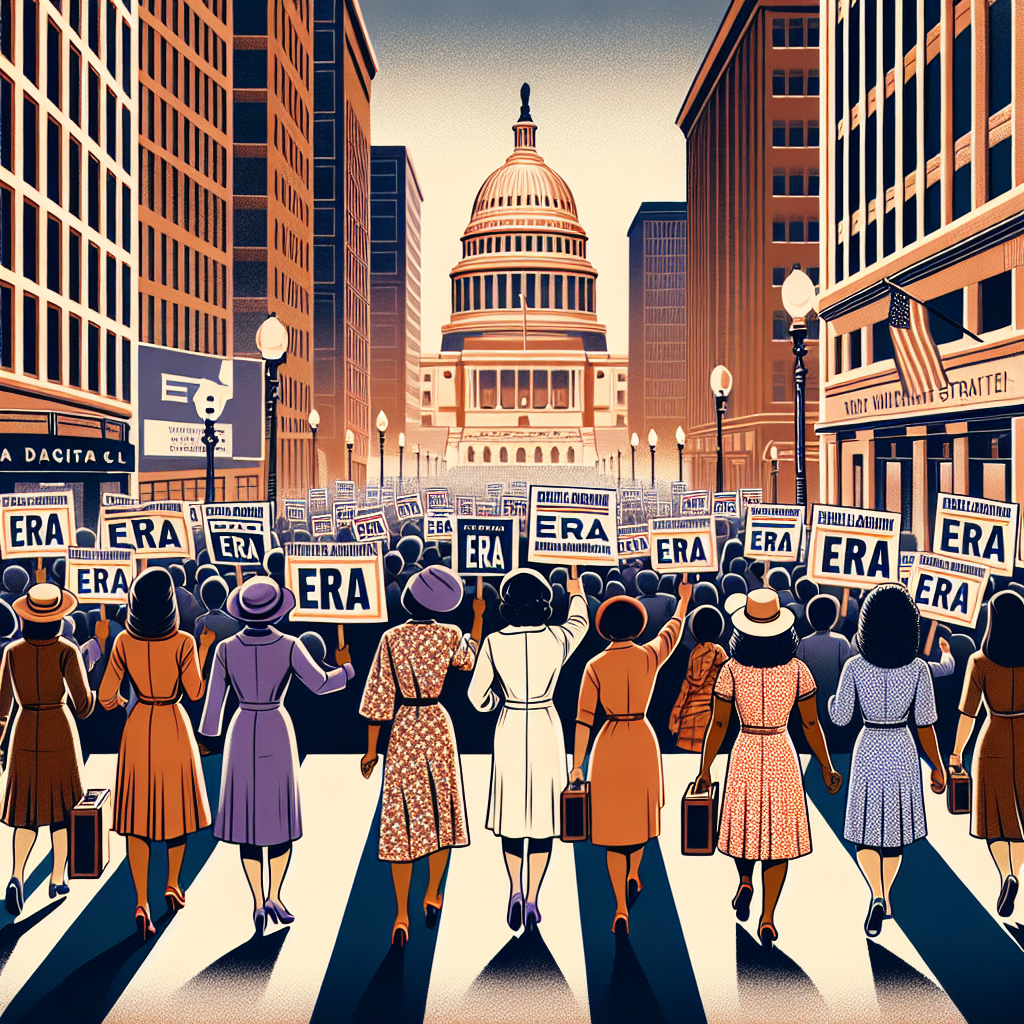
The amendment did not reach every woman. Black women in the South were kept from the polls for another four decades, until activists like Fannie Lou Hamer and the Voting Rights Act of 1965 forced the issue, and the Equal Rights Amendment, first proposed in 1923, remains unratified.
The vote was one front in a much longer campaign; for the full arc, see The Two-Century Fight for Women's Rights. For the constitutional machinery behind the victory, see The U.S. Constitution: Articles, Amendments, and Why They Matter.