Assassination of William McKinley
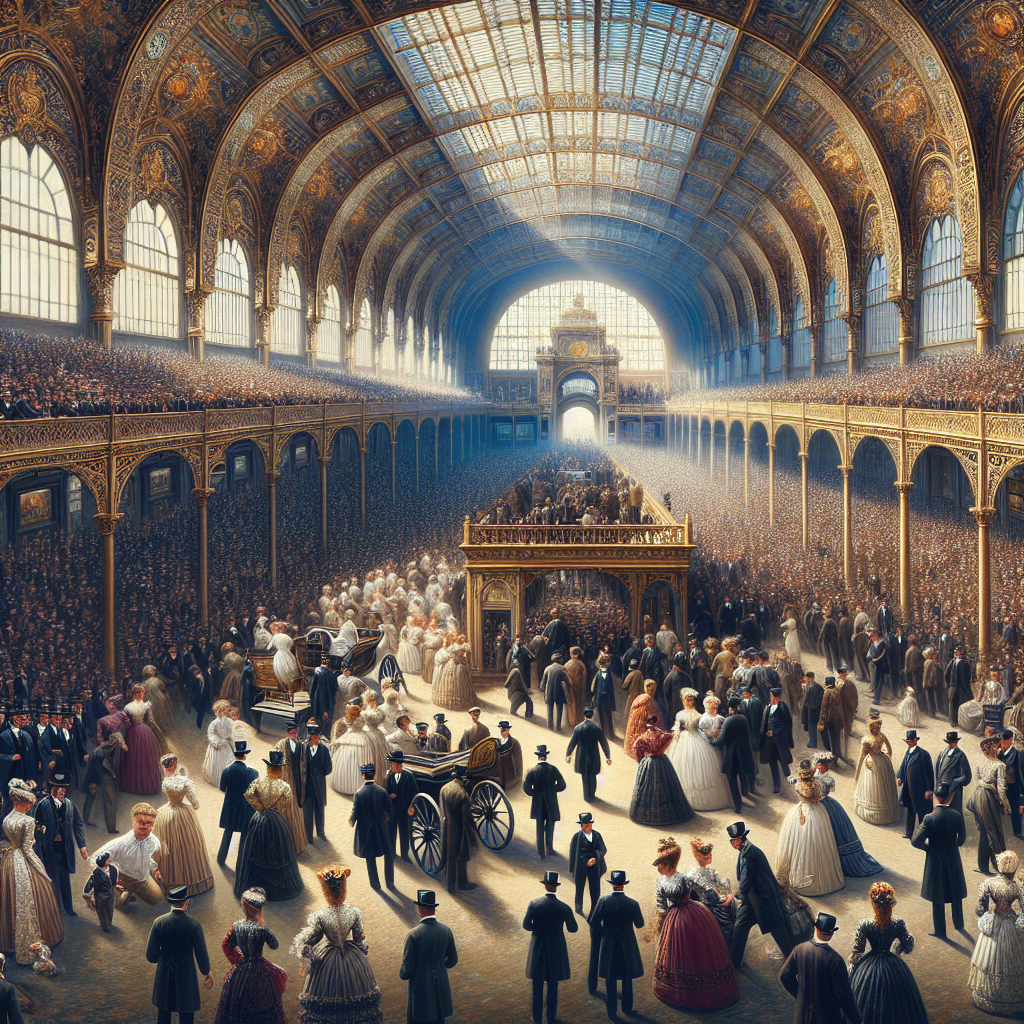
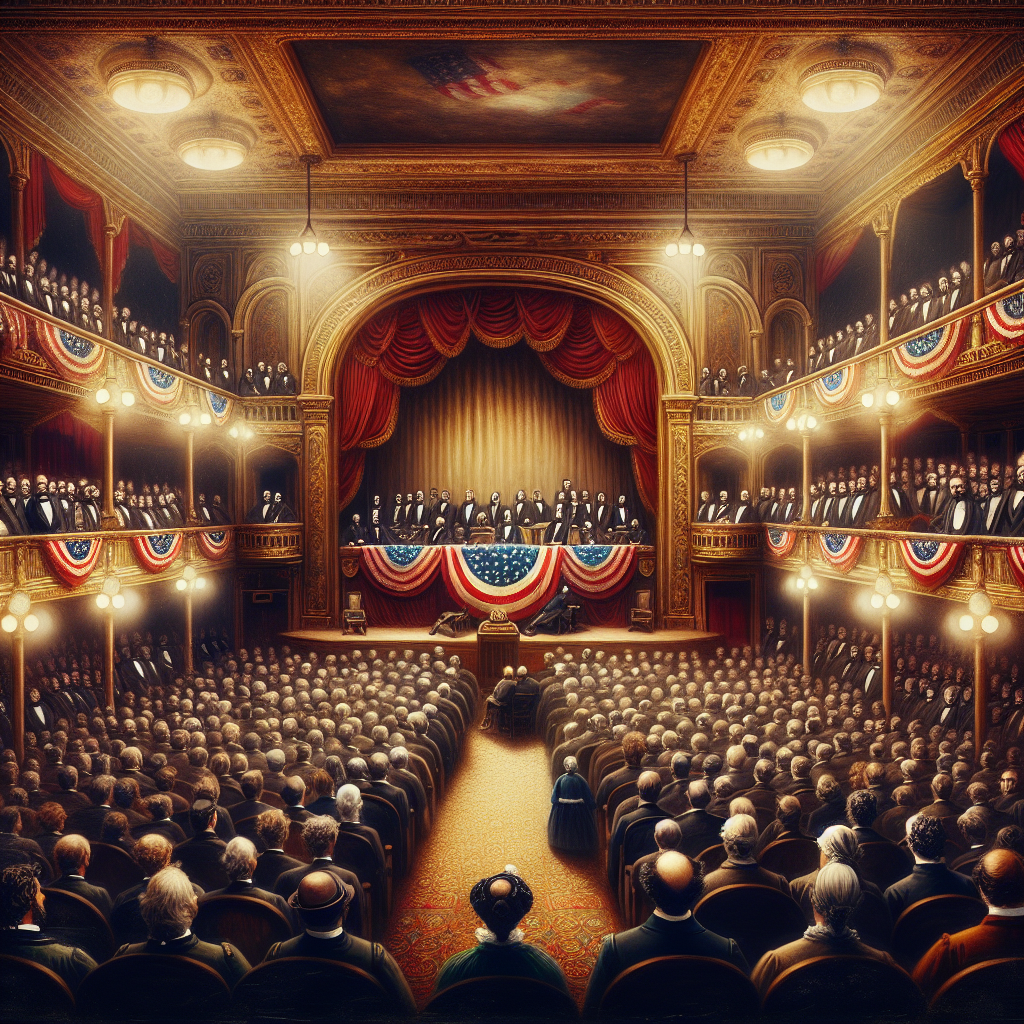
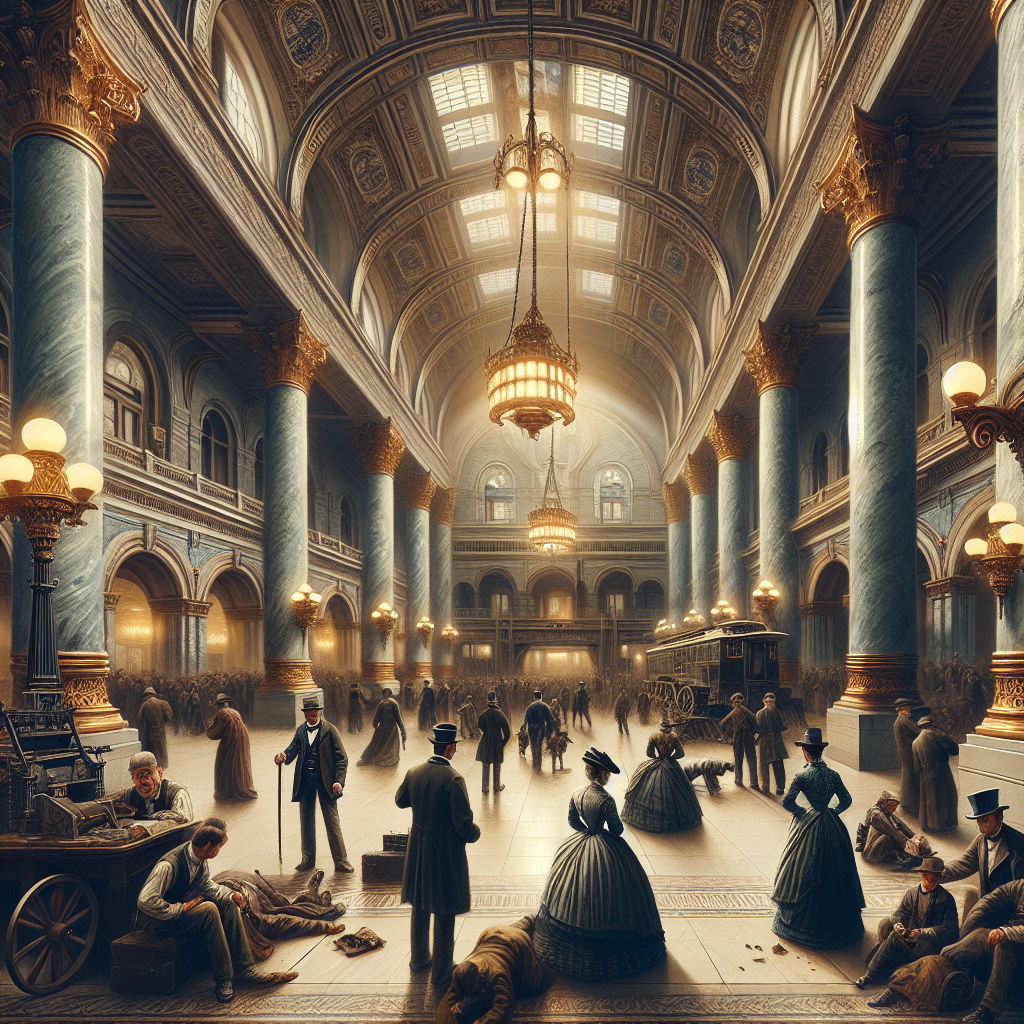
On the afternoon of September 6, 1901, President William McKinley stood in a receiving line at the Temple of Music at the Pan-American Exposition in Buffalo, New York, cheerfully shaking hands with the public — the kind of open-access event that the Secret Service had tried and failed to discourage. Leon Czolgosz, a 28-year-old self-described anarchist, approached with his right hand wrapped in a handkerchief concealing a .32-caliber revolver. He fired twice. McKinley died eight days later, and Theodore Roosevelt became president at 42.
The assassination unfolded against a backdrop of political violence that had already claimed two presidents — Lincoln and Garfield. Czolgosz claimed anarchism as his motive after hearing Emma Goldman speak; Goldman was briefly arrested, though no connection was established. Congress responded with the Immigration Act of 1903, barring anarchists from entering the country — the first ideological restriction in American immigration law and a template for later exclusions based on political belief.
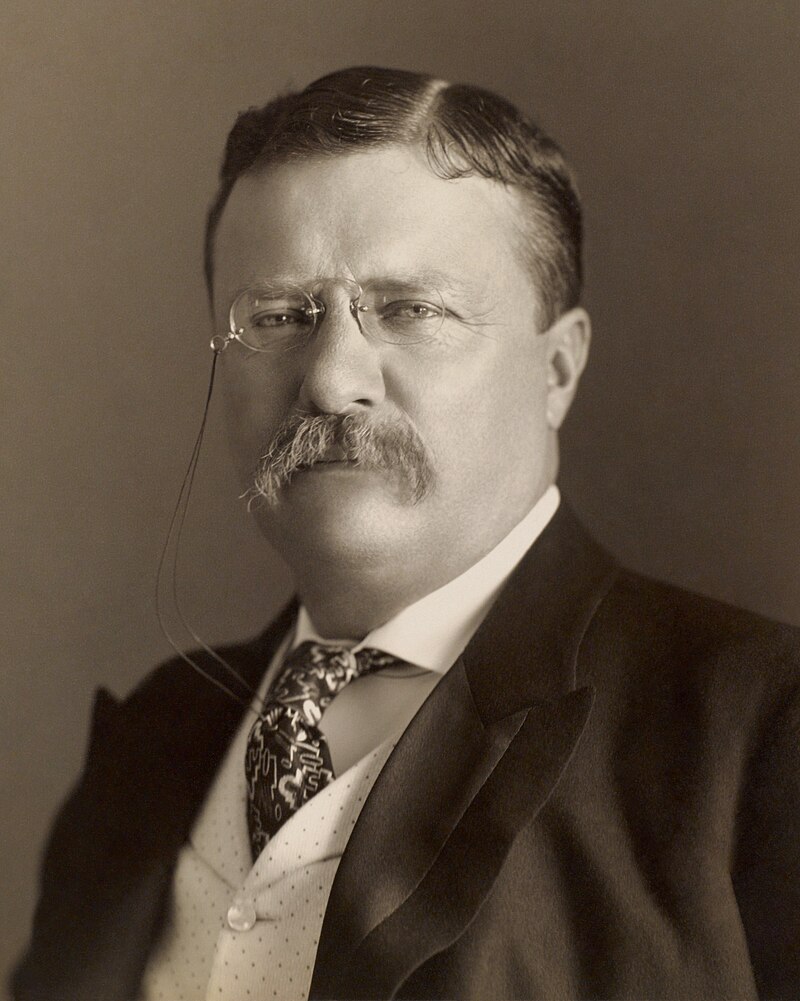
The great irony of McKinley's death was what it unleashed. He had been the safe choice — a conservative, pro-business president who resisted disruption. His replacement was everything the Republican establishment feared: young, combative, and determined to use federal power to break up the monopolies that McKinley had protected. The men who had engineered Roosevelt's vice presidency specifically to sideline him from power had handed him the country instead.
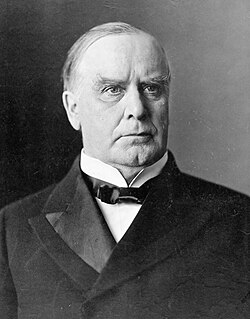
| Victim | President William McKinley (25th President) |
| Shot | September 6, 1901 — Temple of Music, Pan-American Exposition, Buffalo, NY |
| Died | September 14, 1901 — Buffalo, New York |
| Assassin | Leon Czolgosz (age 28) |
| Motive | Political anarchism |
| Czolgosz's Fate | Convicted of murder; electrocuted October 29, 1901 |
| Succeeded by | Theodore Roosevelt (age 42 — youngest president to date) |
| Date | September 6–14, 1901 |
| Location | Buffalo, New York |