Grand Canyon National Park
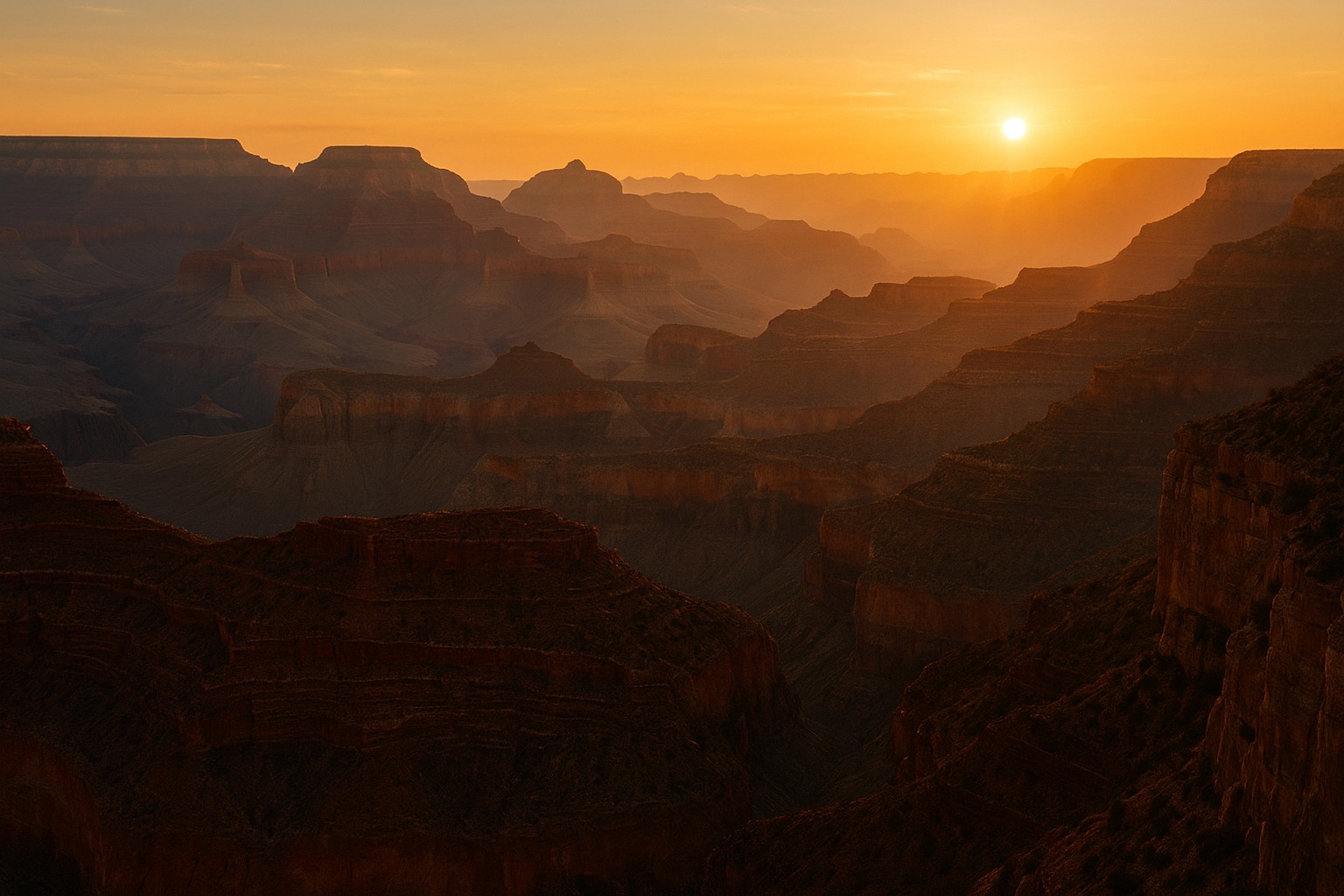
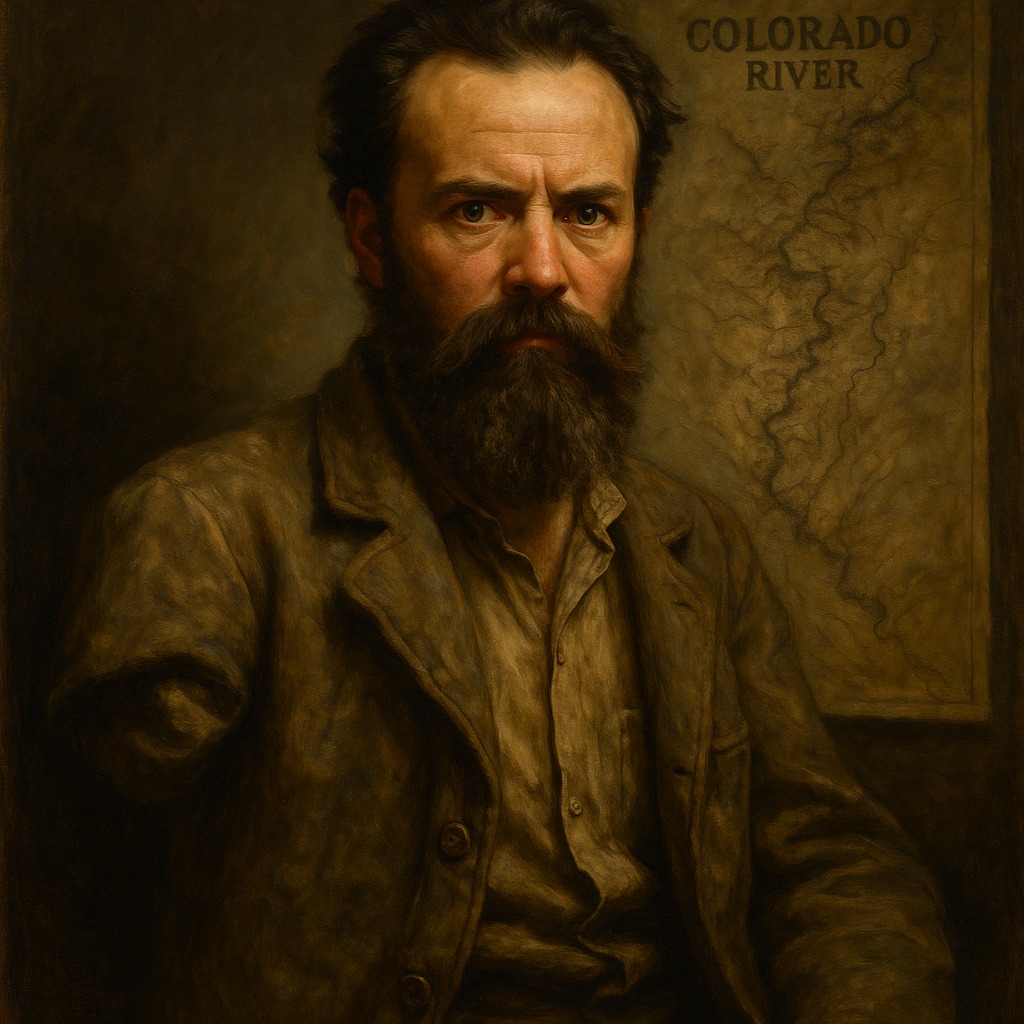
The Grand Canyon is a 277-mile river gorge carved through the high Colorado Plateau of northern Arizona, on average ten miles wide and roughly a mile deep, exposing 1.8 billion years of geologic history in its walls. The Havasupai, Hopi, Hualapai, Navajo, Zuni, and Southern Paiute have lived in and around the canyon for at least eight centuries. Spanish soldiers under García López de Cárdenas saw it from the South Rim in 1540 and declared it impassable. John Wesley Powell led the first recorded river expedition through the canyon in 1869, losing three men in the process — the first sustained scientific description of the country it cuts through.
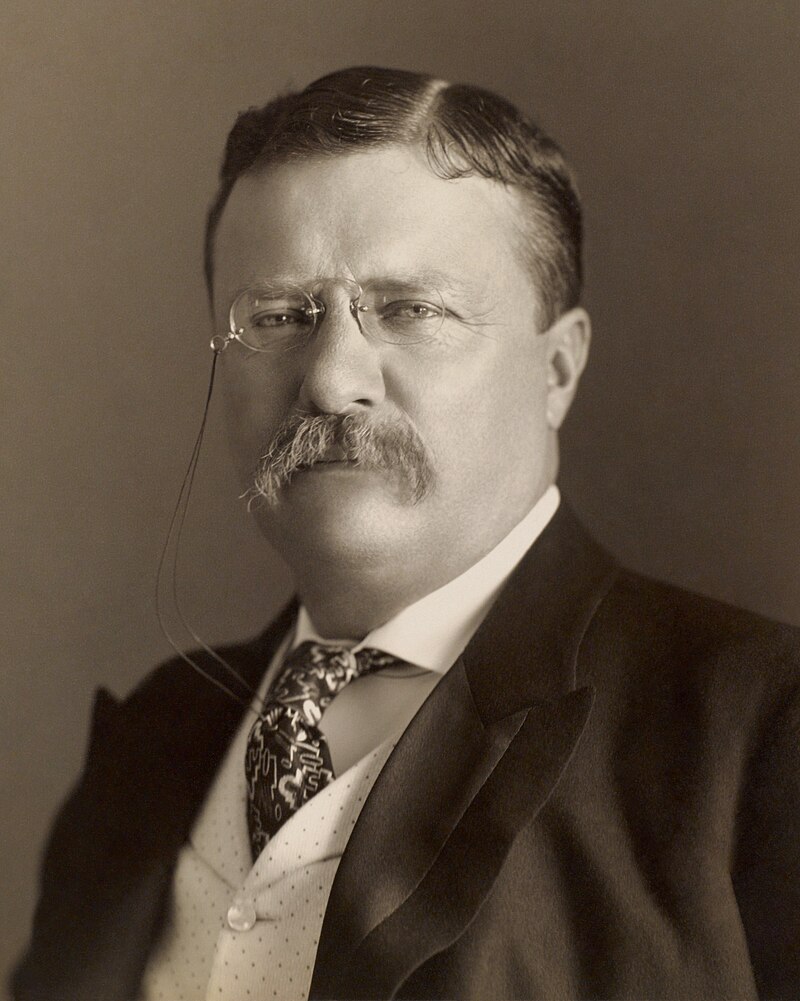
President Theodore Roosevelt visited in 1903 and called it "the one great sight which every American should see," declared it a game reserve in 1906, and used the Antiquities Act of 1906 to designate it a national monument in 1908. Mining interests fought him in court; the Supreme Court upheld the designation in 1920. National park status followed in 1919. The most consequential later fight came in the 1960s, when the Bureau of Reclamation proposed two dams inside the canyon — Marble Canyon and Bridge Canyon — that would have flooded miles of the river. The Sierra Club's newspaper ads, including the famous "Should we also flood the Sistine Chapel so tourists can get nearer the ceiling?" headline, helped kill both dams in 1968.
About six million people visit each year, concentrated almost entirely on the South Rim. Only one percent ever descend below the rim; fewer than 30,000 raft the river annually, on permits won by a lottery that can take years to draw. The Glen Canyon Dam upstream, which was built, has reshaped the Colorado's flow in ways that have collapsed native fish populations and starved the canyon's beaches of sediment — an ongoing experiment in managed releases tries to mimic the floods the dam now prevents. The canyon is, for now, both protected and quietly degrading.
| National monument | January 11, 1908 (Theodore Roosevelt) |
| National park | February 26, 1919 |
| Length | 277 river miles |
| Depth | Up to 6,000 feet (~1 mile) |
| Annual visitors | ~6 million |
| Tribal nations | Havasupai, Hopi, Hualapai, Navajo, Zuni, Southern Paiute |
| Geologic history | 1.8 billion years exposed |
| UNESCO | World Heritage Site (1979) |
| Date | National monument: January 11, 1908 · National park: February 26, 1919 |
| Location | Grand Canyon Village, Arizona |