Trust-Busting
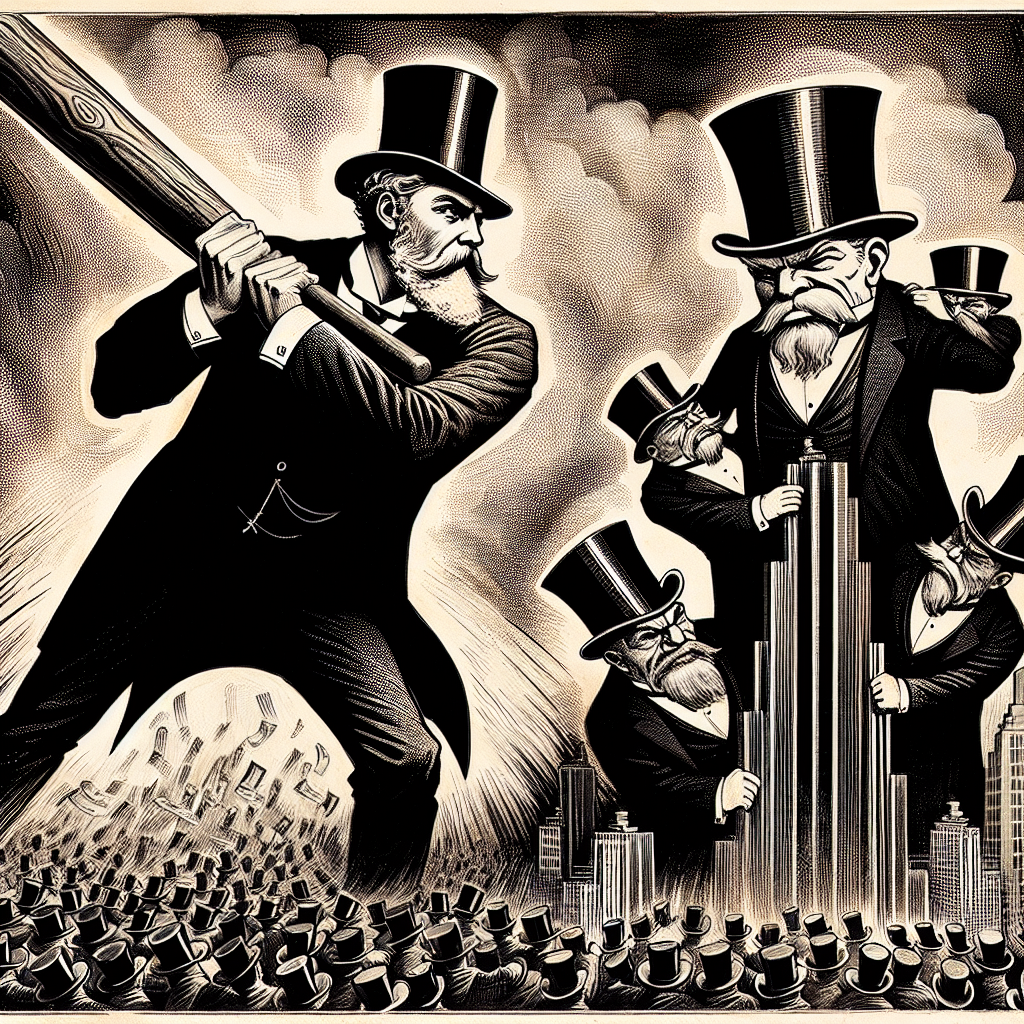
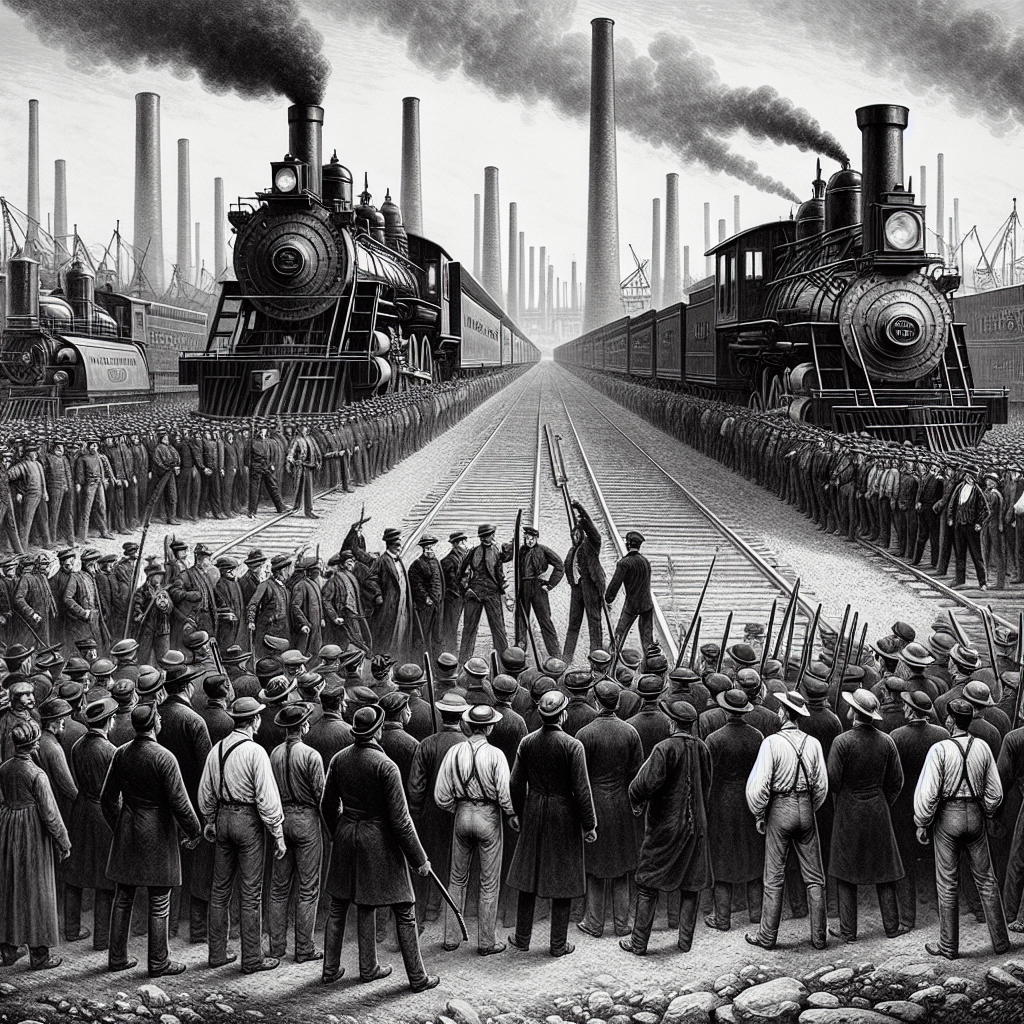
By 1900, a handful of trusts — corporate combinations designed to eliminate competition in steel, oil, railroads, beef, and tobacco — controlled vast segments of the American economy. John D. Rockefeller's Standard Oil refined nearly 90 percent of the nation's petroleum. J.P. Morgan's Northern Securities Company dominated rail traffic across the Northwest. When Theodore Roosevelt took office in September 1901, he inherited an economy Lincoln's generation could not have imagined — and he chose to fight it.
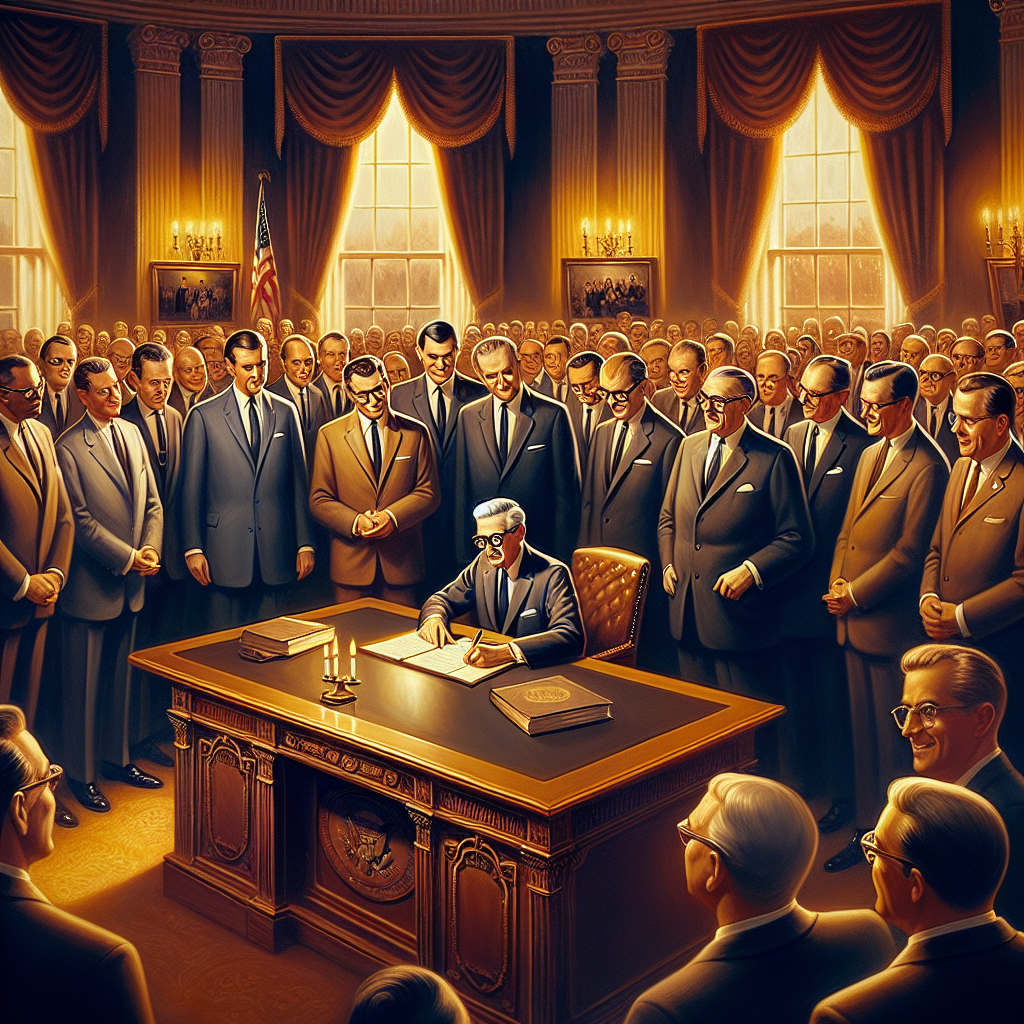
Roosevelt's attorneys sued Northern Securities under the Sherman Antitrust Act in 1902, a move that shocked Wall Street, which had assumed the 1890 law was a dead letter. The Supreme Court ordered the company dissolved in 1904. Roosevelt went on to file 44 antitrust suits in seven years. His successor, William Howard Taft, filed 90 suits in four years and broke up Standard Oil in 1911 — the largest antitrust action in American history to that point. The Federal Trade Commission Act and Clayton Antitrust Act of 1914 gave the federal government permanent tools to police competition.
Trust-busting was as much about political symbolism as economic engineering. Roosevelt did not believe all bigness was bad — he distinguished "good trusts" that competed fairly from "bad trusts" that suppressed it. The real target was the idea that private corporations could operate beyond democratic accountability. The tools forged in that era — the Sherman Act, the FTC, the Clayton Act — are still the legal foundation of American antitrust enforcement today.


| Legal foundation | Sherman Antitrust Act, 1890 |
| Key president | Theodore Roosevelt, 1901–1909 |
| Landmark cases | Northern Securities (1904), Standard Oil (1911), American Tobacco (1911) |
| Enforcement agencies | DOJ Antitrust Division (est. 1903), FTC (est. 1914) |
| Roosevelt's suits | 44 antitrust cases filed |
| Taft's suits | 90 antitrust cases filed |
| Years | 1901–1914 |
| Location | Washington, D.C. |